How To Teach Kids Social Skills That Support School Success
reviewed by Marvi M. Andres
Updated on October 15, 2026
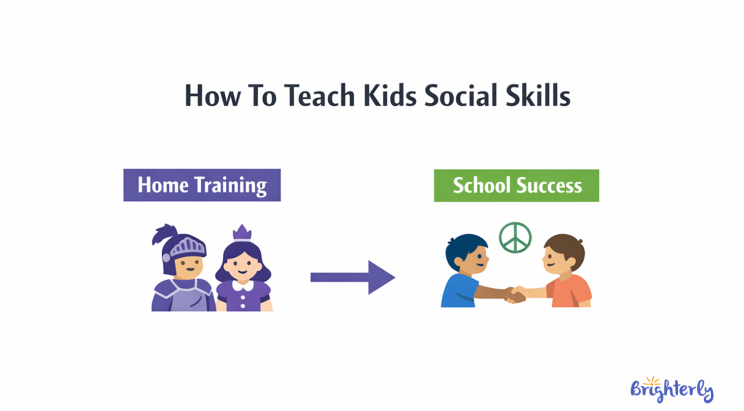
If, in the classroom, your kid can’t collaborate on projects or resolve conflicts peacefully, it’s – yes – time for you to help them at home! This is how to teach kids social skills for long-term confidence, employing the simplest and most effective methods.
Key Points
- Parental behavior is the most natural way for kids to internalize respect, patience, and active listening.
- For high-anxiety school scenarios, employ immersive role-playing and social stories.
- Emotion charades and video modeling help kids decode body language and facial expressions.
- 1:1 tutoring and gamified learning platforms provide a low-pressure environment for practicing social skills.
How To Teach Kids Social Skills
- Personalized tutoring
- Behavior modeling
- Gamified learning
- Social role-play
- Emotion charades
- Social stories
- Responsibility roles
- Structured playdates
- Active listening
- Positive reinforcement
- Cooperative gaming
- Clear boundaries
- Themed reading
- Mindfulness drills
- Video modeling
1:1 Personalized Tutoring
Best for: Kids who need intensive and individualized attention to master foundational non-verbal cues.
A personalized tutoring environment provides the focused yet low-pressure setting necessary for children to master the nuances of interpersonal interaction. Through the Brighterly learning platform, students receive individual attention that helps them develop confidence in maintaining eye contact and articulating their thoughts clearly.
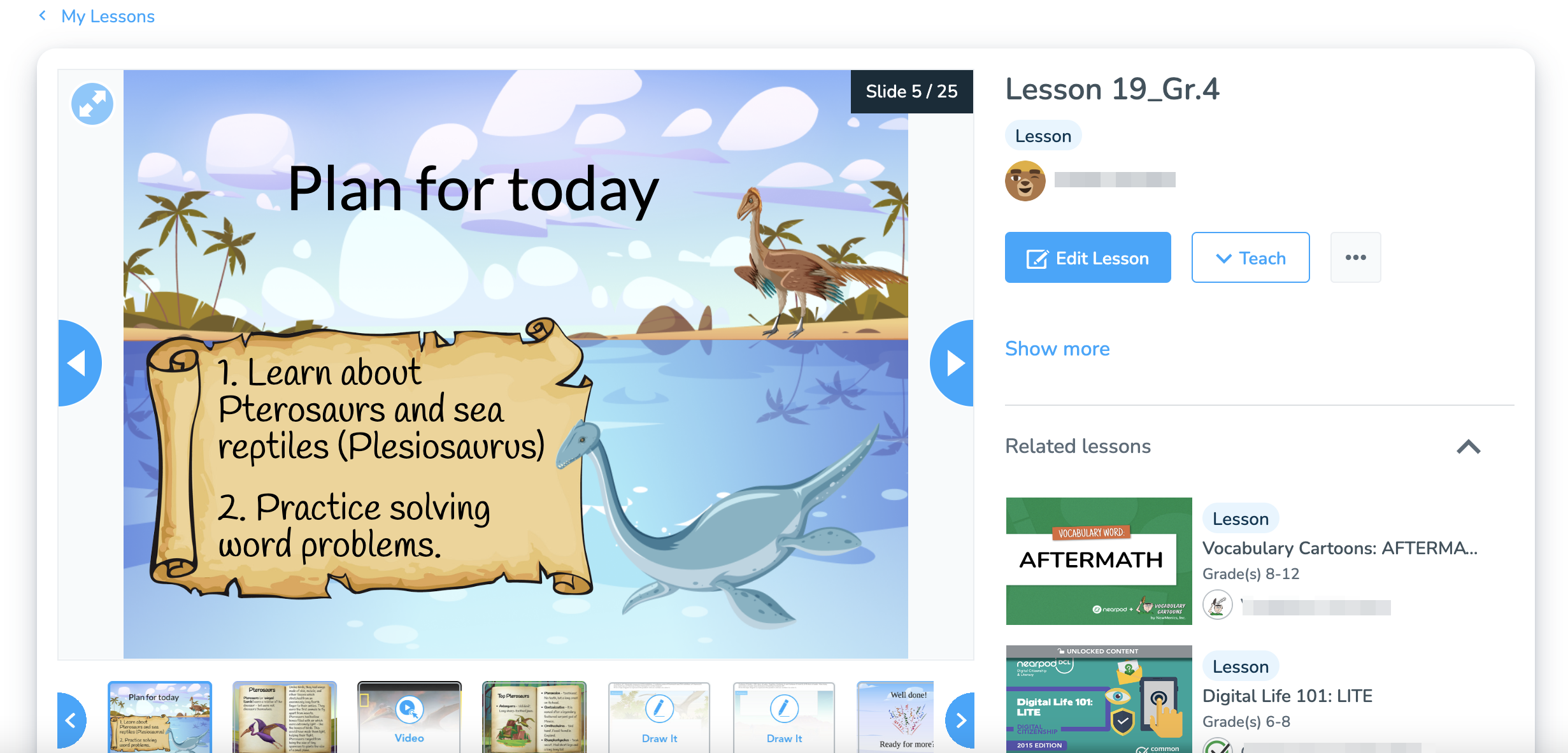
Although tutoring sessions can be integrated with academic assessments to ensure that the communication goals align with your kid’s cognitive development, as parents, you can also employ Brighterly free reading tests and math tests to evaluate current performance levels.
Personalized help for social skills growth
One-on-one lessons at Brighterly are developed to improve confidence and clear self-expression 
Parental Behavior Modeling
Best for: Naturally integrating social etiquette into your child’s daily life through mere observation.
Primarily, kids learn by observing the adults in their lives. Hence, if you, as parents, demonstrate active listening, patience, and polite communication during daily interactions, you provide a live blueprint for social success. For instance, staying calm during a stressful phone call or using ‘please’ and ‘thank you’ with a cashier shows your kid how to navigate social exchanges with respect, and so can answer your need on how to help a child with social skills.
You don’t need any formal lesson plan here; just be mindful of your own reactions and interpersonal habits. With such parental modeling, your kid will internalize your behavior as the standard for how to treat others and further mirror it with their teachers and classmates.
Interactive & Gamified Learning
Best for: High-energy kids who stay engaged more effectively via play and digital rewards.
Gamified learning incorporates game design elements into educational activities. Those elements – points, levels, storytelling, immediate feedback, and others – make child active participant in a ‘quest,’ even in challenging subjects like homeschool math! Kids, in fact, like it the most, given that the persistence and emotional regulation are enhancing without feeling like they’re being formally ‘taught.’
Personal tutors at educational platforms like Brighterly employ this gamified approach and model real-time behaviors like active listening and the ability to accept feedback without frustration. To reinforce these skills outside of live sessions, you can employ Brighterly math worksheets and reading worksheets.
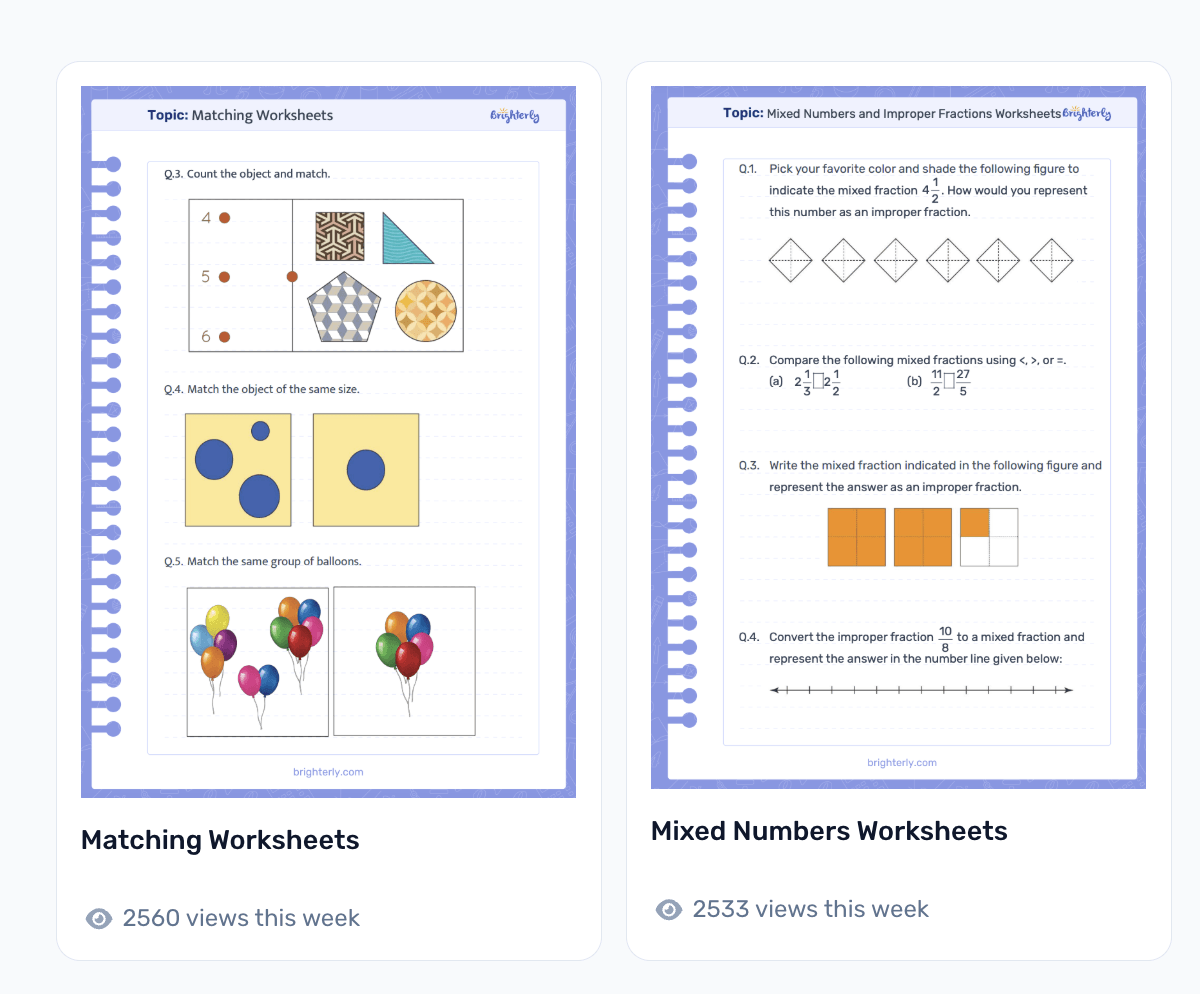
They are all free, printable, and can motivate your kid to move beyond solitary academic achievement. You can try to pick any of these available for usage games for math or reading comprehension.
Help kids learn through play
Interactive lessons at Brighterly teach listening, patience, and teamwork in a fun way.
Immersive Role-Playing
Best for: Preparing children to handle high-anxiety school scenarios.
You can act out common school scenarios like asking a peer to join a game on the playground or responding to a disagreement over a shared toy. Such rehearsal helps kids build muscle memory for social scripts and reduces the anxiety associated with new or difficult situations. During these ‘trying-on-different-responses’ sessions, provide your feedback on the child’s tone of voice and body language.
Emotion Charades For Decoding Non-Verbal Cues
Best for: Helping kids define and interpret subtle facial expressions and body language.
Emotion charades is an exciting game in which family members take turns acting out particular feelings using only facial expressions and body movements. In such a way, children learn to accurately identify and ‘translate’ non-verbal signals – quite a huge portion of human communication!
To become more adept at reading the room and empathizing with their peers, your kid should first grasp the subtle cues of, say, a ‘sad’ face or an ‘excited’ stance, etc. Because, in a school environment, the ability to recognize a classmate’s frustration or a teacher’s expectation through body language helps avoid conflict and build strong relationships.
Reading Narrative Social Stories
Best for: Kids who struggle with transitions or need more predictability in new social environments.
Social stories are short and descriptive narratives that explain a particular social situation and the appropriate behaviors expected within it. Such stories mostly explain to kids what to expect during transitions – i.e., starting a new grade or attending a school assembly.
Given that social stories describe predictable steps of social events, children gain less uncertainty and more processing of social cues ahead of time. To make the information in stories more relatable, you can customize them with your kid’s name and particular details about their school.
Household Responsibility Roles For Building Accountability
Best for: Teaching kids the value of contributing to a group and understanding how their actions impact a community.
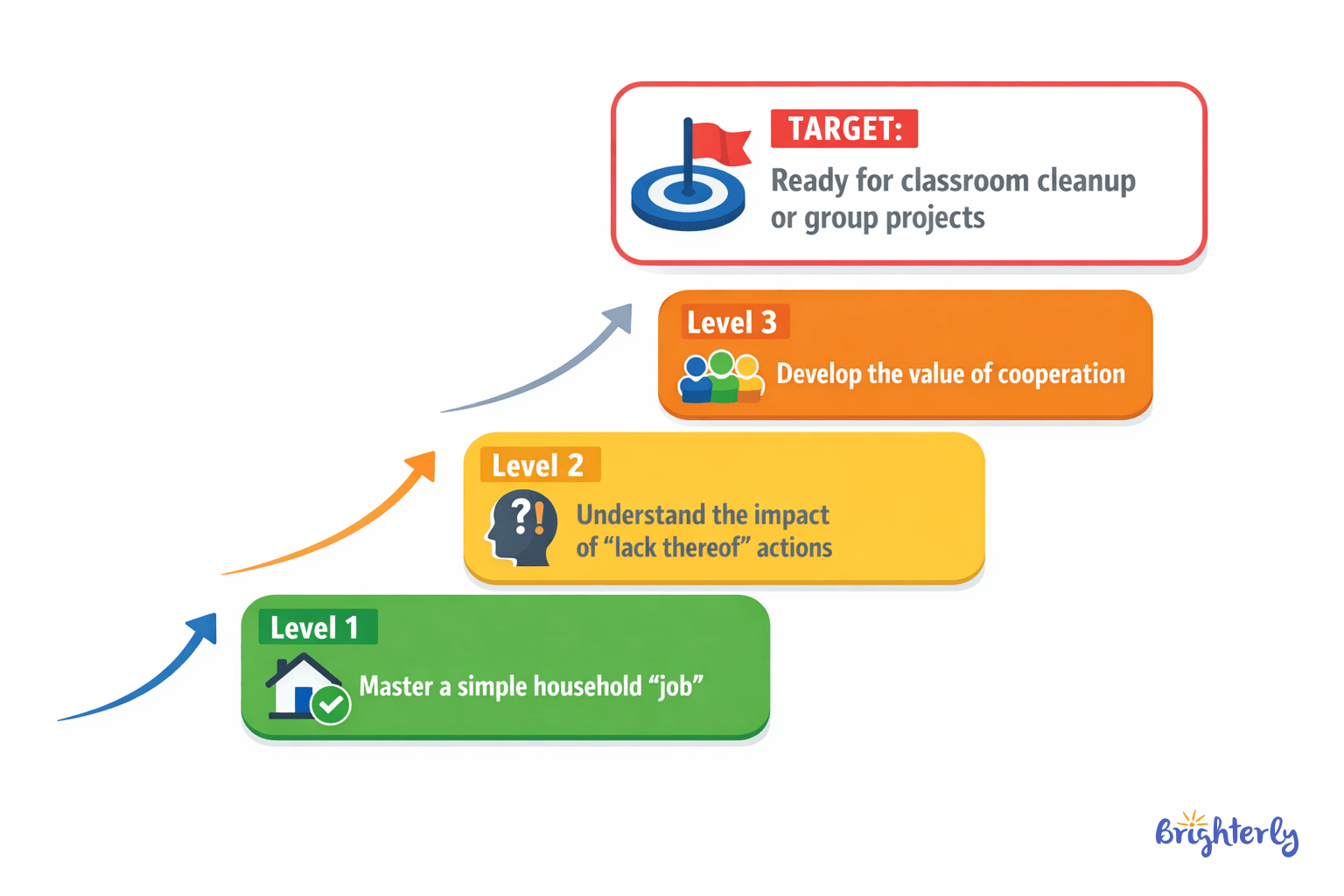
Assigning specific chores or ‘jobs’ within the home helps kids understand their role as contributing members of a community. Be it setting the table or feeding a pet, such tasks build a sense of accountability and pride in your kid’s work.
In school, on the other hand, students are often required to contribute to classroom cleanup or group projects. That’s why learning that their actions, as well as lack thereof, directly impact the group teaches them the value of cooperation.
Group Playdates
Best for: Real-world social practice with a parent to guide a possible conflict resolution.
A facilitated playdate is a structured social gathering in which you, as a parent, provide gentle guidance to help kids deal with interactions. You might suggest a particular activity or help mediate a minor disagreement.
During such playdates in a safe environment, kids practice sharing, turn-taking, and collaborative play. When hosting such sessions, you can observe your child’s social strengths and areas for improvement (like, say, how they handle losing a game or how they approach a new friend, etc.), while your kid organically collects a repertoire of successful strategies for making friends and working in small groups.
Reflective Listening Exercises
Best for: Improving the ability to follow complex instructions and stay empathetic with peers.
Reflective listening can be a game-changer in teaching kids social skills. It’s about hearing what exactly someone else says and then repeating it in your own words. Thus, you can ask your kid to summarize a short story or, say, how they understood what a family member had asked them to do.
Given that, in school, the ability to listen reflectively is needed to follow multi-step teacher instructions and participate in classroom discussions, exercising this skill at home first will serve your kid pretty well.
Positive Reinforcement
Best for: Motivating kids to repeat helpful behaviors.
Positive reinforcement is most effective when it’s specific and immediate. General praising isn’t bad. However, if you identify the exact social behavior you want to encourage (like, ‘I’m proud of how you waited for your sister to finish her sentence’), say so specifically so that your kid can understand precisely which actions lead to positive outcomes.
Team-Based Cooperative Games
Best for: Shifting your kid’s focus from individual competition to the ‘we-mentality’.
Cooperative games require all players to work together to achieve a common objective. Activities like building a complex block tower together or solving a family puzzle teach kids the value of teamwork and collective problem-solving.
Such games reduce the stress of competition and teach kids to offer assistance and accept help – all applicable to various school group projects.
Explicit Social Boundaries
Best for: Teaching kids to respect personal space in a classroom.
Personal space and appropriate physical contact are those social boundaries that you need to explain to your kid in the first place. For that, discuss the ‘bubble’ of space people need to feel comfortable and safe. Plus, explain the importance of such social skills for kids, like asking before touching someone else’s stuff.
Classroom readiness isn’t there without understanding invisible lines. Besides, when kids respect the boundaries of others, they, by default, are viewed as more trustworthy peers.
Targeted Social-Emotional Reading
Best for: Helping kids recognize the internal feelings of people from diverse backgrounds.
To build empathy in your kid, read books that focus on characters dealing with social dilemmas or experiencing diverse emotions. During reading, pause to ask questions like, ‘How do you think that character felt when their friend left?’, and others alike.
That’s how you can encourage your kid to take the perspective of others and recognize emotions they may not have experienced personally. In school, BTW, kids who regularly engage in social-emotional reading are better equipped to support a lonely classmate or understand a teacher’s perspective.
Guided Mindfulness Drills
Best for: Teaching kids social skills of pausing and regulating their emotions before reacting to frustrating social or academic situations.
Mindfulness drills – like deep-breathing exercises or ‘grounding’ techniques – help children recognize and handle their internal emotional states. It’s especially effective during transitions or after a frustrating event to help your kid return to a calm baseline.
Visual Video Modeling
Best for: Building self-awareness.
Video modeling implies recording your kid performing a social task correctly and then watching the footage together. In such a way, they can observe their own non-verbal cues (eye contact, posture, facial expressions, etc.) from an objective perspective. Since children are unaware of how they appear to others, use short clips (i.e., videos of a ‘job well done’) to highlight their successful moments.
Explore Brighterly Learning Experience
Learn exactly how Brighterly helps students thrive through expert sessions, online tools, and proven feedback from thousands of satisfied parents
Why Are The Child’s Social Skills Important?
Social skills are important because they enable kids to interact with others and manage their emotions. They also significantly reduce stress during participation in group activities and resolving disagreements without aggression.
Broadly speaking, social-emotional health is critical in a child’s development, as reported in the ResearchGate research conducted by Joseph A Durlak, Joseph L. Mahoney, and Alaina E. Boyle. Learning to cooperate, for instance, and resolve conflicts is what your kid will definitely need throughout their entire life, agree? That is why, due to the OECD, these skills are a barrier against social isolation and bullying – unfortunately, far too frequent challenges in school settings these days.
Furthermore, the Institute of Education Sciences states in its 2024 report that children with strong social foundations are just more persistent. The ability to ask for help and accept feedback is what your child will need when facing a difficult subject or, say, participating in team sports.
Mistakes To Avoid In Social Skills Training For Kids
- Over-correction in public. Correcting your child’s social slip-up in front of their peers or other adults can cause feelings of shame and make your kid eschew social situations to avoid future embarrassment.
- Forceful social interaction. Do not mandate that your child hug a relative or play with a particular peer because it can translate to your ignoring the child’s personal boundaries. On the contrary, kids should learn how to read their own comfort levels as well as respect the boundaries of others.
- Using vague instructions. When you tell your kid to ‘be nice’ or ‘behave well’, you don’t provide a clear action plan that all children need, in fact. Be more specific about what behavior is expected, like ‘please wait until your friend finishes speaking before you start talking’, and so on.
- Shielding from all conflict. Unless a situation becomes unsafe, allow your kid to navigate small disputes on their own. Practicing conflict resolution in minor disagreements will help them develop negotiation and compromise skills.
- Comparing siblings or peers. Using a sibling or friend as a benchmark creates resentment and, more importantly, shifts the focus from learning a skill to competing for approval (bad for kids’ self-esteem).
Conclusion
Teaching social skills begins with small and intentional steps at home. Combine consistent parental modeling with structured support to empower your kid to handle the complexities of the classroom with empathy and resilience. How can Brighterly help with that?
✅ Certified tutors focus entirely on your kid’s pace and unique social-academic needs
✅ Lessons evolve based on real-time progress
✅ Interactive tools turn stressful subjects into confidence-building milestones
✅ Free access to parent-centric professional diagnostic tests and worksheets to track growth.
FAQ
What Causes Poor Social Skills In Kids?
A primary cause of poor social skills for children is a lack of consistent opportunities for peer interaction and, therefore, practicing essential behaviors (like sharing and conflict resolution). Some children face challenges due to neurodivergent conditions, like Autism Spectrum Disorder (ASD) or ADHD. Besides, when children spend too much time on screens, they miss out on observing non-verbal communication (facial expressions, body language, etc.).
What Are The 5 Core Social Skills?
- Self-awareness. The ability to recognize one’s own emotions, thoughts, and values, and how they influence behavior.
- Self-management. The capacity to regulate emotions and behaviors effectively in different situations, including managing stress and delaying gratification.
- Social awareness. The ability to take the perspective of and empathize with others (especially those from diverse backgrounds and cultures).
- Relationship skills are required to establish and maintain healthy and supportive relationships (e.g., communicating clearly, listening actively, cooperating, etc.).
- Responsible decision-making. The ability to make constructive choices about personal behavior and social interactions based on ethical standards, safety concerns, and social norms.
What Is One Example Of A Good Social Skill?
One example of a good social skill is active listening – i.e., giving full attention to a speaker. It entails making eye contact and responding appropriately. This is one of the most foundational social skills kids can develop because it demonstrates respect and empathy for others, as well as teaches children to process information before reacting. In a classroom, active listening enables your child to follow complex instructions from a teacher and have meaningful conversations with peers.
How To Teach Social Skills To Kids With Autism?
- Use visual schedules & aids (icons, photographs, drawings, etc.) to represent the sequence of a social interaction or the steps of a daily routine.
- Employ Discrete Trial Training (DTT), which entails breaking down complex social behaviors (like greeting a peer) into singular steps that are taught through repetition and immediate feedback.
- Conduct task analysisto outline a sort of a clear map for your kid to follow every physical and verbal action needed to complete a particular social task.
- Introduce social scripts, which include written or visual phrases that your child can memorize and further use to initiate conversations or ask to join a group activity.


Does your child feel stressed before, during, and after every school test? If yes, it could be test anxiety — a combination of physical and emotional reactions that hold a kid back from performing well on a test. Find out 10 proven test anxiety strategies that you can use to make your child feel more […]

Jun 10, 2022
No wonder kids struggle with overload and restlessness, given all those high-stimulus screens and academic performance pressures. With a constantly overwhelmed nervous system, children can’t focus on schoolwork and regulate their impulses. These 55+ practical mindfulness activities are classified by age (from 4 to 14) and conditions – for home routines or the classroom. 55 […]

Jun 10, 2022
Math & reading from 1st to 12th grade
Looking for homework support for your child?
Choose kid's grade

Math & Reading for Grades 1–12
Build real confidence for your child with a Brighterly math or reading tutor.