What Is Academic Burnout in Kids and How Learning Support Can Help
reviewed by Franz Jerby Delos Santos
Updated on February 5, 2026

Academic burnout can happen to any student at any age. By working with kids of different ages and temperaments, I can conclude that it inevitably affects their grades, their happy smiles, and, well, all their well-being. This exhaustion hits them harder than we realize. But it’s definitely reversible. And here’s how.
Key points
- Academic burnout doesn’t disappear after a single weekend off.
- Exhaustion, cynicism, and a low sense of accomplishment are the three red flags.
- Physically, the academic burnout results in frequent headaches, stomachaches, changes in appetite, or trouble sleeping.
- Avoid adding more pressure or taking away privileges (they won’t fix a nervous system collapse).
- 1:1 tutoring entails skipping the stress of judgment and moving at a speed that feels good for your kid.
What is academic burnout?
Academic burnout is a state in which a student feels utterly ‘fried’ from school pressure. It’s a deep tiredness with losing interest in their favorite subjects and feeling completely overwhelmed. The very first signs of burnout at school are acting moody and feeling exhausted all the time.
How do you define academic burnout in K-12 students?
Academic burnout in K-12 students is a psychological condition. It consists of three main parts: emotional exhaustion (a child feels drained of energy); cynicism – a negative or detached attitude toward schoolwork; and a low sense of accomplishment (feeling no longer capable of succeeding).
“Academic burnout in K12 students is similar to the burnout we see in adults.”

Unlike typical school stress that comes and goes with a big test, for instance, educational burnout is chronic. It means the exhaustion and negative feelings persist for weeks or months, even after a weekend break or a holiday. It’s also a sign that a kid’s stress-coping resources have been completely used up, and intentional changes are needed.

What are signs of academic burnout in students?
The signs of academic burnout include being very tired, even after a full night’s sleep. Or, they can show more irritability than usual about their homework. Kids may start withdrawing from friends or losing interest in their favorite clubs.
Common signs of burnout in school
- Big emotions. Getting angry over small mistakes or daily assignments for no reason.
- Feeling sick often. Headaches or stomachaches on school mornings.
- Avoidance. Procrastinating or finding excuses to stay home, skip classes, etc.
- Sleep and appetite changes. Having trouble falling asleep or eating significantly more or less than usual.
In a nutshell, if your once-curious kid now seems constantly overwhelmed or indifferent toward their goals, they are likely struggling with a heavy mental load.
How can parents help prevent or reduce academic burnout?
Start by balancing a schedule that prioritizes ‘recharge time’ like play and hobbies. Keep communication open and low-pressure so they feel safe sharing their struggles. In other words, help your kid feel that their worth isn’t just tied to their grades. Focus on progress instead of perfection to help manage school burnout symptoms.
And here are some expert recommendations you might also find helpful.
“Parents need to pivot to low-demand parenting temporarily.”


Once you somehow simplify things (and the perception of them) at home, you’ll find that it’s much easier now for your kid to slow down and really reflect on how they’re feeling.
“One of the most effective ways parents can reduce burnout is by helping kids slow down and reflect.”


How Brighterly can help lower pressure and raise results
What’s the way to create a low-pressure educational environment? Here’s one opinion:
“Small wins, clear goals, and visible progress help students remember that learning can feel good.”

And that’s precisely what the Brighterly math and reading platform is praised for. Its math or reading tutors focus on rebuilding a kid’s relationship with learning. On 1:1 lessons, mentors provide a low-pressure environment where students can master difficult concepts at their own pace. They break big and scary challenges into small and manageable wins.
Alternatively, even sitting down with math and reading worksheets for kids can make learning feel more achievable again. Sometimes, a child just needs to see a problem in a new and colorful or interactive way to realize they can do it.
“Structured programs, tutoring, etc. can make a big impact for children who are struggling.”
Another helpful feature is Brighterly tests. These quick and engaging checks on math and reading are, first of all, free and fun. And secondly, once passed, your child can see their own growth in real-time. I.e., another way to prove to themselves that they are capable of succeeding.


Check the basics behind this term
Take our quick quiz to discover the perfect learning solution based on your child’s needs.
What are the most common causes of academic burnout in children?
Common causes of academic burnout in children include massive daily homework and the constant pressure to get perfect grades. A packed schedule with no time to just be a kid, along with high-stakes testing, also plays a huge role.
Other expert insights on academic burnout may also contribute to your better understanding.
“The most common causes of academic burnout in children and teens are often the result of substantial pressure - whether that's from an external source such as parents or teachers, or an internal pressure, such as perfectionism.”
How to overcome academic burnout?
Prioritize sleep to overcome burnout from school
Can you get burnout from school just like an adult does at work? Sure. For kids in K-12, a lack of sleep makes it nearly impossible to handle the emotional and mental load of the classroom. When your child snoozes, their brain clears out toxins and organizes everything they learned that day. Without enough rest, their ‘stress tank’ never empties. 
Therefore, try to keep a consistent bedtime, even on weekends. Experts suggest elementary students need about 10-12 hours. And for teens, it’s around 8-10. Besides, putting away phones and tablets an hour before bed helps their brains produce melatonin naturally.
In other words, make sleep a non-negotiable family priority. It’ll ultimately give their nervous system the quiet time it needs to heal and recharge for the next day.
“It’s important to focus on the basics – healthy eating, good sleep, physical exercise, and opportunities to do enjoyable hobbies and activities.”
Set boundaries to get over burnout from studying
Setting boundaries implies that, at some point in a day, schoolwork stops and family life begins. As Melanie Haniph – founder of College Admissions for Parents, a parent-first resource hub that helps families navigate college planning with clarity and emotional intelligence – puts it, “Burnout often comes from kids feeling like they’re constantly performing and “on,” without enough time to rest or slow down a bit.”
Besides, recent academic burnout statistics show that over 25% of teenagers feel consistently burnt out. Many middle and high schoolers report high stress levels every single day. It actually happens when kids make no distinction between their studying space and rest space.
So, try to create a ‘school-free’ window. For example, leave the kitchen table for eating and chatting only (ban the devices!) Or, why not send all devices to a charging station by 8:00 PM? That, too, can help their brains transition from ‘work mode’ to ‘rest mode.’
If you teach them that it’s okay to say ‘no’ to extra late-night studying, you’ll help them build a life skill that prevents exhaustion.
Check the basics behind this term
Take our quick quiz to discover the perfect learning solution based on your child’s needs.
Get some exercise
School pressure is the reason for the body to store that stress as physical tension. Authoritative academic burnout research claims that regular physical activity lowers cortisol (the stress hormone). It also triggers the release of endorphins (nature’s ‘feel-good’ chemicals). Thus, students who get moving for at least 30 minutes a few times a week have ultimately significantly lower levels of emotional exhaustion and cynicism.
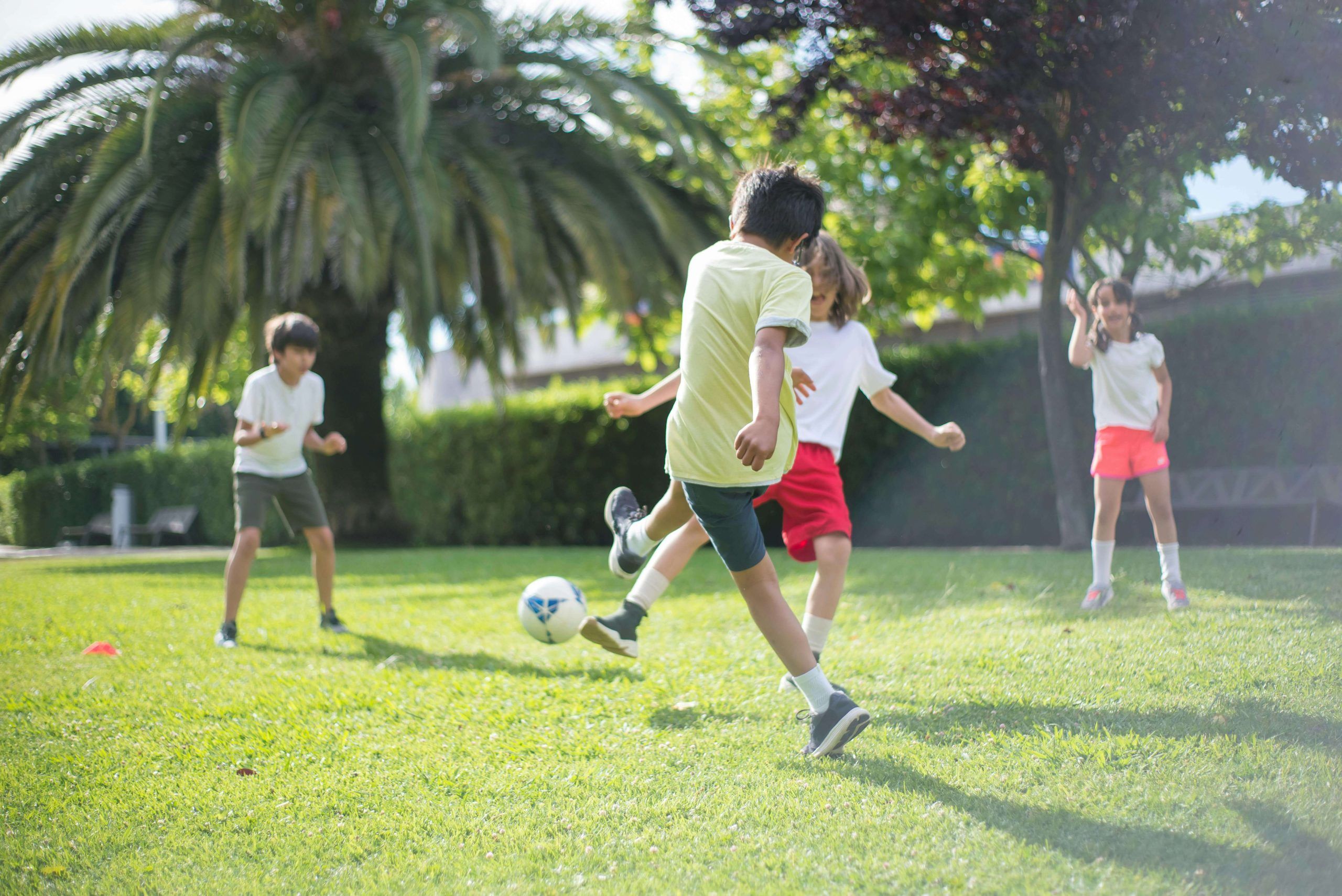
Even a 20-minute walk or a quick game in the backyard can help get out of a mental rut. Have your kid step away from the desk and get active. It’ll ultimately give their brain the biological support it needs to stay resilient and motivated.
Note: Student mental health statistics claim that a healthy mind needs a moving body. Grades do matter, yet freeing time for exercise isn’t ‘lost’ study time.
Re-engage in hobbies when noticing academic burnout symptoms
As parents, you don’t want your kids’ world feel like one long and far too exhausting to-do list, do you? Reconnecting with hobbies assumes doing things they do just because they love them. Yes, it might seem counterintuitive to spend time on drawing or playing guitar when they have a stack of homework. However, science shows that ‘play’ is essential for a healthy brain.
The connection between burnout and academic performance is very real, too. When a child loses their sense of joy and relaxation, their grades often follow. That’s why picking up a hobby makes your kid feel good at something, without the pressure of a letter grade or a deadline.
Let your kid bake a messy cake or sketch in a notebook, whatever. Such moments remind them that, apart from being a student, they are also creative and capable people with interests that matter.
Note: According to statistics on how students learn best, our brains aren’t meant to be in ‘intake mode’ 24/7. Learning is most effective when it’s active and balanced with rest. Hence, engaging in a hobby gives kids’ brains the ‘downtime’ it needs to process what they’ve learned.
Adjust expectations
Sometimes the pressure of ‘perfection’ can lead to a total shutdown. That’s why helping your kid recover starts with a shift in how we view success.
“I would define burnout in K12 students as a level of stress that makes it increasingly difficult for them to cope with daily life, responsibilities, and other activities”
This academic burnout meaning highlights that a kid under this condition can never meet the bar; they often stop trying altogether to protect themselves.
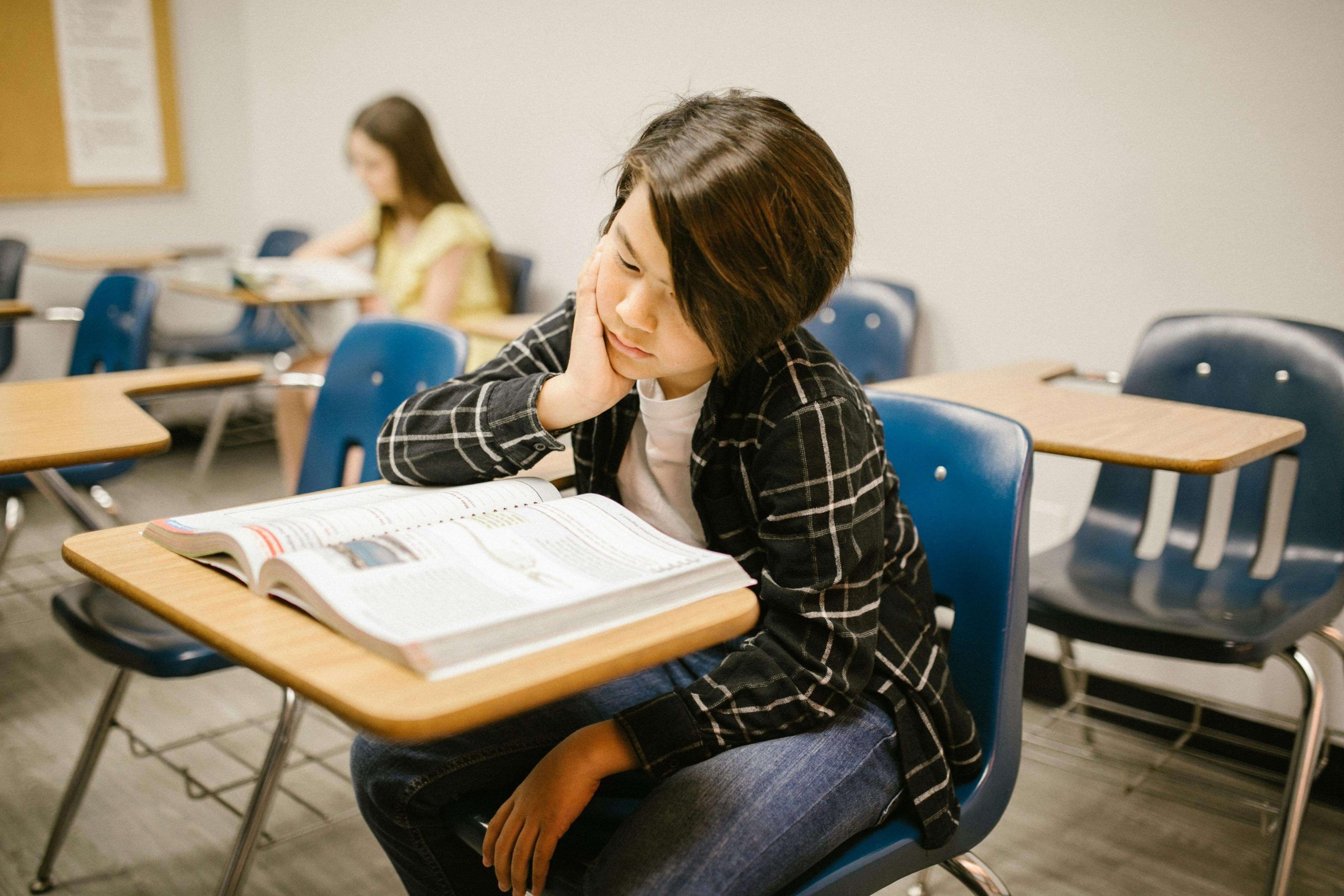
Instead, try focusing on ‘progress over perfection.’ Replace aiming for a straight-A report card with a celebration of the care and effort they put into a tough chapter, for instance. Or, late-night cramming – with a ‘soft goal’, like finishing homework early to watch a movie together. All in all, remind them that their value isn’t tied to a test score.
Note: More work doesn’t mean more learning. Current homework statistics show that for many students, the stress of a heavy workload actually causes their focus to drop.
What mistakes do parents often make when trying to help a burned-out child?
Trying to figure out how to get over burnout from school for your kid, you can make mistakes, and it’s absolutely fine! Let’s see what professional experts say in that regard.
“The biggest mistake parents make is treating burnout as a motivation problem rather than a nervous system collapse.”
Remember that burnout is a physical response to stress. Therefore, more discipline can make it only worse. Stop seeing it as a lack of effort, and rather provide emotional support.
“In my opinion and experience, it’s a mistake to try to ease kids’ burnout by adding more structure, reminders, or academic help.”
Once you stop and listen, once your kid feels heard, it’ll become much clearer for both of you what already proved ineffective and how you could fix it together.
“A common mistake is continuing to do the same things you were doing before.”
Conclusion
From the parents’ side, improving your kids’ sleep and physical exercises, as well as shifting some focus to hobbies and lighter expectations, should definitely help build the resilience they need for the road ahead. And yet another thing you can do for them is appeal for professional learning support that’ll ultimately make them far more confident in the classroom.
Book free lesson with Brighterly to help your child recharge their motivation and get prepared for the bigger academic challenges ahead with a smile.


Do you want to help your child learn to read and need resources that actually work? You’re in the right place. Reading is a key skill, and starting well really matters. As a teacher and educational platform reviewer, I’ll help you find the right phonics based reading programs – just what your child needs to […]

Feb 03, 2026

If you’re considering Beast Academy as your child’s math learning platform, then taking a look at Beast Academy reviews is the best way to understand if it’s the right fit. Current and past customers give the best insight into the platform, as they can tell us about their real experiences, both good and bad. In […]

Feb 03, 2026
Math & reading from 1st to 9th grade
Looking for homework support for your child?

Choose kid's grade

Math & Reading for Grades 1–9
Build real confidence for your child with a Brighterly math or reading tutor.