How to Develop a Character in 10 Steps: Kids’ Guide
reviewed by Franz Jerby Delos Santos
Updated on March 4, 2026
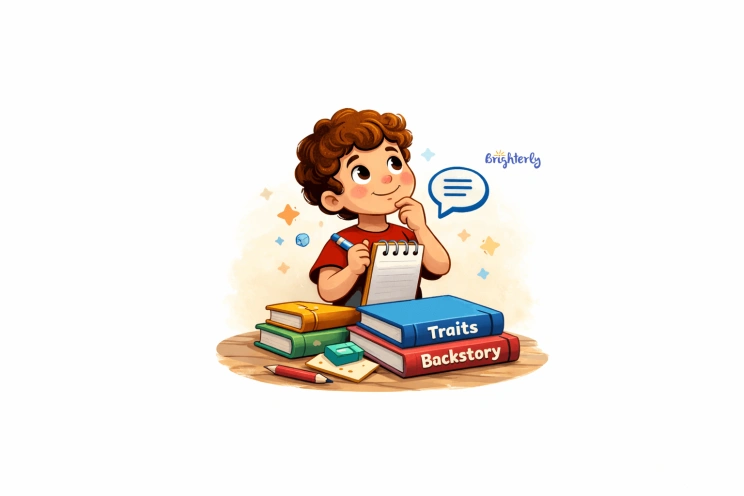
Learning how to develop a character turns simple ideas into unforgettable heroes. An engaging story is enhanced by strong characters. Study practical tips for building interesting fictional characters, along with a ready-to-use PDF template to help your child bring their ideas to life.
Key points
- Understanding the character’s motivations and inner thoughts is essential for creating a believable emotional connection.
- Observable actions, realistic dialogue, and specific physical details are the most effective character development techniques.
- By the end of the story, every strong character must achieve a specific objective and undergo a meaningful transformation or growth.
- Educational writing worksheets and 10 steps guide make it easier to organize ideas into memorable personas.
- Developing characters that are relatable requires a mix of unique skills and human weaknesses. It leads to internal conflict and necessary obstacles.
What are the 5 methods of character development?
- Physical description
- Actions and behavior
- Inner thoughts and feelings
- Reactions from other characters
- Speech and dialogue
Physical description
Focus on what makes the character unique rather than just how they look to make him or her stand out. Several examples follow:
- An ink-stained finger indicates a careless or creative attitude
- A bitten nail tells about anxiety or nervousness
- A pair of polished shoes indicates discipline or pressure
- A slouched posture indicates shyness or insecurity
By adding small details in creating characters they become truly alive. Characters with patched jackets may come from modest backgrounds. To simplify, readers can use their imagination by picking out a few special details about a fictional character. Rather than listing everything, look for traits that indicate who the person is on the inside.
Try to describe a character’s unmatched socks or ink-stained fingers instead of simply saying they are messy. In these small clues, the reader can guess whether the character is busy or forgetful. In other words, the goal is not just to fill the page with a long list of clothes and hair colors. You need to use the looks of a character to make the reader understand why they behave the way they do.


Actions and behavior
Instead of just using labels, show your character in action! As an example, a character comforting a crying friend shows their caring. The fact that they always blame others for mistakes may indicate insecurity on their part.

This approach makes sense for building a character. Characters seem real when they have the smallest habits, such as tapping their feet when they are nervous. When kids use actions, they can develop characters that readers can identify with and care about.
Inner thoughts and feelings
To write a great story, you have to peek inside a character’s head. Knowing their inner thoughts is the only way to understand why they do what they do. It helps kids connect a character’s private feelings to their public actions.
A character can even feel two things at once. They might be buzzing with excitement for a big adventure, but also feel a little knot of fear about leaving home. This mix of feelings makes them feel like a real, complex person instead of just a drawing on a page. When a reader knows these secrets, they start to cheer for the character even more. Sharing what a character thinks makes the whole story feel more logical and helps the character truly grow.
Reactions from other characters
Other people’s responses are one of the character creation tips as they show indirect characterization. Character behavior is influenced by social perceptions and reactions. When classmates cheer for a character, it implies popularity or leadership. A fictional character who is avoided or ignored suggests tension or conflict. In real life or in stories, parents can encourage their children to observe interactions. The reactions illustrate cause-and-effect as well: the actions of one character affect the actions of others.
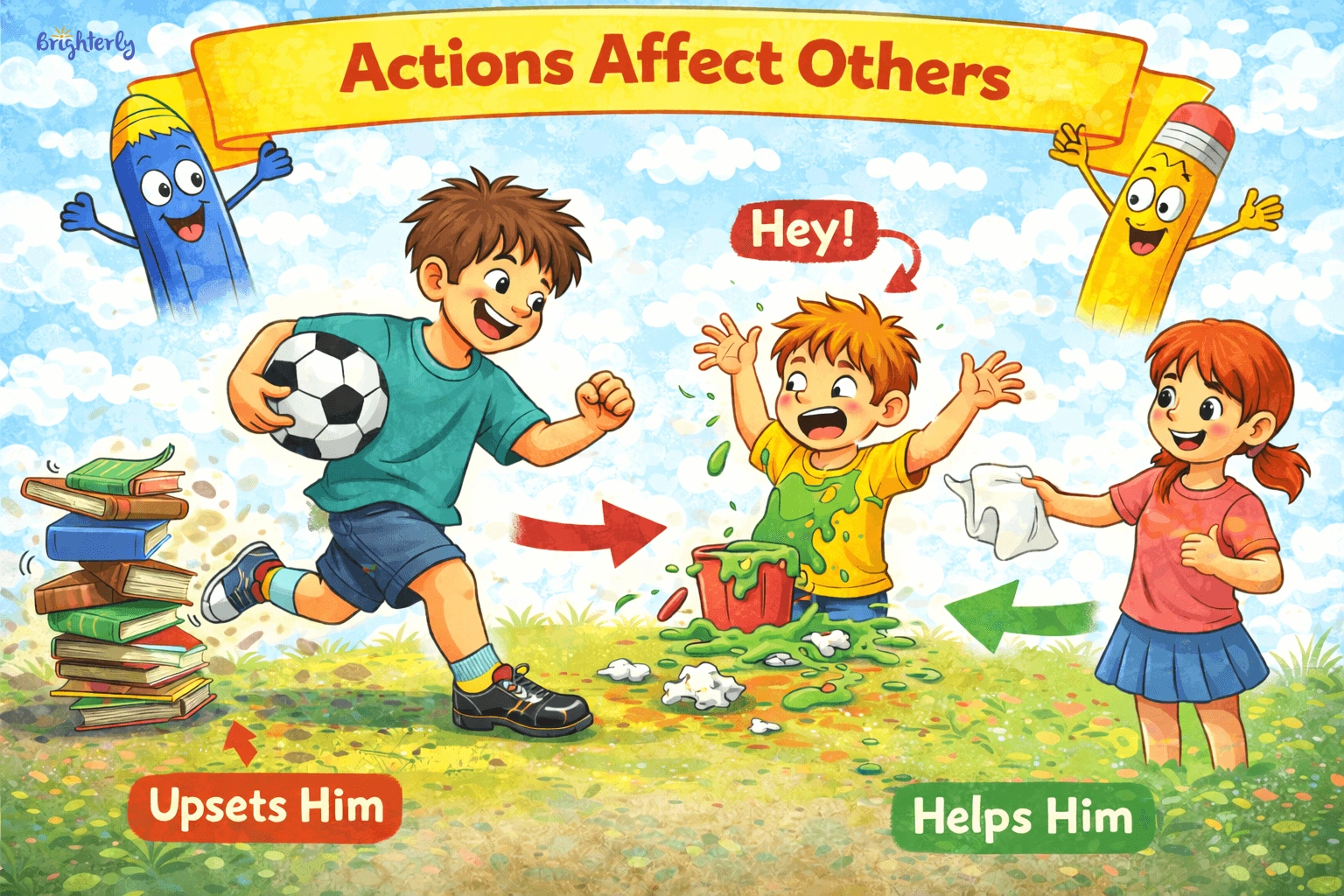
By using this method, children can better understand perspective. Brief interactions, like rolling your eyes with a friend, convey personality. With social feedback, you can add layers without spending a lot of time explaining them.
Speech and dialogue
A person’s speech reflects their personality, mood, and background. There are several ways to reveal traits through word choice, sentence length, and tone. It is possible for a character to demonstrate authority or caution by using formal language. The use of slang or casual language may indicate an individual’s age, cultural background, or comfort level. It is often a sign of anxiety when a sentence is short and hesitant. It is indicative of confidence or dominance when you interrupt or speak over others. In dialogue, traits should be shown rather than explained. By reading dialogue aloud, children are able to determine if it is realistic and flows naturally. A well-crafted dialogue also distinguishes characters. Using these character writing tips is one of the most effective ways of revealing identity in stories.
How Brighterly worksheets can help to develop a character
Brighterly math and reading learning platform provides resources for logical thinking and creative expression. These tools guide children to analyze behaviors and traits, turning abstract ideas into well-rounded story heroes.
The Brighterly writing program makes storytelling easy. The writing worksheets are a universal solution for building kids’ character step by step under a parent’s guidance.

If your child needs extra support, Brighterly professional writing tutors are ready to help them master every stage of the process.
Using a character building approach helps children see their protagonist as a real person with a past, present, and future.
How to develop characters in 10 steps? Guide for schoolers
- Define the character’s role in the story
- Pick basic details
- Identify core personality traits
- Give them a goal
- Understand motivation
- List strengths and skills
- Add weaknesses and flaws
- Introduce conflict
- Plan key decisions and actions
- Show growth or change
Define the character’s role in the story
It is important for every character to have a purpose. What kind of character is your child creating? Does your child have a hero, a sidekick, or even a villain? How much attention you devote to them depends on their role. The main character must have clear goals and grow, while secondary characters can be simpler but still consistent. The parents can ask themselves: Would the story be able to stand alone without them? In what way does this character have a problem? By defining the role first while creating a character, we prevent random traits and behaviors later on. It lays the foundation for everything else children will do in life. In addition to understanding storytelling logic, kids can also benefit from thinking about function.
Pick basic details
Let’s begin with a name, age, hometown, and family background. It may seem insignificant, but these facts have a huge impact on personality. There are differences between a character from a crowded city and one from a quiet village. Families should encourage their children to choose details that are relevant to the story.
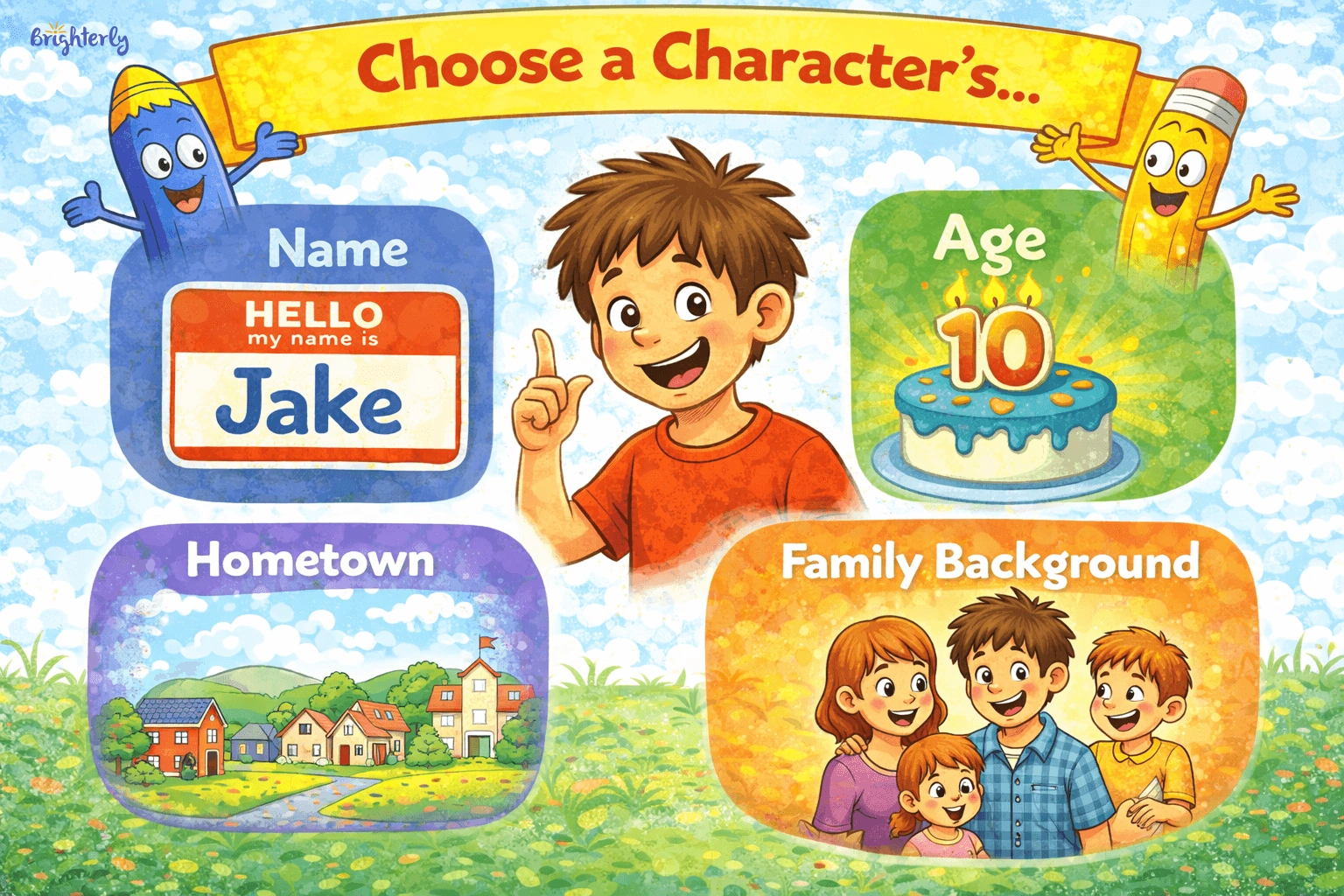
Growing up near the ocean, for example, might give a child an affinity for water or boats. Hobbies or pets may also hint at traits: for instance, a dog might suggest loyalty or responsibility. Relevance is more important than randomness. Keep your story relevant by following character development tips.
Identify core personality traits
How to develop a strong character by identifying traits? Instead of saying “She’s nice” or “He’s smart,” traits must appear in action. Limit them to 2-4 main traits. In this way character will feel focused. Instead of just telling the reader your character is brave, show it. He can volunteer for a scary job that no one else wants to do.
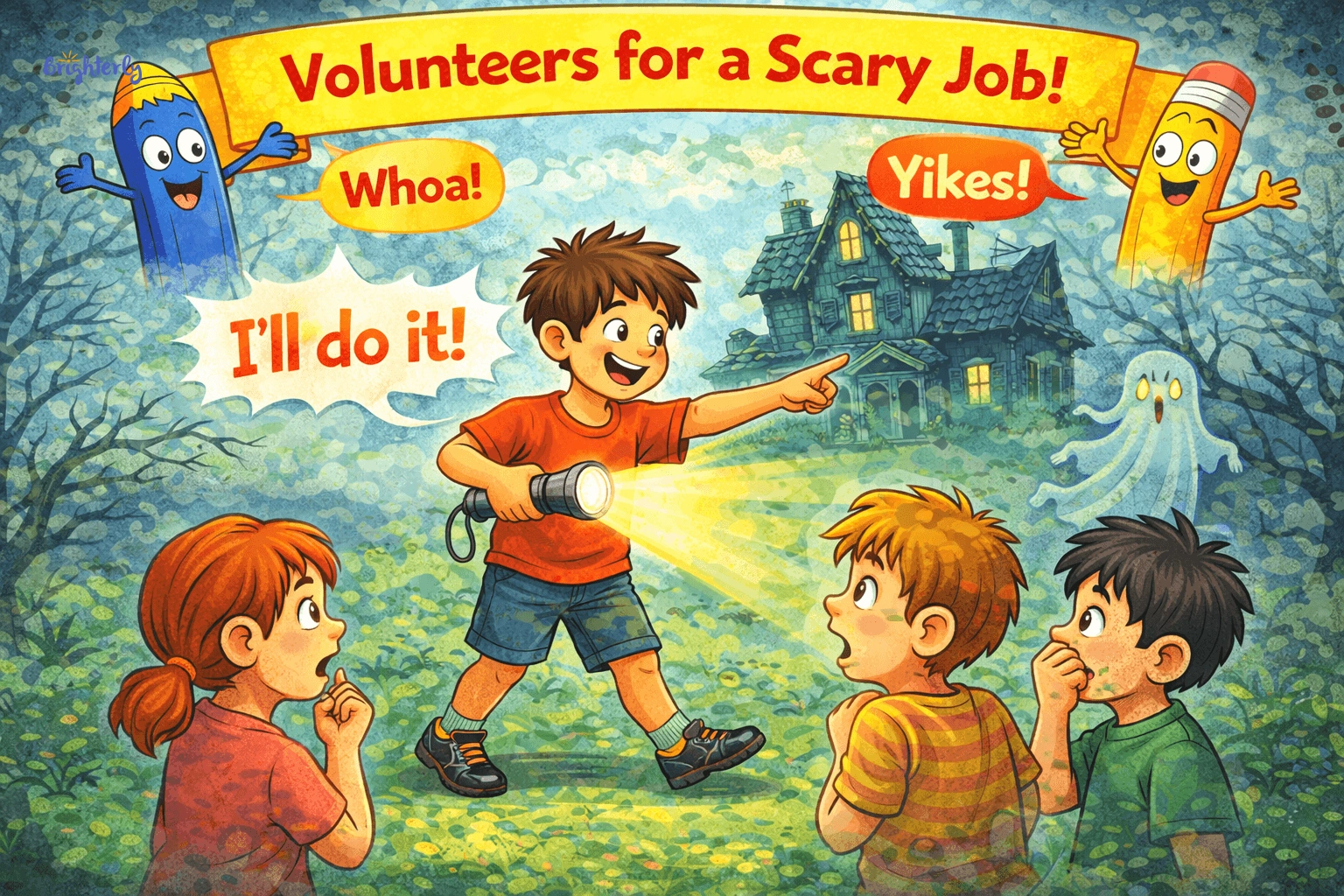
A character’s personality should guide everything they say and do. For example, if you decide a character is very shy, they shouldn’t suddenly start shouting and acting like a leader. Keeping their actions the same as their personality makes the story feel real. Clear traits make characters believable and memorable.
Give them a goal
Now you know how to develop a character personality, but what about goals? In character development, it’s important to give your characters something to pursue. It is essential for every great character to have a goal in order to keep the story moving forward. It is best for beginners to avoid big, vague concepts like “being happy” and instead concentrate on smaller, more specific goals, like “winning a race” or “finding a lost kitten.”
Parents can help by asking, “What happens if they don’t get what they want?” The reader becomes excited and wants to keep turning the pages. Giving your character a goal gives it a real purpose, allowing your child to determine what will happen next.
Understand motivation
A character’s motivation explains why they want to achieve their goal. If the reader doesn’t know why they are doing what they are doing, their actions are meaningless. It might be tempting for a child to win a race in order to impress their parents or to prove they are fast. By explaining this “why”, the story becomes more meaningful and the reader becomes more invested in its outcome.
Parents can ask, “What is your character hoping for, or what are they afraid of?” This helps explain the choices the character makes. It also shows more of their personality and helps your child imagine how other people feel. When we know the motivation, the character feels like a real person with a real heart.
List strengths and skills
Strengths show what the character can do. When learning how to make a character, it is helpful to list talents that will help them solve the problems they face in your plot. They can be physical (fast runner), intellectual (good at puzzles), or emotional (persistent). Parents should guide children to balance strengths with obstacles.
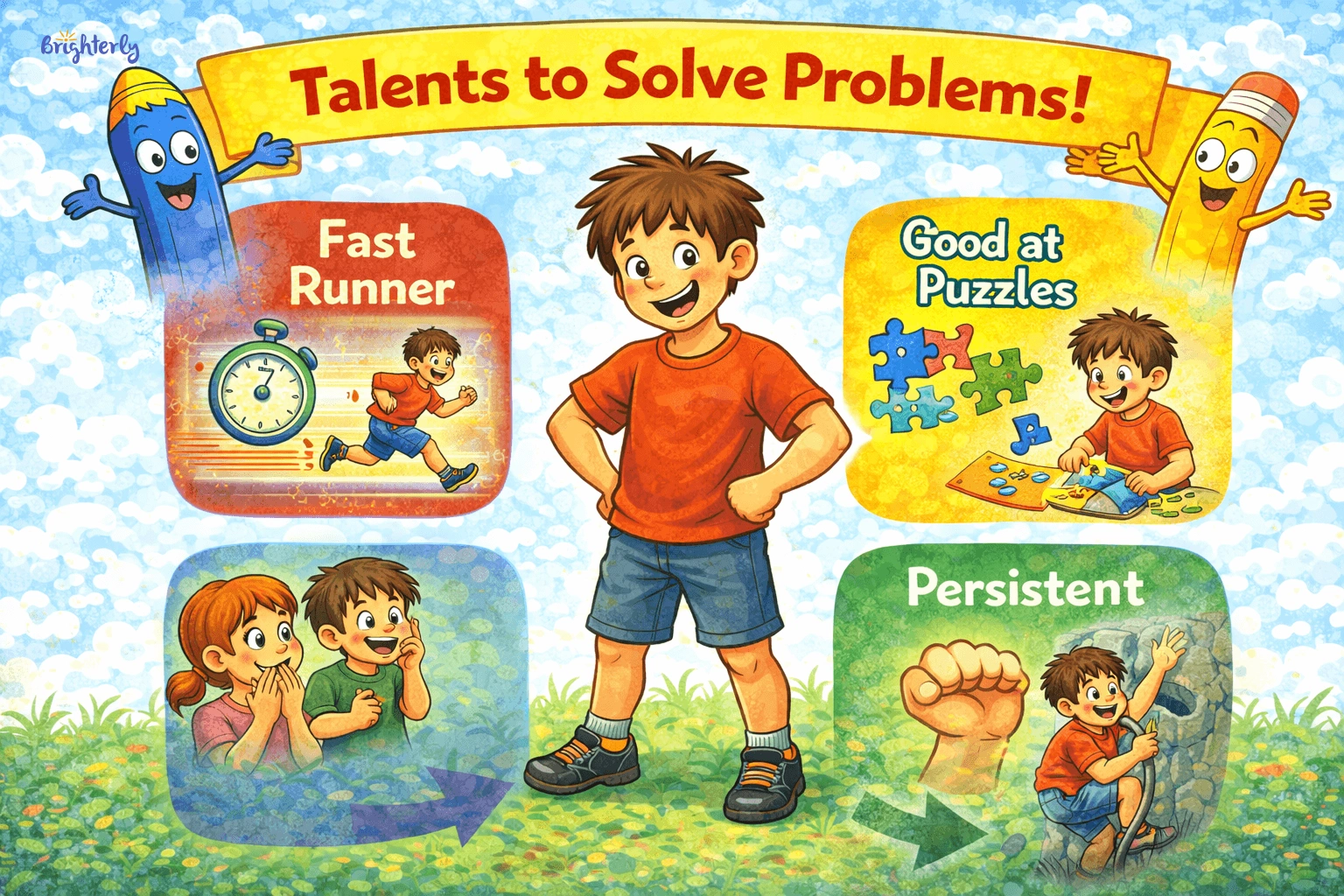
A character who is perfect at everything has no tension. Strengths should support the story without removing the challenge. When children understand this, they make decisions about how to write a character.
Add weaknesses and flaws
A character’s flaws are what make character human. They also cause internal conflict within the organization in addition to creating obstacles. It is not uncommon for characters to be impatient, too trusting, or shy. In order to help their children grow, parents need to explain that flaws aren’t bad, but rather opportunities for learning. A well-timed weakness can influence decisions and interactions. When a character is shy, he or she may fail to offer assistance, creating tension in the situation. In character development, the combination of strengths and weaknesses creates a balanced, relatable persona. Additionally, kids learn that no one is perfect, which is a valuable lesson for life.
Plan key decisions and actions
How to write characters is defined by choices. It’s important to know what difficult decisions a character must make. What risks does he take? Parents can guide children to focus on actions that reveal personality, as learning how to improve creative writing skills often starts with making characters drive the plot. Decisions should follow traits, motivation, and conflict logically. This step turns a character from passive to active that important for storytelling.
Introduce conflict
Conflict is what drives the story. External conflict comes from events or other characters, like a rival in a competition. Internal conflict comes from fear, doubt, or moral choices. Parents can help children brainstorm obstacles that match the character’s traits. Combining internal and external conflict deepens the story. Conflict encourages decision-making, which shows character. Without tension, the story feels flat. Teaching kids this step ensures their character has challenges to overcome.
Show growth or change
Think of your character like a seed that grows into a tree. At the start of the story, they might be small or scared. By the end, they’ve changed. This change is called a character arc.
Growth doesn’t always mean the character “wins” a trophy. Sometimes, it just means they learned something new. Maybe they are braver now. Or maybe they finally learned how to be a good friend.
How to show growth
- The “Then vs. Now” trick: Put your character’s first scene next to their last scene. What’s different? If they were shy at the start, show them speaking up at the end.
- Lessons learned: Ask yourself, “What does my character know now that they didn’t know on page one?”
- Real feelings: Stories feel real when characters struggle. They might fail, but they get back up. That resilience is what makes a story satisfying.
Tips for character development: A checklist to keep in mind
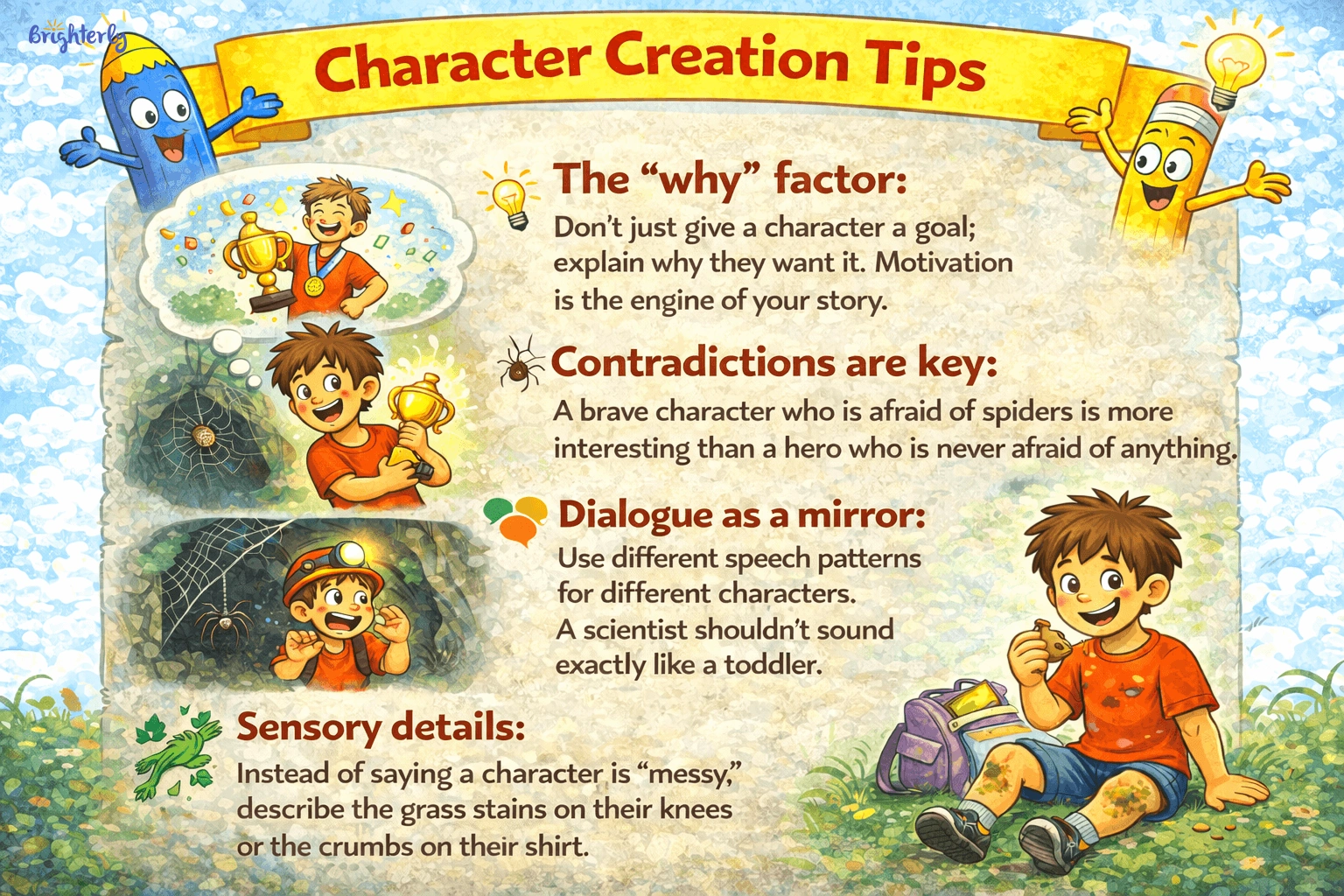
To make your character truly come to life, it helps to move beyond basic facts and delve into what makes them human. You can find 10 best tools for kids’ creative writing and use the essential tips for writing characters.
To help double-check that your hero has enough depth to keep the reader interested until the very last page, kids can also use this character building template checklist in a PDF to create a character profile!
Conclusion
Developing a character that is strong requires more than imagination. The most effective way for children to learn how to write a good character is when the steps are clear and structured. A 10-step guide breaks down roles, traits, goals, motivation, conflict, and growth into manageable chunks.
A child can transform a simple idea into a character that thinks, makes decisions, faces challenges, and changes as they grow. Whenever they are encouraged to revise and reflect on characters, their choices matter – from appearance to actions.
If your children need help with making a character and ideas, book free lesson with Brighterly tutors.


If you are looking to see if Monarch Homeshool is the right choice for you, the Monarch Homeschool reviews are a great way to get a glimpse into how the platform works. In this article, we take a deep dive into the reviews available online for the homeschooling program, including its online curriculum, costs, pros […]

Mar 03, 2026

When a child starts writing, their letters and words don’t always look like we expect. The road to correct spelling isn’t perfect. Kids try things out, make mistakes, and come up with their own ways to write, and that’s exactly how they learn. All they really need is a bit of your attention and support. […]

Mar 03, 2026
Math & reading from 1st to 9th grade
Looking for homework support for your child?

Choose kid's grade

Math & Reading for Grades 1–9
Build real confidence for your child with a Brighterly math or reading tutor.