How to Improve Automaticity in Reading: 9 Pro Tips
reviewed by Laila A. Lico
Updated on December 1, 2025
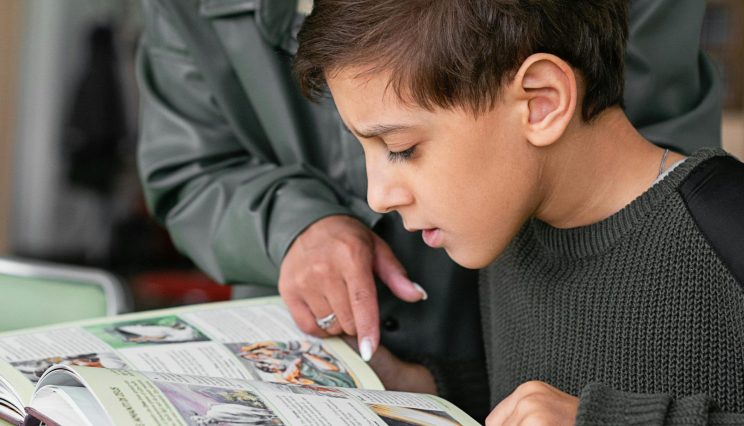
Does your child spend a whole minute reading one sentence? Do they stop every time they see a new word, only to lose the meaning of the text? First of all, this is okay. It is still something you should work on, though. One skill can really help with this – automaticity in reading.
I teach reading, so here’s my answer to the question “How to improve automaticity in reading?”
Key points
- Automaticity reading matters because it teaches children not to waste energy decoding each word. Instead, they can focus on meaning, tone, and understanding the text.
-
Integrating phonics review, practicing with decodable texts, undertaking sequential mixing, and building vocabulary are all methodologies that help fix the skills that block smooth reading.
-
Timed reading drills help kids read faster and with more confidence.
- If your child needs extra support, Brighterly’s reading tutors can help them work with texts more confidently and effectively.
What is automaticity in reading?
Automaticity in reading refers to a child’s ability to recognize words quickly, easily, and without having to consciously decode them. It’s a key skill for becoming a fluent, confident reader.
In practice, the definition of automaticity in reading refers to the immediate processing of words by the kid’s brain. Thus, they don’t need to put in extra effort to sound out each word. And because of that, their mind has more energy to focus on what really matters: understanding the text.
In short:
Automaticity = fast + accurate + effortless word recognition.
Who can benefit from reading automaticity?
Kids of all ages can benefit from reading automaticity. Younger kids also need to recognize letters, words, and phrases automatically. Yes, the very question about automatic reading mostly affects kids in grades 2-7, those who can read but aren’t very confident yet.
Top 9 automaticity in reading strategies to try
- Working with a tutor
- Using worksheets
- Rereading words, sentences, and texts
- Practicing with decodable texts
- Trying sequential mixing exercises
- Reviewing phonics regularly
- Building vocabulary intentionally
- Using paired or echo reading
- Doing timed reading drills
Working with a tutor
Best for: kids struggling with reading and need personal support
Let’s start with the basics. Reading well is a super important skill. It helps your child succeed in many school subjects and in everyday life. But if you really want to improve the automaticity in reading fluency of your kid, consider getting a tutor.
That’s because a professional can teach your child properly and without stress. They will show how to do things step by step and provide hands-on practice. Plus, such a tutor will notice every detail, track your child’s progress, and correct mistakes. This creates a strong foundation.
How can Brighterly teachers help you?
If you want to find a true professional, here’s a personal recommendation for you – check out the Brighterly math and reading platform. It teaches kids from grades 1 to 9 what does automaticity mean in reading, how to work with text, and learn, using simple strategies.
The teachers there are carefully selected. Thus, they know how to work with children who have trouble focusing. That’s why every lesson is designed to be interesting – with animations, interactive games, and constant interaction. The lesson is just the teacher and your child, so all the attention is on them.
Plus, the program and all lessons are personalized to a specific level, skills, and challenges. During the learning process, you’ll get reports and progress tracking from the teacher, and you can see exactly how your child is mastering the material.
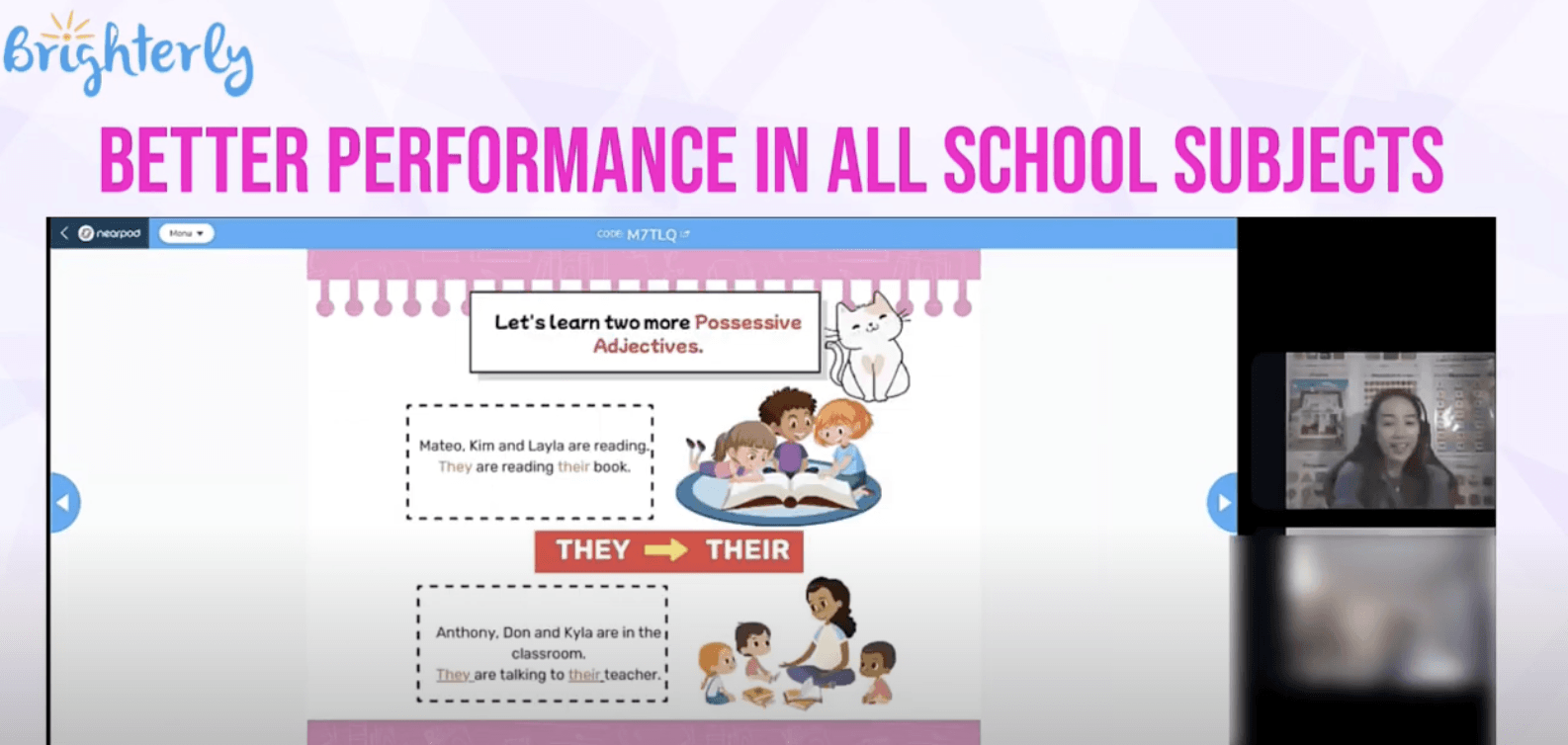
You should also be aware that the Brighterly reading program follows American educational standards, so your child will improve their school results while learning.


How to improve automaticity in reading PDF using special worksheets
Best for: kids who prioritize interactive practice
Practice is key to success, and worksheets are perfect for daily training. They are composed of structured exercises that gradually help kids practice decoding, reading words faster, and understanding longer texts. Worksheets also strengthen phonemic awareness and expand vocabulary. Plus, doing these tasks teaches kids focus and patience. Teachers also use worksheets extensively when providing new and old materials for students.
How to use Brighterly worksheets for home practice?
By the way, Brighterly creates its own reading worksheets and provides them for free. You can simply go to the website, choose your child’s grade, and get some sheets to work at home. I can say the worksheets are professionally made, colorful, not too long, and really help kids dive deeper into each topic.
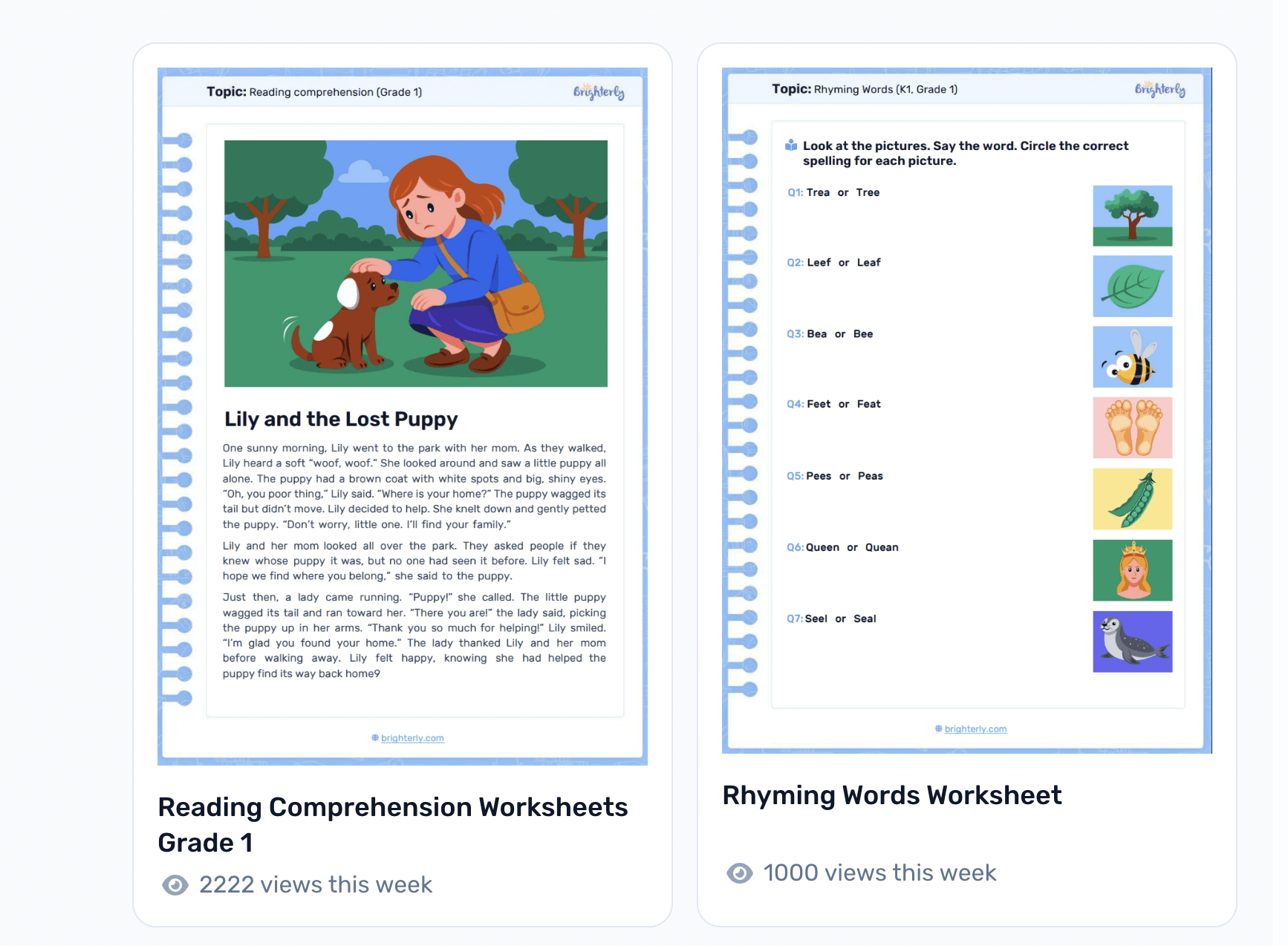
Moreover, on the Brighterly website, you can find free reading tests. They let you check your child’s strengths and weaknesses in reading, so you’ll know which areas need more practice.
Rereading words, sentences, and texts
Best for: everyone
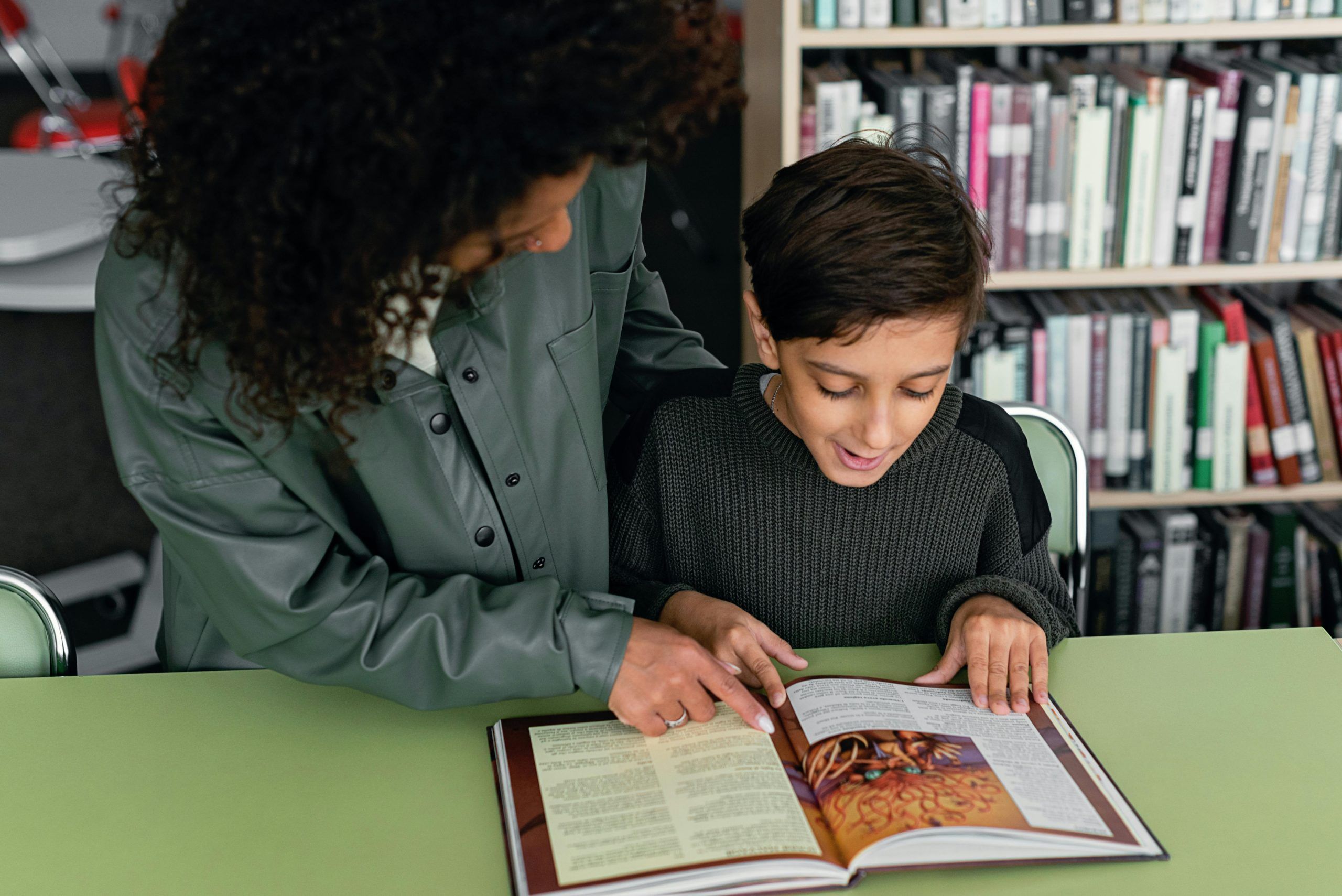
From my experience, a child usually needs to see the same word 5-10 times to recognize it and then practice reading with automaticity. Some of the struggling students might need 20+ repetitions. But it definitely works! Discipline and regular practice are key.
The main point: reading and re-reading the same words, sentences, or texts is the foundation. Without it, automatic reading won’t happen.
How to practice rereading?
- First, choose a list of words or a short text that matches your child’s level.
- Read each word or sentence out loud 5-10 times per day, with short breaks.
- Keep each session just a few minutes.
Note: Make practice fun! Have your child read the sentence loud, then soft – like on stage, a robot, or a silly character.
Practicing with decodable texts
Best for: children still mastering letter-sound patterns

Decodable texts are really important. They are made so a child can “sound out” the next word because it’s simple and predictable. This helps kids recognize words quickly, define automaticity in reading, and strengthen decoding skills for new words.
Here’s just one decodable text example:
The cat sat on the mat.
The hat was red.
The cat ran to the bat.
Pat saw the cat and ran to help.
How to use decodable texts
- Pick a text that fits your child’s level and read together: Show the word and say each sound: c-a-t = cat. Let your child repeat aloud.
- Reread: Have your child read the text alone a few times. Repeat for several days. This helps with automaticity in reading definition by making word recognition faster and easier
- Do an extra work with text: Highlight syllables, trace words with a finger, or give small tasks like “Find the word that ends with ‘at’.”
Undertake sequential mixing exercises
Best for: practicing focus and automatic reading
It’s my favorite practice for building automatic reading, as it helps kids recognize words even if some letters are missing or changed. The idea is simple: you take away one or more letters from a word, and the child has to guess the word using their phonics knowledge. Or they can guess a missing word from the context of the whole sentence. This trains focus, prediction skills and automatic word recognition.
What is reading automaticity with sequential mixing?
Choose any of these exercises to start out with sequential mixing:
- Missing letter: Show your kid a word with a missing letter. The child needs to fill in the letter and read the word. For example:
- b__k → book
- school → s_oo_ → school
- I like the dog → I l_ke the d_g → I like the dog
- Word pairs: Present two words that share some of the same letters. The child compares the pair, identifies which letters are the same and which are different, and then reads both words.
- cat — hat
- pin — pan
- bed — bad
- Unscramble the word: The letters of a word are mixed up, and the child needs to put them in the correct order and read the word.
- bright → thgibr → bright
- jump → pmuj → jump
- clap → aplc → clap
Note: You can also add a time limit. For example, give your child 40 seconds to finish one exercise. Or ask them to read as many words as possible in one minute.
How to improve automaticity in reading by reviewing phonics regularly?
Best for: kids who sometimes mix up sounds
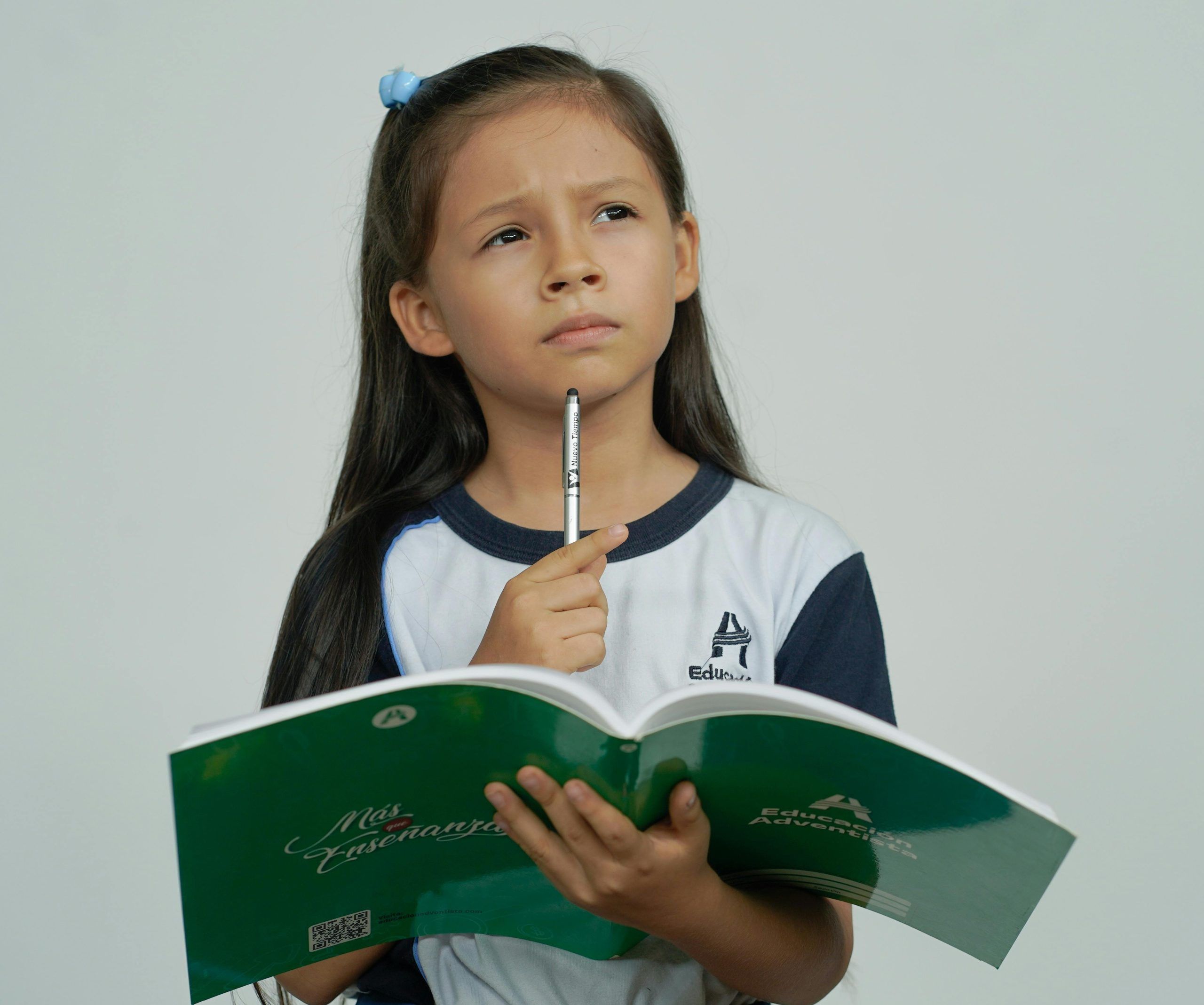
Reviewing phonics rules and doing phonics exercises also improves automatic reading and language in general. With the strong command of this language area, the child won’t get stuck on any letter combination because they’ll know how each one sounds. If this becomes automatic, the brain reads text easily. The result is accurate and fast reading.
How to practice phonics at home?
- Choose a set of phonics rules: single letters, two-letter combinations (sh, ch, th), or trickier patterns (igh, oa).
- Do short exercises, 5-10 minutes a day:
-
- Have your child read words with the target sound or combination.
- Ask them to say the words out loud, emphasizing each sound.
Building vocabulary intentionally
Best for: improving automaticity reading with word recognition
To help your child recognize words faster and understand their meaning, it’s important to introduce new words in context and through associations. Synonym sets are perfect for this purpose. For example, take note on these ones:
- fast → quick, speedy, rapid
- slow → sluggish, unhurried, leisurely
- big → large, huge, enormous
How to build vocabulary and boost reading automaticity?
- Highlight new words that appear often in texts, stories, or textbooks. Words that are repeated often – the child keeps them in memory.
- List synonyms for each word and explain the differences. Then practice using them regularly!
Using paired or echo reading
Best for: kids who struggle with reading clearly and with expression

The easiest way to help a child read expressively is to show them how, not just tell them. Read together with your child – clearly, with feeling and proper intonation. The child will copy you, and each time they read, they’ll get better. A strong example becomes their inspiration!
Here is the instruction on how to use echo reading in practice
- Choose a text at your child’s level. You read it first while your child listens.
- Focus on rhythm, intonation, punctuation, stress, and word pronunciation.
- Next, have your child read the text aloud.
Doing timed reading drills
Best for: advanced readers who need to practice reading speed
Once your child has worked through all the tricky spots, you can start practicing speed and automaticity in reading fluency. If you’re on this stage, you can use a timer to see how many words your child can read in a minute, or how long it takes them to read a short passage. But remember! Reading quality comes second because, first, words should be clear, correct, and properly intoned and stressed. Your child also needs to understand what they read, so check comprehension too.
Note: You can make it fun by reading “records.” For example, if your child reads a paragraph in 3 minutes the first time, challenge them to beat their own record next time. It adds excitement!
Why is automaticity important in reading?
Automaticity in reading is important because once they become automatic, your child doesn’t have to spend extra energy decoding each word or phrase.
It’s basically the automaticity definition in reading. Then, they can focus on more important things – like understanding the text, analyzing what they read, intonation, and doing it naturally. With this skill, it’s easier to work through larger material bulks. By contrast, without it, reading can feel like torture, and understanding the text takes much longer.
Automaticity in reading examples: How to tell if your child reads automatically
- The child reads simple sentences without pausing between words.
- Their eyes don’t go back when reading familiar words.
- The child reads a list of sight words quickly.
- The student can understand the meaning while reading a text.
- Familiar words are read confidently, even in new sentences.
- The child reads aloud with a smooth, steady pace.
- The student can read a short passage without getting tired after a few sentences.
Сonclusion: How to improve automaticity in reading?
So, dear parents, you see, automaticity in reading is a skill that can and should be practiced. Yes, it takes patience, but the results are worth it! The right strategies will help, and I hope my article has been useful as well. You can practice this skill at home with your child on your own. But if you don’t have time, or you’re worried about doing it correctly, it’s best to trust the child to professionals.
As I already mentioned, the Brighterly reading program is a great helper in this process. The teachers know how to guide your child to the desired result – they will be patient and supportive. Their teaching includes:
- a personalized program
- individual and interactive lessons
- progress tracking
If you’re unsure what your child needs, I’d recommend you to Book free reading lesson from Brighterly. After that, you’ll be able to confidently decide where to invest!


There are hundreds of Generation Genius reviews out there. But you don’t need to browse them all. I did it for you. And in this article, I’m going to share what users think about its methodology, effectiveness, customer support, and pricing. Key points Features: 8/10. Its videos are engaging, resources are helpful, and lessons are […]

Dec 01, 2025

Are you comparing Singapore Math vs Russian Math vs Brighterly? Choosing the right platform can be quite difficult — I’ve got you! I’m an experienced tutor, and today I will help you explore what each platform has to offer and what would be the best choice for your little one. Key points Singapore Math is […]

Dec 01, 2025
Math & reading from 1st to 9th grade
Looking for homework support for your child?

Choose kid's grade

Math & Reading for Grades 1–9
Build real confidence for your child with a Brighterly math or reading tutor.