How to Teach Greater Than and Less Than? 8 Best Ways
reviewed by Jessica Kaminski
Updated on January 18, 2026
Recognizing the meaning and difference between < and > feels natural to adults, but for kids, you need to know exactly how to teach greater than and less than. As a parent and math tutor with several years of practice myself, I’ll show you 8 different ways so you can choose the one that suits your needs best.
Key points:
- Kids get a basic understanding of what “more” and “less” mean in kindergarten, then start studying their signs and ideas in grade 1, and turn that knowledge into a skill in grade 2.
- The top ways how to teach greater than and less than signs depend on the kid’s age, among other factors: younger kids need more visuals and real-life examples, while older ones will benefit more from a dedicated worksheet-based practice.
- As math tutoring is the best-suited teaching method for kids of all ages, Brighterly offers this service for highly affordable rates and at an expert level.
What grade do you learn greater than less than?
Usually, either kindergarten or grades 1 and 2 is the public/private school grades when students learn what is the rule for greater than and less than. Still, most commonly, learning the signs and their meanings happens at grade one.
Here is how it works:
- Kindergarten: Kids meet the ideas of “more” and “less,” and may occasionally see the < and > signs.
- First grade: Students learn “greater than” and “less than” and practice this knowledge in connection with < and > signs.
- Second grade and older: Kids reinforce their knowledge through regular practice and apply the symbols for larger numbers and in other areas of study.
How does greater than less than work
During the greater than less than for first grade classes, kids learn this logic behind the signs:
- a > b and a < b are the statements that demonstrate comparing two values, as to which is larger and which is smaller
- The < and > symbols always appear between the numbers and should be read left to right, like a sentence or a number line
- a > b means that the first number is greater than the second
- a < b means that the first number is greater than the second
Although relatively simple in theory, these concepts create big confusion in kids in practice. That’s normal — but let’s see what exactly parents can do to help them overcome this struggle.
8 ways to teach greater than and less than
- With a professional math tutor
- With worksheets
- Using physical objects
- Studying real-life examples
- Practicing with a number line
- Avoiding symbols in the beginning
- Utilizing read-aloud stories
- Using both reasoning and mnemonics
Learn greater than and less than with a professional math tutor
Getting a professional, private math tutor is among the best tools for teaching less than greater than signs. This is because expert-driven math tutors apply the most relevant techniques to each kid, making learning effective and engaging.
On online services like Brighterly math and reading platform, you can find a math tutor who can explain the concept of greater than and less than to your kid and support their math growth in all the other areas they need support.
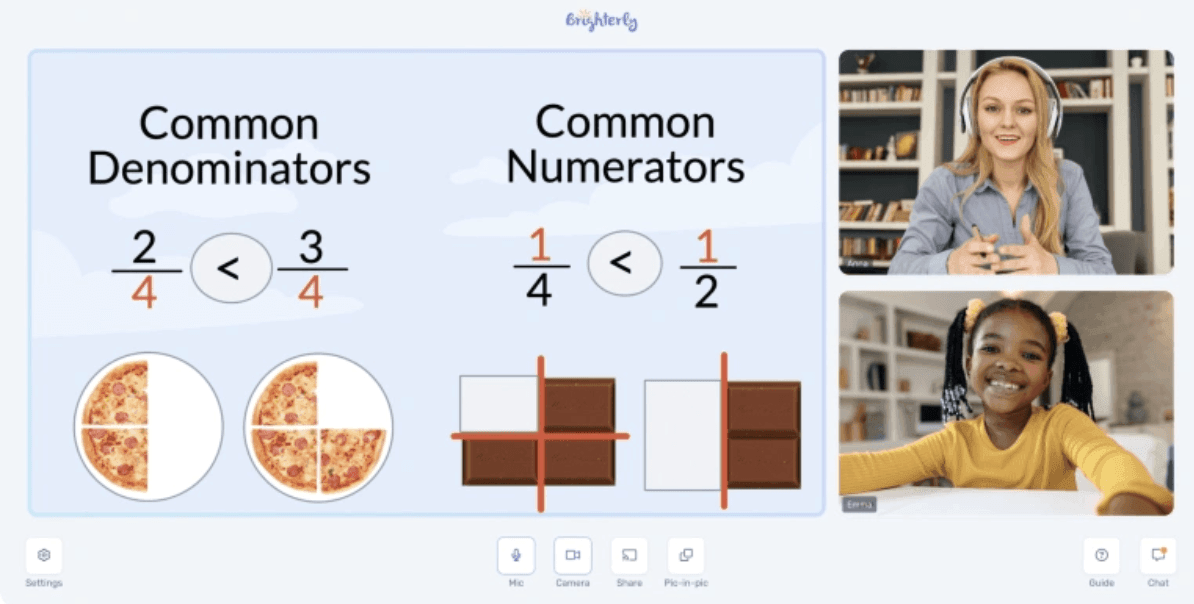
How a tutor helps your child understand greater vs. less
In contrast to group collaboration or individual work, working with math tutors under a personalized greater than less than lesson plan helps to address this exact math problem of your kid. In this regard, Brighterly tutoring service relies on a hands-on, gamified, and customized approach in full compliance with United States state standard requirements.
Teaching greater than and less than through hands-on experiences
Hands-on experiences always enrich a math class, as kids feel less stressed working with abstract concepts by relying on physical objects they play with every day. They see concrete ways of applying the greater than less than concept in everyday life, feel a stronger connection with math, and are more likely to improve comprehension and memory.
For kindergarten: teach comparing numbers through games
Games are among the most fun ways to teach greater than and less than. They help introduce the seemingly complex math subjects in a way that doesn’t overwhelm kids. And once curated by a math tutor, the game will remain educational rather than just for entertainment with no practical outcomes.
The game-based approach is especially effective for kids with anxiety as a whole, as it reduces fear and boosts retention.
Teach < and > with a personalized learning plan
As the greater-than/less-than concept is linked to many other math concepts, the personalized learning plan is the way to boost math understanding in general, not just in a given topic. In addition, this systematic approach can help deepen understanding of < and > subject too, as personalized plans support deep understanding and retention of math concepts.
Well-designed and individualized programs are usually expensive, as the minimum tutoring rate in the U.S. is high. But your kid can study under the Brighterly math program for an affordable price starting from $17.3 per lesson.


Strategies to teach greater than and less than with worksheets
Worksheets are a great alternative to teaching greater than and less than concepts. Though more demanding in terms of effort than games or real-life scenarios, they are highly effective at helping new knowledge stick with students. This way, it can become an automatic habit instead of an unstable piece of knowledge they doubt from time to time.
Free printable greater than/less than worksheets (PDF) from Brighterly
Brighterly offers greater than less than worksheets PDF format for free so that every kid can practice these concepts at any time, from the comfort of their homes, and at their own pace.
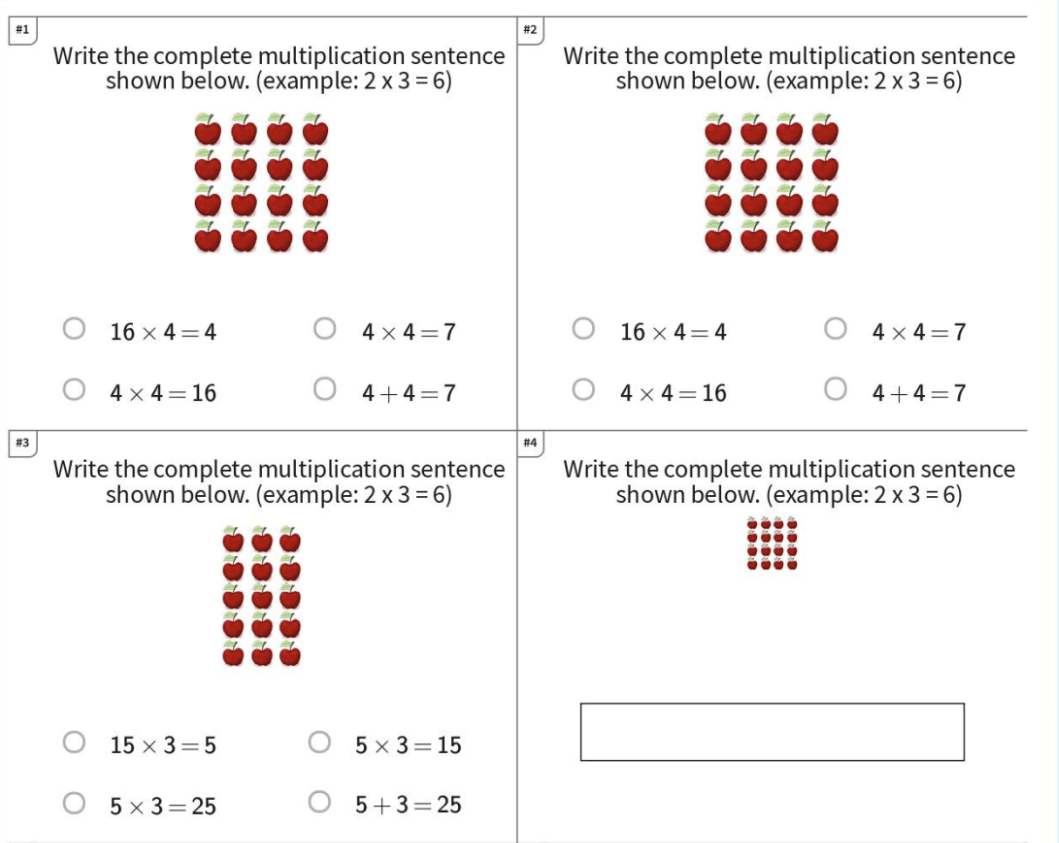
These worksheets are part of the huge library from Brighterly, with a wide range of free reading and math worksheets. Feel free to browse more topics (like statistics and percent- or unit-related exercises) for dedicated practice with your kid!
Practical worksheet tips: How to teach greater vs. less
- Make worksheet practice short but regular — not to overwhelm kids, but practice enough to learn the skill.
- Don’t rush; let your kid feel comfortable doing exercises.
- Once finished, let your kid check their answers with an answer key at the end of the worksheet and self-correct if needed.
Why worksheets work for learning greater and less
Containing various comparing numbers activities, worksheets help kids turn the knowledge into a skill. As practice makes perfect, these tools are the most effective for kids from the second grade to deal with greater and lesser within milliseconds.
Teach greater than and less than using physical objects
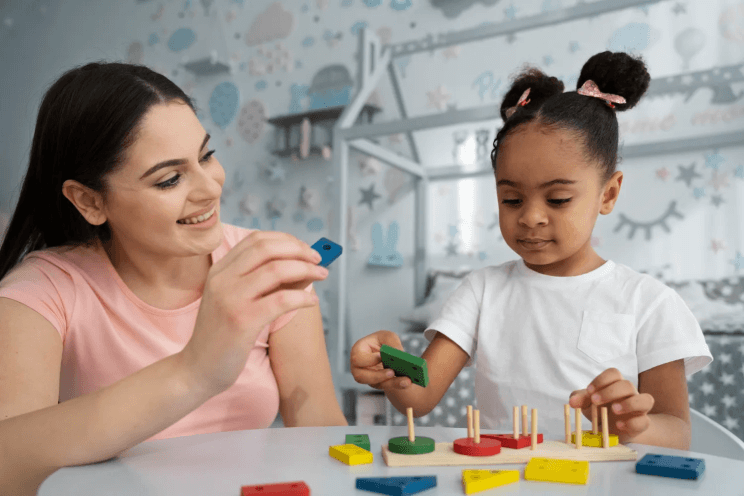
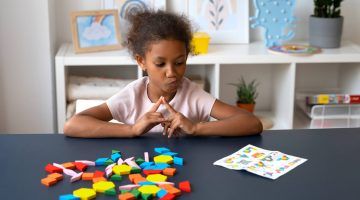
While worksheets work great for older kids, teaching abstract concepts without real-life references will not suit younger students. That’s why physical objects like blocks or apples are perfect assistants to compare numbers greater than less than and internalize these concepts. This tool makes learning hands-on and ideas easier to understand.
Physical-object activities: Practical tips
- Use the child’s favorite objects (toys, cookies, etc.)
- Take some and ask your child to compare the two groups
- Once they gain confidence, let children move and assemble objects by themselves
- Practice daily
Benefits of learning with physical objects
- Abstract concepts become easier
- Engages visual and kinesthetic learners
- Makes learning fun
Teach less than and greater than with real-life examples
Incorporating greater than less than examples from real life is a great method to both show kids the math-related importance of what they do and connect abstract concepts with concrete, mundane actions. Also, it’s a great way to make learning more fun and interactive — children of all ages appreciate these teaching methods much more than lecturing and abstract thinking.
Practical tips: Real-life ways to explain greater vs. less
- Use daily comparisons (Who has more Brussels sprouts — daddy or you?)
- Count cars while driving (Let’s count white cars and see who counts more!)
- Count and compare items while shopping
Benefits of learning comparisons through real-life examples
- Make learning meaningful and practical
- Help to understand complex concepts through everyday tasks
Practice greater than and less than with a number line
Number lines are a wonderful tool to visually understand which numbers are bigger or smaller. As all the comparisons in < and > math sentences are based on the number meaning, with the greater than less than number line, kids can easily internalize the concept by checking their position on it.
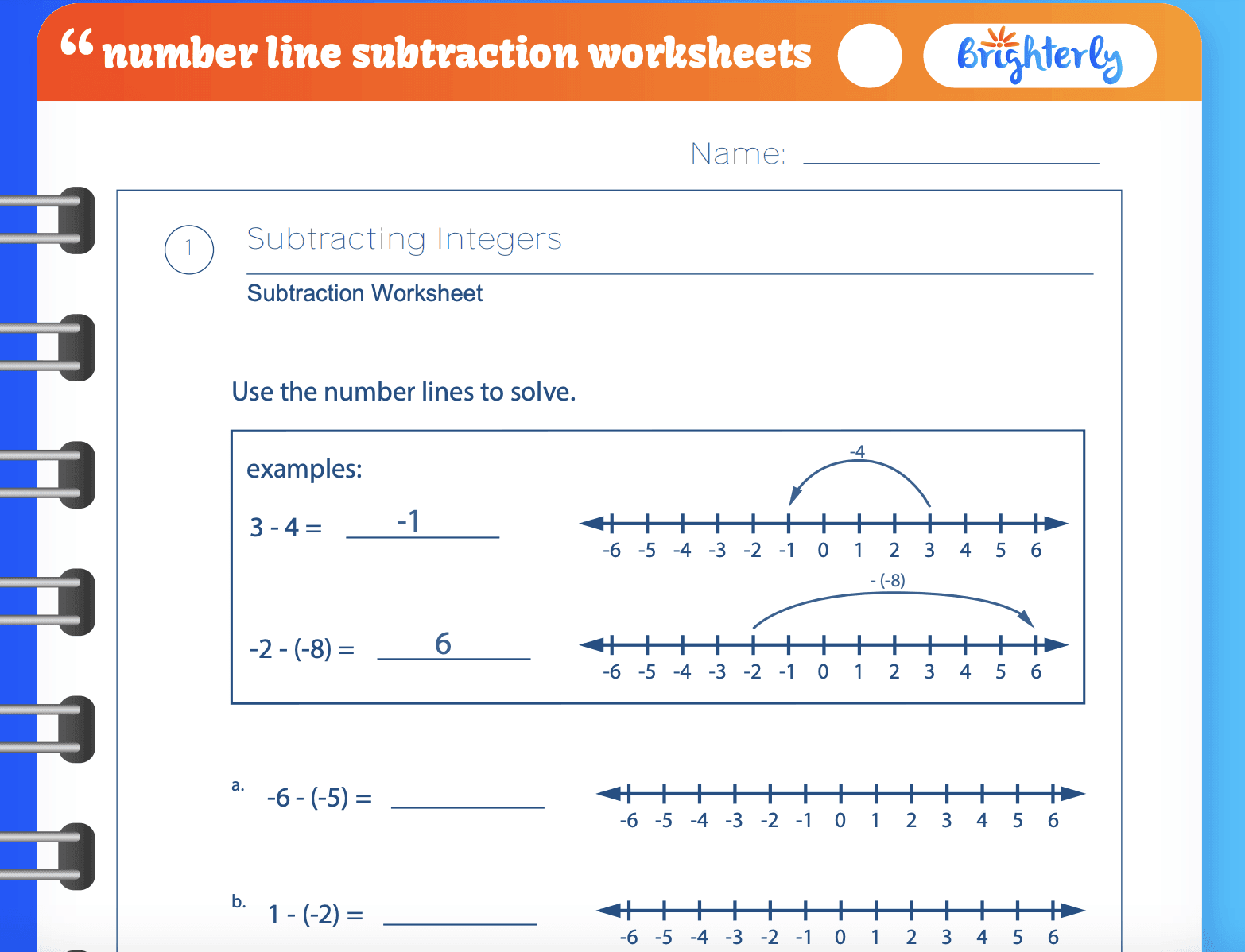
How to use a number line to teach < and >
- Draw a number line on the floor by hand so kids can physically stand on numbers
- Start from one to ten only to make it easier
- Add signs (<, >) to internalize the symbols
Benefits of number-line practice for greater vs. less
- Provides visual reinforcement
- Improves order and number sequencing
- Shows the connection between greater/less connection and the number meaning
Teach the concept without symbols at first
If you ask me how to teach greater than and less than sings with symbols, I’d say that the most comfortable way for kids is to avoid them initially! That’s why these symbols are taught only in grade one, while kindergarten kids just learn the concept ideas.
Although all the kids are natural learners, concepts with an unfamiliar meaning, like signs and symbols, can confuse them if introduced too early. Here’s what to do instead.
Practical tips: Start with “more/less” before < and >
- Use words (for example, 5 is greater than 3)
- Use your fingers to show numbers, as it’s always better to connect abstract things with real-life objects for youngsters
- When kids are ready, incorporate symbols as a shortcut for greater than and less than
Benefits of delaying symbols when introducing comparisons
- Makes learning less intimidating
- Reinforces math thinking through everyday language
- Introduces complex math concepts in a steady and gentle way for young learners
👀 Signs and symbols can be the hardest thing for younger kids, but now you’re fully equipped to teach greater than and less than signs.
Teach greater than and less than with read-aloud stories
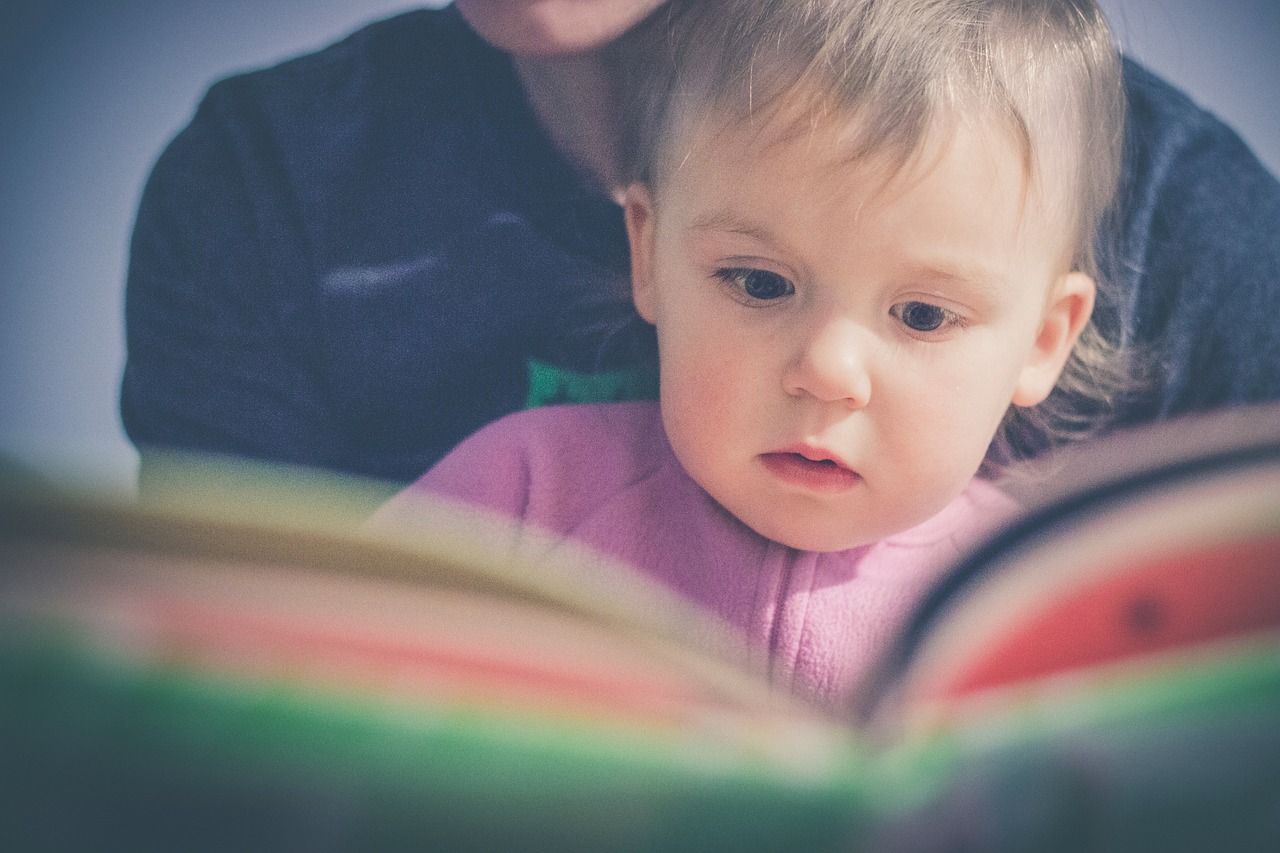
Reading stories is a fun and engaging way how to teach greater than and less than signs. As most stories contain an interesting, reliable character, kids can easily connect with them, and perceive math problems as a challenge in a fun quest to overcome.
Note: The more realistic your greater than and less than story is, the easier it can be for your kid to understand this math concept.
Kindergarten tips: Read-aloud ideas for “more vs. less”
- Add humor and emotions in the story to engage kids better
- Choose books and stories that clearly show the comparison between more and less
- Highlight the math concepts on the piece of paper or the chalkboard while talking about them in your story
Benefits of read-alouds for kindergarten comparison activities
- Teach greater than and less than in an easy-going, enjoyable format
- Tackle math and language vocabulary development at once
How to teach greater than and less than with reasoning and mnemonics
Reasoning and mnemonics are tools that support each other perfectly: while mnemonic tricks help kids memorize the direction with simple associations like “a bird eats a grain,” reasoning shows the relational connection underneath. This way, kids get a simple trick to rechiper that < and > signs and understand what they mean.
Generally, working on a deep understanding is among the most effective ways how to teach math to kids. Plain memorization works great in the short term, like exam preparation, but slow learning focused on a deep incorporation of the skill stays with the kid for long. Such skills can be accessed at any time later in their life, while things just memorized are most likely to require re-learning from scratch.
Combining reasoning and mnemonics: Practical tips
- Be consistent with your mnemonic trick, not to confuse kids
- Always ask kids to explain the connection after they decipher the < or > sign correctly with questions like “Why so?”
- Restate or reexplain the connection if kids get confused
Benefits of using both reasoning and mnemonics
- Enables applying greater than and less than knowledge in new situations
- Helping kids see connections between reasoning models in math
- Entertains and shows how to explain the same things from different angles
How to teach greater than and less than to kindergarten?
While choosing the best teaching tools for kindergarten kids, note that they need physical objects, real-life examples, and constant guidance from a professional tutor. You can include special tools like greater than less than worksheets kindergarten, but it’s important that either you or the tutor is around.
How to teach greater than and less than to first graders?
Number lines, worksheets, and visual tools are highly effective greater and less than activities for first grade. As they still need real-life objects and other visual tools for reference and already have the basic understanding of what greater than and less than mean, the combination of several tools will work the best for them.
How to teach greater than and less than 2nd grade?
Worksheets and math testing are the best-working methods to teach greater than and less than to 2nd graders, as they already understand the concept and need written, targeted, and constant practice to reinforce the skill.
Brighterly offers both greater than and less than worksheets and 2nd-grade math tests for free — just browse the topic on the website!
Conclusion
As a parent and a professional math tutor, I strongly believe that the key is to use age-appropriate teaching techniques that are amusing, hands-on, and connected to real life.
However, parents aren’t always ready to teach foundational skills to their little ones, especially if they’re first-time moms and dads. This is where greater than less than activities for kindergarten with a professional math tutor come into play.
With Brighterly tutors, your kid can conquer greater than less than and keep boosting their math confidence regularly and systematically under a personal plan aligned with the U.S. state standards. Just book free lesson to start practicing!



Deciding whether IXL Learning is the right choice for your child? The best thing to do is to check customer reviews. To save you time, I summarized IXL reviews by parents to highlight the key features, pros, cons, and the value that it provides. I also personally tested the platform to show you what I […]

Mar 14, 2025
As your child progresses with fractions, they’ll eventually need to learn how to perform basic operations like addition. That’s where many of them stumble. In this review, I present six practical strategies to show your child step by step how to add fractions without stress. Key Points Adding fractions step by step is one of […]
Mar 18, 2025
Math & reading from 1st to 9th grade
Looking for homework support for your child?

Choose kid's grade

Math & Reading for Grades 1–9
Build real confidence for your child with a Brighterly math or reading tutor.