10 Research Websites for Elementary Students (Safe & Kid-Friendly Options)
reviewed by Janice S. Armas
Updated on January 23, 2026
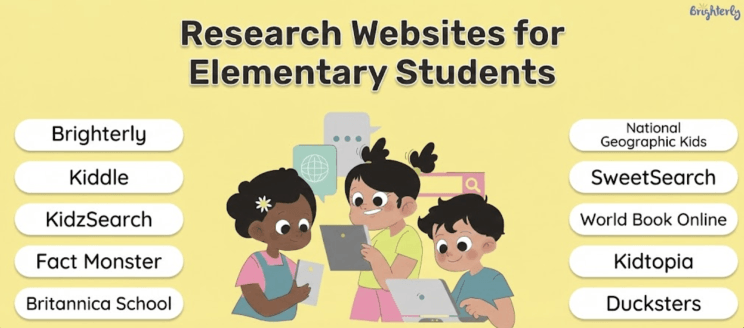
On one hand, you want your kids to explore and learn independently, don’t you? On the other hand, though, safety and accuracy still matter most. In this guide, I’ve gathered research websites for elementary students that are kid-friendly and age-appropriate. Besides, they are all trusted by educators.
Key Points
- Brighterly builds the core logic and reading skills needed to use facts.
- Resort to Kiddle, KidzSearch, or Kidtopia for safe and filtered searching.
- Nat Geo Kids and Ducksters make science and history exciting.
- Fact Monster offers quick homework tools.
- Britannica, World Book, and SweetSearch provide expert-verified and deep-dive information.
Exploring alternatives?

What makes kid friendly research sites safe and effective?
A safe and effective kid friendly research site should be totally secured, without distracting ads, with proofread and accurate content, which reflects your kid’s current level.
Now, into details:
- Total safety means every link has been pre-checked by experts. So you can rest assured knowing your kid won’t accidentally wander into the ‘wild’ parts of the web.
- No distracting ads. We all know how easy it is for kids to get sidetracked! Ad-free sites keep them focused on their school project rather than clicking on flashy toys or games.
- The right reading level. Great sites offer ‘just right’ text for their grade. Browse reading websites for kids if you need extra help in that regard.
- Cool visual explanations. In my experience, many kids learn best through their eyes. Hence, look for bright infographics and fun videos that make complex topics snap into focus.
- Fact-checked accuracy. You want to know the ‘fast facts’ they’re finding are 100% true and verified by real experts, don’t you?
So, what are the best research websites for elementary students?
Best research sites for elementary students
- Brighterly
- Kiddle
- KidzSearch
- National Geographic Kids
- Ducksters
- Fact Monster
- Kidtopia
- Britannica School
- World Book Online
- SweetSearch
Research websites for kids: Comparison
| Age group | Reading level | Best for | |
Brighterly |
5-14 | Adaptive | Building the core math and literacy skills needed to interpret research data and graphs |
Kiddle |
5-10 | Easy (visual) | Beginners who need a safe and image-heavy search engine |
KidzSearch |
6-12 | Moderate | Students who need a filtered search engine that includes safe video and wiki results |
Nat Geo Kids |
6-12 | Easy (visual) | Visual learners and animal lovers who need stunning photography and ‘fast fact’ data for science projects |
Ducksters |
7-12 | Moderate | History and geography reports; offers ‘read-aloud’ buttons for those struggling with long text |
Fact Monster |
8-12 | Moderate | Quick fact-checking and ‘one-stop’ reference tools (atlas, dictionary, periodic table, etc.) |
Kidtopia |
5-9 | Very easy | Early elementary students who need a librarian-curated directory of safe links |
Britannica School |
5-18+ | Adjustable (3 levels) | Students who need to toggle between ‘elementary’ and ‘middle’ reading levels |
World Book Online |
4-12 | Easy to moderate | Serious assignments that need extra-accurate info and real expert sources to validate it |
SweetSearch |
13+ | Moderate to high | Middle- and high-school researchers looking for high-quality educator-reviewed web articles |
#1 Brighterly: Safe & expert-created knowledge base and blog
Most kid friendly research sites I’ll review in this guide are just places where information sits. Yet Brighterly’s math and reading platform is where kids learn the skills to actually handle that information.
It’s a secure and expert-run site for students in grades 1-9 that focuses on the person in the first place.
Through 1-on-1 time with a real teacher, your child works on the fundamentals of reading and logic. Instead of just looking at a screen and hoping for the best, they learn how to break down complex topics and make sense of what they see. This approach is why many parents rank Brighterly among the best online math tutoring services. Because, well, to be a great researcher, a student first needs a strong grasp of logic and literacy, agree?
How Brighterly supports research, reading, and critical thinking skills
Brighterly is adaptive. It entails examining your child’s skill level and adjusting the 1-on-1 session to keep them in the ‘goldilocks zone’. Hence, it’s not a place where kids just read random facts. It’s rather a sweet spot where the work isn’t so easy that they get bored, yet not so hard that they feel like giving up.
By matching the lesson to your kid’s exact pace, Brighterly helps them build the stamina and sharp thinking needed for school research.
- Together with certified tutors, they practice looking for ‘proof’ in a story. That’s exactly what they need to do when citing sources for a report.
- Kids can get instant help with specific math and reading hurdles, resorting to Brighterly’s huge knowledge base.
- You can use their free math tests and reading tests to see exactly where your child stands. Plus, which skills need a little extra attention before their next big project.
- The Brighterly blog is a great resource for parents. It’s filled with expert tips on how to support your child’s learning habits at home.
- You can also download printable math worksheets and reading worksheets to help your kid practice their new ‘detective skills’ away from the screen.
- With flexible scheduling and prices starting from $17.30 per lesson, it’s an easy way to watch your child grow more confident as a student. 1st demo lesson is totally free!


#2 Kiddle research website for kids
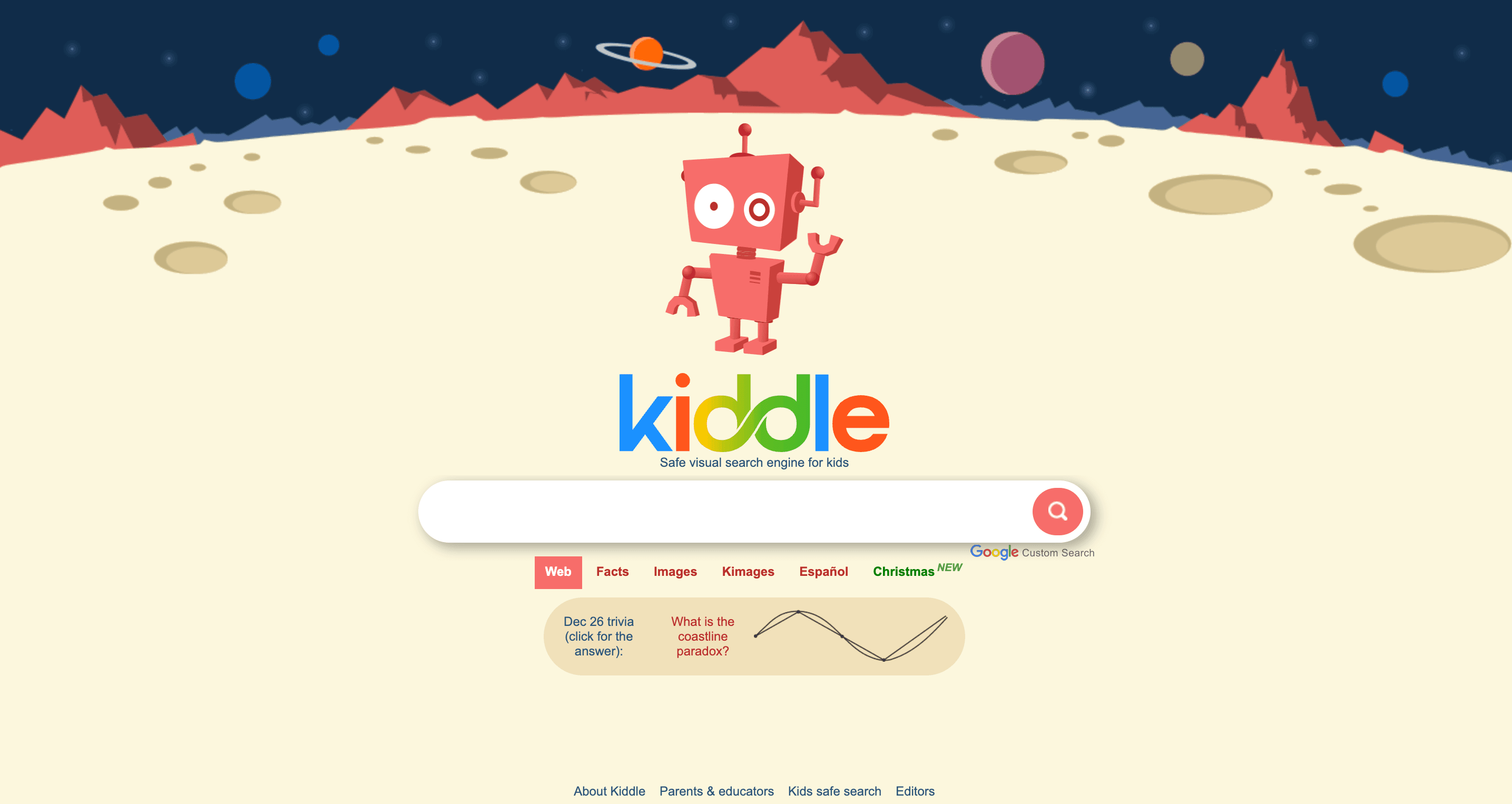
Kiddle is a visual search engine that uses big thumbnails and kid-friendly fonts. All that is aimed at helping little researchers find information without getting overwhelmed by walls of text. Yet among kid friendly websites for research, it has one downside. Given that it pulls from the live web, some search results might still feel a bit complex for very young readers.
Kiddle benefits
- Best for: Ages 5 to 10
- Safety. Kiddle employs strict ‘safe search’ filters. Plus, a team of editors blocks inappropriate content and keywords.
- Usefulness. It provides hand-picked results written specifically for kids.
#3 KidzSearch website for kids research
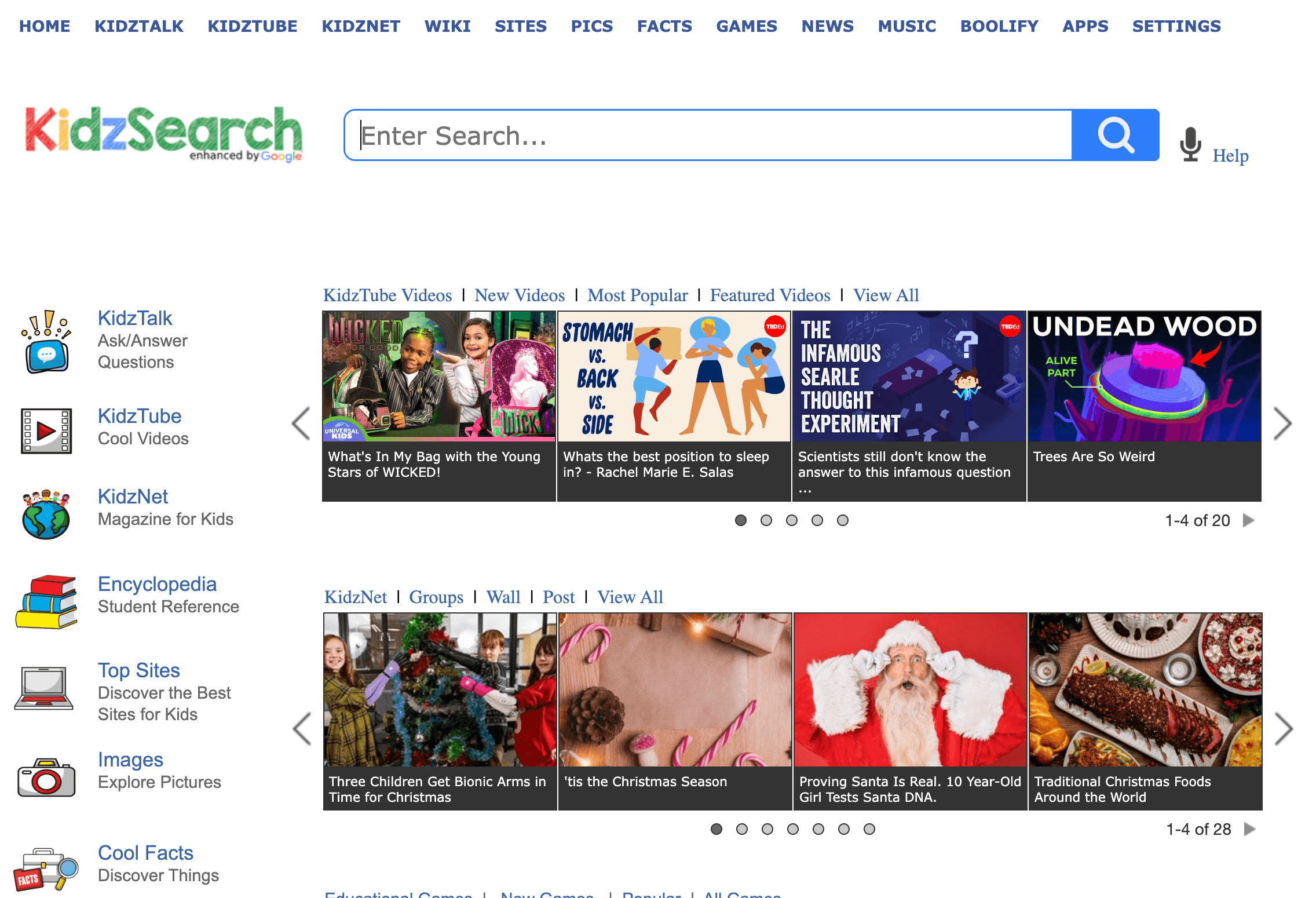
KidzSearch is an ‘all-in-one’ learning hub. It utilizes Google’s search technology but adds its own layers of strict filtering. Beyond searching, it offers a kid-safe encyclopedia, music, and educational videos. One drawback, though, is that the website layout can feel a little busy with many links and sections. That might distract some younger kids.
KidzSearch benefits
- Best for: Ages 6 to 12
- Safety. Features a ‘safety pledge’ for kids and uses real-time website filtering to block adult content across the board
- Functionality. Includes a huge ‘Wiki’ for kids with over 200,000 articles
#4 National Geographic Kids research site for kids
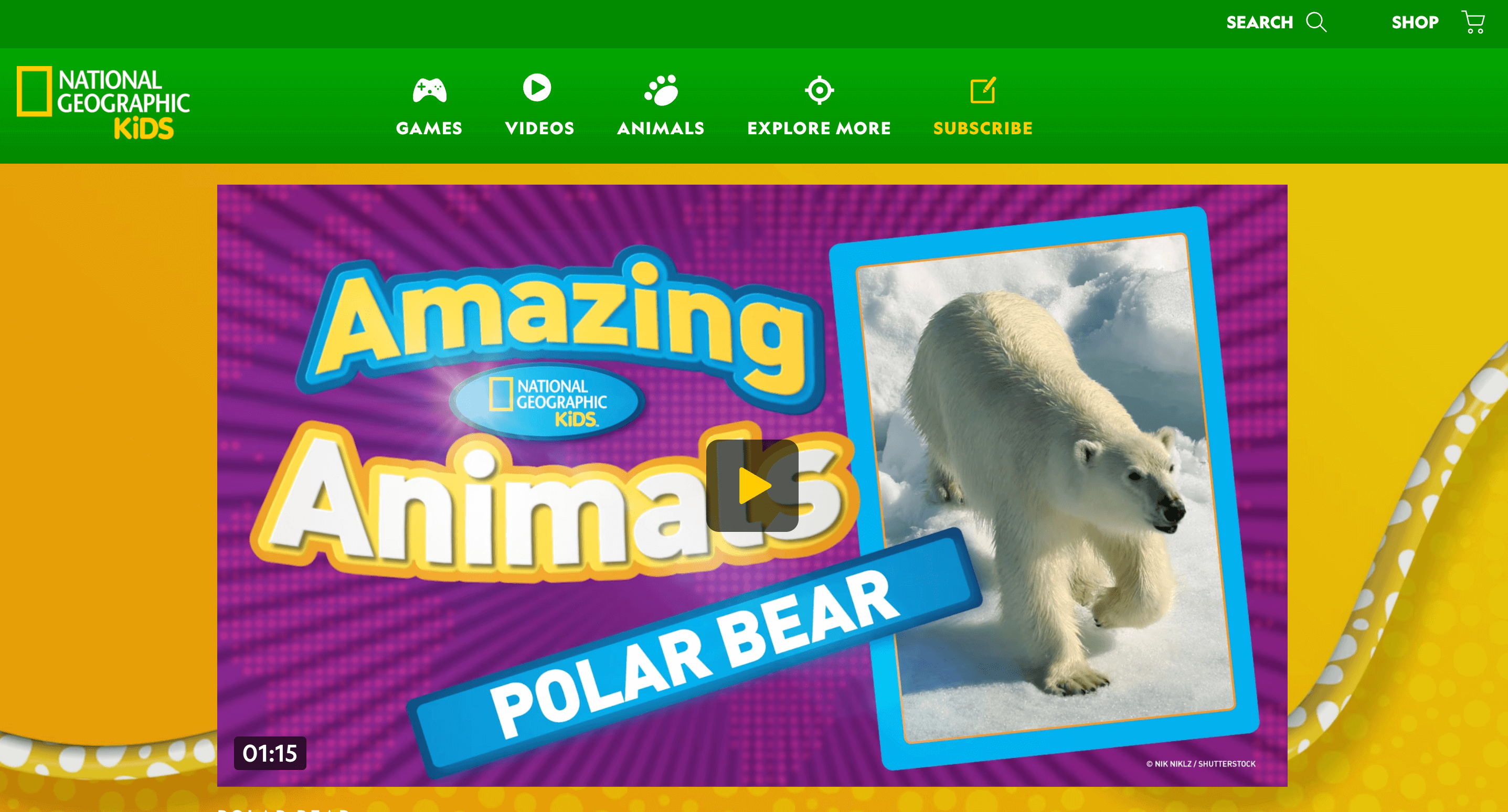
Many parents consider National Geographic Kids media an exciting world of discovery that brings science and nature to their kids’ lives. It’s chock-full of high-quality videos and interactive maps. It also attracts with ‘weird-but-true’ facts that keep kids coming back for more.
So, on one hand, it’s a wonderful way to spark a love for the planet. On the other hand, though, precisely this main focus on animals and nature means it isn’t one of the ‘full-service’ websites for kids research for other subjects like history or math.
Nat Geo Kids benefits
- Best for: Ages 6 to 12
- Security. It’s a completely curated environment where every piece of content is created by Nat Geo experts.
- Applicability. Very decent for visual learners who need to see high-resolution photography and maps to understand a topic.
#5 Ducksters kids website for research
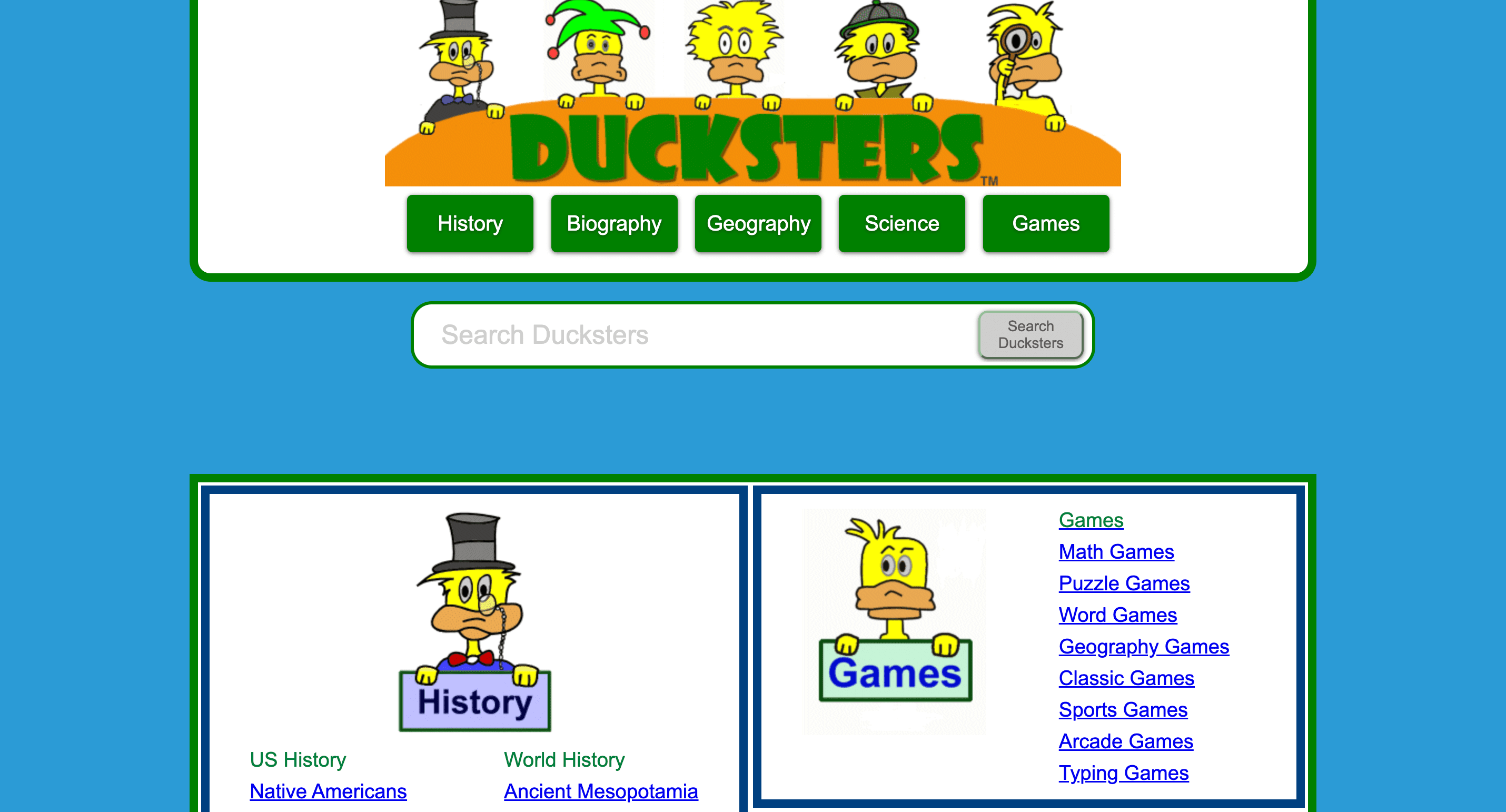
Ducksters is an educational site that makes big subjects – like history, biography, and science – easy for kids to understand. It’s famous for its clear and simple articles that get straight to the point. Your kid might also love the ‘read-aloud’ feature. One minor con, however, is that the site includes ads, though they are strictly filtered to be kid-safe.
Ducksters benefits
- Best for: Students in 2nd through 6th grade (ages 7-12)
- Security. Has a certification from the kidSAFE Seal Program, which equals a secure browsing experience for children.
- Usefulness. Good for finding bite-sized history facts and science diagrams
#6 Fact Monster research website for kids
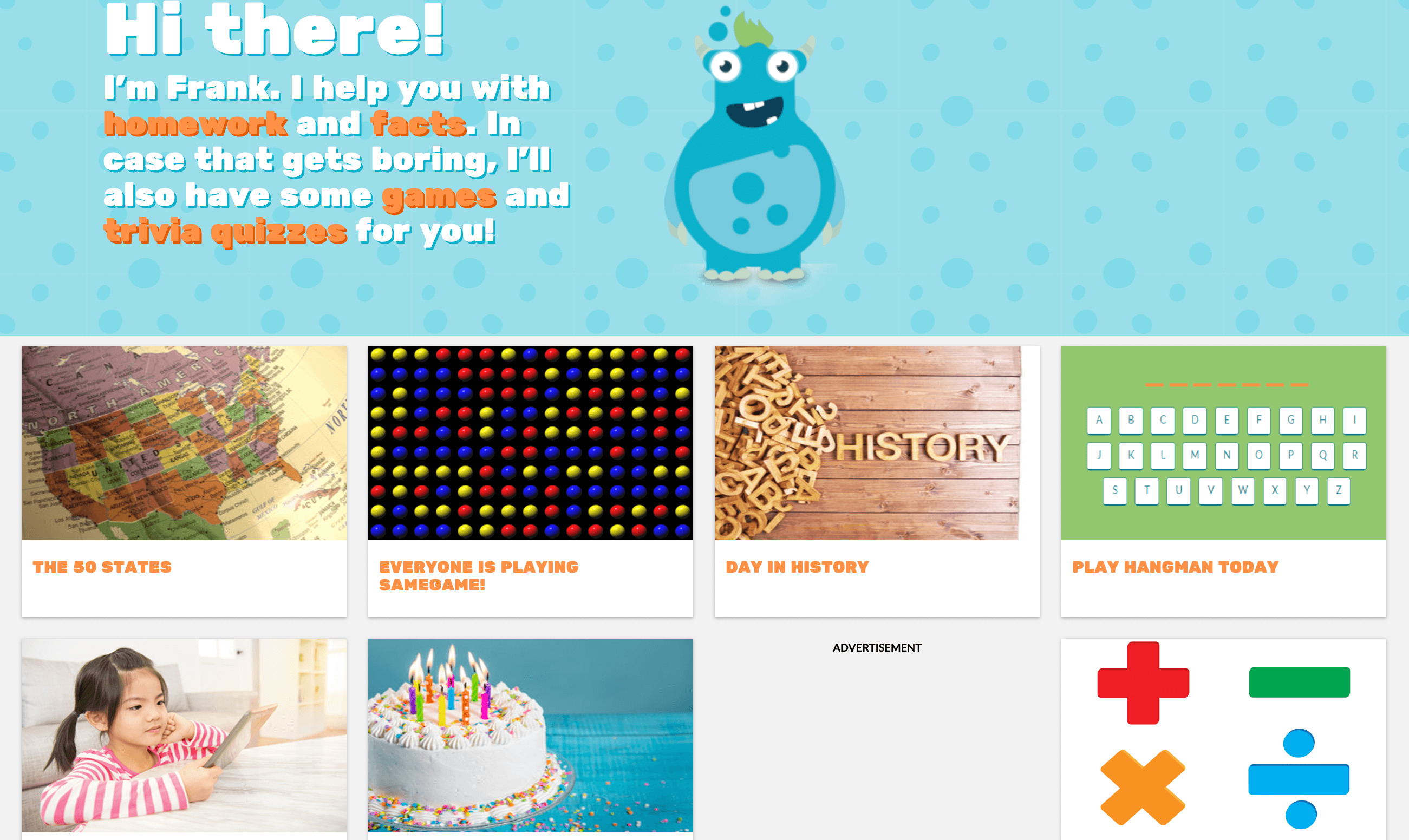
Fact Monster is a digital library with a focus on encyclopedias. It also features atlases and dictionaries. It’s run by the educational experts at Sandbox Learning. And, most importantly, it was initially developed to help kids find quick and reliable answers for their homework. However, one thing to watch for is the layout. It might feel a bit crowded with information, compared to other research sites for kids.
Fact Monster benefits
- Best for: Ages 8 to 12
- Safety. As a fully COPPA-compliant company, they follow strict federal rules to protect your child’s privacy online.
- Usefulness. It offers several unique tools. The most popular of them among kids are a Roman numeral converter and a distance calculator for math and geography.
#7 Kidtopia website for kids research
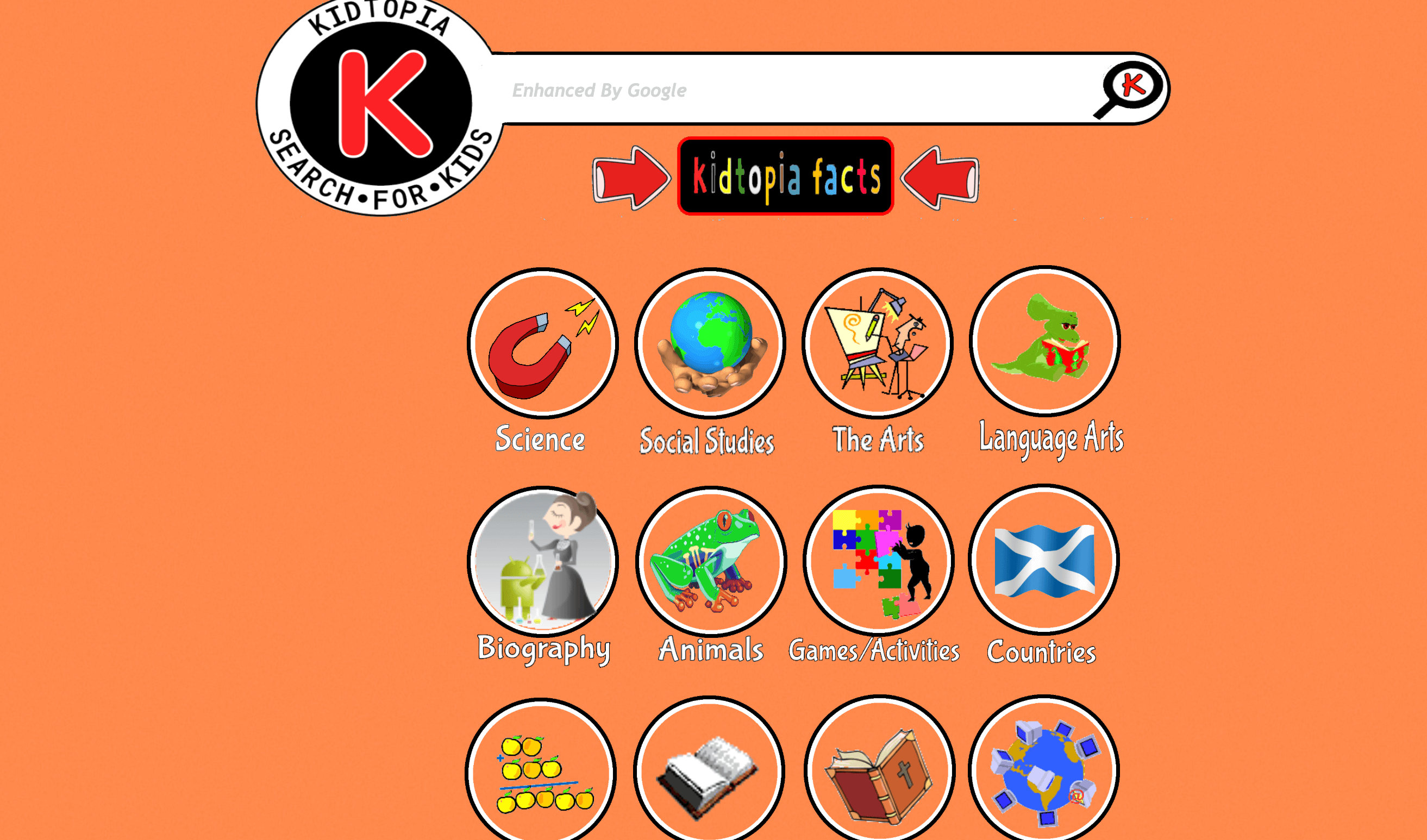
Kidtopia is a search engine that was created by school librarians. That’s why it doesn’t search the whole (scary) internet. It only searches a curated list of websites that teachers and librarians have already approved for kids. Therefore, it comes with two caveats. On one hand, it’s a good way to give your child some independence. On the other one, because the search is so restricted, it might not find results for very specific or niche topics.
Kidtopia benefits
- Best for: Early elementary students
- Safety. It uses a custom Google search that only looks at pre-reviewed and educator-approved websites
- Usefulness. Kidtopia is organized by easy categories like ‘animals’ or ‘social studies,’ etc.
#8 Britannica School research website for kids
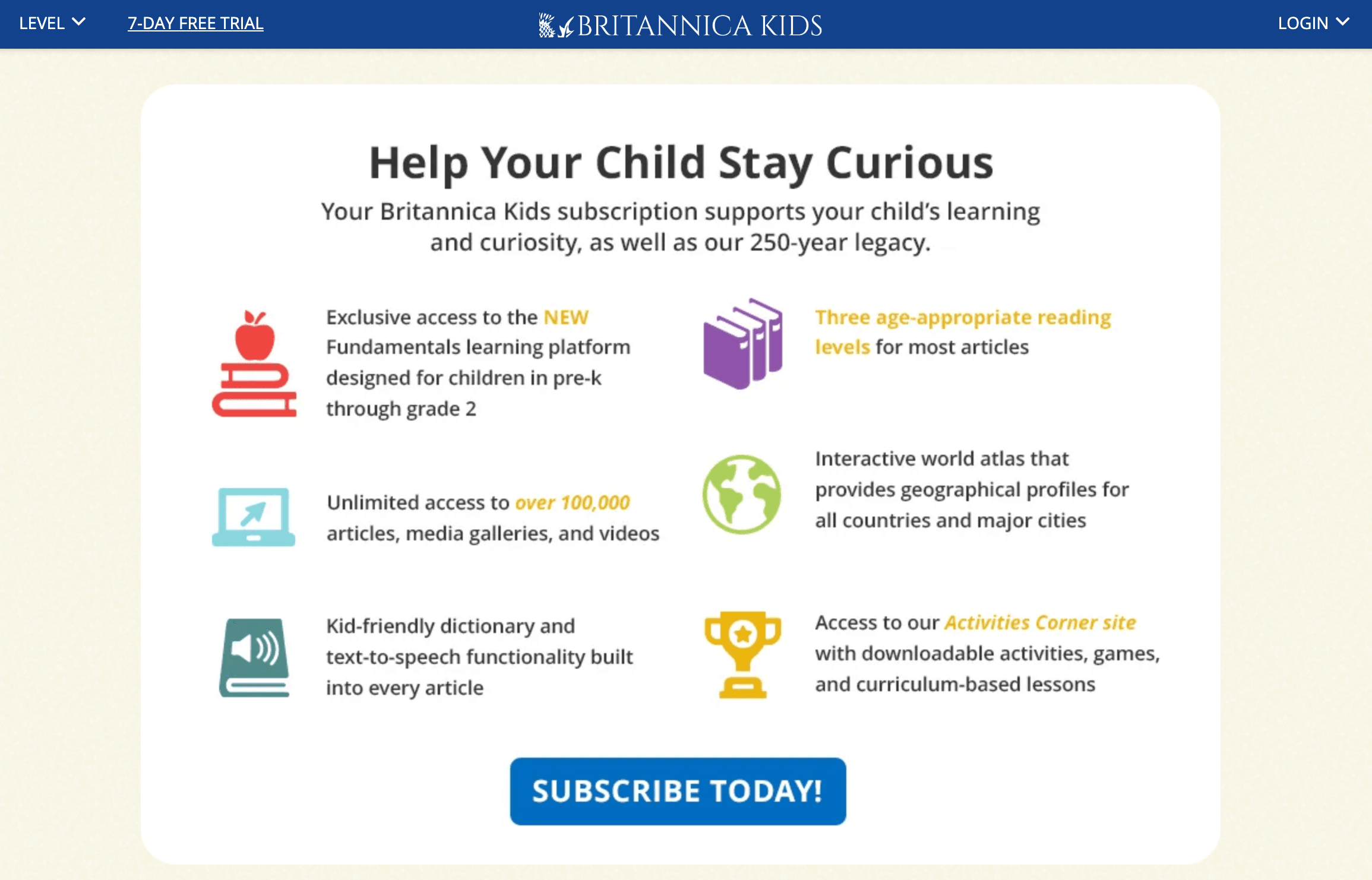
Britannica School is a very famous encyclopedia that has been popular for generations so far. It offers high-quality text & video articles, and images. All is constantly updated by experts. It’s, in particular, famous for its ‘three-level’ reading feature. That’s very helpful because it allows kids to see the same topic at different difficulty levels.
Note: When choosing kid friendly research websites, note that Britannica School requires a paid subscription to access its full library of premium content. The price is around $74.95 per year.
Britannica School benefits
- Best for: Students from Pre-K to grade 12.
- Safety assurance. A 100% ad-free and human-reviewed place.
- Functionality. It’s pretty helpful for geography homework (includes a ‘compare countries’ tool and a world atlas).
#9 World Book Online website for kids research
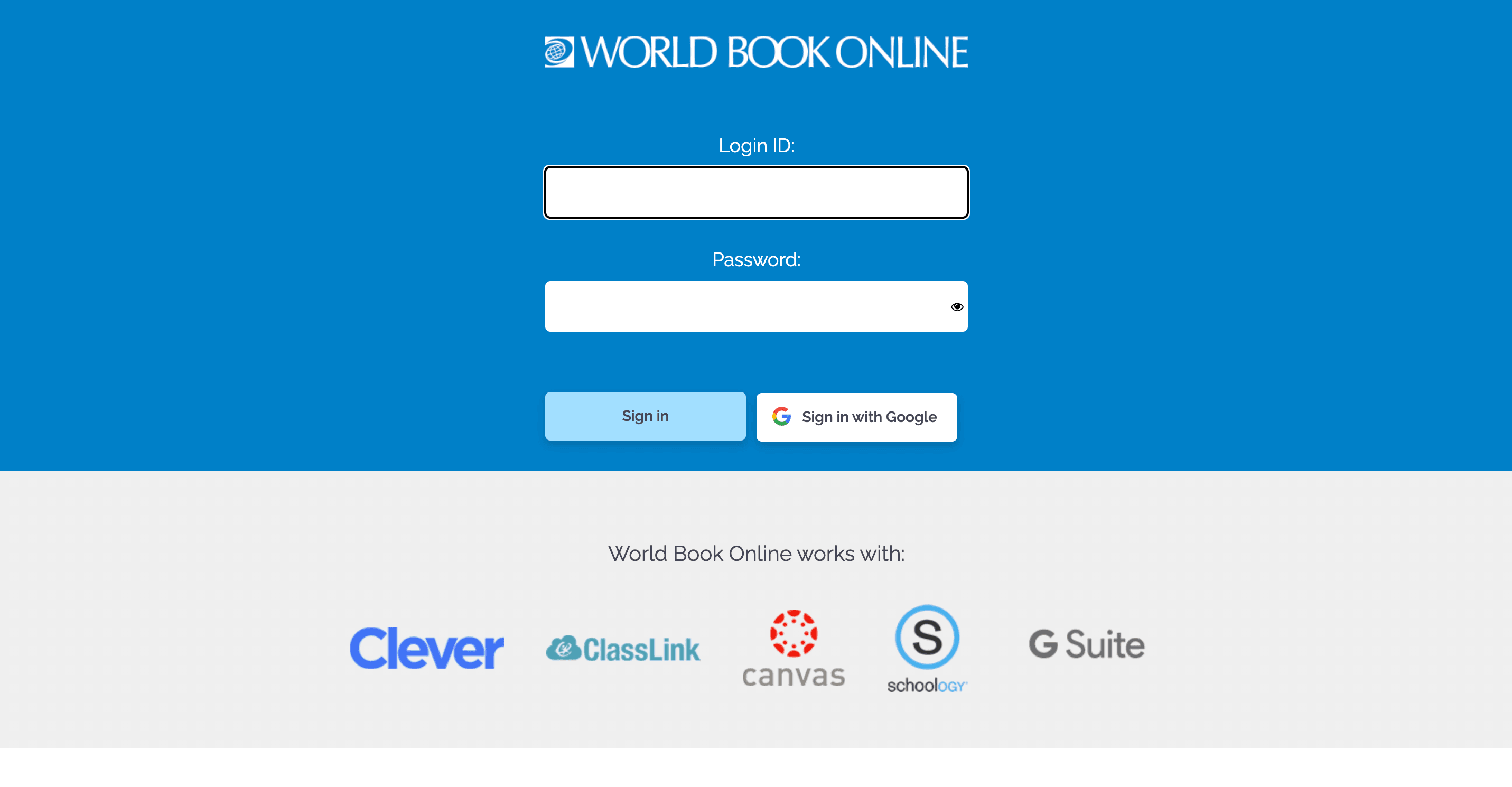
World Book Online is a verified reference tool. It provides a wide-ranging collection of primary sources and instructional videos. All that aims at helping kids dig deep into any subject. The ‘World Book Kids’ portal, in particular, is specifically designed with bright colors and easy navigation for the little kiddos.
Drawbacks? They’ve got some, unfortunately. First, it’s the interface. It can feel a bit formal and academic (especially compared to popular gaming-style sites). And the second is that it’s paid. Prices are quite high – $250 for a yearly subscription.
World Book Online benefits
- Best for: Pre-K – grade 8.
- Safety assurance. It’s strictly monitored and ensures kids only find accurate and age-appropriate info without outside links.
- Usefulness. It offers a unique ‘citation builder’ that teaches older elementary kids how to properly credit their sources.
#10 SweetSearch kids website for research
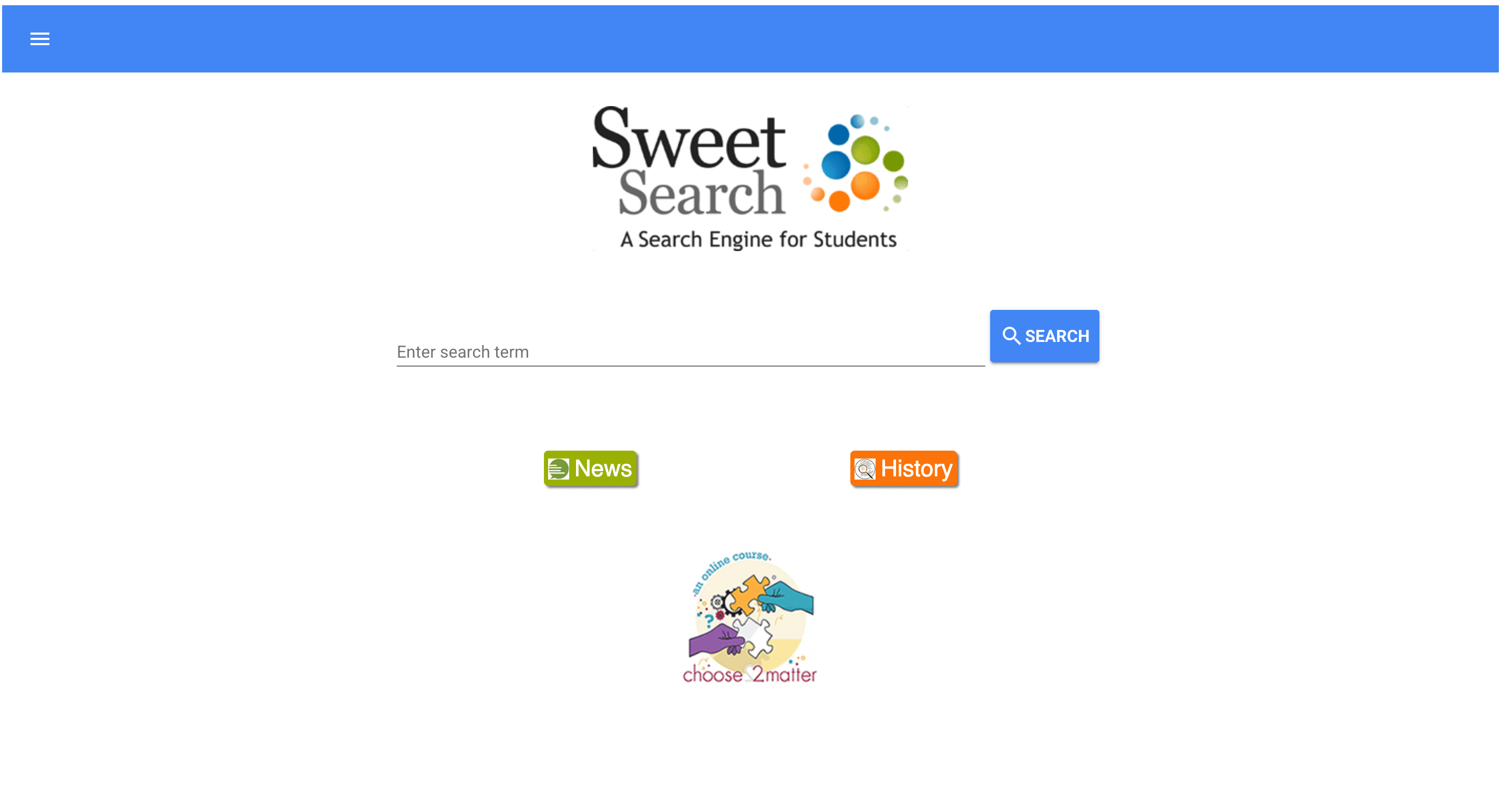
SweetSearch4Me is a dedicated version of the well-liked SweetSearch engine. In contrast to other kid research websites, it works by searching a ‘whitelist’ of 35,000 websites. All of them were hand-picked and pre-approved by a team of librarians and teachers. Therefore, your kid gets educator-verified results without the clutter of a standard search.
Note: At the very top of the results page, SweetSearch can sometimes show standard Google-style ads. So, remind your child to look for the ‘ad’ tag.
SweetSearch benefits
- Best for: Ages 13+
- Safety assurance. Every result is pulled from a database of sites professionally reviewed for academic quality and kid-appropriate content.
- Practicality. It prioritizes primary sources and expert articles.
How to teach kids to use research websites safely?
To teach youngsters to use kids website for research safely, help them recognize and stick to ‘safe zones’, avoid ads, and keep their research social.
Some further tips include:
- Stick to the ‘safe zones’. Use the trusted resources I’ve listed. Bookmark them so your kid has a safe ‘home base.’
- Spot the ads. Teach them that if a button is flashing or promising something for free, it’s almost always an ad. It’s best to just ignore those.
- Ask ‘search questions’. Remind them to always wonder, ‘Is this a fact or just somebody’s opinion?’
- Keep it social. Set up their workspace in a busy common spot. That could be a kitchen, say, or a living room. So, you can easily lend a hand if need be.
- The ‘open door’ policy. Prompt them that they can always come to you if they see something confusing.
Essential research skills for elementary students
Usually, for parents, watching their child handle a big school project is a very proud moment, isn’t it? To help them succeed, though, you can teach them a few ‘research superpowers’ in order to make the process much easier.
Show them how to find the best info using specific keywords on research sites for elementary students. Help them practice being a detective by sorting facts from opinions. Teach them to always ask if the info comes from a trusted expert – like a scientist from NASA or a documentary from PBS – rather than just a random blog.
For note-taking, encourage them to jot down just the ‘big ideas’ in their own words. And finally, you can help them form their own conclusions to explain why their topic really matters.
Final tips for parents and teachers
Here are a few final tips to help your young researcher thrive:
- Spend time browsing these engines together with your child to build their confidence.
- Many local libraries offer free ‘pro’ access to sites like Britannica.
- Try the Brighterly reading and math program to give your kid a safe and teacher-led space to develop the logic and thinking skills research requires.
- Keep it fun altogether and let them research topics they love!
Conclusion
This is surely and firmly within your grasp to give your kid a huge step ahead and make frustrating homework time a sort of fun voyage of discovery. These kid safe research sites protect them from the ‘wild’ web. And yet they still build the confidence they need to find real and accurate answers. For more ways to keep that spark of curiosity alive, Brighterly is a wonderful partner to help your kid build an overall bright academic future.
Book free lesson today to see how this e-platform can be helpful for you!


I’ve worked with many kids who love stories yet struggle to put ideas on paper. That’s why today I’ll review the best tools for kids’ creative writing. Get ready to learn about apps and platforms that balance creativity and structure. Key points Brighterly helps master the ‘Art’ of English through 1:1 mentorship and personalized paths […]

Jan 01, 2026

Study.com is a well-known online learning platform for students and homeschool families. In this article, I’ll analyze reviews of Study.com from my teaching perspective to understand what it does well and where it may fall short. Overall, you’d get a clear answer to whether it’s a good fit for your kid, so let’s start exploring. […]

Jan 01, 2026
Math & reading from 1st to 9th grade
Exploring alternatives?
Take a short quiz!

Choose kid's grade