8 Types of Learning Styles in Children and How to Teach Them
reviewed by Franz Jerby Delos Santos
Updated on February 19, 2026

Teaching all children with a single method is like trying to open every lock with one key. That’s why I prepared this article about the 8 types of learning styles for you to find the approach that becomes the key to your child.
Key points
- A learning style shows how a child absorbs information, not their abilities. And if you know their style, you can instantly reduce stress during learning and improve motivation!
- How many learning styles are there? Eight. Main styles: visual, auditory, kinesthetic, reading and writing. Among additional styles: logical, linguistic/social, solitary, nature.
- Children rarely learn using only one approach. More often, the best results come from combining different methods and formats. Your task is to identify which methods work best for your child.
- Observation, practice, and short tests help identify a child’s unique way of learning. Tutoring can also do this and help create an individual learning program tailored to the child.
What are learning styles?
Learning styles are different ways of learning that help a child naturally and easily absorb information. It’s not about the “right” way to learn, but about what feels comfortable for your child. Your task is to find the best style. Some children understand better by seeing, some by hearing, others by touching, and some by reading and writing it down. That’s what learning styles are – different “entries” into the brain.
Why are learning styles important?
Learning styles really matter because they stop you from breaking a kid with the wrong kind of teaching. When you explain things in a way that doesn’t fit them, they just don’t get it — and it’s not their fault. With the right approach, teachers can make a huge difference.
How does identifying a child’s learning style improve studying?
- Lessons become more effective. When adults know how a kid best takes in info, they can explain it right the first time, not five times. The kid gets the topic faster, confuses less, and doesn’t sit there feeling like, “I don’t get anything.”
- Less stress for the child. When kids aren’t forced to learn in a way that doesn’t fit their learning style, tension disappears. No constant pressure, no tears, no fear of messing up. They don’t feel “dumber” or “less than” the others.
- Motivation shows up. When a kid actually understands, it naturally gets more interesting. They see results, feel they can do it, and start learning not because they have to, but because they want to.
In short, understanding a child’s learning style is the first step toward successful learning. Actually, teachers can help figure out the best way for each kid.
Check the basics behind this term
Take our quick quiz to discover the perfect learning solution based on your child’s needs.
What are the different learning styles in children?
Among the main learning styles are visual, auditory, kinesthetic, and reading/writing. Plus, researchers also point out additional styles, like logical, social, solitary, and nature. Rarely is one style enough for a child – most of the time, the best results come when kids are taught using a combination of styles.
Make sure your child, especially at the beginning, is taught according to their style. It makes learning so much easier. If the school doesn’t take care of this, Brighterly math and reading platform can help you determine your child’s learning style and fully adapt the lessons and tasks. That way, learning becomes enjoyable for the child.
Learning styles in education
- Visual learning style
- Auditory learning style
- Kinesthetic learning style
- Reading and writing learners
Visual learning style
The visual learning style suits children who understand information best through their eyes. For these students, it’s important to see the material: pictures, diagrams, tables, charts, examples, and color highlights. When information is given only in words, it’s hard for them to focus and stay engaged. So if a child needs to learn math, find a problem with an image, draw it for them, or let them draw it themselves.
This learning method works because a child’s brain processes images faster than verbal explanations. A diagram or a workbook with illustrations helps them immediately see the connections between parts of a topic and form the big picture. That’s why these kids often say, “Show me,” instead of “Explain it.”

Use the visual method when a child:
- Remembers better what they see
- Likes drawing or looking at pictures
- Gets lost during long verbal explanations
- Understands a topic faster after seeing an example or a diagram
Learn visually with Brighterly
If you decide to work with professional tutors, here’s how it works. Once it’s clear which of the different types of learning styles a child responds to best – like visual learning – Brighterly tutors start integrating more games, visual tasks, and adapted worksheets into the lessons. The worksheets are interactive, colorful materials with explanatory pictures. Everything is designed so the child can see the logic behind the solution, not just memorize the rules.
Plus, on the Brighterly website, everyone can download math worksheets and reading worksheets for free. You can check if you like them and, at the same time, see if your child is a visual learner and if this learning method works for them.
Auditory learning style
The auditory learning style is typical for children who learn best through sound, singing, or speech. For these students, it’s important to hear explanations, not just see the material in a textbook or on a screen. Auditory learners also understand new information better and remember topics after talking about them, giving a practice presentation, or explaining something to someone else. Speaking aloud helps them connect new information with what they already know.

The auditory learners usually
- Can get lost during long, silent reading or work with text
- Easily remember what they hear
- Understand a topic better after talking or discussing it
- Like asking questions and commenting
How parents can help with the auditory learning style
- Replace monotone reading with modern audiobooks, and dry explanations with YouTube video lessons. Combining visuals, narration, and animations in a structured and engaging way helps children understand complex topics more easily and stay focused during lessons. This multimedia approach supports both visual and auditory learners, boosts comprehension, and increases motivation. To create such content effortlessly, you can use the Renderforest ai cartoon generator to produce short, high-quality educational videos tailored to your child’s individual learning needs.
- Help them understand instructions or problem conditions by explaining simply, using real-life examples.
- Add more discussions to learning; this helps the child understand the topic more deeply.
- Look for useful educational podcasts together, especially for history, geography, and other science subjects.
- Ask your child to retell the topic in their own words or explain something to you – this helps them organize information.
- Light background music can help auditory learners focus during routine tasks. At the same time, watch your child – if the music is distracting, it’s better to turn it off.
Kinesthetic learning style
This is a style for children who don’t just want to learn things theoretically but to apply them right away! Such students enjoy doing things with their hands, playing and touching, rather than sitting with a textbook on a table. They understand topics much better when they can physically interact with the material. Hyperactive children are the ones who often have a kinesthetic learning style.

How the kinesthetic style looks like?
Children who have this type of learning styles often:
- Are fidgety
- Quickly lose attention during explanations without practice
- Remember things better when they “do” the material themselves, not reading or listening
Different ways of learning practically with school subjects
Math
- Use money to learn arithmetic
- Build geometric shapes with sticks or blocks
Science
- Do mini lab experiments such as mixing, growing crystals
- Make models of the solar system, or a volcano to see thor movement
Languages & Literature
- Act out dialogues and scenes from the book or cartoon
History
- Play historical board games
- Visit museums, travel to historical sites, watch historical films
Arts
- Copy simple art pieces through drawing, sculpting, or crafting
- Visit theater shows or museum exhibitions
Reading and writing learners
If you have a teenager who likes to dive into books and notes, the reading and writing style might be theirs. Such students remember information best when they take notes and structure it into lists. When they write, such information stays in their memory for much longer.

Examples of learning styles (reading & writing)
Students of this type typically:
- Enjoy keeping journals and well-written copybooks
- Read textbooks carefully
- When such children hear something complicated, they immediately try to read or note it themselves
How to help with reading and writing in practice?
- Math. Write down problem-solving steps or personal comments.
- Languages. Create vocabulary lists, write key point for lesson topics.
- Science. Keep observation journals, or for example, record experiment results in tables.
- History. Make timeline maps, take notes on events and people.
- Plus. Allow extra work on a computer: typing text, making presentations, interactive documents.
Note: This style works well for slightly older students who want to study topics thoroughly or write their own projects. Such children are often quite independent learners and appreciate order and structure.
Check the basics behind this term
Take our quick quiz to discover the perfect learning solution based on your child’s needs.
Other styles of learning
Logical learning style
Students with logical thinking feel comfortable where there is a clear system, rules, instructions, or patterns, and where cause-and-effect relationships exist. They can break information down into small pieces and then put it together to see the big picture. For these kids, it’s important to understand not just what to learn, but why it works that way. When that happens, learning is fast and thoughtful. If the explanations are shallow, children with this style can lose motivation.
Logical thinking usually appears in middle and older children, when abstract thinking develops. Students with strong student learning styles in the logical category often:
- Ask a lot of “why?” questions
- Enjoy puzzles, brainteasers, and diagrams
- Quickly notice mistakes or inconsistencies in explanations
- Don’t like memorizing without understanding
How to apply in practice?
- Ask more questions that make children analyze information (“What do you think about this? How is it connected? Why did it happen?”)
- Include logic games, thinking tasks, and comparison exercises
- Give assignments with algorithms, logical chains, problems with multiple solutions, and error-finding tasks
This learning style is essential for development. Each year, subjects and assignments become more complex, requiring critical thinking skills. So involve children in logic tasks appropriate for their age.
Note: These students think better alone, in quiet environments. Give them time to reflect.
Linguistic learner (social)
In every class, there’s usually a student who can’t stay quiet when they know the answer. They raise their hand, comment, argue, and ask questions. It may seem like they can’t focus. In reality, this is a child who thinks by talking. For social learners, words aren’t a distraction – they’re a learning tool, and understanding their preferred learning styles helps tailor activities to their strengths.
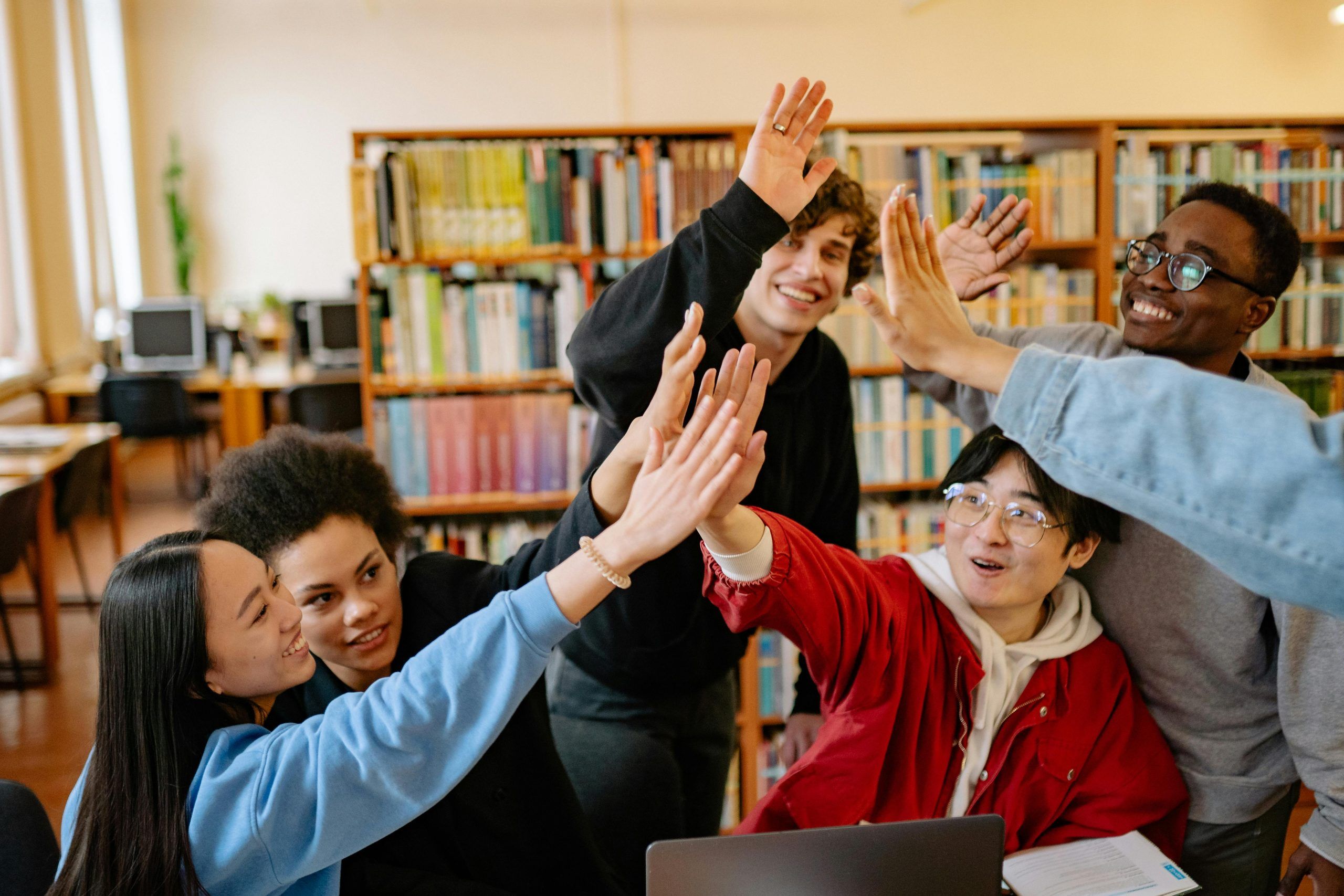
A student with this style:
- Responds quickly to oral tasks and actively joins discussions
- Asks lots of questions and easily starts conversations
- Loves role-plays, presentations, and team assignments
- Often understands a topic better after discussing it than after reading alone
Linguistic/social learning styles examples: How to apply in practice
- Include pair and group work (these children struggle to learn in complete silence or without a chance to speak).
- Use discussions, debates, and conversations.
- Give assignments where they need to explain the topic to someone else.
- Encourage oral answers, presentations, and collaborative projects.
Note: Social learners can get distracted if group work lacks a clear purpose. It’s important to assign specific roles and tasks so that communication stays educational, not chaotic.
Solitary learning style
Some students work best in teams, while others prefer working alone. If this sounds like your child, their learning style is probably Solitary. For them, silence, their own pace, and the chance to process information independently are very important. These learners dive deep into topics but need time and space to think. Their strength lies in concentration and self-reflection.
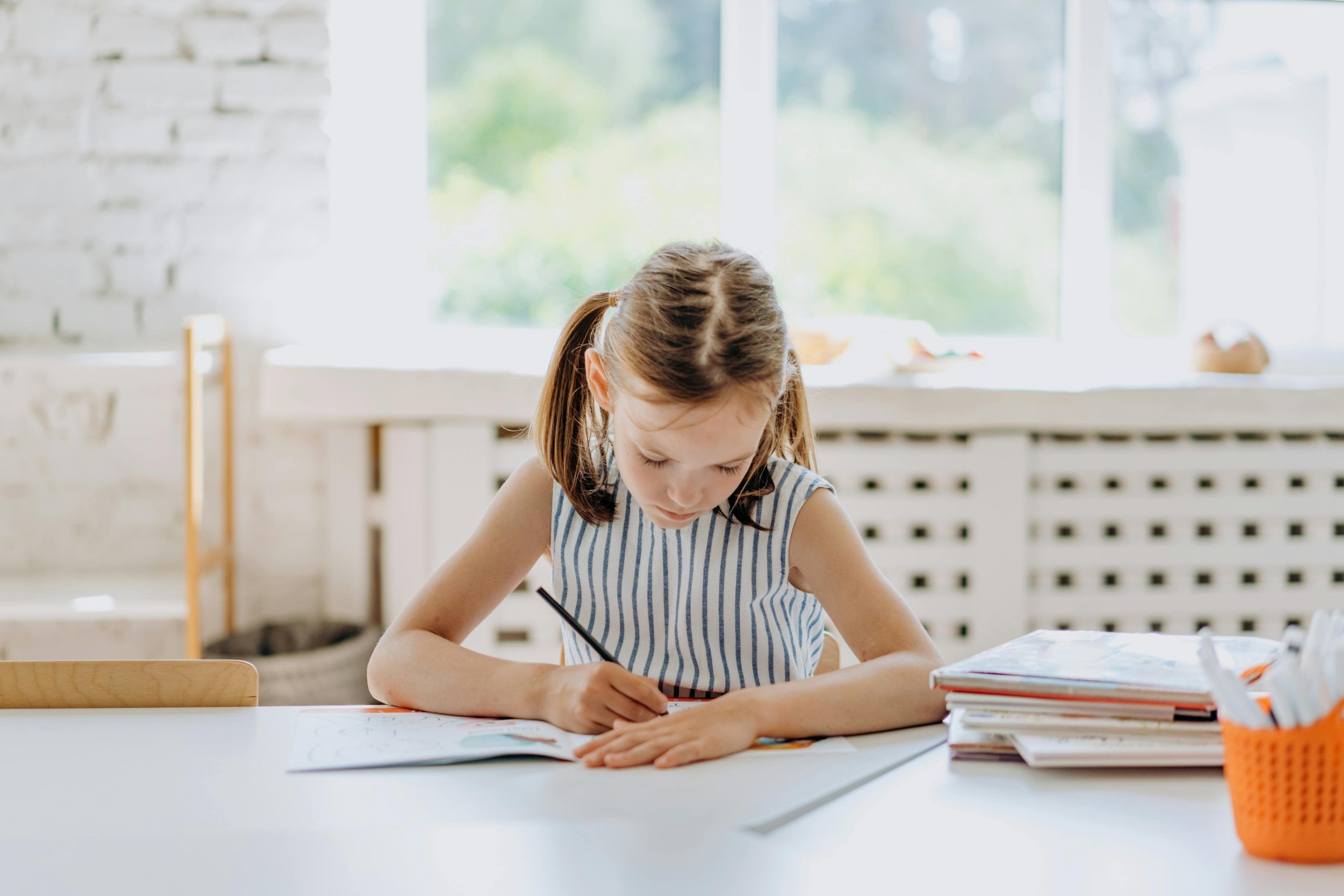
Students with this style often:
- The child works better alone than in groups
- Such children need time to think and don’t like rushed answers
- They often keep notes, journals, and list of plans
- May seem reserved but understand material well
- Excel in written assignments and independent projects
Different ways to learn with a solitary learning style
- Allow them to work individually on parts of assignments.
- Give clear instructions so they can proceed on their own.
- Use written formats: essays, journals, plans, and notes.
- Give time to think before answering; don’t force immediate responses.
Note: Just because your child likes working alone doesn’t mean group discussions or projects aren’t important – they still are. It’s just that these learner types feel comfortable in groups when their opinion is asked and when tasks and roles are clear.
Nature learning
If your child loves nature, this may be the best key to learning. This is common among children who enjoy observation. It usually appears early and plays an important role in learning styles in early childhood education, when kids understand the world through real-life experience, nature, and patterns they see around. For these learners, knowledge makes the most sense when it is connected to the real world.

Students with this style often:
- Love nature, animals, plants, and ecological topics
- Easily notice patterns in the environment
- Ask questions about natural phenomena
- Show interest in biology, geography, chemistry, ecology, and art
Different ways people learn with the help of nature
- Math: count leaves or seeds, analyze weather, create temperature charts.
- Science: grow plants, observe changes, and conduct simple experiments.
- Languages: describe natural phenomena, write observation notes or nature essays.
- Geography: work with maps, climate zones, and real-world examples.
Note: Whenever possible, let your child learn outdoors – it might be their main source of inspiration!
How does your child learn best? Tips to find out
Of course, first of all, you need to watch your child – both during learning and in everyday situations, like walks or chores.
I’d definitely recommend trying out all learning styles I described in this article. Then see where your child is most engaged. Notice what comes easier for them: listening to explanations, looking at charts, reading and writing, moving around, or working alone or with others?
Try different activities and short tests to help figure out your child’s learning style. On the Brighterly website, you can even find free math tests and reading tests – so you can check what works best for your child.
And if you want to know exactly how your child learns best, I’d suggest taking a free Brighterly demo lesson. During the session, tutors give special tasks that help them figure out your child’s learning style right away and pick the most effective approach.
Combining multiple learning styles
One important thing to know – kids almost never learn using just one style. Of course, they may have learning preferences or exceptions, but most effective learning comes from a mix of approaches. These styles can change depending on the subject, topic, or even the child’s mood.
For example, a child might be a visual learner in math, an auditory learner in history, and need writing practice for languages. In general, the same material sticks best when it’s seen, heard, discussed, and tried out hands-on.
How 8 learning styles look in practice
- Math: start with a diagram or example (visual), then explain it out loud (auditory), and finally let your child solve problems hands-on (kinesthetic).
- Languages: new vocabulary can be heard, written down, used in a dialogue, and reinforced through a game.
- Science: explanation + video + a simple experiment or observation.
- Mix activities within a single lesson: quiet work → discussion → movement or practice → summary. This helps keep attention and reduces fatigue.
Note: Your goal is to identify your child’s dominant styles and use them, but don’t ignore the other different learning styles for students – they also have value and help your child grow in different ways.
How to teach kids with different learning styles?
To make learning effective, it’s important to adapt to your child instead of forcing them to fit one method. Alternate teaching formats, add games and interactive tasks, and combine explanations, practice, and discussions. A flexible approach reduces stress and boosts motivation.
Conclusion
When it comes to teaching children, one simple thing is worth remembering: every child is different. Learning styles don’t define a child’s abilities, but they explain why some methods work while others don’t. Most children actually learn best with a combination of styles.
Understanding learning styles for kids helps parents and teachers reduce stress in the learning process. Instead of constant reminders, frustration, and struggling with “inattention,” the right approach makes learning calmer and clearer. When a child understands the material, motivation grows naturally, and progress becomes visible.
You can help your child on your own, but if you’re looking for extra support, personalized tutoring can make a big difference. My personal recommendation is Brighterly. Their teachers don’t just teach – they pay attention to different learning types, each child’s unique needs, create a personalized learning program, adjust it when needed, and select special tasks.
So if you feel your child could use that support, just book free lesson and see if it’s the right fit.

Today, we’re pleased to introduce Amelia Jimenez, a passionate, curious, and determined student who became our next Brighterly Math Equity Scholarship awardee. Amelia Jimenez — the winner of the Winter Brighterly Math Equity Scholarship! Amelia is currently in the 8th grade, a period when math becomes more complex, stress increases, and kids are actively preparing […]

Dec 23, 2025

Looking for a complete overview of the SplashLearn cost? In this article, I’ll walk you through the SplashLearn pricing plans, its cost per month, and per year. Plus, I’ll cover key features, pros and cons of the program, and other important details that parents and students should know before signing up. Key points: The SplashLearn […]

Dec 25, 2025
Math & reading from 1st to 9th grade
Looking for homework support for your child?
Choose kid's grade

Math & Reading for Grades 1–9
Build real confidence for your child with a Brighterly math or reading tutor.