Encoding vs Decoding in Reading: The Hidden Gap Behind Slow Progress
reviewed by Marvi M. Andres
Updated on February 27, 2026

Encoding vs decoding in reading are the two complementary processes, and when one of them is poorly developed, this inevitably leads to reading issues. Then, you may see progress slow, so it’s better to know about this gap and cure it for balanced literacy growth.
Key points:
- Decoding and encoding in reading are two opposite directions of working with words. They use the same knowledge (letter-sound relationships), but in reverse directions.
- The difference between encoding and decoding in reading explains why a child may read a word correctly but struggle to spell it.
- Gaps between them can delay reading fluency and spelling accuracy, and there are vivid signs of this process that parents can notice.
- Early phonics instruction strengthens both decoding and encoding and improves poor literacy statistics.
What is decoding and encoding in reading?
Decoding is how one can manage to translate written letters and letter patterns into spoken sounds to be able to read words. Encoding is the ability to convert spoken sounds into written letters to spell words.
I don’t want to overload you with complicated terms, so put it simply: decoding is for reading printed language and encoding is for writing it. What you need to remember is that both rely on phonics knowledge, phonemic awareness, as well as understanding how the alphabet represents sounds.
- Thus, again, decoding focuses on accurately recognizing letters, then blending sounds, and, finally, identifying words.
- If we talk about the encoding definition in reading, it all boils down to mapping sounds to letters. This skill supports spelling, writing, and overall written expression. So, if a child has developed reading encoding skills, they can accurately represent spoken language on paper, which is a basic requirement of literacy.
School literacy programs aim to support both sides of this process, but, you know, crowded classrooms and rushed curricula often leave gaps behind. When instruction moves at one pace for everyone, some children fall out of sync with literacy development, and parents start looking for ways to fix it ( I would do that!).
The Brighterly math and reading platform could be the place you’re looking for! It was created to address those gaps without replacing school and works with what may have been missed in class.
Through live 1:1 online lessons and adaptive technology, you’ll see steady progress soon, as this trusted and popular learning platform provides guided phonics instruction that addresses decoding and encoding in reading in a balanced way, with help from trained reading tutors who adjust instruction to a child’s level.


What is an example of decoding in reading?
A simple decoding in reading example is when your child sees the word ship in a book and says each sound: /sh/ /i/ /p/, then blends them into one word – ship. This blending process is decoding, you can see it clearly.
In the early stages, it’s normal for your kid to read slowly, sound by sound. That’s how we all learned to read as children. We were learning how letters represent sounds and how those sounds combine to form words. When we grow older and practice frequently, we gain the ability to recognize common patterns automatically.

But before the decoding skills in reading become strong enough, your little one may guess words based on pictures or the first letter. They might skip tricky parts or replace unfamiliar words with something that “looks right” in their mind.
When this happens, reading accuracy can miss the mark, and comprehension may suffer. But it’s okay, everything can be fixed with a clear phonics instruction and decodable books, which help children connect the dots between letters and sounds.
Tips for improving decoding skills at home
First, I highly recommend decodable books to help your child practice reading using the letter–sound knowledge they already have. Pictures or guessing are good for beginner readers, but it’s time for your kid to learn to sound out words and build the habit of looking at letters first, not shortcuts.
For example, if your little one has learned sounds like m, a, t, s, a decodable book will include words such as mat, sat, and Sam. The same principle applies when children practice with reading worksheets. These sheets usually include lots of practical tasks, with words matching a child’s current level.
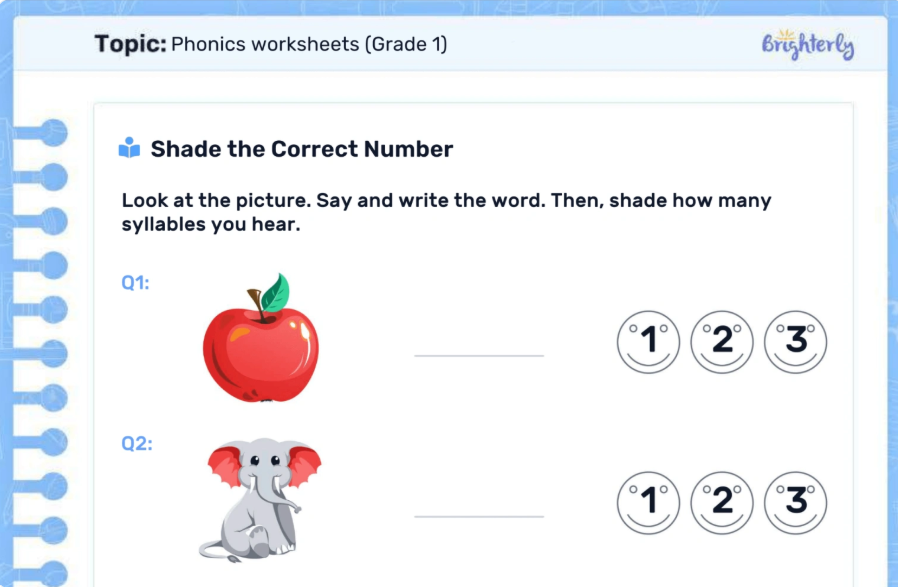
These kinds of early reading materials shape long-term habits of decoding in reading. The most severe reading-related issues appear when pictures disappear and texts become more complex. If you decide to practice with decodable books and specialized worksheets, your kid’s brain will rely on letter–sound relationships and more accurate reading and independence.
What are encoding in reading examples?
Encoding in reading is, for example, when children hear the word frog and write f-r-o-g. It means they are breaking a spoken word into individual sounds /f/ /r/ /o/ /g/ and matching each sound to a letter.
Note that at first, your child may spell words the way they hear them. Jump might become “jup.” Train might sound something like “chrain.” This is an example how kids hear words, and how they apply their sound knowledge.
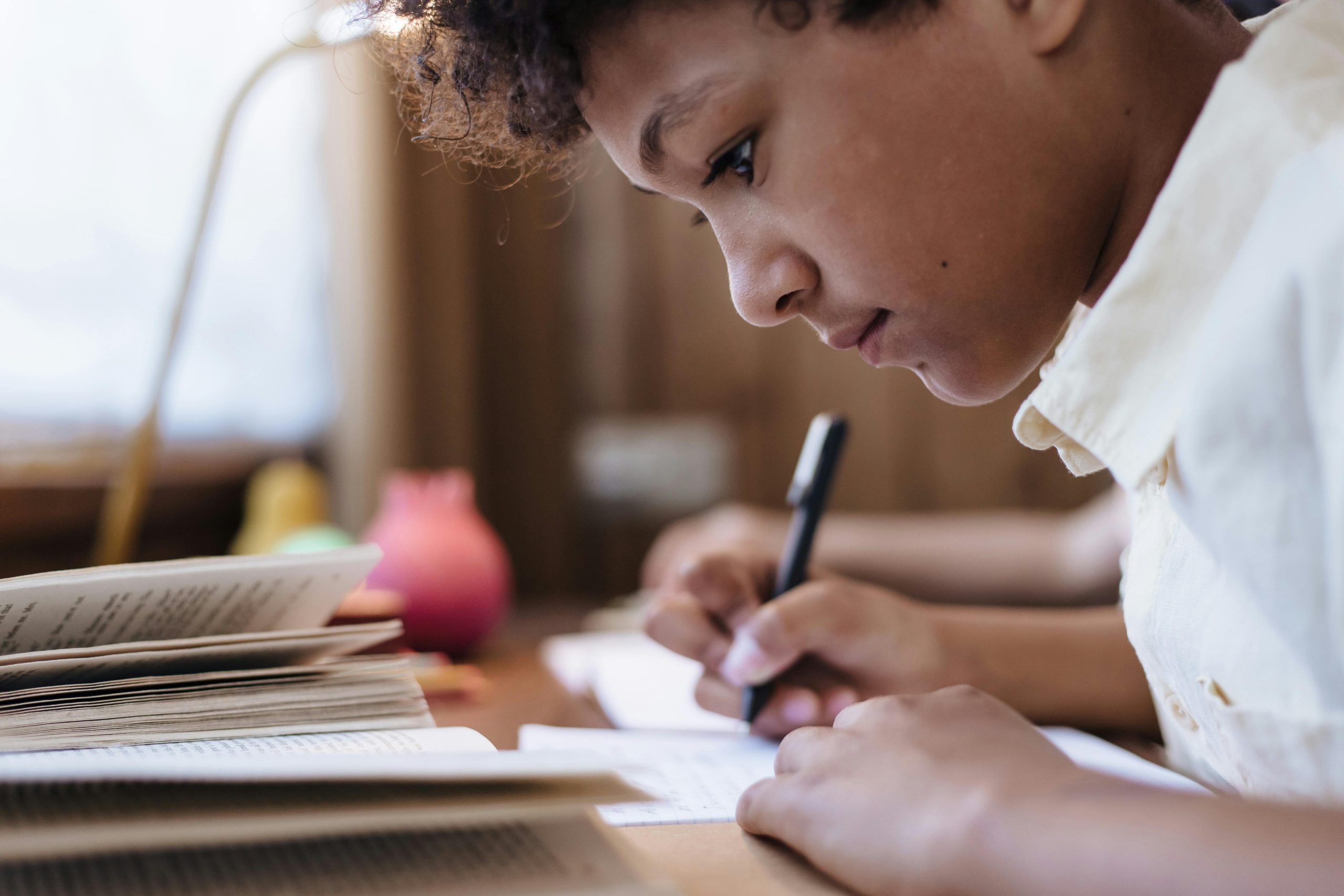
When a child has developed skills to decode and encode in reading, it’s much easier for them to show accurate spelling (time to be proud of your kid!). However, when encoding skills lag behind decoding, children can read a word correctly but struggle to write it later, and at this very moment, parents start to notice something doesn’t quite add up.
Note: If the topic of early reading disabilities resonates with you, check out this comprehensive article to help you understand them better.
What is the difference between decoding and encoding in reading?
Direction is the most laconic answer to the common question What is the difference between encoding and decoding in reading? It’s easy to imagine a 2-way road:
- Decoding moves from print to speech.
- Encoding moves from speech to print.
One helps read words on a page. The other helps spell and write these words correctly.
Let’s look at the decoding definition in reading. Decoding is the process of translating written letters into spoken sounds. When someone can decode, they see a word (for example, lamp), recognize each letter, blend the sounds, and read it aloud. So, once someone is able to decode, they can figure out how to read any new word.
Encoding, in its turn, works in the opposite direction. A child hears the word lamp, breaks it into sounds /l/ /a/ /m/ /p/ and writes the matching letters. The real difference between encoding and decoding in reading is the mental route the brain takes. In decoding vs encoding, the same letter–sound knowledge is used, but in reverse order.
Decoding vs encoding in reading: Why the gap slows progress
Decoding and encoding in reading are tightly linked. When one develops faster than the other, your child may hit a wall without a clear reason why.
For example, someone might read the word basket correctly but spell it as baskit. Another common case is recognizing the word friend while reading, but spelling it as frend when writing. This is a typical picture: the brain can recognize sounds while reading but cannot fully reproduce them in writing.
The opposite can also happen, but not so often. Then, a child spells words correctly but struggles to read unfamiliar ones. They know individual sounds but cannot blend them smoothly while reading. In both cases, the gap weakens automatic word recognition.
Coordination between both processes is essential. Reading strengthens spelling memory, and spelling strengthens word recognition. Unfortunately, without this connection, a child can’t recognize new words and may repeatedly return to the same mistakes.
Note: According to the literacy statistics for kids in the U.S. (2024–2025), only 3 in 10 of 4th graders read at a proficient level. These figures suggest that coding skills should be taught as early as possible to master literacy.
I’ve noticed that when parents get interested in the topic of what is encoding and decoding in reading, it might be an indication that one part of the system needs more attention. Most advanced and progressive parents start looking for computer software focused on phonics and try individual lessons with a tutor for at least a few months to improve their skills.
Signs that a child struggles with encoding and decoding in reading
- Figuring out the words takes so much energy that a child can’t even think about what it means.
- A child guesses words instead of sounding them out.
- A child avoids unfamiliar words or skips them. When parents ask to “sound it out,” it makes them more frustrated.
- A child has already learned to read a word correctly, but cannot spell it later.
Spelling the same word changes from day to day.
You might also notice hesitation. Your child pauses often, tries multiple versions of a word, or looks for clues in pictures instead of letters, and sometimes you can see them on the verge of crying. It’s all because phonics knowledge isn’t fully automatic yet, and it takes time and much practice to reach the point where a child takes pleasure in reading.
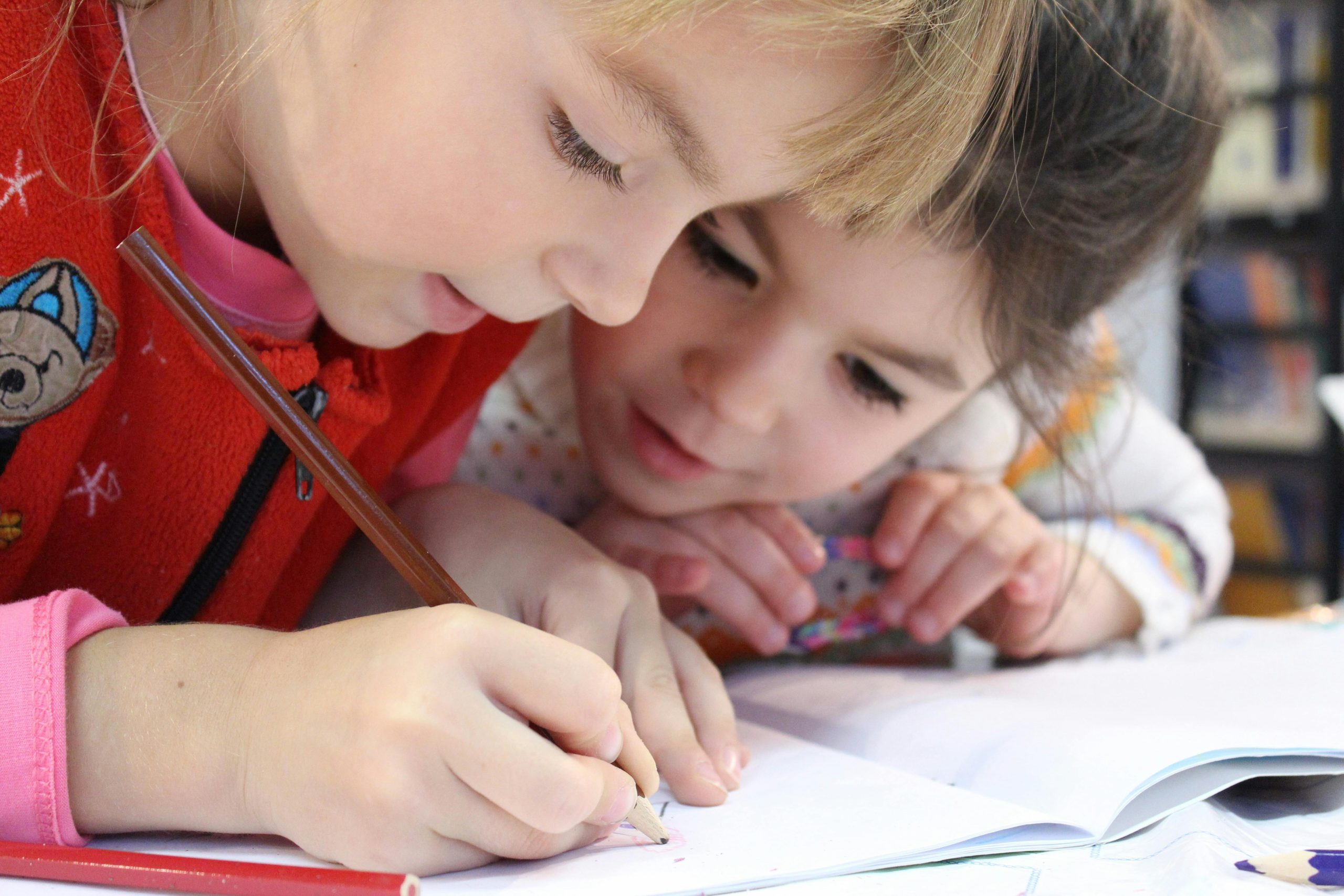
Writing can reveal more! If your kid spells words exactly as they sound (e.g., sed for said), it shows they are trying to apply sound knowledge, so the system is still under construction.
Children may also rely on memory or guessing, which is okay for familiar words, but once new vocabulary appears, they make mistakes.
What should be taught first, encoding or decoding?
Usually, decoding comes first, but encoding should begin alongside it as both develop from the same phonics foundation.
- Decoding is typically introduced earlier, between ages 5 and 7. When a little reader learns that letters represent sounds, they actually start understanding how languages work.
- Encoding strengthens the same knowledge from the opposite side. While spelling, kids must analyze each sound and choose the correct letters.
From my teaching experience, the most effective approach is to teach both decoding and encoding in reading together. Children should read a word and then spell. This coherence allows to prevent situations where one skill moves ahead while the other falls behind.
Conclusion
When a child struggles with reading or spelling, the root cause might hide in the balance between decoding and encoding. You’ll recognize why your child’s progress slows and how to restore it if you understand these processes yourself. According to the national assessment, many children reach 4th grade without a solid reading base.
To avoid the issue, don’t delay with targeted 1:1 lessons on the Brighterly platform.
Book free reading lesson today and let the child strengthen both skills to move forward with greater independence in school and life.


The choice between Course Hero vs Chegg in 2026 should eventually depend on whether you need textbook-verified answers (like those in Chegg) or community-uploaded study notes (like those at Course Hero). This comparative article aims to help you select the best supplemental support for your needs and budget. Key points Course Hero offers school-specific study […]

Feb 26, 2026

When you read a lot, you usually start to wonder about keeping track of your reading history and progress. Among the ways to do it effectively is to use a digital solution designed exactly for that purpose. Whether you want it for yourself, your kid, or the entire family, there are options for all. To […]

Feb 28, 2026
Math & reading from 1st to 9th grade
Looking for homework support for your child?

Choose kid's grade

Math & Reading for Grades 1–9
Build real confidence for your child with a Brighterly math or reading tutor.