How to Raise Confident Kids Without Pressure or Perfection
reviewed by Laila A. Lico
Updated on March 4, 2026

How to boost kids confidence? Is confidence genetic, or does it grow at home? Is self-esteem luck or personality, or is it shaped by everyday parenting? I’ll try to answer all these vital parents’ questions in this article and provide some practical tips on how to raise a confident child.
Key points
- Confidence is not inherited, but daily parental support and encouragement are vital in building confidence in children.
- Emotional intellect and self-esteem are deeply connected.
- Independence, effort-based praise, and safe learning environments help kids build confidence.
- Brighterly provides a safe place for children to open their potential and strengthen self-belief.
What are the signs of a happy confident child?
- Children are willing to try new things, even if success isn’t guaranteed.
- They speak up about their needs and feelings without fear.
- They show curiosity in learning and don’t give up even if they need to work hard to achieve a result.
- They can spend time independently, and usually, they don’t seek approval for every small thing they do.
- They are able to cooperate, share, and resolve small conflicts without the interference of adults.
- They handle mistakes without any drama. Typically, they react to feedback calmly and use it to improve, and don’t perceive it as a personal attack.
If you think that a confident child is the center of attention, they are loud and expressive, you may be wrong. Confidence shows up in everyday things, such as how children talk, learn, solve problems, and, crucially, how they react to challenges.
So, building confidence in kids means developing a steady “I can try” mindset. And if we consider all things, it all boils down to obtaining new life experiences, while feeling secure enough to try, fail, learn, and try again.
Feeling secure is essential. For example, when kids learn in a place that they perceive as safe, receive timely feedback and encouragement when they need it, they step outside their comfort zone without fear of failure. Unfortunately, I’ve seen it many times, when this feeling of safety couldn’t be achieved either at school or at home. For many reasons. Some of them were connected with parents’ hyper-expectations from their child and inability to build confidence in kids, and sometimes because of certain learning peculiarities, such as ADHD or dyslexia that prevented a child from growing self-confidence.
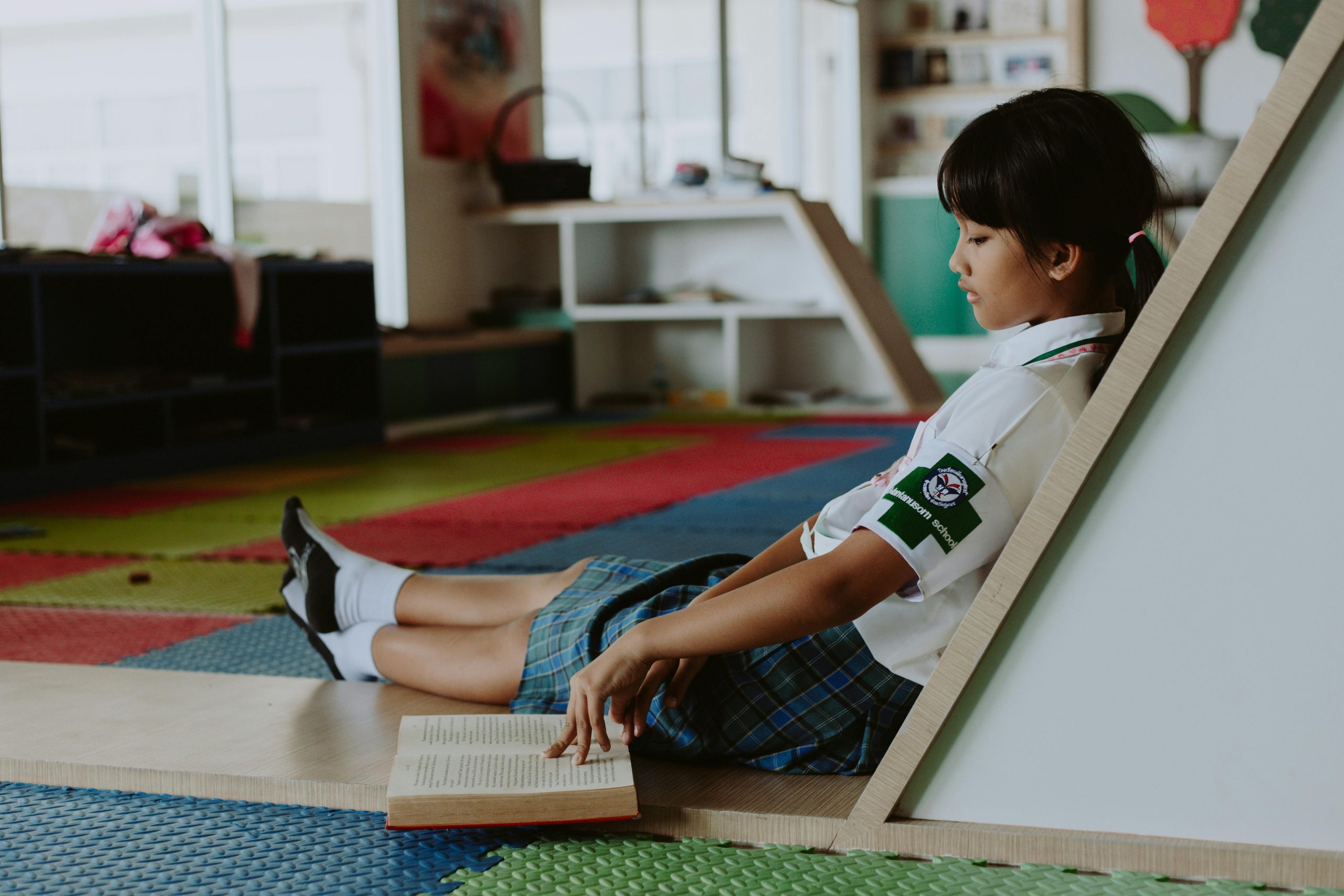
Either way, a faith-restoring climb was needed so that a child could disclose their potential, and I’ve seen great results when such children started individual lessons with tutors on the Brighterly math and reading learning platform. They receive personalized feedback from Brighterly tutors who know how to help kids build confidence in a safe space, where it’s okay to make mistakes, fail and try again.
What are the signs of low confidence in kids?
If you note that your child:
- gives up quickly when facing a problem, believing they are not good enough.
- struggles to express their emotions in words and may say very little about how they feel, which is a real obstacle when parents try building confidence in kids.
- rarely ask for help, even when they are upset, frustrated, or overwhelmed.
- reacts strongly to feedback or criticism and may cry, shout, break things, or shut down emotionally,
You’d better not ignore these signs. Your child may not learn how to talk about their feelings, resolve social situations, or develop the necessary problem solving skills. So, these are signs that both confidence in children and emotional growth may need more attention.
Low confidence and low self esteem for kids are linked to emotional development. A child’s emotional intellect helps them understand their feelings, better regulate reactions, and develop a healthy sense of self. Yet the research from Hartstein Psychological Services indicates that when emotional skills don’t develop properly, it becomes harder for children to feel secure and capable.
On the other hand, healthy emotional intellect is visible when a child can express feelings through words or creative activities, listen to others, and accept feedback calmly. These skills help kids become more resilient in learning and life.
What causes low confidence in children?
Low confidence in children almost never has a single cause, but develops through everyday experiences at home, at school, and in social relationships. Every interaction can either build or weaken a child’s sense of self worth.
Home environment
Parents play a massive role in building confidence in children. Research by psychologist John Gottman, author of Raising an Emotionally Intelligent Child, shows that many parents unintentionally use more criticism than encouragement, with 5:1 ratio of negative to positive comments. This causes a child feel they are never “good enough,” weakens their self-esteem and motivation.
School experiences
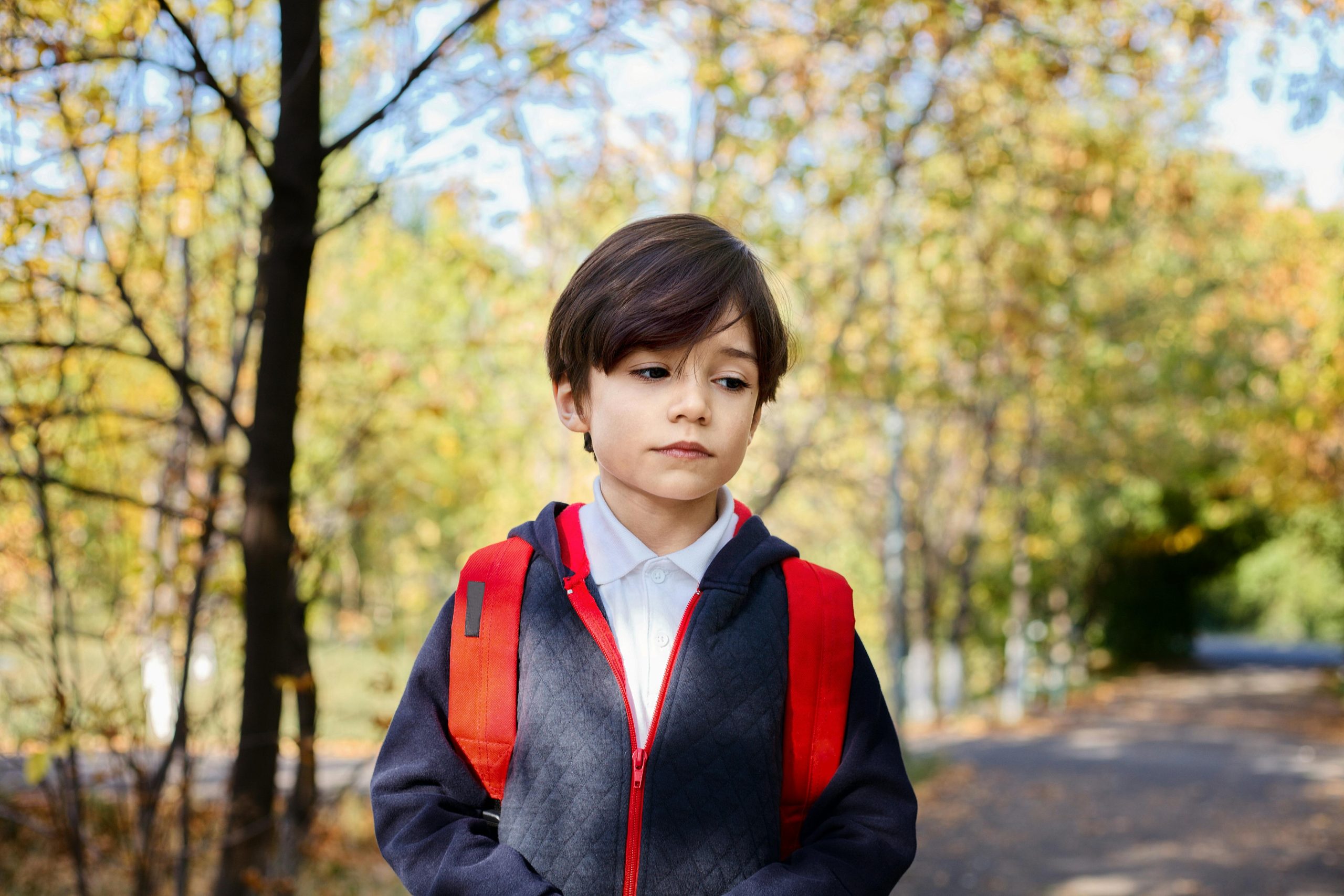
Academic struggles or constant comparison with other kids can damage confidence. When a child tries hard but receives little recognition, they may stop trying, put the brakes on effort, and avoid challenges to protect themselves from failure. Therefore, teaching kids confidence is a hard job for education professionals alongside teaching math or reading.
Peer relationships
Friendships shape confidence enormously! Good and supportive peers are invaluable for children to feel accepted, while exclusion, bullying, or constant comparison through social media create a negative self-image and low self-esteem.
Why raising confident kids starts at home
Raising confident kids begins long before school. It starts in daily conversations, reactions, and emotional connections at home. Few will miss the importance of emotional safety, but many underestimate its impact. When a child feels accepted at home, they develop the inner belief: “I am capable. I can learn. I can grow.”
So, how to build a child’s confidence at home? Adults should ask this question more often when interacting with a child, and try to make them valued for who they are, not just for their results.
Praise is also vital. Praising effort helps children connect success with hard work.
Finally, adults must always remember that children learn by observing. If parents handle mistakes with positive thinking, try again after failure, and maintain a healthy mindset, children adopt the same approach. This is how to teach confidence to a child – through your own daily example.
How to build confidence in kids step by step
- Give children choices
- Teach children to handle mistakes
- Help them develop hidden skills
- Encourage healthy independence
Give children choices
Let your child make age-appropriate decisions: choosing clothes (maybe gadgets), fun activities, or solving small problems; all these will develop independence and self-trust.

Teach children to handle mistakes
Mistakes are essential for growth and handling them is one of the ways to build self esteem. When parents stay calm and treat mistakes as learning opportunities, children learn to stay calm too. Further on, they stop fearing failure and become more confident problem solvers.
Help them develop hidden skills
Every kid has their own “superpower”, but they need conditions to disclose it. Sometimes, to accelerate this process, extra support is needed. For instance, learning with Brighterly tutors creates conditions for children to learn at their own pace, gradually fill the gaps and develop academic, creative, or social skills, which strengthen their self-esteem. You can book free lesson and check out how the real confidence boosters work!
Encourage healthy independence
How to build self esteem in children? A proven method is to let your child try, struggle, and solve problems without immediate intervention. Yes, this process might be uncomfortable at first, but it teaches children that they are capable of handling challenges through action by themselves (with slight supervision from parents).
What activities build confidence in children?
- Personalized learning with a tutor
- Creative activities for self-expression
- Everyday responsibilities and problem-solving
- Sports and mastering new abilities
Note: Confidence building activities for kids are helpful when a child needs more emotional strength and belief in their own ability.
Personalized learning with supportive tutors
Learning in a safe, encouraging environment is not a privilege but a must for building confidence in children. Brighterly lessons focus on effort, progress, and emotional comfort, so every child gets the base they need to reach their full potential.

Experienced tutors, a fun and interactive approach to learning, visual support of difficult subjects, such as math and reading worksheets, make school easier and the future brighter, because kids stop doubting their ability.
Creative activities for self-expression
Every child needs some kind of creative activity to express their ‘self’. It can be anything from drawing and storytelling to music and dancing to playing chess. Help your child recognize what they are good at and encourage this activity. When kids create something on their own, they experience a remarkable sense of accomplishment. They begin to see that their ideas have value, which helps build kids’ confidence.
Everyday responsibilities and problem-solving
Organizing their space, helping at home, or solving small daily problems teach kids confidence by showing they are capable and reliable. Each completed task sends a message to the child: “You can do hard things.”
The Psychology Today article survey indicates that children who regularly complete age-appropriate responsibilities demonstrate self-belief and stable mental health.
Sports and mastering new abilities
Mastering physical skills also makes self-esteem flourish. Riding a bike, learning to swim, or any kind of sports, each new skill helps children develop a stronger sense of self and body awareness. On the contrary, a child with poor body awareness may find it difficult to perform well at school: sitting still or focusing on tasks in class, or doing homework.
How to build confidence in a sensitive child?
- Support without rescuing immediately. When a child struggles, the instinct is to fix everything. But confidence grows when children solve small problems themselves. If your child hesitates, pause. Give them time. Let them try. Then offer gentle encouragement: “Take your time. You can do this.”
- Focus on effort. Sensitive children acquire labels of “shy” or “weak,” which can damage their self-image. But a sensitive child can become a confident child when you focus on effort and progress. Say: “I saw how hard you tried. You were so strong and cool even when it was difficult!”
- Prepare them for new situations in advance. Sensitive kids feel safer when they know what to expect. Before a new class, activity, or social event, explain what will happen: “You’ll meet a teacher, sit at a desk, and try a few tasks. I’ll be nearby.” This is how to build confidence in children with excessive sensitivity.
Note: Sensitive children (especially HSPs, or highly sensitive persons) develop strong self-esteem when adults provide steady emotional support without overprotection. Their nervous system processes experiences more intensely and their confidence grows differently, and they might need more confidence boosters.
How to build confidence in teenager?
- Respect their growing independence. Teenagers need autonomy to develop a strong sense of self. Allow them to make decisions, express opinions, and solve problems, even if they make mistakes. Meanwhile, help them understand how social media and peer pressure can affect their self-perception.
- Stop being their evaluator. Teenagers resist direct control. Instead of criticizing, listen first and make your child feel heard. Show them how to handle challenges and setbacks by modeling confident behavior yourself. Support their interests, even if you don’t necessarily agree with them.
Finally, when a teenager can make their own decisions, face real consequences, and see for themselves that they can handle challenges, this is exactly how parents build confidence in kids that lasts into adulthood.
Conclusion
When parents encourage effort, independence, and resilience, children develop lasting self-esteem. Meanwhile, supportive learning environments, such as Brighterly, reinforce this progress with personalized feedback. Would you like your child to begin to believe in their own abilities?
Book free lesson at Brighterly today!


Response to intervention is a supportive school framework that helps every student who may struggle with grade-level lessons succeed. Let’s figure out how RTI works and how early support affects academic future. You’ll also learn specialized strategies that can help your kid get the exact level of attention they need to thrive. Key takeaways RTI […]

Feb 25, 2026

The choice between Course Hero vs Chegg in 2026 should eventually depend on whether you need textbook-verified answers (like those in Chegg) or community-uploaded study notes (like those at Course Hero). This comparative article aims to help you select the best supplemental support for your needs and budget. Key points Course Hero offers school-specific study […]

Feb 26, 2026
Math & reading from 1st to 9th grade
Looking for homework support for your child?

Choose kid's grade

Math & Reading for Grades 1–9
Build real confidence for your child with a Brighterly math or reading tutor.