How to Study with ADHD: 10 Tips for K-12 Students (and Parents)
reviewed by Franz Jerby Delos Santos
Updated on March 25, 2026

You may recognize this situation: your kid’s schoolwork turns into a constant procrastination. This is common for children with ADHD – not because they are lazy, but because staying focused is genuinely harder for them.
As a teacher, I know that those kids need a slightly different approach. That’s why, here, I share strategies on how to study with ADHD backed by scientific research.
Key Points
- ADHD doesn’t affect a child’s intelligence, but it can make it harder to stay focused and avoid small distractions.
- Studying becomes easier when tasks are well structured, and children are taught to manage their time step by step.
- The learning environment matters: quiet space, an organized desk, and a comfortable atmosphere directly support concentration.
- A child’s lifestyle strongly influences learning success. Quality sleep, balanced nutrition, and regular physical activity are essential.
- The best way to study when you have ADHD is to work with a professional tutor who knows the subject and understands how to teach children with ADHD. You can find such tutors at Brighterly.
Why studying feels harder with ADHD: Common challenges
First, it’s essential to understand that ADHD is not “bad behavior.” It’s a difference in brain development that a person is born with. In children with ADHD, the parts of the brain that control attention, self-control, and planning work a little differently. This isn’t bad, it just makes it harder for them to stay focused and avoid distractions.
Second – it’s important to know – ADHD does not affect intelligence. Many excellent students and successful adults have ADHD without even realizing it. But knowing about it can make life easier – it helps reach goals and manage daily tasks. After all, ADHD affects the quality of life. It is difficult for such people to stick to routines or work deadlines; they often forget some things/tasks; they can be a little more emotional in communication.
What are the signs of ADHD while studying?
- Some kids with ADHD show hyperactivity.
- Focusing on one task for a long time can be really hard.
- Even small noises, social media, or random thoughts can easily pull attention away.
- Putting off important tasks until the last minute.
- Their workspace is messy or hard to organize.
- Sometimes kids get tired quickly; other times, they hyperfocus on tiny details.
- Deadlines get missed.
- Impulsive answers or reactions can happen in class.
Basically, ADHD and studying relation is revealed in the way that the brains of such students don’t like long, boring tasks or exhausting routine. But don’t worry, dear parents! This isn’t a big problem – it just means the study routine needs a little tweaking.
Note: If you’re looking to learn more about this disorder and explore proven figures, check the article on the ADHD statistics.
ADHD study tips for students with attention challenges
- Study with a qualified tutor
- Minimize background noise and distractions
- Keep your study space clean and organized
- Break tasks into small, manageable steps
- Use short, timed study sessions
- Use visual timers or set artificial deadlines
- Rewrite notes by hand
- Study with others (body doubling)
- Add physical activity to your routine
- Use creative activities to reset your focus
Study with a qualified tutor
The first thing I’d suggest is choosing a teacher who knows how to help ADHD kids study. Research by the Royal College of Psychiatrists in Scotland in 2023 shows that a good mentor can make a significant difference. With solid guidance, kids don’t get distracted because the material is hard – it’s usually because there’s no clear structure to the learning.
I should say that finding teachers like this can be tricky, but luckily, e-learning services like the Brighterly math and reading platform address these specific issues. Here, tutors not only know their subjects, but also how to help kids who struggle to concentrate. Their approach is really clear and step-by-step.
First, all teachers are carefully selected, certified, and experienced. Second, they do an initial test to see what your child already knows. Based on that, they create a made-for-you learning. From there, they go through topics bit by bit.
Third, so that the child doesn’t lose focus, teachers prepare various materials for lessons. They mix games, animations, discussions, and different ways to practice what’s been learned. This careful approach really “pays off” in the end. Kids stay focused and actually enjoy learning with ADHD.
And here’s a little bonus: Brighterly has free math tests and reading tests, so you can try them with your child and see which topics need a bit more work. Later, you can download themed reading and math worksheets for extra repetition, also free.


Check the basics behind this term
Take our quick quiz to discover the perfect learning solution based on your child’s needs.
How to learn with ADHD? Minimize background noise and distractions

The ADHD brain is usually very sensitive to different sounds, even background ones. That means nearby chatter, a low hum, or even moderate noises like the ticking of a clock can easily throw a child off. The 2023 study published in the Frontiers in Neuroscience supports this.
But the issue is easy to fix. Give your adolescent some quiet time, or use noise-canceling headphones. Another trick is to play “white noise” from YouTube through headphones (it blocks out distractions and helps with focus). Instrumental music, nature sounds, or “music for studying” playlists can also work. It really depends on what feels comfortable for students with ADHD.
Keep your study space clean and organized

Being an adult, I still can’t work properly when there’s a mess around me, chaos on the desk, books and notebooks everywhere, plates, trash. All of this is distracting, and for a child, even more so. There’s a simple rule: “A tidy desk, a tidy mind.”So try organizing your child’s study space together and make it a place that feels calm and pleasant.
For students living away from home, finding a calm and well-organized place to stay is a challenge. But platforms like Amber make it easier for new aspirants to explore quiet, comfy housing options that fit their budget.
Here’s another simple idea on how to learn with ADHD. The 2004 research published by the American Journal of Public Health shows that studying outdoors or near a window with natural sunlight can reduce inattention and improve mood simultaneously.
Note: If you’re planning a room makeover, choose calm, muted colors: soft blue, light mint, or other neutral shades. These details really do affect the brain.
Break tasks into small, manageable steps
If you’re not working with a tutor, help your child break schoolwork into clear, simple parts. For example, don’t try to learn a whole math chapter on fractions and percentages in one evening. Instead, plan 30 minutes to watch an educational video and about an hour to practice exercises. Structure really is a solution for studying with ADHD.
This way, homework doesn’t feel like something overwhelming that requires too much effort, which often leads to procrastination. The brain thinks differently: “Okay, I can handle this today.” And the faster the task is done, the faster there’s time to play, rest, or meet friends. Many psychologists talk about this approach in interviews and recommend it for children with ADHD.
Use short, timed study sessions

We’ve figured out what to study, but what about time? The best study method for ADHD is the Pomodoro technique. The idea is simple: learning is mixed with short breaks. In practice, it looks like this: set a timer for 20-25 minutes – this is focused work time. Then take a 5-minute break to rest, grab a snack, or stretch a little. After a few cycles, the break can be longer.
These time blocks are just a guideline; you can adjust them to what works best for your child. From my own experience, I’ve noticed that longer sessions can sometimes work better: about 1.5 hours of study with a 20-minute break. For me, 20 minutes isn’t always enough to really get into a topic. Everyone’s different, so experiment and find what works – that’s often the best way to study with ADHD.
Use visual timers and other study tools
This one is simple. If the Pomodoro technique feels confusing, just use clear time limits. For example: “In 30 minutes, this exercise should be done,” or “In two hours, this topic is finished.”
You can make these deadlines visible. Put an hourglass or a digital timer on the desk. When time is right in front of their eyes, the brain understands it better. There are also plenty of timer apps and online timers you can use.
Note: When planning study time, parents should always add a small buffer, about 10 extra minutes, for distractions. This helps lower stress if things take a bit longer than expected.
Learning techniques for ADHD – Rewrite notes by hand

Let’s say you’ve tried all the previous study tips for ADHD, and your child is studying with better focus. Here’s one more life hack that really works. Ask your child to write things down by hand – rewrite their own notes or jot down key ideas from a text.
When a child writes by hand, the brain works harder. They don’t just copy words: they think, process, and repeat the information at the same time. Because of this, new material sticks much better and stays in memory longer. This effect has been supported by scientific research published in 2025 in the Life(Basel) journal.
Note: You can read more about ADHD and writing in this article.
Study with others (body doubling)
ADHD: how to motivate yourself? Some kids don’t even need all the tips above; they just need to be around others who are studying too. Scientists call this “body doubling.”
It works because it’s much harder to get started on studying alone. But when everyone around you is quietly reading or working, it’s like your brain says, “Okay, I’ll do it too.” Research shows this helps kids finish tasks faster and stay focused longer. It’s not about someone watching over you; it’s just the subtle effect of the environment.
And it doesn’t matter if it’s in person or online. During COVID, I know that some kids would just call friends on WhatsApp and study together silently, no talking, just studying. Give it a try!
Note: To understand your child even better, check out these articles: ADHD and math and ADHD and reading.
ADHD study tips: Add physical activity to your routine
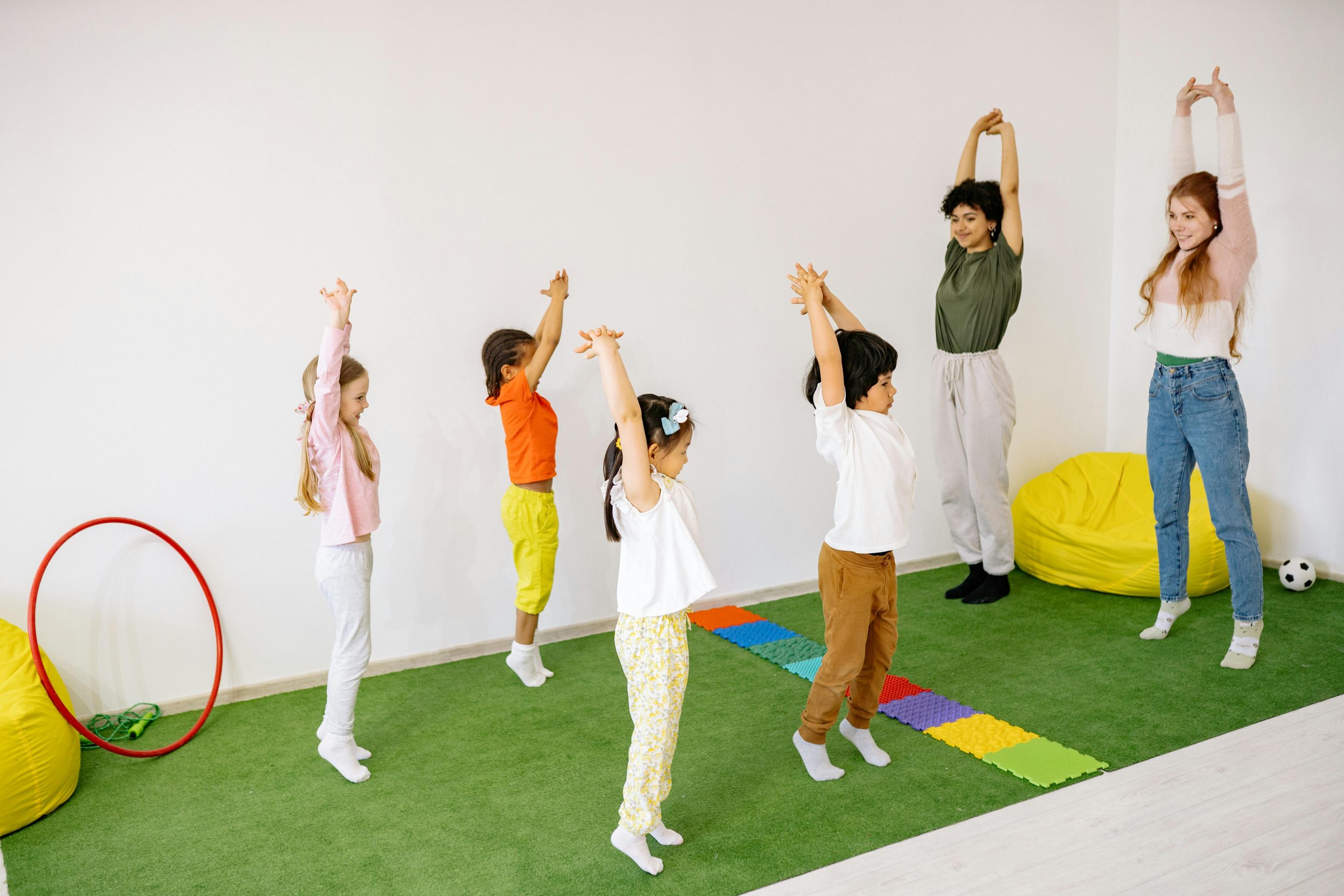
I’ll talk more about lifestyle later, but here’s a quick tip: moving your body helps kids with ADHD focus better. A short 10-minute walk around the house, some stretches, or even a few jumps in between study sessions can make a big difference, as according to the 2021 research published in the Biomed journal.
Also, let the fresh air in! Open windows regularly, and in warm weather, if possible, let your child study outside. The 2024 research published in the American Journal of Public Health shows that learning outdoors can boost focus and improve mood.
Study methods for ADHD: Use creative activities to reset your focus

If your child is creative, let them use it! Drawing, singing, or playing music can actually help the brain get ready to focus. As suggested by the 2021 research published in the Journal of Attention Disorders, when different parts of the brain are active, attention and thinking work better. So let them doodle during breaks or warm up with a song before starting – it’s a great boost for tackling tasks.
How to focus on studying with ADHD?
- Start with a small, realistic learning goal. The easier it feels to begin, the less mental resistance there is.
- Create a cool learning environment for yourself or your child with rituals (play calm music, have some snacks nearby, maybe light a scented candle, or keep a favorite toy close)
- How to get motivated with ADHD? Even colorful markers and nice pens can help make taking notes more enjoyable.
- If your child learns better with others, try this: imagine someone they respect doing the same task – it can boost focus.
- Struggling to start? Promise yourself you’ll just open the task for two minutes. Most likely, the brain will get used to it, and you will continue to work.
- ADHD study habits: Celebrating small wins helps the brain link learning with positive feelings. If the child feels better after they have done everything, draw their attention to this feeling, and ask them to remember this emotion! Maybe next time it will be easier for her to study.
Note: If your child has extra thoughts, have them write them on a piece of paper. Later, they can come back to it. This method is called ‘parking’ and helps them focus on studying.
What are the best study habits for ADHD?
- Sleep. Make sure your child gets enough rest, 7-9 hours per night. According to the 2023 study published in Sleep Medicine, up to 70% of kids with ADHD have sleep problems, which directly affects their ability to focus.
- Physical activity. Kids who are active and play sports tend to focus better and stay healthier.
- Nutrition. Make sure your child eats well, drinks enough, and keeps a balanced diet.
- Meditation/hobbies. Let your child do something calming and enjoyable. Listening to meditation or doing a relaxing hobby can also help improve focus – see what works best for them.
How to study effectively ADHD: Conclusion
I hope you’ve picked up some useful techniques by now. Most of these tips come from psychologists and research, but I also added my perspective as a teacher who works with children. So, this article isn’t a medical rulebook – it’s my view on ADHD and how to study effectively with it.
Iʼd like to emphasize: don’t scold your child for getting distracted, help them instead. Organize their tasks and create a positive study environment. If they need to catch up on material, be patient.
If you want professional support that really considers your child’s needs, check out Brighterly’s reading and math program. A good mentor is one of the best study strategies for ADHD. Brighterly’s teachers guide students step by step through any topic. You can even book free lesson to see if their approach is a good fit for your child.

If searching for a reading platform has led you to consider Reading Eggs vs Hooked on Phonics, then you will want to know the difference between the two. As a reading tutor with years of experience, I want to help you make the right choice for your child’s education. Here, I will compare the features, […]

Feb 12, 2026

These days, more and more kids are used to having cellphones and tablets in their hands instead of books. In this setting, a digital library might be one of the most effective solutions to encourage your child to read. As a tutor, I often get asked if the Hoopla app is a solid option. That […]

Feb 13, 2026
Math & reading from 1st to 9th grade
Exploring alternatives?
Take a short quiz!

Choose kid's grade