What Is RTI in Education? Guide to Supporting Struggling Students
reviewed by Franz Jerby Delos Santos
Updated on March 4, 2026

Response to intervention is a supportive school framework that helps every student who may struggle with grade-level lessons succeed. Let’s figure out how RTI works and how early support affects academic future. You’ll also learn specialized strategies that can help your kid get the exact level of attention they need to thrive.
Key takeaways
- RTI is a three-tiered framework meant to identify and support students the moment a learning gap appears.
- Support scales from high-quality whole-class lessons (Tier 1) to targeted small groups (Tier 2) and, finally, intensive 1:1 sessions (Tier 3).
- Movements between tiers are based on factual reports to allow students to exit intervention as soon as goals are met.
- Supplementing school efforts with Brighterly’s free worksheets and/or online 1:1 tutoring helps retain new skills and reduce academic anxiety.
Note: To complement the RTI strategies used in the classroom, you, as parents, can provide a helpful extra layer of support at home with 1-on-1 tutoring at the Brighterly math and reading platform to mirror the personalized instruction.
What is RTI in education?
Response to intervention (RTI) is a three-part framework that schools apply to help students who struggle with math or reading (predominantly). It focuses on finding learning gaps early. Teachers provide extra help in small groups and track a child’s progress closely. The goal is to provide every student with the right level of support to reach their grade level goals.
RTI isn’t a specific classroom or program. The RTI education meaning refers to a proactive system of tiered support. It’s meant to catch kids before they fall behind. It allows teachers to step in the moment once a ‘knowledge gap’ appears. Besides, RTI is a key part of the process schools employ to identify if a kid has a learning disability and needs a formal evaluation for special education services (like an IEP).
Key RTI components and structure
Universal screening (check-up)
Before any intervention starts, schools perform a sort of ‘check-up’ on every student. Usually, it happens three times a year. These are quick assessments or reviews of schoolwork, and their aim is to identify which kids are on track and which ones might be starting to drift behind in math, reading, or behavior.
The three tiers of RTI support system
- Tier 1 – Primary prevention. In the whole class, for all students, the teacher holds high-quality and research-based lessons. About 80% of kids succeed here.
- Tier 2 – Secondary intervention (small group help). The next one is for students who aren’t making enough progress in Tier 1. Such students receive extra ‘booster’ sessions in small groups.
- Tier 3 – Tertiary intervention (intensive support). The 3rd tier is for students who need the most help. It’s very focused, primarily 1-on-1, is more frequent, and lasts longer than Tier 2.
Progress monitoring with a scorecard
This is the most important part of the response to intervention model. To figure out if a child is doing better, teachers analyze data: They give brief weekly tests to students in Tier 2 or 3, and if the learning curve is flat, the school knows they need to change the teaching strategy.
Evidence-based adjustments
And finally, teachers and parents meet to look at the progress monitoring reports. If progress is good, the student might move from Tier 2 back to Tier 1. Yet if progress is slow, they might move to Tier 3 for more intense help.
What does RTI stand for in education?
RTI stands for in education as targeted support for those who have any difficulty with academic tasks. Instead of a fixed program, through differentiated instruction, teachers adjust their lessons based on your kid’s performance. They ensure their lessons are never too hard or too slow for every student’s current level.
What is the RTI process?
The RTI process begins with a school-wide check to identify students who need help. Then, these students get targeted lessons in small groups. Teachers afterward use regular tests to track their progress. And this information helps the school decide if the student needs more support, a change in teaching style, or can return to standard classroom lessons.
How does RTI work?
Before the school moves a student into a specific group, they often perform a gap analysis. It’s the literal difference between your kid’s current skill level and where the state standards say they should be.
Note: You can use Brighterly’s math tests and reading tests at home to see this gap yourself early. These free and printable tests identify exactly which concepts your kid’s missing, so you can address them with a 1-on-1 tutor before the school even begins its official cycle.
If the school identifies your kid needs extra help, they draw an aim line on a progress graph. This line represents the path your child needs to take to reach their target by the end of the RTI process (usually 8 to 12 weeks). Each week, the teacher records a score on the graph. If the scores stay below the Aim Line, the process requires the school to change the teaching method immediately.
Besides, the school checks to make sure the extra help is being delivered exactly as it was designed. For instance, a school leader may observe the session to ensure it happens for the full number of minutes and employs the correct materials.


Most schools use a standard treatment protocol during the first few weeks of the response to intervention process. It means that the school applies a specific curriculum based on scientific practices and proven to work for most students. Giving all students in a group the same high-quality lesson enables teachers to easily see who’s responding to the help and who might need a more customized approach.
If a student doesn’t show enough growth during the ‘standard treatment’ phase, the response to intervention (RTI) process shifts to a problem-solving model. It implies stopping the use of the pre-made plan and creating a unique strategy specifically for your kid’s knowledge gaps.
Overall, the RTI process isn’t permanent. It’s, in fact, a series of decision points. At the end of an intervention cycle, the school uses the collected data to make one of three choices:
- Exit. The student met their goal and can return to standard classroom lessons.
- Continue. The student is improving but needs more time at the current level.
- Intensify. The progress is too slow, and the student should move to a more intensive tier of support.
RTI strategies
Practice at home: Worksheets and skill reinforcement
Even though school-based tiers provide the structure for help, home reinforcement ensures that these new skills are locked in through repetition and individual focus. You can browse free downloadable Brighterly’s math worksheets and reading worksheets and pick those ones that address specific ‘knowledge gaps’ identified in RTI screenings.
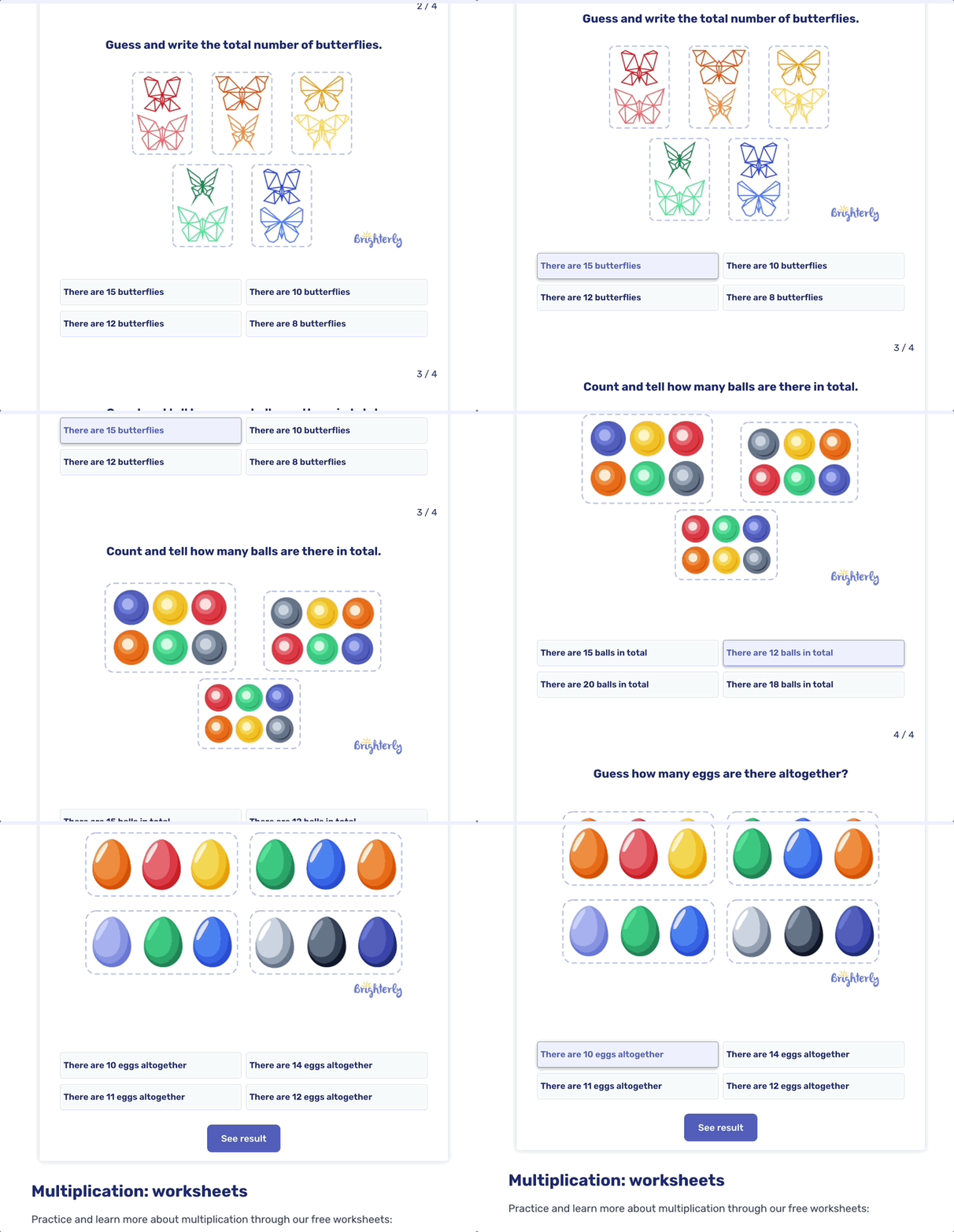
RTI in education examples for literacy often focus on phonics and comprehension, for instance. Brighterly’s reading sheets provide diverse texts that encourage ‘repeated reading’ needed for building fluency. Clear answer keys (included) will allow you to provide the immediate and positive feedback that research shows is vital for student motivation.
Note: A study in Child Development emphasizes that ‘cognitive stimulation – like worksheets – works best when paired with ‘emotional support.’ When parents maintain a warm and encouraging tone during home practice, kids show greater gains in math and reading.
Use a worksheet to master one specific skill per session. Yet remember that, especially when applying the response to intervention approach, spreading practice across several shorter sessions over multiple days is more effective for skill retention than one long study block.
Tiered interventions and small group instruction
In order to catch students before they fall behind, the intensity of the teaching is to increase while the size of the group decreases. When a student moves to Tier 2, the goal is to provide a ‘double dose’ of instruction. Not just more of the same, but a change to specialized programs and delivery.
- Homogeneous grouping. The response to intervention (RTI) model implies that students are grouped with others who have the exact same ‘knowledge gap’, enabling a teacher to speak directly to that one problem for the entire session.
- The ‘double dose’. In order not to miss out on the core curriculum while getting the extra help, children receive their regular classroom lesson (Tier 1) plus an additional 20-30 minutes of small group work.
In many schools, though, Tier 2 groups can still be too large (6-8 students). Plus, the teacher must keep the entire group moving. But Brighterly tutors (who work with every kid 1-on-1), for instance, can stop the whole lesson for 10 minutes to address a single ‘lightbulb moment’ error. That’s something a school teacher often just can’t do in a group of even five.
It’s even more important at Tier 3 of the RTI teaching, which requires high frequency and a custom approach. Brighterly expert tutors look at the underlying reasons why, say, the homework is hard. If a student is in Tier 3 for reading, the tutor, for instance, focuses on the phonemic building blocks that are preventing them from reading full sentences.
Note: Brighterly tutors aren’t locked into a rigid school schedule. Hence, if the school decides your kid needs to focus solely on ‘subtraction with regrouping’ for three weeks, the tutor can pivot immediately to support that specific RTI goal.
Progress monitoring and data-driven decision-making
Progress monitoring in response to intervention plan applies the so-called ‘probes’ – very short exercises (often only 1 to 5 minutes) conducted weekly or bi-weekly. Then, the data is immediately plotted on a graph to create a visual story of the kid’s progress.
- The aim line. As already mentioned, it marks where the student started with where they need to be by the end of the intervention.
- The trend line. It’s drawn through the student’s actual weekly scores.
- The comparison. If the trend line stays below the aim line for three check-ins in a row, the school is required to change the intervention.
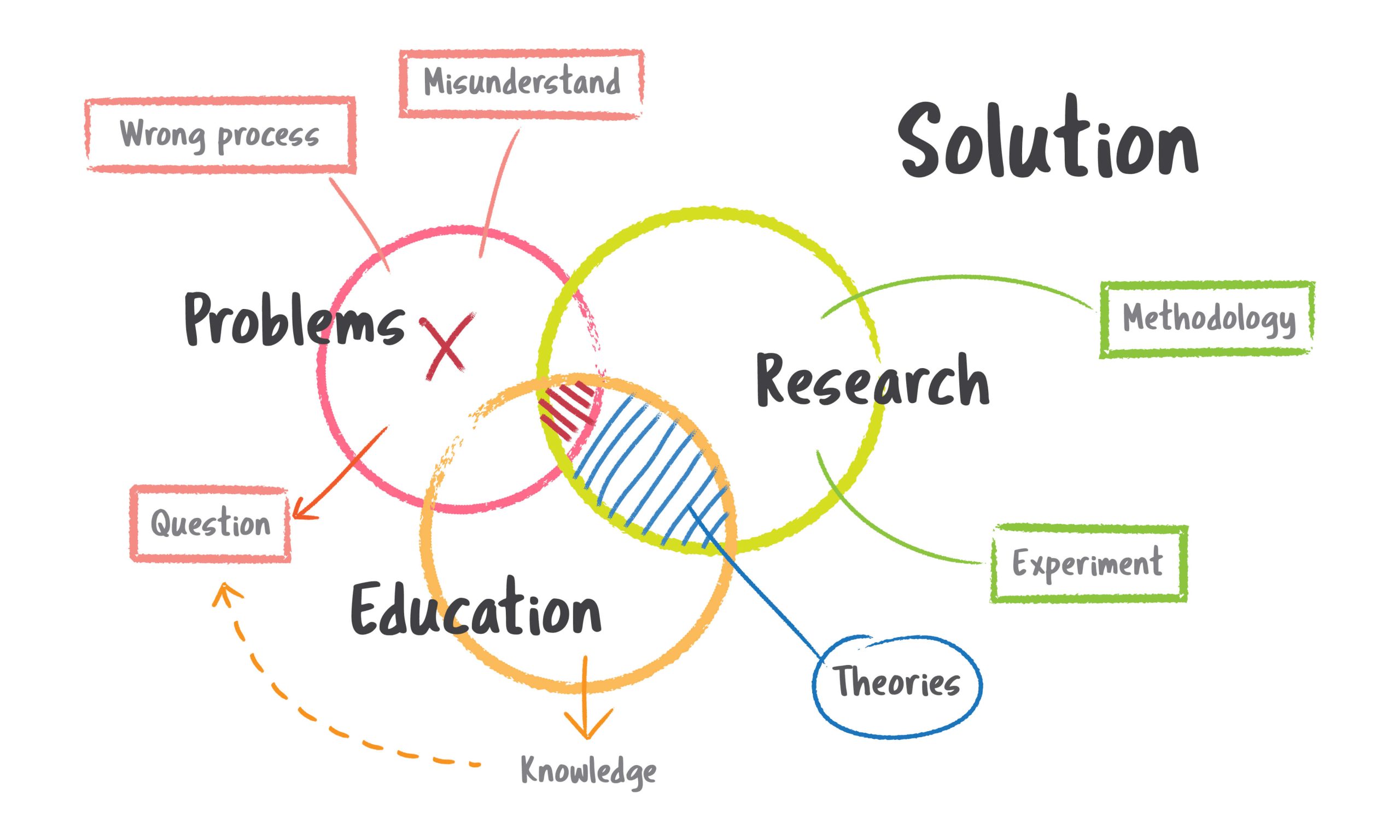
At the end of an RTI in education intervention cycle, the data defines the next move. If the trend line is above the goal, the student can return to Tier 1. If they’re improving but haven’t reached the goal yet, the intervention continues. And in case the trend line is flat or falling, the school must adjust the strategy. That can lead to an increase in the frequency of help or to changing the teaching method entirely.
Brighterly’s reading and math program provides the same level of transparency and results-focused insight. It gives parents detailed feedback after lessons, which, in fact, is like ‘external progress monitoring.’ Typically, a school only shares data every few months. Yet Brighterly gives parents a real-time understanding of the learning process.
Note: The ‘decision-making’ part of RTI requires a change in strategy if progress is slow. Brighterly’s tutors and curriculum are naturally adaptive in real life. If your kid is struggling with a concept, the program quickly realigns accordingly.
Why is RTI important?
The main importance of RTI in education lies in its ability to transform the entire school’s approach into a proactive support network. With the very first signs that a student can fall behind, this framework allows educators to step in immediately with evidence-based help.
Key reasons
- Early identification and prevention. As an early warning system, RTI screens all students so that schools can spot tiny ‘knowledge gaps’ before they become massive roadblocks. Addressing a reading struggle in kindergarten is far more effective than trying to fix it in middle school.
- Targeted support in the primary years. Effective implementation of RTI elementary school strategies, given that these early years are crucial for all future subjects, ensures that students build the necessary ‘automaticity’ to handle more complex academic tasks later.
- Clear direction from data. Through frequent ‘probes’ and progress monitoring, teachers get a weekly look at a child’s progress. If a student isn’t improving, the school adjusts the strategy within weeks according to the visual ‘trend line’ of the child’s data.
- The path to specialized services. It entails providing a clear and documented relationship between RTI and special education. When a student doesn’t show progress even after receiving the most intensive ‘Tier 3’ support, the data collected during the RTI process serves as the evidence needed for a formal evaluation.
Benefits of RTI for students
|
How it helps the student |
Impact on learning |
|
Immediate support |
Students receive help the moment a gap is identified |
Small misunderstandings don’t become long-term learning blocks |
Adjusted pace |
Instruction is adjusted to the student’s actual speed of learning |
Reduces the anxiety and frustration of being ‘left behind’ by the rest of the class |
Tiered intensity |
Response to intervention in special education provides a documented history of how a child reacts to different teaching styles | Students receive the precise level of professional support required for their specific needs |
Increased participation |
Small group settings (Tiers 2 and 3) encourage students to engage more deeply with the material | Improves verbal communication skills |
Age-appropriate strategy |
In more complex environments, like RTI in middle school, the framework helps students stay organized | Supports executive functioning in the higher grade levels |
Evidence of success |
Students can see their own progress via visual graphs | Proving that effort leads to measurable improvement |
Conclusion
The response to intervention (RTI) aims to identify struggling students early and provide a structured and data-driven pathway to success. With it, schools ensure that every child receives the exact level of support their performance dictates.
As parents, you can significantly accelerate your kid’s progress by adding a personalized layer of reinforcement. With Brighterly, you’ll benefit from…
✅ Intensive 1-on-1 focus, which is often difficult to find in a busy classroom
✅ Targeted skill alignment with tutors who can change it up fast to support the specific math or reading goals set by your child’s school RTI team
✅ Detailed post-lesson feedback that provides parents with the academic updates in real time.
If you want to see exactly where your kid stands and start closing those knowledge gaps today, book free lesson with a Brighterly expert to experience how 1-on-1 support can help your kiddo.


If you’ve noticed that your child has fallen behind their reading grade, you will want to help with reading comprehension at home. The good news is that there is plenty you can do at home to help your child with their reading comprehension. As an experienced reading tutor, I know what works, so I’m going […]

Feb 24, 2026

How to boost kids confidence? Is confidence genetic, or does it grow at home? Is self-esteem luck or personality, or is it shaped by everyday parenting? I’ll try to answer all these vital parents’ questions in this article and provide some practical tips on how to raise a confident child. Key points Confidence is not […]
Feb 25, 2026
Math & reading from 1st to 9th grade
Looking for homework support for your child?

Choose kid's grade

Math & Reading for Grades 1–9
Build real confidence for your child with a Brighterly math or reading tutor.