How to Write a Short Story: 10 Tips to Help Your Kid
reviewed by Marvi M. Andres
Updated on January 26, 2026

Writing a short story is one of the most exciting ways kids can strengthen their reading and writing skills. Creating their own world with characters and plot points allows your child to be imaginative. It also teaches a lot of important academic skills, like structuring their writing effectively and using new vocabulary. To help your child find out how to write a short story, I’ve prepared 10 top tips to make their short fiction a success!
Key points
- Character development is a key element of short story writing; each character should be well-rounded and their actions should be consistent.
- Writing the ending of a short story first can be helpful, as it makes children consider the steps needed to get to that ending.
- Setting a word count helps children keep their writing focused, especially if they struggle with going off on tangents or writing fluffy content.
- Structuring a story via chapters or key events ensures it follows a logical flow and that no key information is missing.
- Writing in chunks helps children keep focused, but allows for breaks so they come back with a fresh mind.
- Tutoring can help children with their short story writing skills as they can receive personalized support and confidence-boosting instruction.
What makes a good short story?
A good short story contains a few key elements, like an interesting and highly focused plot line, well-developed characters and naturally flowing language.
Your child should think about short stories that they enjoy — what keeps them engaged? Did the introduction hook them in straight away? Could they see themself in the characters?
While many short stories focus on fantasy plot lines that deviate from real life, some elements must remain realistic. Let’s take dialogue, for example. Readers can lose interest in a story quickly if the dialogue is clunky, unrealistic or not relevant to the story.
Ultimately, a short story should be enjoyable to read, interesting and have a satisfying climax. The good news is, there are 10 short story writing tips to ensure your child can achieve this!
How to start a short story?
To start a short story, your child should first have an idea of their plotline and the best location or action for it to begin.
Good short stories include an irresistible hook at the beginning that keeps people reading. That hook could be a piece of action or dialogue between people. It could also be the author’s thoughts on an inciting incident, if your child is writing in the first person.
Your child could also consider pulling in readers with a question or a mystery. Intrigue is another key way they can encourage people to continue reading.
If your child is looking for advice on how to start off a short story, these tips are important, but they should make sure it’s relevant to the overall plot!
How to write short stories? 10 tips that work best for kids
- Practice with a tutor
- Use worksheets
- Find inspiration
- Figure out your plot
- Develop your characters
- Write your ending first
- Set yourself a word count
- Structure your story
- Write in chunks
- Edit and rewrite
How to write a good short story through practicing with a tutor?
If your child hasn’t written a short story before, or they don’t feel it’s a strong skill of theirs, a qualified tutor can help. This is useful whether your child is looking for tips on how to write a short story for school or as an after-school activity.
Writing tutors can guide children through every stage of the story-writing journey, from working out their plot to fleshing out well-rounded characters. They can give guidance on structure, grammar and vocabulary use, which all strengthen your child’s story.
Importantly, tutors can help build confidence in your child. If you have an aspiring author on your hands but they lack self-belief, tutors can show them how skilled they already are and work with them to become even better.
Master short stories with Brighterly tutors
Tutors using the Brighterly writing program take a storified approach to reading education, meaning that they use exciting and engaging stories to improve children’s reading skills.
These stories are a great way to engage children and keep them interested when they learn to write short stories. And when it comes to your child creating their own short stories, it means they can draw inspiration and see real examples of short stories in practice. This helps them understand the structure, focus and length of short stories.
Brighterly’s tutors are highly qualified, with each expert holding a minimum of a Bachelor’s degree. This means your child is getting tips for writing short stories from the very best!

How to create a short story with the help of worksheets?
Worksheets are another great resource that can help your child create a short story because they contain a range of tasks that help children develop key story-writing skills.
By focusing on worksheets that cover skills that are important to short story writing, your child can build the writing abilities. Worksheets contain activities that help children develop their plot and characters and understand the key elements of short stories.
How do Brighterly worksheets work?
Brighterly’s reading & writing worksheets are interactive, downloadable resources that cover every skill that is important to writing short stories. From short stories for 3rd graders worksheets to character development worksheets, they have the resources your child needs for successful short story writing.
Before your child starts writing, they may also want to review resources like character analysis worksheets. Such an analysis can help your child draw inspiration from other sources of literature before penning their own tale.
Importantly, these worksheets also use storified learning, meaning children can take inspiration from their content and understand what makes a short story really interesting. Reading & writing tests can also enhance learners’ knowledge further.
Find inspiration
Many great stories have a source of inspiration. Whether it’s an event in your child’s life, their favorite book or another piece of media, there are many sources that can inspire their own stories. This is one of the key how to write a short story tips.
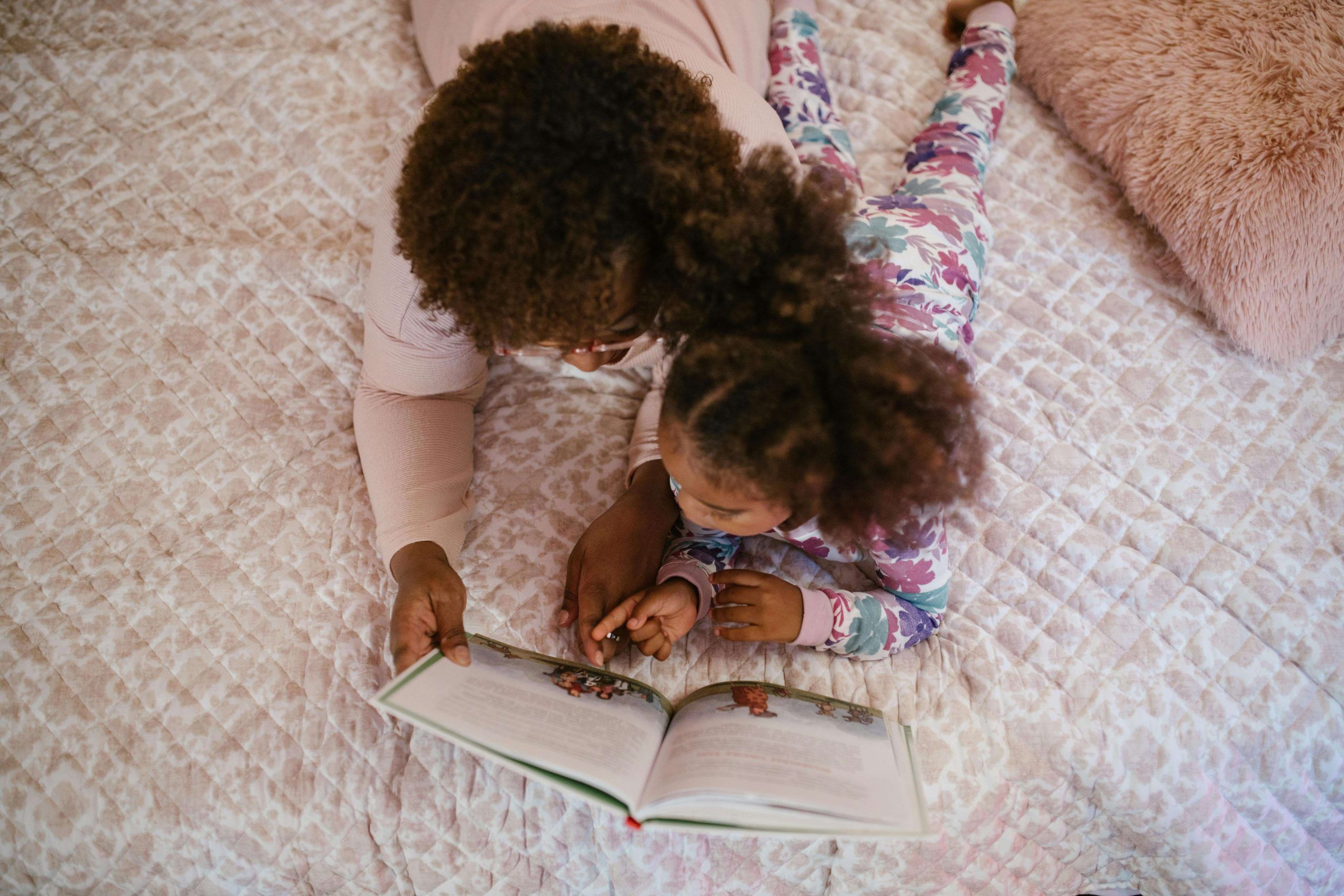
When engaging with any form of story or narrative, your child should consider how this can apply to their own stories. Perhaps they had an especially interesting day at school that could form part of their own tale, or they love the themes in a movie they’ve watched recently.
It’s important to find the distinction between drawing inspiration and copying — ideally, any short story your child writes should be unique to them. However, they could also put their imagination to the test and create a prequel, sequel or spin-off of their favorite book or TV show!
Figure out the plot
Your child won’t be able to form a coherent or engaging short story if they don’t have a fully defined plot. That’s why this is an essential step to complete before they begin writing their story.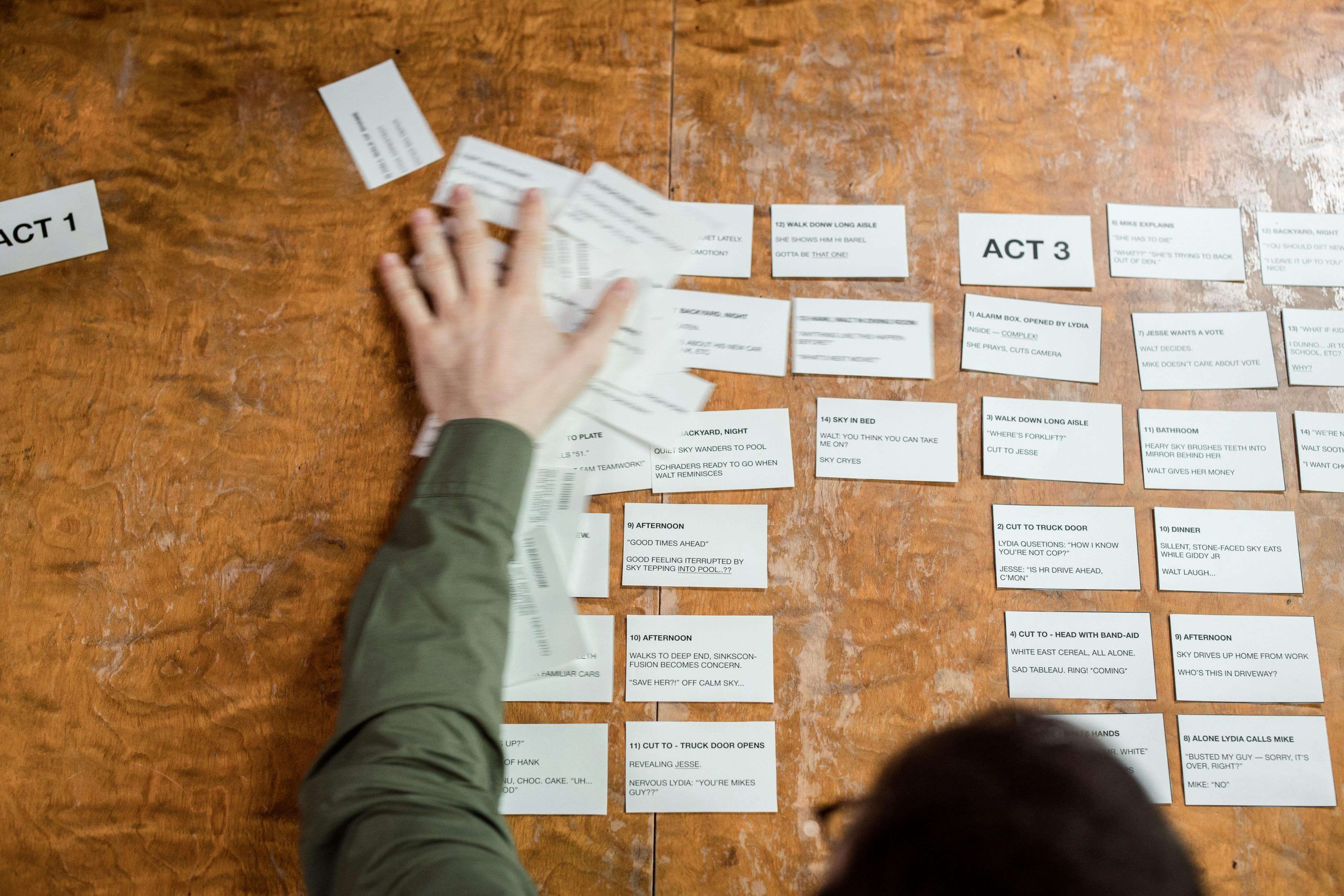
Visualization can help your child work out their plot and short story structure from start to finish. They could storyboard or use a visual timeline to outline their plot. This means they aren’t missing any dramatic incidents in their story.
Conflict is an important element of any story’s plot — stories that don’t have any conflict or difficult events may be enjoyable to read, but they don’t offer much narratively. Conflict means the protagonist must overcome challenges, which makes the ending much more satisfying.
As your child is defining their story’s plot, they should also think about its theme, aka main idea. Every story has a theme and a deeper meaning that readers can take away. It could be a character’s personal journey as they overcome a shortcoming, a battle of good vs evil or a story of justice.
Develop the story’s characters
All stories have characters, and they should all be identifiable by their role in the story, their characteristics and even their defining visual features, if explained well. Knowing their characters and their relevance to the plot helps kids understand how to start off a short story.

Your child can fully flesh out their characters by firstly listing them all, and their role in the story. Then, they can write personas or biographies for each character. This can include what they look like, their age, background and defining characteristics.
They can ask questions to dig deeper into their character:
- Has something defining happened to them that shapes their actions in the story?
- Are they especially funny or serious?
- Do they have a hidden motive in the story?
Defining these elements means your child can ensure each character is consistent. If your child also has an artistic streak, drawing their characters can be helpful too. These visuals can help them and readers to picture the character within the story more clearly.
Creating well-rounded characters also helps your children with writing short story
dialogue. A sarcastic character will speak differently to a character who is quiet and shy. They can use each character’s traits to understand how they would talk and create dialogue that is meaningful and realistic.
Write the ending first
The ending is arguably the most important element of a story. It should be satisfying and logical, fitting with the overall plot of the story and making the reader feel like reading the story has been worthwhile.

Writing the ending first can help children to keep their story focused and structured. Often, when we have an idea for a story, we already know how it’s going to end. Putting that in place first prompts a writer to understand the steps needed to reach that conclusion. This is one of the best tips for writing a short story to make it easy for children.
Endings should always be logical — i.e. they make sense in the wider context of the story — but they can also be surprising or shocking. This is also known as a plot twist. If your child’s story contains a plot twist, make sure readers understand how it is possible. Plot twists that don’t connect to other elements of the story feel disjointed.
Set a word count
Short stories are generally between 1,000 and 10,000 words, separating them from longer stories and full novels. That’s a lot of wiggle room in your child’s word count, which may benefit a certain type of short story writer who needs freedom.

Others, meanwhile, might struggle to keep their story focused without a defined word count. Setting a word count goal helps your child keep their writing tight, removing unnecessary tangents or fluffy language. Your child can also cut out any unnecessary plot points that don’t drive the story forward.
Your child can understand an ideal word count by looking at the number of plot points they need to fit into their story to reach the ending. If there are a lot of plot lines, they may want to use the larger end of the short story word limit. If the story is succinct and can be told with only a few key incidents, they can write a story of only a few thousand words.
Structure the story
All engaging stories follow a logical structure, including a start, middle and end that readers can easily understand. Your child can easily work out their short story structure, whether that’s structuring incidents in a timeline or structuring using chapters, through their defined plot line.
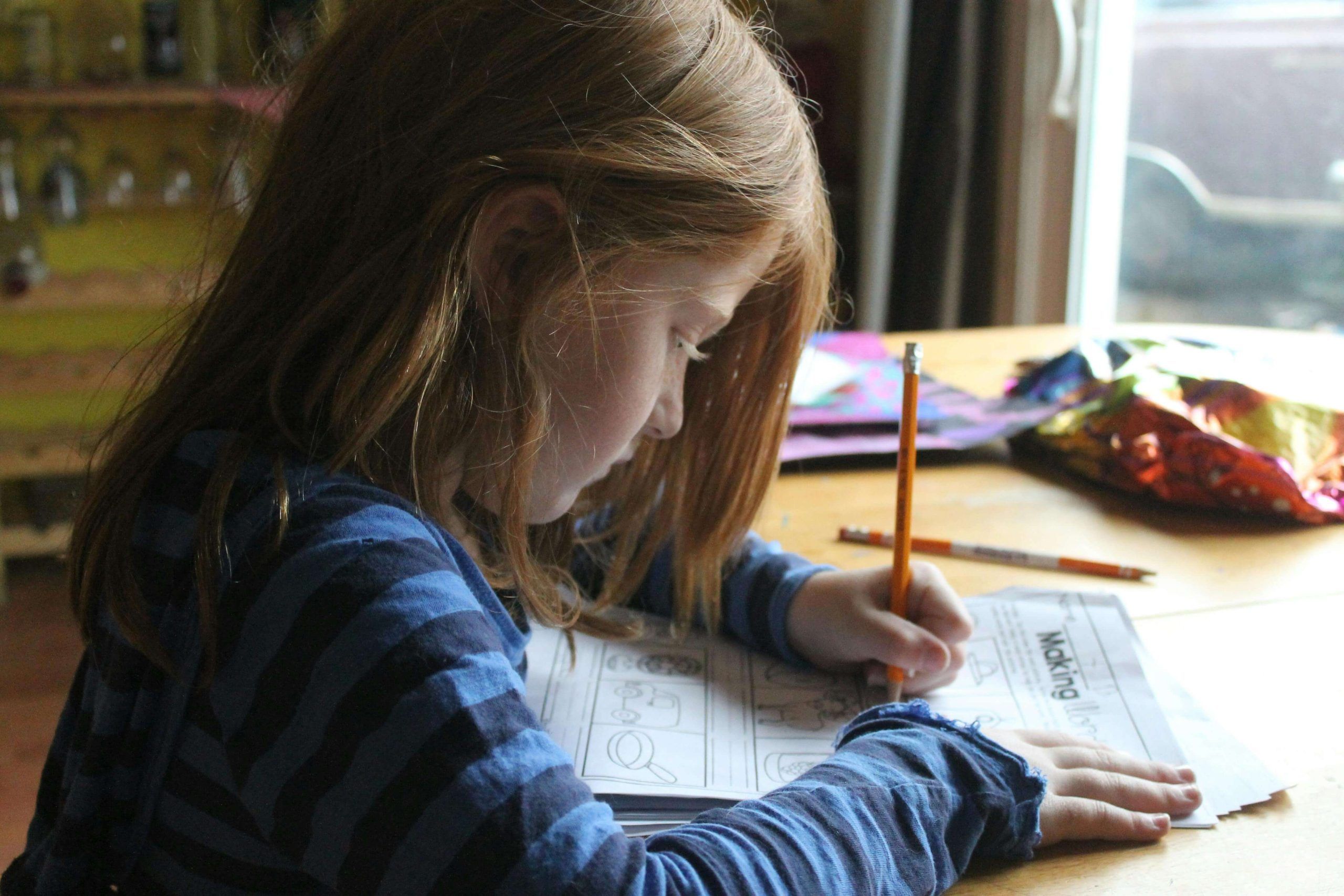
By using their plot, writers can then work out the order of their story and begin to organise it from start to finish. In terms of how to write a short story for beginners, structuring their story in chronological order is best, both for their understanding and their readers. However, for more advanced writers, they can start to play with non-chronological stories. In this case, they should ensure there are tools available that allow readers to connect the events, like dates.
The setting of the story also plays an important role in its structure. Is it set in one location, or does it move to different places? Your child’s story may be set in the past, the present or the future, and it may also jump between the three, so it’s important that they make any jumps logical.
Write in chunks
Trying to tackle a full short story in one sitting is a huge challenge, and one that’s not beneficial to your child. Writing the story in short chunks — for example, per incident or per chapter — allows them to be highly focused. This is one of the key steps to writing a short story.
Taking breaks between each section also allows them to take space away from their story, coming back with fresh eyes and a refreshed mind. Trying to write a full story in one go, on the other hand, can be fatiguing and can affect the quality of your child’s work.
They could set timers, or specific periods of time in which to work on their short story to stick to this routine. This could be blocks of two hours every day, or a timeslot in the morning and one later in the afternoon.
Edit and rewrite
Once your child has finished the writing phase of their short story, their work is not done! When it comes to how to write a short story for kids, they need to learn how to edit and rewrite, too.
We recommend that they have another break between finishing their story and revisiting it. According to The Writing Cooperative, taking a break between writing and editing allows writers to be more analytical about it.

Editing is all about reviewing work objectively, and your child will struggle to do that immediately after writing it. They are less likely to spot issues like spelling errors, and they may not be able to remove themselves from the flow of the piece, having just gotten it out of their head. Shifting from writing mode to editing mode takes time, which is best achieved with a break.
The process of editing is essential to understanding how to write a short story for beginners. When editing, kids should take the following factors into account:
- Spelling and grammar — are there any mistakes?
- Does the story flow from start to finish?
- Are all characters’ words and actions consistent with their personalities and key attributes?
- Are there any plot holes in the story that readers will query?
- Does the dialogue flow and add to the story?
- Are there any areas of the story that aren’t necessary?
Considering all of these factors means your child’s final story will be grammatically sound, logical, engaging and consistent.
How long does it take to write a short story for schoolers?
The time it takes to write a short story can vary, but generally, children can make a short story within a day or two.
If your child is writing a complex story, laying out their plot and characters may take some time, so it’s important not restrict their time too much.
Ultimately, there is no set timeline for writing a short story, but it’s a good idea for your child to set themselves a deadline to stay on track.
What are the 7 steps to writing a short story?
- Creating a plot: Working out what your story is about and its overarching narrative
- Develop your characters: Fleshing out their personalities, appearances and roles in the story
- Defining the ending: The end of a short story is arguably its most important element, so it should be well-defined and can be written first
- Defining a word count: By setting a word count, your child can keep their story focused and structured
- Structuring the story: This is a key step in writing a short story effectively, because it allows your child to create a logical flow for their story.
- Write in chunks: Writing in sections helps your child to keep each chapter or plot point tightly focused and avoid writers’ fatigue.
- Edit and rewrite: An essential final step to weed out grammatical errors, unnecessary information and plot holes in a short story.
What are the 5 basic elements of a short story?
- Characters: Who are they, what are their roles and are they fully fleshed out?
- Setting: Where and when does your story take place, and why?
- Plot: What ultimately happens in your story from start to finish? How does your story reach its conclusion?
- Conflict: What disruptive events happen that make the story interesting on its way to the conclusion?
- Theme: What is the overarching meaning of your story? Is it good vs evil or a character’s personal journey?
Note: All short stories should have these elements to be strong and engaging. Understanding them helps your child understand how to write a short story step by step.
Conclusion
Now, your child knows how to write short story that is engaging, interesting and focused. Once they master these steps, they will be able to write an infinite number of short stories.
Writing short stories is a great way for kids to flex their imagination. Whether they are inspired by events in their own lives or their favorite books or TV shows, they can be creative when writing short stories.
If your child is a budding novelist, writing from a young age is a great way to prepare them for an exciting future. It is also a great activity for kids with other aspirations, boosting reading comprehension and allowing them to think more deeply.
If your child has difficulty with creating short stories, you may want to consider the Brighterly math and reading platform to support their skills. Book free lesson and discover the short story writing talent in your child!



This article is dedicated to ADHD writing tools that help kids focus, organize ideas, and get words on the page, even when writing seems like herding cats. Let me share apps, programs, and simple hacks designed to make the learning process of your very special child easier. Key points: ADHD writing tools separate planning, organizing, […]

Jan 14, 2026

Does the homeschooling approach affect your kids’ math results? Sure! And you, as a parent, want to pick the best one. Let’s compare Saxon Math vs Singapore Math methods, and see which one would suit your children’s needs. Key points Saxon Math puts repetition, structure, and reviews into the center of its spiral approach, helping […]

Jan 15, 2026
Math & reading from 1st to 9th grade
Looking for homework support for your child?

Choose kid's grade

Math & Reading for Grades 1–9
Build real confidence for your child with a Brighterly math or reading tutor.