10 Phonics Based Reading Programs to Support Early Literacy Skills
reviewed by Rachelle Bencio Yu
Updated on February 4, 2026
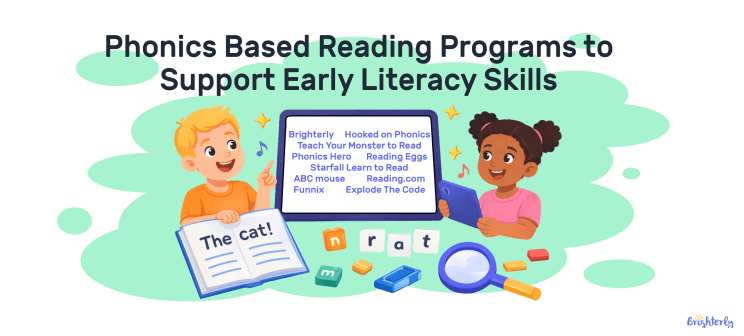
Do you want to help your child learn to read and need resources that actually work? You’re in the right place. Reading is a key skill, and starting well really matters. As a teacher and educational platform reviewer, I’ll help you find the right phonics based reading programs – just what your child needs to take their first confident steps in the subject.
Key points
- For professional guidance and support from a tutor: Brighterly, a platform with effective methods and a strong reputation.
- If your child learns best through games, stories, and visual content: Teach Your Monster to Read, Reading Eggs, Starfall Learn to Read, ABCmouse.
- For a well-organized approach to phonics: Hooked on Phonics, Phonics Hero.
- Reading.com help gradually master phonics and build confident reading skills.
- If your child needs extra practice with printable materials: Funnix and Explode The Code.
Exploring alternatives?

What are phonics reading programs?
Phonics based reading programs are learning programs which teach children how letters and sounds work together. Focusing on letter-sound relationships, these programs help kids to develop decoding skills and improve pronunciation.
Usually, such programs are more effective for younger pupils, e.g. from preschool to early elementary. Still, some of their features might be of use for more senior students lacking concentration during reading.
10 best phonics based reading programs
- Brighterly
- Hooked on Phonics
- Reading Eggs
- Teach Your Monster to Read
- Phonics Hero
- Starfall Learn to Read
- ABCmouse
- Reading.com
- Funnix
- Explode The Code
| Age group | Features | Cost | |
Brighterly |
Grades 1–9 | 1:1 online tutoring with certified teachers; structured phonics lessons; progress reports | From about $17.3 per lesson (including the 20% discount) |
Hooked on Phonics |
Ages 3–8 | Structured lessons, songs, ebooks, interactive games, practice packs |
$12.99/month (you should check it) |
Teach Your Monster to Read |
Ages 3–7 | Award‑winning phonics games | Free on web; app can be one‑time paid ($8.99) |
Phonics Hero |
Ages 3–9 | 5000+ interactive phonics games and activities, systematic progression | $36 for 6 month |
Phonics based reading program: Reading Eggs |
Ages 2–13 | Phonics, sight words, interactive games, books, and lessons | Subscription $9.99/mo |
Starfall Learn to Read |
Ages 3–8+ | Interactive phonics, games, songs + reading activities | Approximately $35/yr |
ABC mouse |
Ages 2+ | Comprehensive curriculum with phonics, reading, arts, and more | Subscription $14.99/mo |
Reading.com |
Ages 3–8 | Phonics lessons, interactive storybooks, and games | $12.49/month |
Funnix |
Ages 4–8 | Direct Instruction phonics, decoding, fluency, vocab + comprehension | About $24.99/mo |
Explode The Code |
Ages 4–11 | Workbook‑based phonics instruction with sequenced exercises | $41.99/year |
#1 Brighterly reading program (phonics for reading support)
Age group: grades 1-9
Best for: students who need a personal touch
I’d like to start the list with the Brighterly math and reading platform. It’s one of the few programs that teaches kids through live tutoring and a сustomized learning path. Brighterly has a great reputation and an unprecedented 4.5 Trustpilot score, and if you feel your child needs someone by their side to explain things professionally and find the right approach, this platform is the best choice.
Brighterly: Features
Highly qualified educators
At the heart of Brighterly’s reading program are the teachers. Tutors are carefully selected – they’re experienced, understand the material deeply, and hold proper certification.
Playful phonics and reading lessons
Learning at the best phonics program for struggling readers, like this one, is effective because it happens one-on-one with a teacher, no group classes. To keep kids, especially younger ones, focused and engaged, teachers prepare lessons that are interactive and fun, with plenty of discussion, educational games, and engaging animations.
Note: By the way, you can get a feel for the platform and try it with your child by downloading phonics worksheets, a free gift from professional teachers.
Phonics reading program Brighterly: Pricing
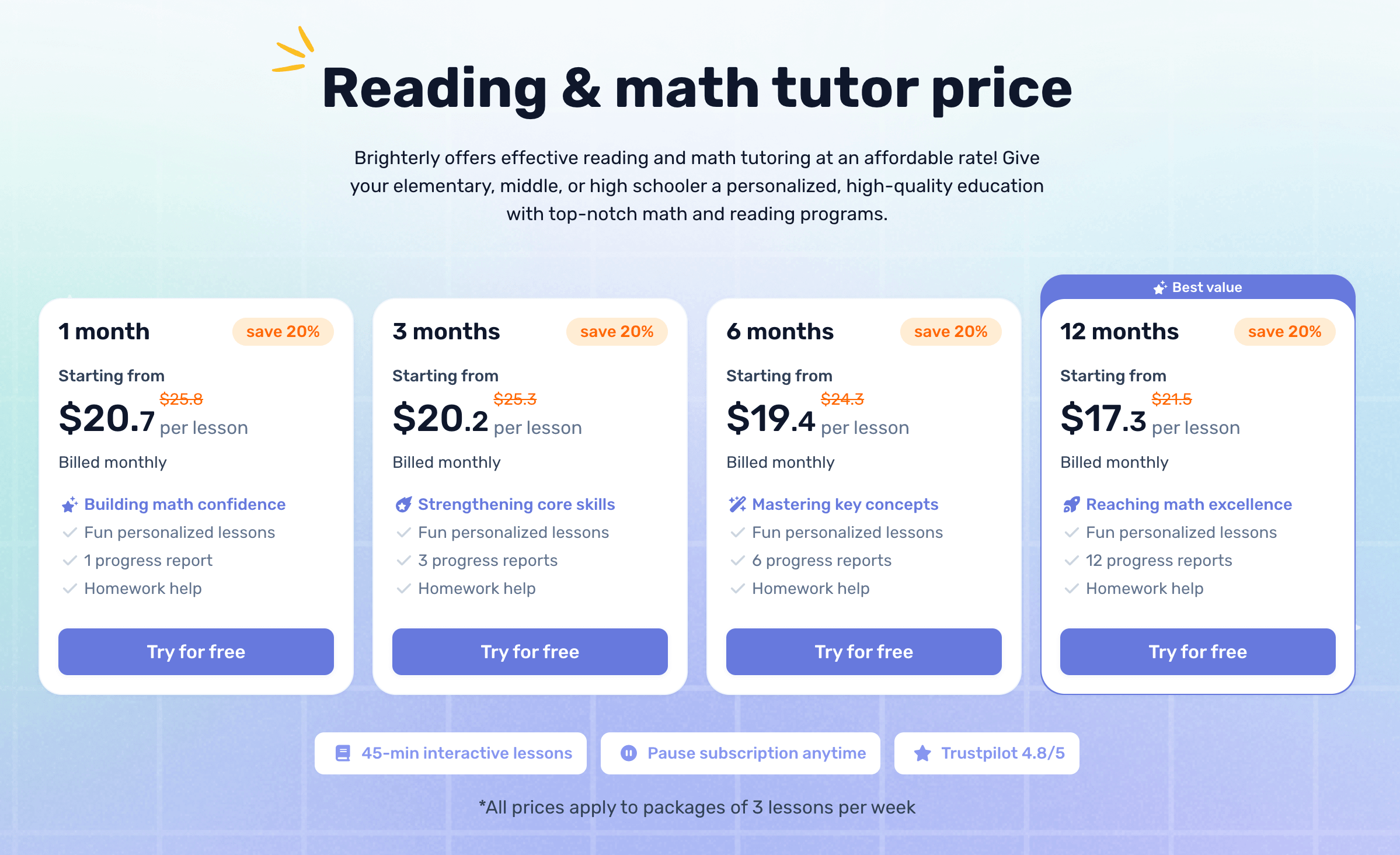
From my tutoring experience, I can say that Brighterly is reasonably priced for the services it offers. One lesson costs from $17.30 per session (including the 20% discount) if you order 3+ weekly lessons. Overall, the price depends on how many lessons you book per week – the more lessons you buy, the lower the cost per lesson.
Brighterly: Key pros and cons
Based on Trustpilot reviews, the table of pros and cons would look something like this:
Pros |
Cons |
| 1-on-1 online sessions with a certified mentor | It’s a structured tutoring program, so Brighterly doesn’t offer a standalone educational app or website games |
| All lessons align with U.S. educational standards |
Further, parents rate Brighterly highly on Trustpilot, giving it 4.5 out of 5 stars.

Check the basics behind this term
Take our quick quiz to discover the perfect learning solution based on your child’s needs.
Best phonics program #2 Hooked on Phonics
Age group: Pre-K – grade 2
Best for: children who need pronunciation and phonics training
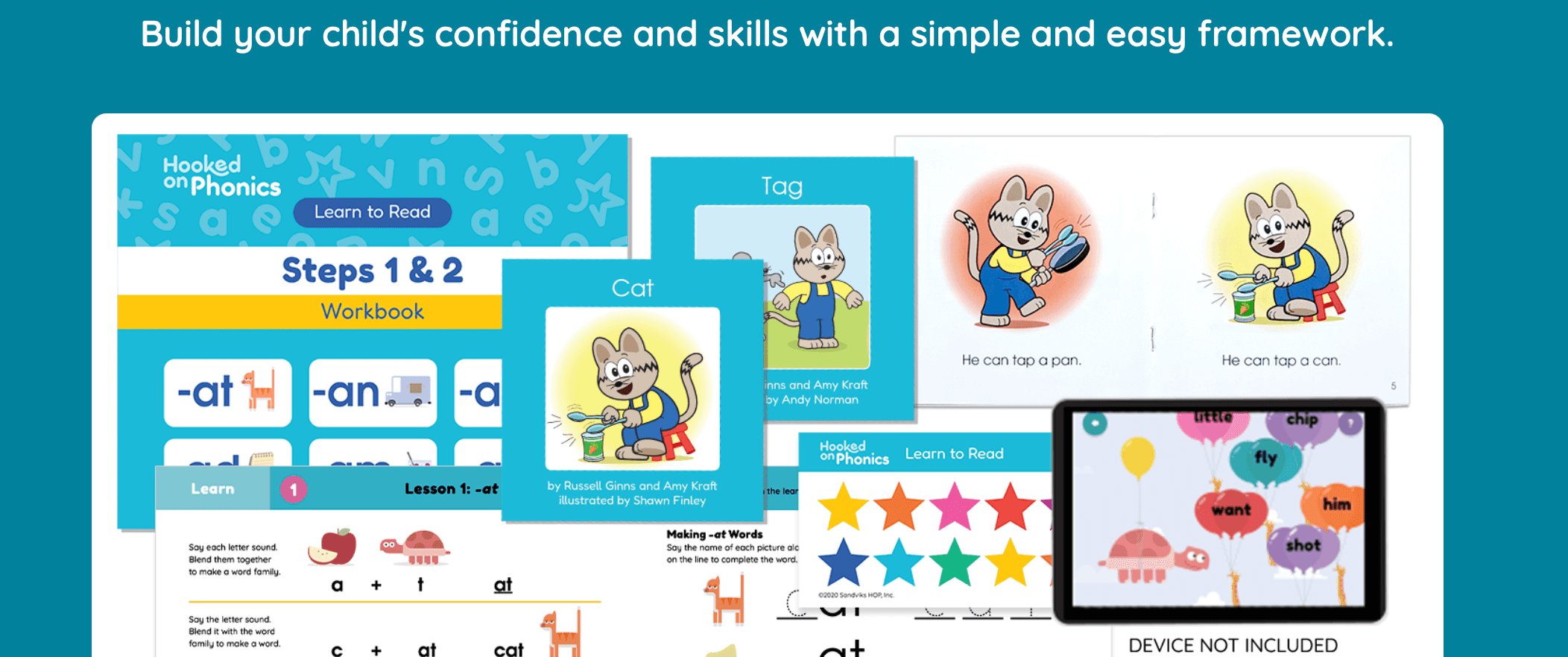
Hooked on Phonics is a classic phonics program. In the app, children go through phonics lessons where they learn to recognize letter sounds and read words in a proper way. There are many fun games, such as choosing the picture that starts with a specific sound, as well as songs that help kids remember sounds. Children read aloud and hear the correct pronunciation simultaneously.
Features
- Reading aloud with correct pronunciation
- Reward system to motivate kids
Hooked on Phonics: Pricing
Price: $12.99 – monthly subscription, or $79.99 if billed annually. Printed workbooks range from $19.99 to $329. However, I recommend you check it yourself for the most relevant pricing in your country.
Main pros and cons
From Trustpilot reviews, where the platform scored 3.2 / 5, parents praised Hooked on Phonics for improved reading confidence in their kids. On the downside, the app glitched and had poor customer support.
Pros |
Cons |
| Interactive games motivate children | Subscription required for most of the useful features |
| App can glitch |
#3 Reading Eggs
Age group: 3-8 years
Best for: early readers who require systematic phonics
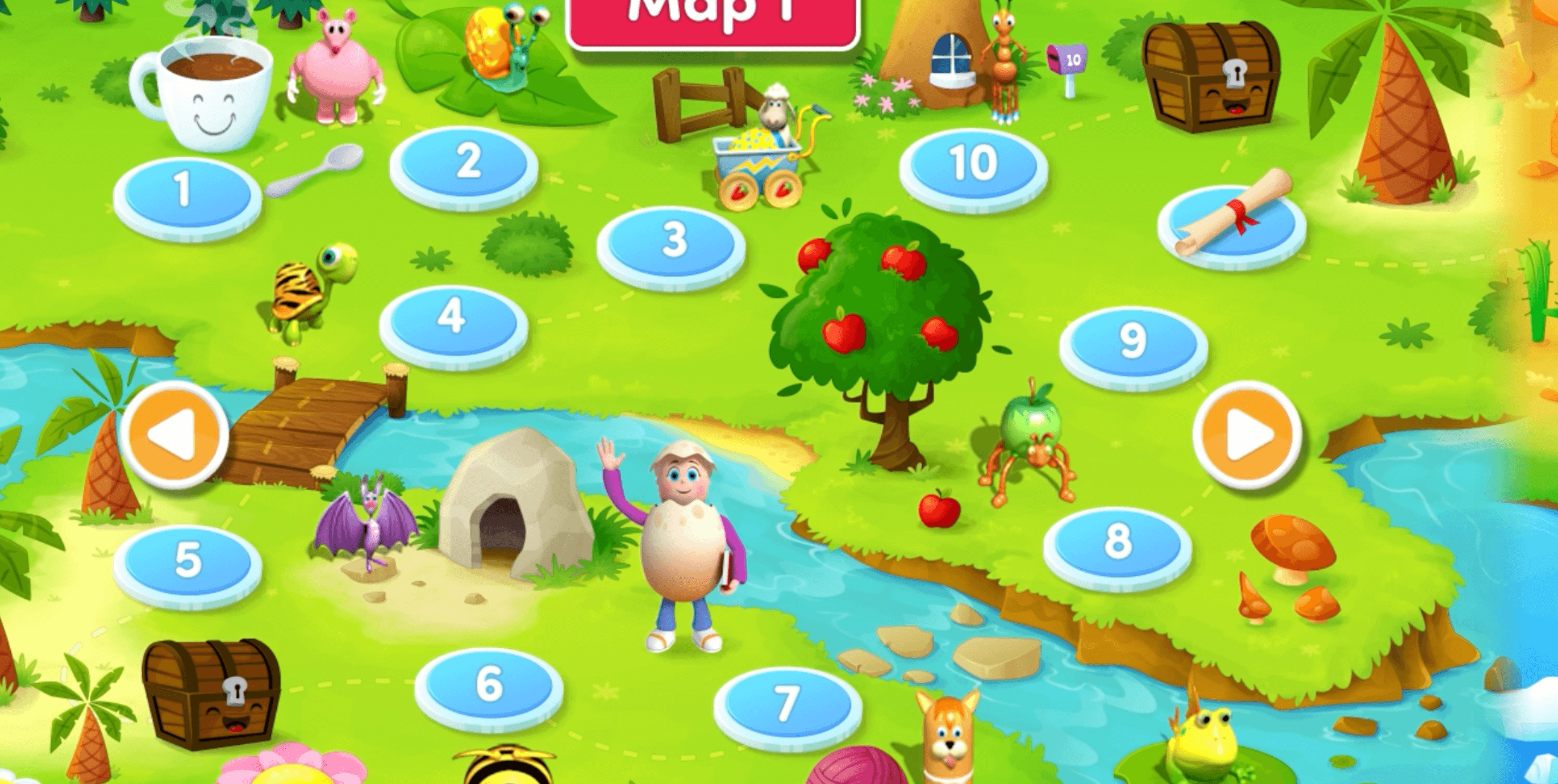
In this phonics based reading online program, children complete systematic exercises in phonics and play interactive games with letter sounds. All of this helps expand the vocabulary of the child and provides early reading comprehension. Kids can explore short stories with storylands feature and complete short quizzes. However, this program is mostly suited for preschoolers, while for older children, the lessons may feel too easy.
Features
- Storylands and e‑books are useful to build vocabulary
- Printable worksheets and a reward system
Reading Eggs: Pricing
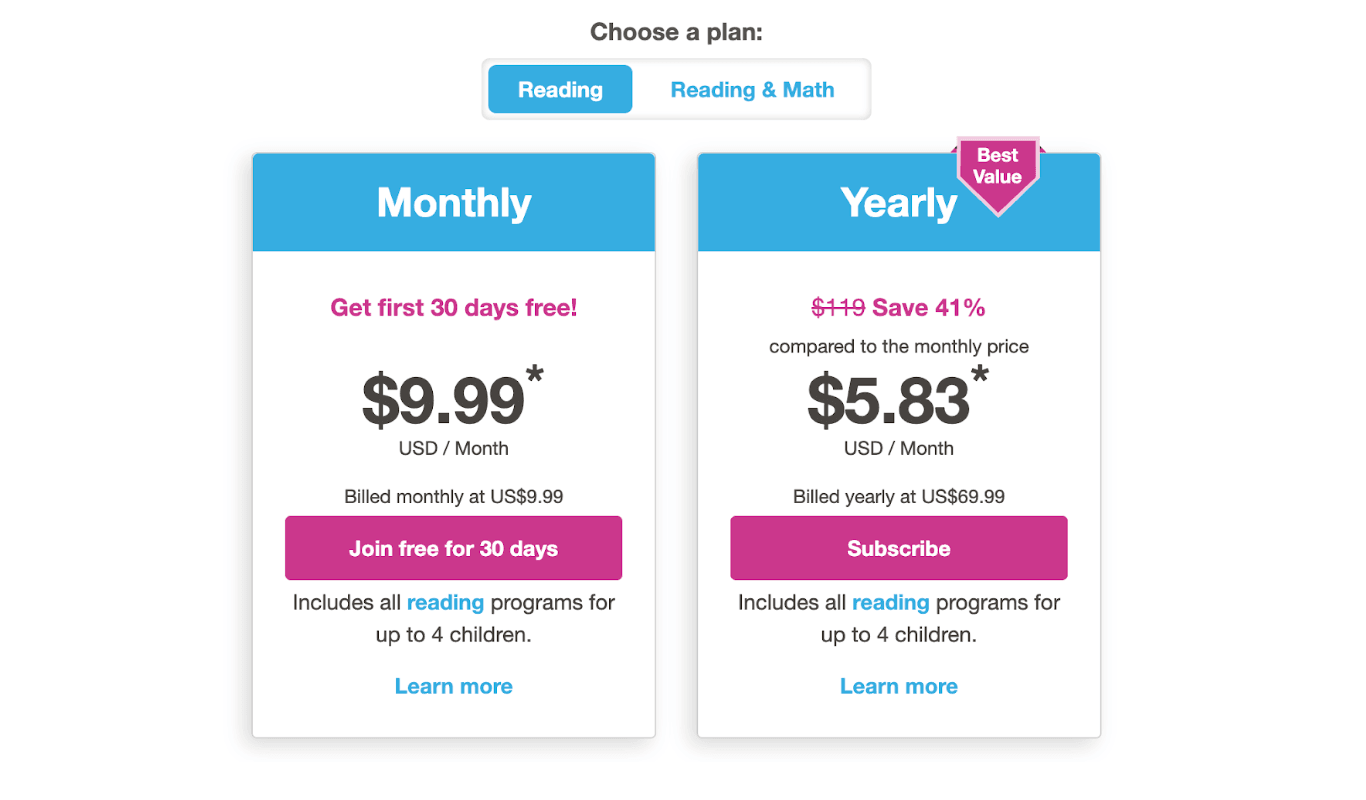
Subscriptions start at $9.99 per month. A free trial is available to try before the commitment.
Primary pros and cons
On Trustpilot, the platform scored 2.8, on the back of its large game library but limited personalization.
Pros |
Cons |
| It adapts to the level of each student | Some lessons seem to be too easy for older children |
| It focuses less on complex reading comprehension |
#4 Teach Your Monster to Read
Age group: 3-7 years
Best for: early readers who like game‑based phonics practice for reading
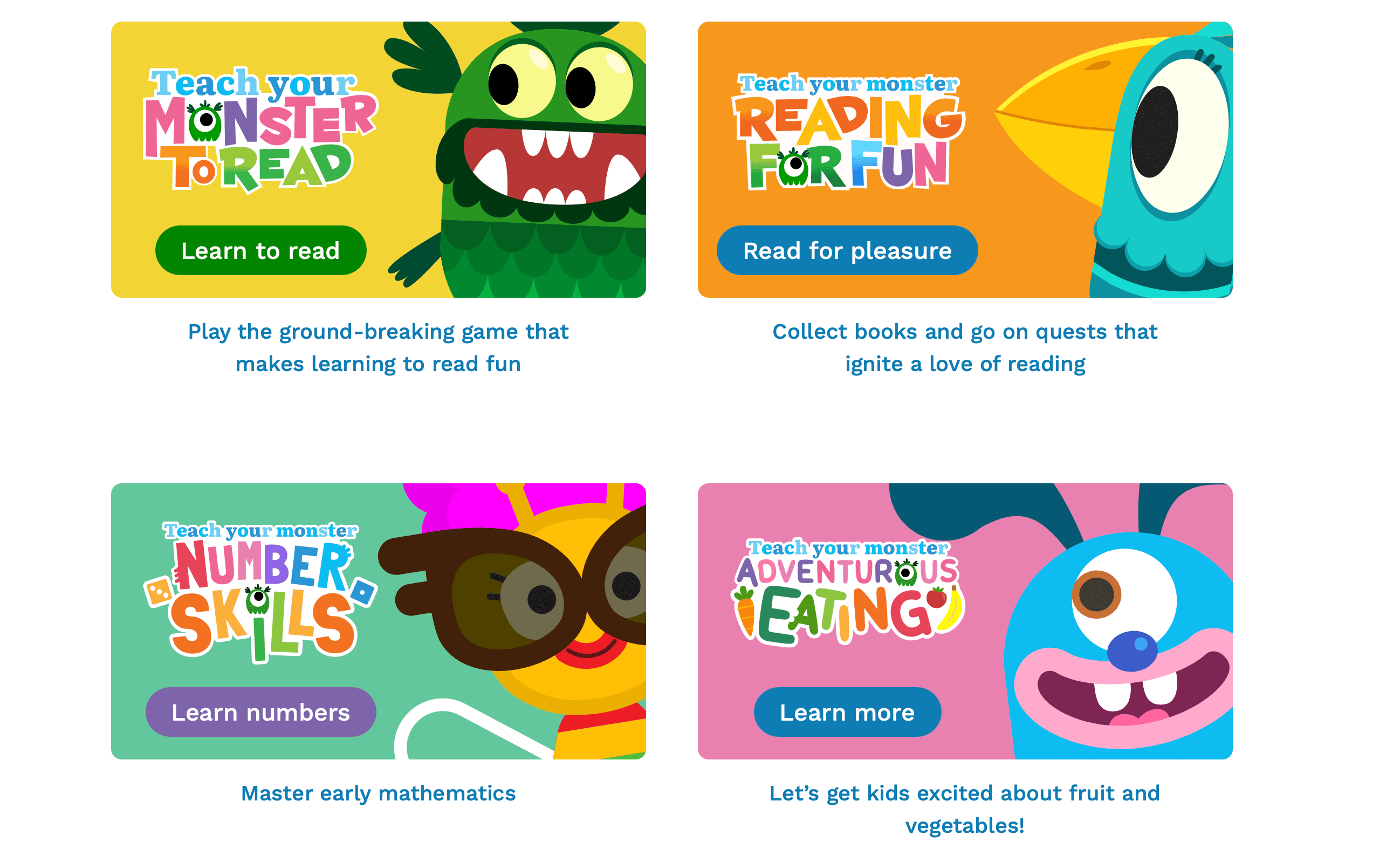
Teach Your Monster to Read is a great option for children loving games. The main idea of the program is to create a monster character and help it progress. Children learn letters and words together with their pet monster. To move to the next level, a child has to complete specific tasks: listening to a sound, choosing the correct letter, building a word, or reading it aloud.
Features
- Fun characters will motivate children to keep practicing
- Immediate audio feedback on reading pronunciation
- Playful phonics reading program for kids
Teach Your Monster to Read: Pricing
The mobile app requires a one-time purchase of $8.99 to unlock full content, or limited content in the free option.

Pros and cons at a glance
The lion’s share of parents really like the platform, as shown by its 4.6 Trustpilot score. But note that some sounds reflect British English.
Pros |
Cons |
| Supports development of the phonemic awareness |
The app progresses too fast for preschoolers |
| The gamified app may be excessively engaging in a negative sense, thus screen time may need to be limited. |
Best reading program for kids #5 Phonics Hero
Age group: 4-7 years
Best for: kids who enjoy adventure-style games while building reading and spelling skills
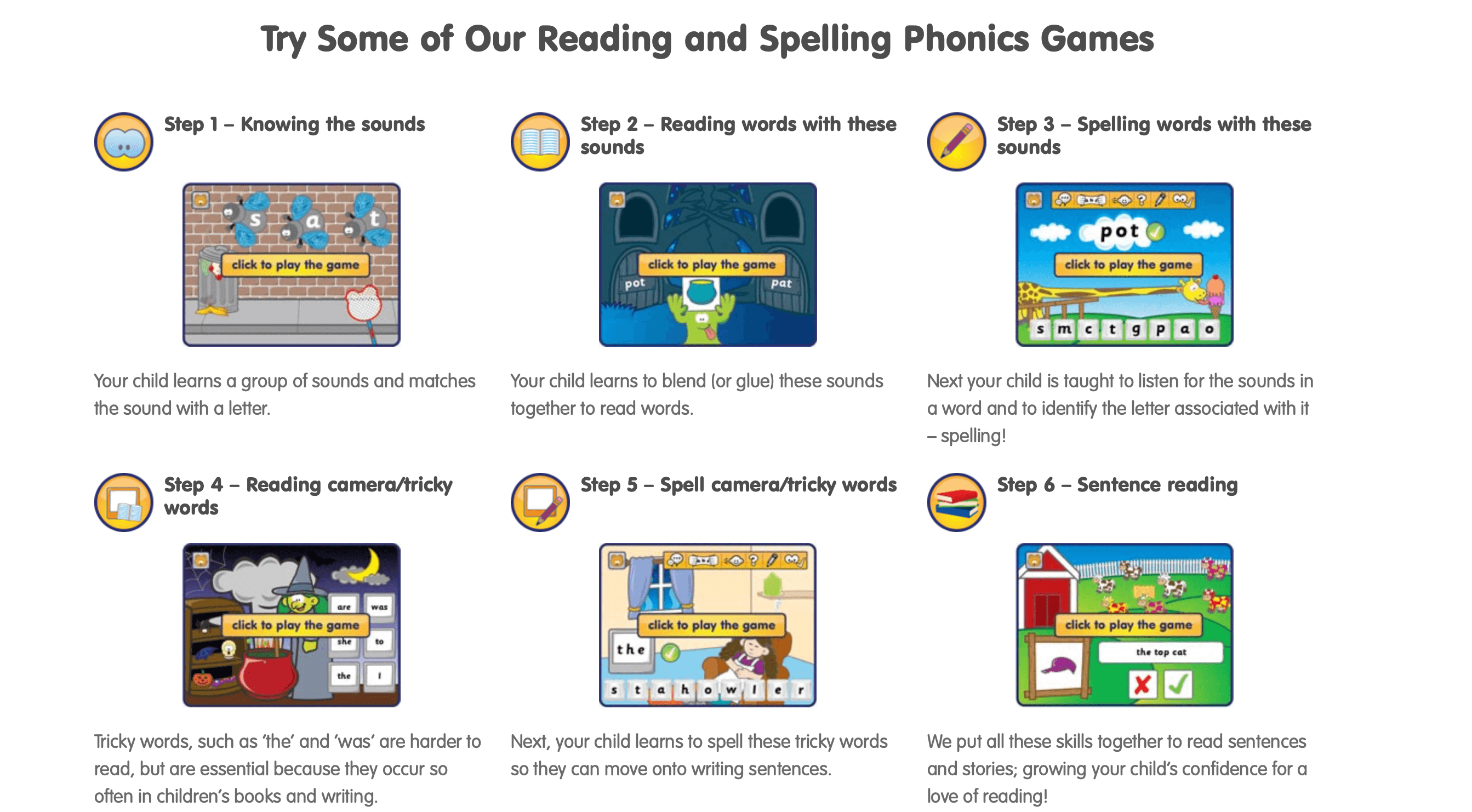
Phonics Hero is a phonics learning program built as an adventure game. Children move through the game with different characters and complete activities focused on sound recognition and reading. Kids progress from easier tasks to more complex, and playful content encourages regular practice.
Features
- Library of 850+ phonics games
- Takes children to the phonics level they need
Phonics Hero: Pricing
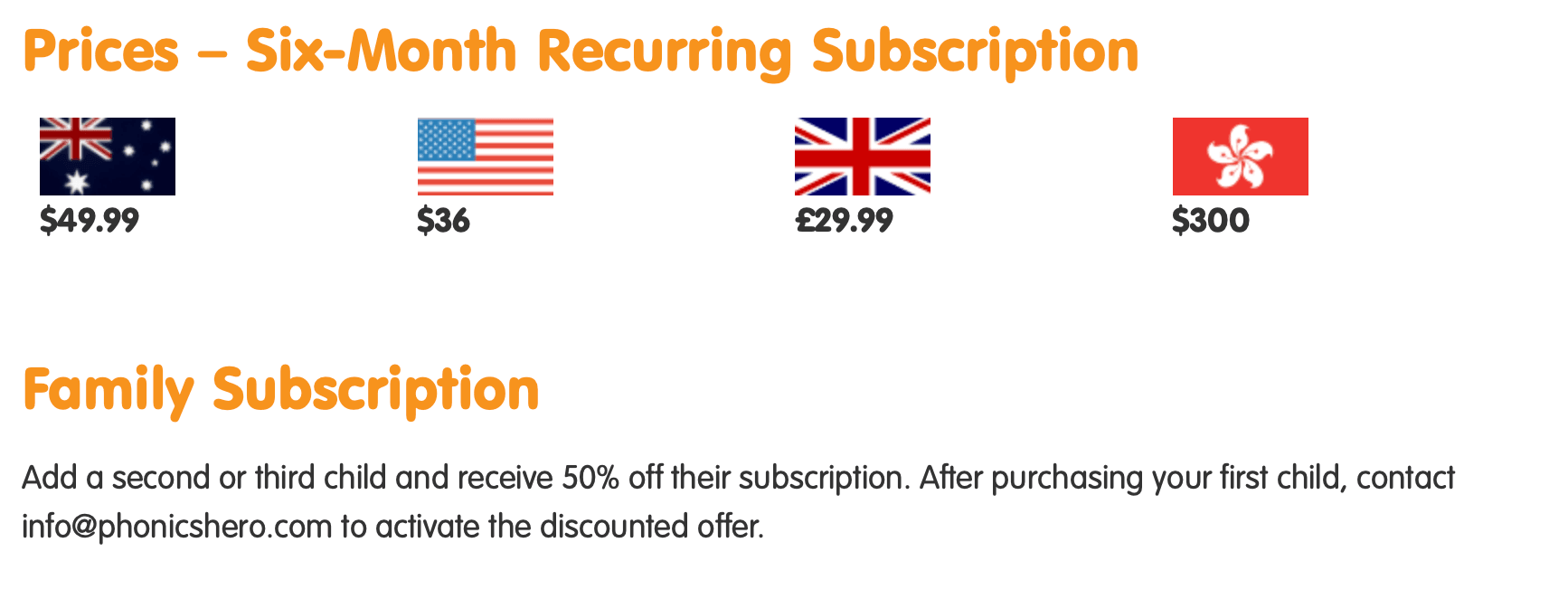
The site offers a six-month subscription in the U.S., which costs $36.
Key advantages and disadvantages
Looking at reviews from several sources, here are the things parents like and dislike about Phonics Hero:
Pros |
Cons |
| Interesting game-style learning |
Typical technical glitches with login and passwords |
| Detailed progress tracking |
Evidence-based program #6 Starfall Learn to Read
Age group: 3-10 years old
Best for: Early readers and early elementary students
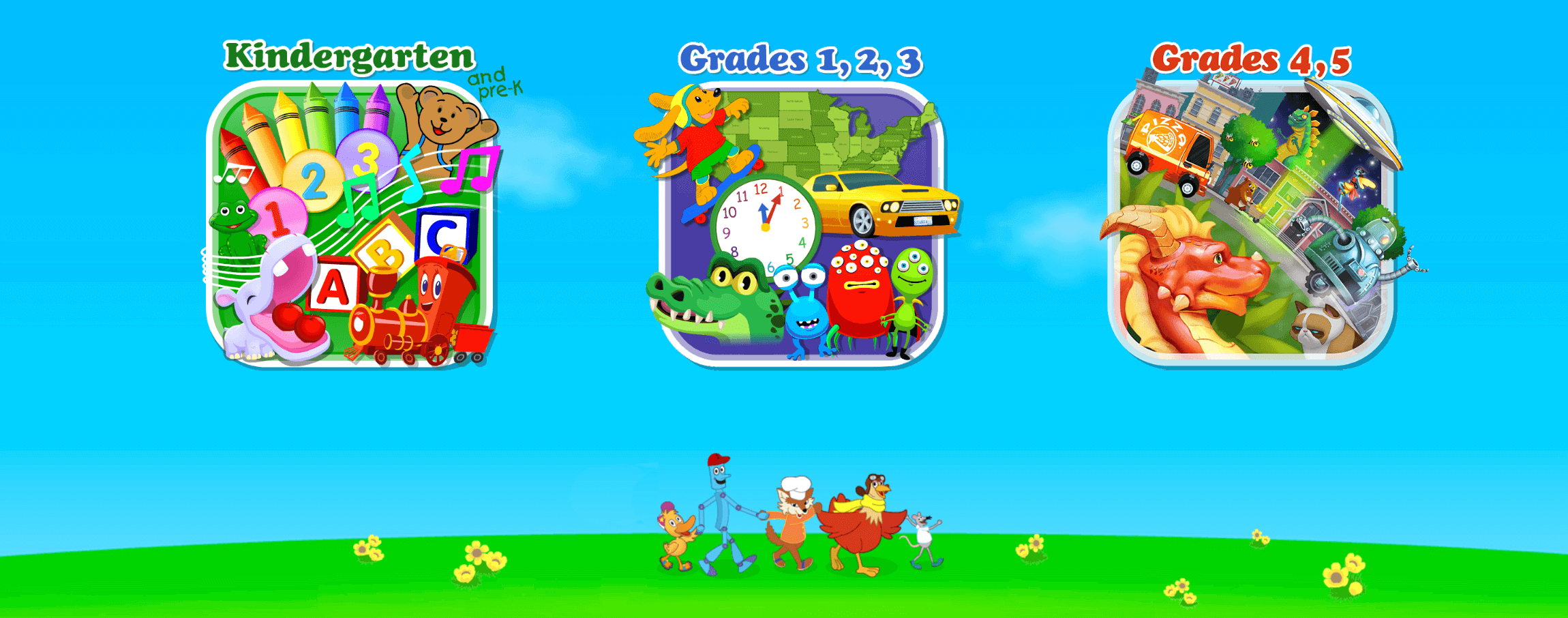
Starfall is designed in a manner so that each young learner would listen, watch, and repeat. Children tap on letters and words, hear correct pronunciation, sing songs, read short stories, and gradually build a word from individual sounds. Animations and simple activities additionally help children absorb phonics naturally.
Features
- Perfect for little learners
- Builds vocabulary, comprehension, and early math
Starfall learn to read: Pricing
Starfall provides a solid free version, with full access available through a $35/year membership.

Quick pros and cons
Users say Starfall makes learning exciting. Unfortunately, there’s only one user review, giving this platform a 3.7 average score and highlighting the following features:
Pros |
Cons |
| Feels like an educational cartoon |
Limited content for older readers |
| Many features require a paid membership |
Among best online phonics programs #7 ABCmouse
Age group: Pre-K – Grade 2
Best for: young learners who benefit from a broad curriculum that includes phonics and early reading
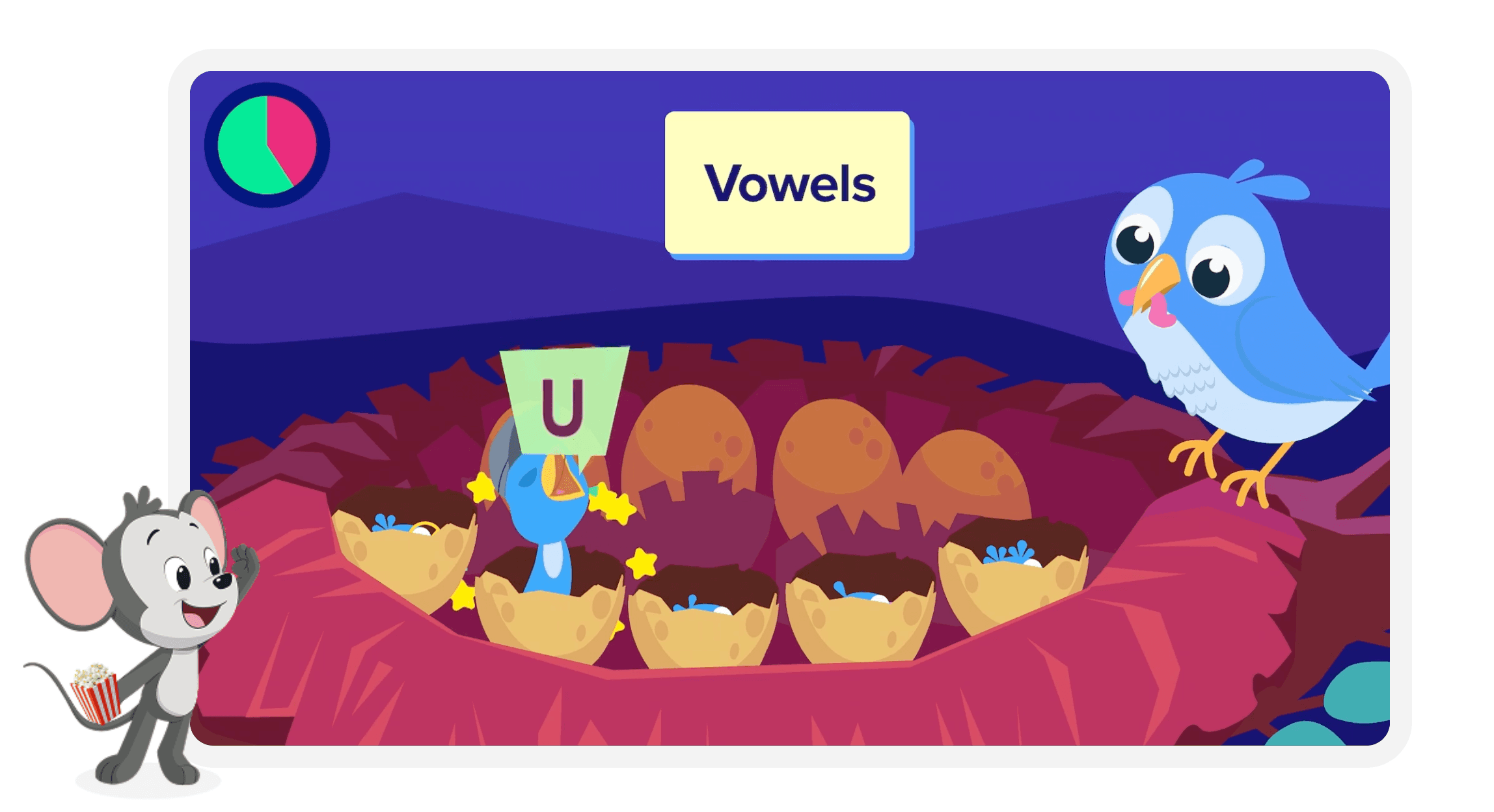
What’s interesting about the ABCmouse app? It’s a renowned educational app designed for young children. The app features a colorful interface that keeps kids engaged, along with interactive lessons and a wide selection of leveled books. In addition to foundational reading practice, ABCmouse also includes puzzles, and creative activities that support early literacy.
Features
- Guided, step‑by‑step phonics lessons with audio support
- Songs plus stories to reinforce learning
ABCmouse: Pricing
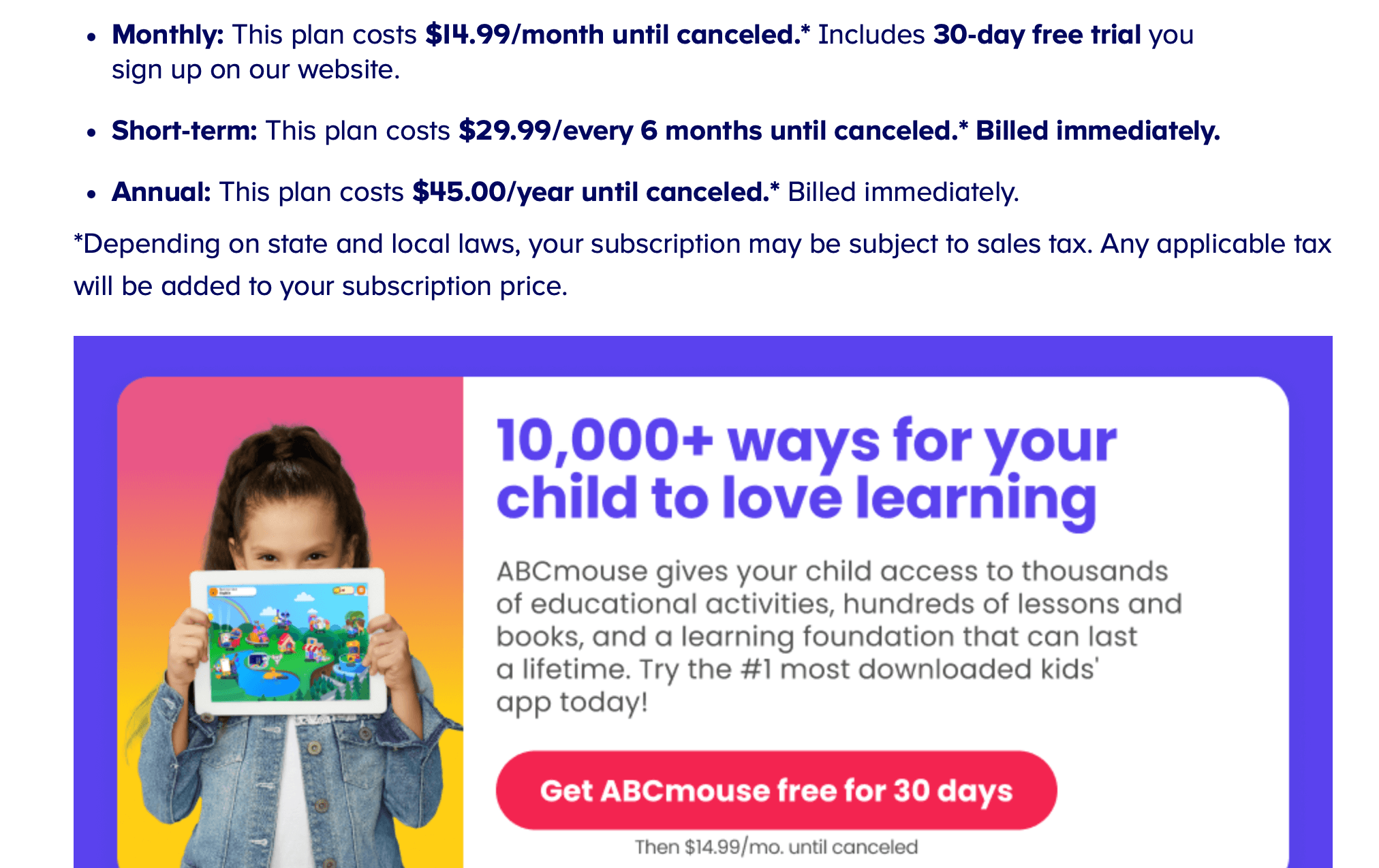
The app costs around $14.99 per month.
Key takeaways
Parents like the exercises, but some feel the program isn’t worth the cost, as their kids lost interest quickly. The average score on Trustpilot is 1.2, so you should dive deeper into the reviews.
Pros |
Cons |
| Audio support reinforces correct pronunciation |
More generalized curriculum, not solely focused on phonics |
| Good option among phonics programs for elementary schools | Some activities feel repetitive after a few weeks |
#8 Reading.com
Age group: 3-8 years
Best for: Beginning readers and parents who want guided, structured reading lessons with parent‑child participation
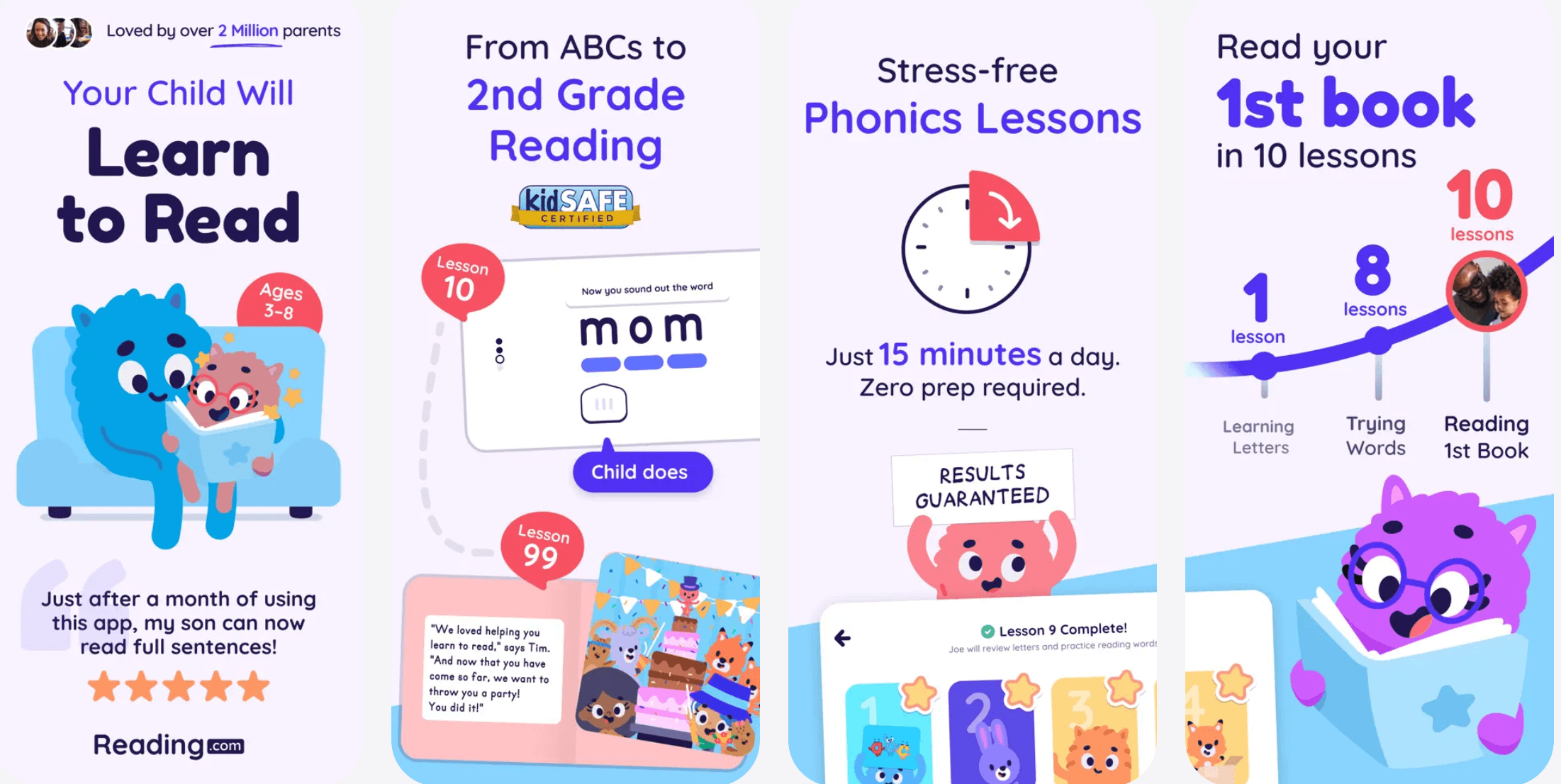
The most exciting part of Reading.com is how it combines lessons with games. Children complete short phonics lessons and then immediately practice their skills in digital storybooks, interactive games, and mini‑activities. The exercises are designed to keep kids engaged while reinforcing new words, and rewards and small achievements motivate them to return to lessons again and again.
Features
- 99 step‑by‑step phonics lessons
- 60 interactive, decodable digital storybooks
Reading.com: Pricing
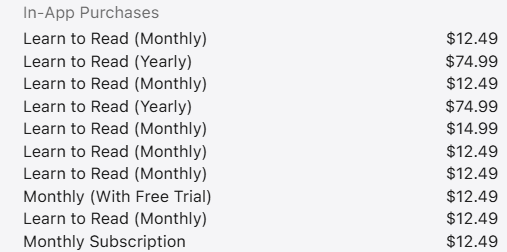
Subscription with in‑app purchases typically costs around $12.49/month or $74.99/year.
Key takeaways
Based on Reddit reviews, the pros and cons are as follows:
Pros |
Cons |
| Decodable storybooks support phonics for reading and help kids practice real reading after lessons |
Letters are not pronounced in the app |
Requires additional guidance from a teacher or parent |
#9 Funnix
Age group: 4-8 years
Best for: children who benefit from step‑by‑step instruction
Funnix stands out by offering clear, structured, almost tutor‑style phonics instruction. Children go through short lessons that start with letter sounds, then building words, reading simple sentences, and finally tackling short passages. The lessons are presented in a conversational, easy‑to-follow way, as if a teacher is sitting right beside them, explaining everything step by step.
Features
- Teacher‑style guided phonics lessons with very clear explanations
- Multiple activities that reinforce reading fluency and confidence
Funnix: Pricing
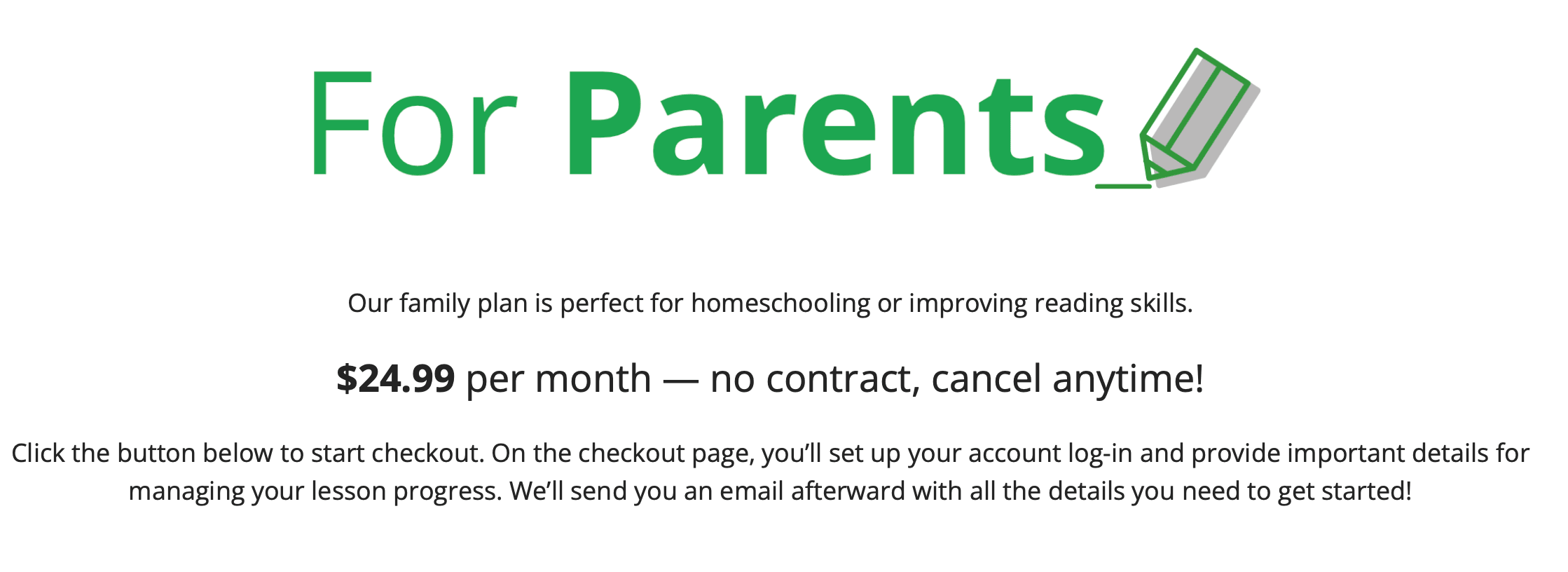
Subscription plan – $24.99 per month with full content access.
Benefits and possible limitations
Based on the reviews from customers on Amazon, the platform has quite a good reputation:
Pros |
Cons |
| Well‑structured, guided lessons that feel like tutoring |
Subscription cost higher than some other phonics programs for schools |
#10 Explore the Code
Age group: Pre‑K – 4 grades
Best for: children who love working with printed workbooks and online practice.
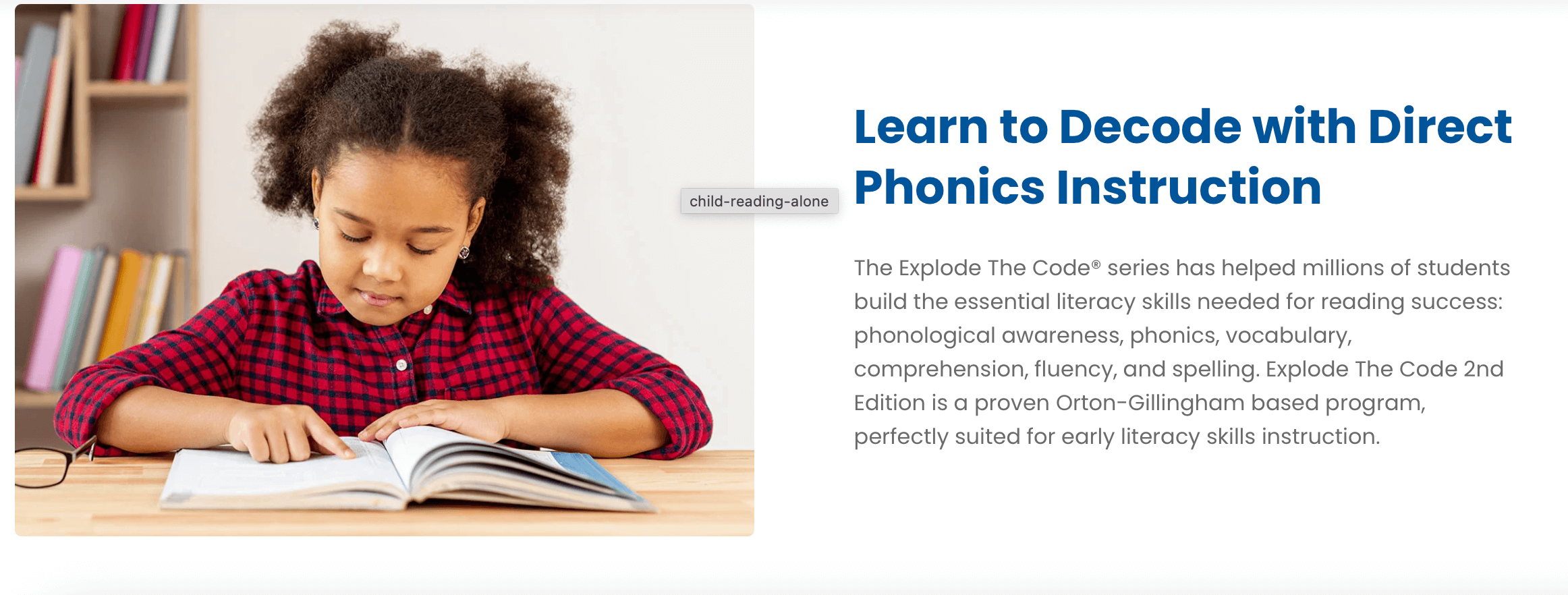
Another option is Explode The Code. It’s not just a digital platform with exercises; it also offers printed workbooks. So, if your child learns better through touch and physical books, this program is worth considering. The workbooks are well‑structured, and with each page completed, your child steadily improves their reading skills.
Features
- Printed workbooks for hands-on learning
- Online exercises for interactive practice
Explore the code: Pricing
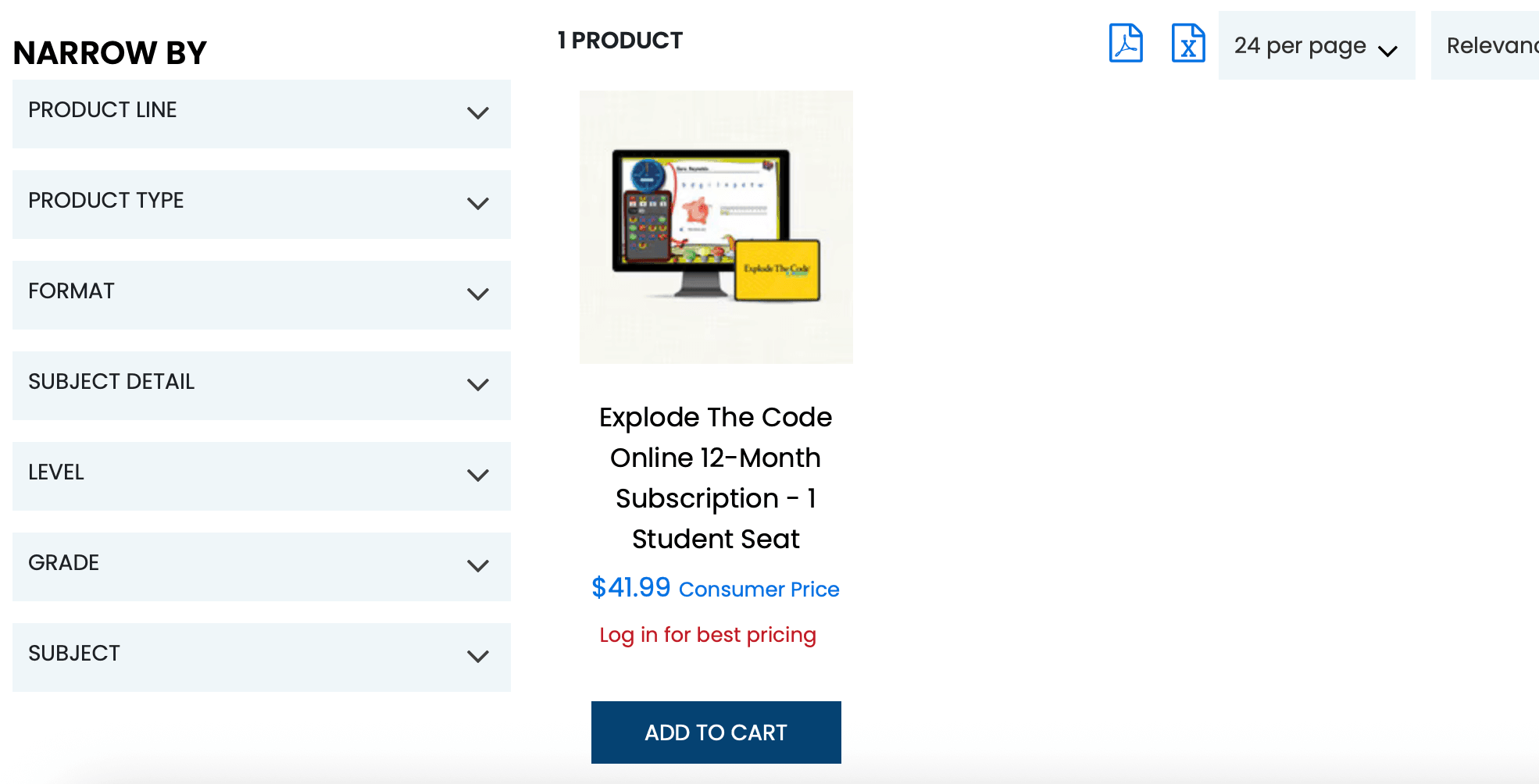
Printed workbooks are sold individually, with prices varying by edition, while online access costs $41.99.
Pros and cons
On Reddit, parents say that many like the platform, but some noted that the workbooks focus excessively on individual sounds and letters.
Pros |
Cons |
| Ideal for daily reinforcement and practice |
Less gamified than other phonics programs |
| The lesson structure may not suit everyone |
Why reading phonics programs matter for early readers
The reading phonics programs matter for early readers because they help: a) understand the connection between letters and sounds, b) develop skills for reading aloud and listening, c) reduce fear of new words.
This approach lays a strong foundation for independent reading, better pronunciation, and understanding larger texts later. I’m afraid that if you skip this first step, a chain of difficulties can appear, because each new stage will feel harder.
Phonics programs work best for preschoolers just starting to read, older kids learning English, or children who need structure. That said, practically anyone can address them in case of related difficulties. If your child mixes up sounds, reads slowly, avoids reading, or loses interest quickly (just a few common phonics mistakes) – that’s totally fine. All they need is support for you.
How to choose the right phonics reading program?
Some parents just choose the most popular phonics program based on the ads, and after some time, struggle to understand why their kids show little to no results. The secret is to pick the right program, and here’s how you can do it:
-
Consider your child’s age, level & preferences
Some programs suit preschoolers, others work for early elementary students. Make sure that the program you choose fits your specific needs. -
Study learning styles
Some kids enjoy games and animations, others need clear structure and worksheets. Overall, it’s always a good idea to explore learning styles before picking any learning domain. -
Look at the format of research-based phonics programs
Online platforms with pre-recorded or live lessons can suit for independent or guided learning. By contrast, those that rely on printed materials suit children who need handwriting help. -
Check for progress tracking
Parent reports or short quizzes, will help you stay on track with your kid’s progress, understanding their weak and strong points. -
Start with a trial or demo
At most programs, you can try out their mechanics for free with a trial or a demo. You should test them out for sure, because it’s where you can see if those resources fit your style and pace.
Check the basics behind this term
Take our quick quiz to discover the perfect learning solution based on your child’s needs.
If you prefer teaching your child to read without using a program, I’ve put together a helpful collection of articles on Phonics activities, Phonics games for kids or How to teach phonics at home.
Conclusion: Which phonics programs should you choose?
I hope my article was helpful and showed you that phonics-based reading programs can look different and use various approaches – but they all share the same goal: helping your child learn to read confidently. The important thing is to choose the format that fits your child’s needs. So, here’s a brief summary.
- If your child learns best through play and motivation, consider: Teach Your Monster to Read, Reading Eggs, Starfall Learn to Read, and ABCmouse
- For a structured, step-by-step approach, try: Hooked on Phonics, Phonics Hero, and Reading.com
- For children who need structure and writing practice: Funnix and Explode The Code are solid choices
- And for kids who need extra support, professional guidance, and 1-on-1 lessons, Brighterly phonics programs for struggling readers is a great option.
Here, you can also follow the advice: “try trial periods or demo lessons first.” Brighterly lets you explore the platform before paying. Book free lesson and decide afterward.



Often, when it comes to writing academic essays, the hardest part is thinking of a title. But why is this? The titles of academic essays need to be succinct, descriptive and catchy, and this might feel daunting when you only have a few words to work with. But fear not! In this guide, I’ll teach […]

Feb 02, 2026

Academic burnout can happen to any student at any age. By working with kids of different ages and temperaments, I can conclude that it inevitably affects their grades, their happy smiles, and, well, all their well-being. This exhaustion hits them harder than we realize. But it’s definitely reversible. And here’s how. Key points Academic burnout […]
Feb 03, 2026
Math & reading from 1st to 9th grade
Exploring alternatives?
Take a short quiz!
Choose kid's grade