Signs of Reading Comprehension Problems: Learn to Spot & Address Them Early
reviewed by Franz Jerby Delos Santos
Updated on March 6, 2026

Identifying signs of reading comprehension problems in young learners early enables you to ensure that your child doesn’t fall behind or lose confidence on their academic path. If you recognize the described indicators, you’ll be able to provide targeted support before frustration sets in.
Key points
- A child may possess high reading fluency (speed and accuracy) yet still suffer from poor reading comprehension if they can’t process the meaning of the text.
- Key symptoms include difficulty retelling a story, mixing up the sequence of events, and an inability to make logical inferences or predictions.
- Effective comprehension relies on strong decoding skills, a deep vocabulary bank, functional working memory, and relevant background knowledge.
- Psychological barriers – like high reading anxiety or low engagement – can physically interfere with the brain’s ability to process and retain language.
Signs of reading comprehension problems: Quick checklist
- Retelling. Can’t explain the main plot or characters after finishing.
- Sequencing. Mixes up the beginning, middle, and end of the story.
- Vocabulary. Struggles to understand the meaning of common words in context.
- Visualizing. Unable to describe what a character or setting looks like.
- Focus. Decodes words correctly but loses the ‘thread’ of the sentence (i.e., your kid’s reading but not understanding)
- Inference. Can’t explain why a character feels a certain way.
- Engagement. Shows high anxiety or tries to avoid reading aloud.
- Prior knowledge. Fails to connect the story to real-life experiences.
Note: Watch for the kids’ ability to explain the story in their own words. Remember that some children decode words quickly (fluency) but don’t process their meaning. Look for warning signs of frustration, avoiding reading tasks, or an inability to predict what might happen next in a story.
What affects reading comprehension?
Efficient decoding and a strong vocabulary allow the child’s brain to focus on meaning. Working memory and attention ensure that the kid retains information throughout a text. While background knowledge and language processing help connect new facts to existing ideas and logical sentence structures.
Factors impacting reading comprehension
- Decoding skills. If a child has bad reading comprehension and struggles to sound out words, their brain has no energy left to think about the meaning of the story.
- Vocabulary bank. Knowing the definitions of words allows the reader to follow the author’s message.
- Working memory. It helps a kid hold onto the beginning of a sentence while they’re still reading the end of it.
- Background knowledge. Having existing information about a topic reduces the risk of a lack of reading comprehension because ‘hooking’ new facts onto what’s already known becomes easier.
- Attention & focus. Staying engaged with the text ensures the reader doesn’t skip important details or lose track of the plot. If your child struggles to stay on task, learning how to improve focus while reading can help them maintain their concentration through longer passages.
- Language processing. The ability to understand how sentences are built and how ideas relate to one another logically, both in listening and reading.
Reading comprehension problems and solutions: 8 issues to address early
- Persistent gaps in foundational skills
- Difficulty identifying main ideas and details
- Limited vocabulary knowledge
- Poor working memory
- Lack of background knowledge
- Low engagement or reading anxiety
- Weak inference skills
- Poor self-monitoring
Persistent gaps in foundational skills result in reading comprehension problems
Foundational skills include phonemic awareness (the ability to hear sounds in speech and words) and phonics (the ability to link sounds to letters). When these skills aren’t fully developed, the child spends all their mental energy on attempts to say the words correctly. Given that the brain is busy with the physical act of sounding out letters, it just can’t simultaneously process the meaning of the sentences.

What to do next
- Working with a tutor on the Brighterly math and reading learning platform should help fill such gaps. These tutors provide a personalized approach, entailing that specific mechanical or cognitive issues are identified and addressed promptly.
- To ensure that your child is moving toward automatic word recognition, conduct frequent yet short checks on letter-sound recognition, or download these free comprehensive and grade-classified reading tests.
- Check out other effective ways to improve automaticity in reading.


Reading comprehension issues caused by difficulty in identifying ideas and details
Comprehension requires a reader to distinguish between the ‘big idea’ (i.e., the main point) and the ‘supporting details’ (the facts that explain the main point). Some children, though, treat every sentence with equal importance. That’s why they struggle with summarizing a story or understanding the author’s primary message altogether. They may remember a small and irrelevant detail (about, say, a character’s clothing) but forget the main conflict of the plot.
How to help your child
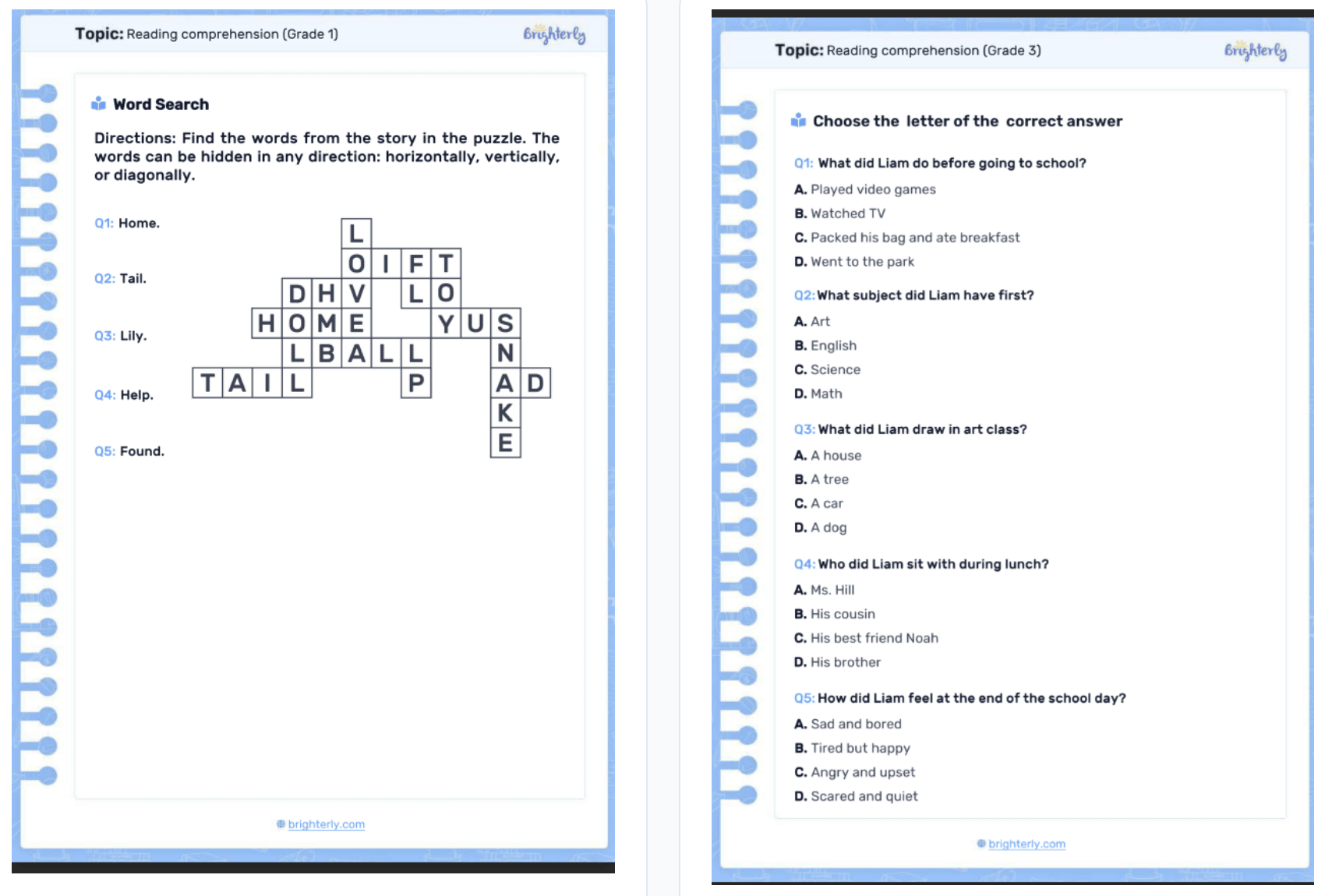
- Use reading comprehension worksheets and writing exercises that provide a clear framework for organizing information.
- During reading, ask your kid to underline the one sentence in a paragraph that they believe is the most important, and then discuss why that specific sentence carries more weight than the others.
- After reading a short section, ask your child to describe it in ten words or fewer. That’s how they can learn to prioritize the most important information and ignore minor details.
Limited vocabulary knowledge causes difficulty with reading comprehension
A kid can’t understand a text if they don’t know the definitions of the words, and when a child encounters many unknown words, they need to stop frequently, which breaks the flow of information to the brain.
Practical next steps
- If a child doesn’t recognize more than five words on a single page, pick a text with simpler language.
- Instruct the child to look at the words immediately surrounding an unknown term or examine the illustrations to identify the word’s definition.
- Introduce one new word each day and use it in several different sentences.
Child struggling with reading comprehension due to poor working memory
Working memory is when you can hold and process information for short periods. If your kid has problems with that, they might forget the beginning of a sentence by the time they reach the final word.
What to try first
- To reduce the amount of visual information the brain must process at once, employ a blank sheet of paper to cover all but one or two lines of text.
- Writing one keyword or drawing a small symbol next to each paragraph should enhance the ‘recording’ of the information they just read.
- Read a short sentence to the child, wait five seconds, and then ask them to repeat it back to you to practice holding information in their mind.
Lack of background knowledge leads to trouble with reading comprehension
If a child has no prior information about a topic they read about, the new text remains disconnected and difficult to process.
What to do next
- Before starting a new book, watch a short video or look at a map related to the topic.
- Flip through the pages of the book to look at all the illustrations and diagrams. Discuss the visible facts before reading the text.
- Connect the subject of the book to a real event your child has experienced. Remind them of a specific trip or an object they’ve seen that relates to the story.
Reading comprehension difficulties due to low engagement or reading anxiety
When anxious, a kid’s body’s stress response interferes with the brain’s ability to process language. Similarly, a lack of engagement means the child isn’t actively thinking about the text.

In some cases, though, these focus issues are linked to neurodiversity. That’s why understanding the connection between ADHD and reading can probably clarify why your child finds it difficult to sit still or retain information (if so).
How to help your child
- To lower the stress level, allow the child to skip words or mispronounce them without immediate correction.
- Provide reading options that align with your kid’s specific hobbies or interests. Plus, to reduce the individual burden, read one sentence or paragraph aloud, then have the child read the next one.
Common reading comprehension problems caused by weak inference skills
Inference implies understanding information that isn’t explicitly stated in the text. If your child has weak inference skills, pick some reading comprehension strategies that are centered on ‘reading between the lines’ to enable your kid identify a character’s feelings or the reason for an action more accurately.
Practical next steps
- Periodically, ask your kid questions like ‘Based on what just happened, how do you think they feel?’ and have them point to a specific word or picture as evidence.
- Stop reading at a high point in the story and ask your child to state what they think will happen on the next page, depending on the current situation.
- Explain your own thoughts during reading. For example, say, ‘The text says the character’s face turned red, so I think they’re feeling angry or embarrassed.’
Weaknesses in reading comprehension because of poor self-monitoring
Self-monitoring is the internal process of checking whether or not the text makes sense while reading. A child with poor self-monitoring skills will continue reading to the end of a page even if they stopped understanding the content several paragraphs earlier.
What to try first
- Employ the ‘click or clunk’ technique: Teach your kid to stop after each paragraph, and if the meaning ‘clicks’ (is clear), they continue, but if it ‘clunks’ (is confusing), they must stop and find where the confusion started.
- Demonstrate how to go back and read a sentence a second or third time when a specific detail is unclear. Explain that it’s totally OK even for proficient readers!
Conclusion
The most effective way to help your kid shift from simply decoding letters to truly understanding stories is addressing reading comprehension struggles the earlier, the better. On your own, feel free to employ targeted checklists, structured worksheets, and home practice techniques covered in this article to remove the barriers that cause frustration and academic gaps.
However, if you notice persistent difficulties, then professional guidance is a great option for you. To see how personalized support can entirely change things for your kiddo, book free reading lesson with a Brighterly tutor.

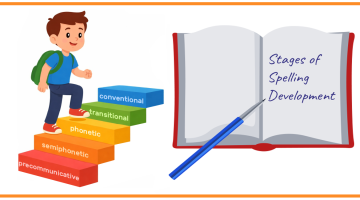
When a child starts writing, their letters and words don’t always look like we expect. The road to correct spelling isn’t perfect. Kids try things out, make mistakes, and come up with their own ways to write, and that’s exactly how they learn. All they really need is a bit of your attention and support. […]

Mar 03, 2026
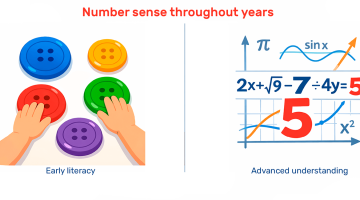
Number sense is a kid’s ability to understand, manipulate, and relate numbers. The lack of this skill can lead to counting on fingers, skip counting, and lengthy solving of math problems. That’s why it’s so important to understand what is number sense in math, and why building it during early childhood makes everything else click. […]
Mar 05, 2026
Math & reading from 1st to 9th grade
Looking for homework support for your child?

Choose kid's grade

Math & Reading for Grades 1–9
Build real confidence for your child with a Brighterly math or reading tutor.