How to Focus While Reading: Practical Tips to Improve Concentration
reviewed by Marvi M. Andres
Updated on March 4, 2026

Do you find that your kid struggles to focus when they are reading? You are not alone. With the availability of short-form video content, games, and more at fingertips, it’s no wonder that attention span may be waning.
If you want to learn how to focus while reading again and improve your concentration, I have the tips you need. Here, I’m going to cover the signs of poor focus and share actionable tips to improve it.
Key points:
- Signs of poor focus when reading in kids include needing to re-read content, forgetting information, or getting distracted
- Specialized tutors like those at Brighterly can help kids improve reading focus with tailored exercises and keep kids accountable
- It’s important to create the right environment for your child, which is comfortable, quiet, and free from distractions
- Children with ADHD can benefit from tailored methods, like using audiobooks and reading in short bursts to prevent mental fatigue
What are the signs of poor focus when reading?
- Needing to re-read lines over and over again because you haven’t absorbed the information
- Absorbing information that you’ve read, but then forgetting it quickly when you move onto a new chapter or section
- Zoning out or getting distracted by mobile devices or other things going on around you
- Making slower progress through book or other reading materials than you usually would
How to focus on reading: Tips for parents to help kids
To focus on reading, your child should create a comfortable, distraction-free environment, prepare their mind for reading by going for a walk or finding another de-stressing activity, read regularly, and use the tools at their disposal to aid reading, such as using their fingers to track along lines as they read.
If you don’t know what type of environment works best for your kid, that’s something you can work out with trial and error. Some people read best in silence, in a clutter-free space, while others like to listen to music while reading and don’t mind if their space is a little busier.
Preparing to read is another key step. Taking a walk or getting outside into nature has been shown to give us mental clarity, so it can help clear a child’s mind before they sit down to read, whether for pleasure or classwork.
Unless they’re taking part in a shared reading exercise, it’s also a good idea to read alone. They should find a space away from others, or, if they can’t, use a place where people will be quiet, like the school’s library.
Tips on how to focus when reading for kids
- Get support from reading tutors
- Create the perfect environment for reading
- Prepare their mind for reading
- Use the tools you have at your disposal
- Read consistently to build a strong skill
- Encourage writing
- Explore materials on their favorite subjects
- Set targets
Get support from reading tutors
Best for: Accountability and getting extra reading support
Reading tutors can help your child with their concentrating skills if they can’t focus while reading. That’s because they can hold them accountable if they struggle to stick to their reading.
A reading tutor can also identify any issues that might impact a kid’s ability to read. Sometimes the issue is their inability to avoid distractions, but other times it’s because they are really struggling with reading comprehension and need support to catch up to their expected reading grade.
Once a tutor identifies any blockers that are preventing them from reading effectively, they can put together an action plan to improve reading performance and, as a result, their focus when reading. Tutors can also build up surrounding skills that improve children’s reading abilities, like writing, which has been proven to boost reading comprehension.
Get personalized reading support from Brighterly
The Brighterly math and reading platform has a strong team of reading tutors who can help kids improve their focus and concentration. These professionals have an average of 5 years of experience, making them well-versed in working with reluctant readers. That’s why they can teach children everything you need to know about how to focus when reading.
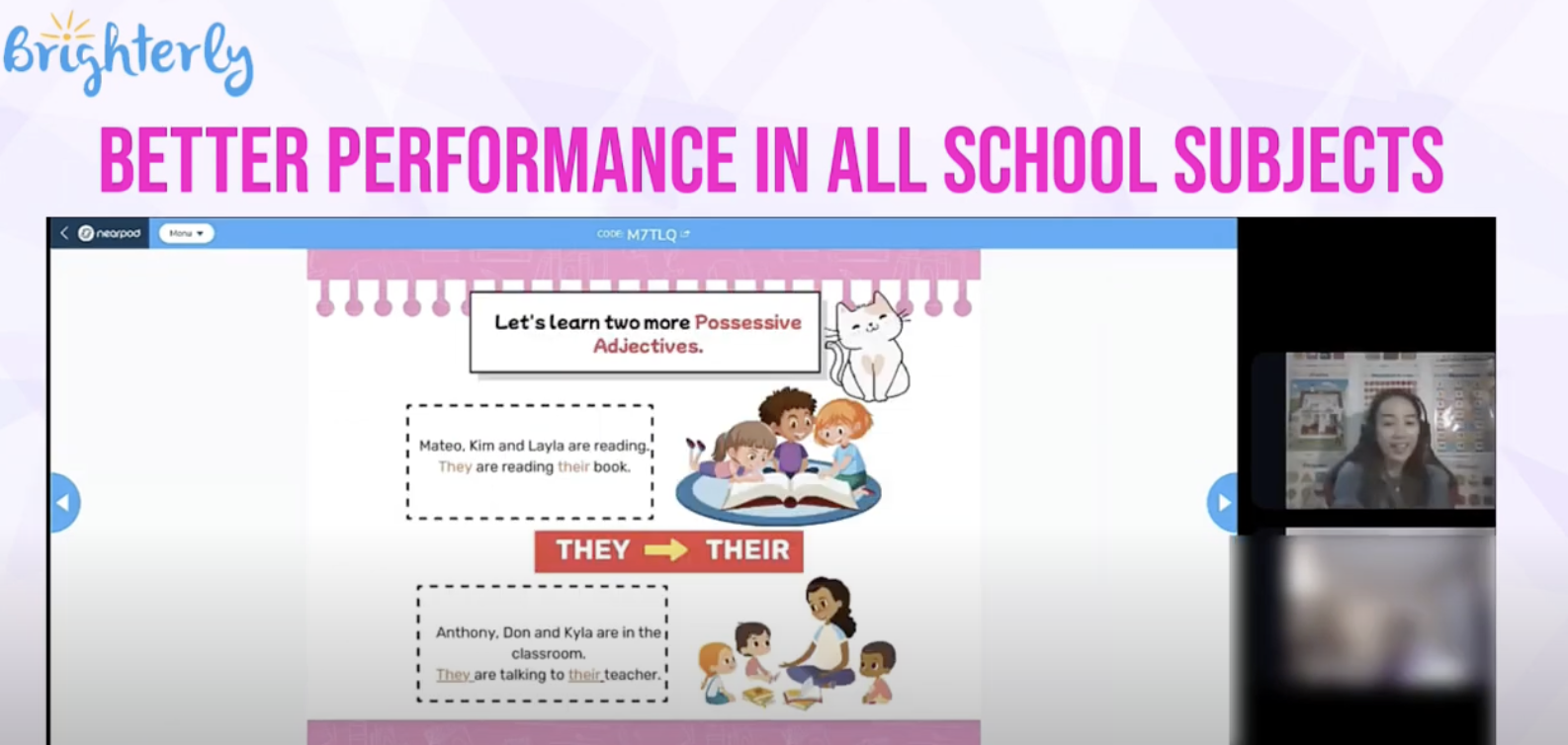
Besides, Brighterly’s reading tutors offer supportive one-to-one guidance that helps overcome any barriers a child is experiencing. They help understand unique strengths and abilities and know exactly how to bring them out.
Often, a lack of focus in reading stems from low confidence. The tutors can work with this issue, too. They’ll show a child that they can do anything they put their mind to!
In addition, Brighterly offers a range of learning resources to help you practice at home. This includes reading worksheets for kids that contain both long and short stories designed to improve focus and reading comprehension. You can also use free practice tests to see how well your kid is progressing.


Check the basics behind this term
Take our quick quiz to discover the perfect learning solution based on your child’s needs.
Create the perfect environment for focused reading
Best for: Preventing distractions
Distractions are among the biggest culprits in stealing reading focus. Whether it’s their favorite digital devices, the TV, or friends and family, there are so many distractions at their fingertips. Resisting them can be hard, but that’s the first step in improving focus.
Create a space where your child can read without distractions, and, if possible, remove all items that could draw their attention away from the room. This includes mobile phones, games consoles, tablets, and TVs. When they aren’t in eye line, the child is much less likely to get distracted. In the end, removing distractions is one of the biggest answers to the question, “How can I improve my reading focus?”

After doing that, find a comfortable space; this could be an armchair, a desk, or a small reading nook you have created in their bedroom. If the child requires complete silence while reading, make sure their space is quiet. However, if this isn’t something you can control, you might want to enlist tools like earplugs or noise-cancelling headphones.
You might even find that they read better with music on, and that’s fine. Noise-cancelling headphones can come in handy here, too, as they let children focus on the music rather than background noise. Instrumental music, aka music without lyrics, can be a good option so children don’t get confused between words in the music and words in their reading materials. Other kids may benefit from white noise, like rain or ocean sounds, or brown noise. It’s all about figuring out which is best for you.
Prepare their mind for reading focus
Best for: Preparing after a busy or stressful day
Sometimes, they just might not be in the right headspace to read. If a child has had a busy day at school or they’ve been experiencing stress, that’s not ideal for sitting down and reading. So, when deciding how to concentrate while reading, it’s important to consider your mental and physical health.
It’s been proven by the 2026 study published on the Economic Times that walking and spending time in nature provide mental clarity, allowing you to clear your head after a busy or stressful day. So taking an after-school walk around a local park, or even around the block if short on time, can give a child the time and space they need to reset their mind.

This also works for a busy school day. If they aren’t able to leave campus during the day, why not suggest that they take a walk around and absorb their surroundings? Or, if they must stay on the school grounds, inspire them to take a walk around their sporting pitches and fields (as long as nobody is playing on them!).
If they still complain that their head is too full for focused reading, they might also want to try writing down their stressors. That could be anxiety about an upcoming exam, a challenging English lesson, or a disagreement with a friend. As Harvard Health Publishing research from 2011 shows, writing it down gets it out of our minds.
Use the tools you have at your disposal to concentrate on reading
Best for: Keeping your eyes focused
Did you know you already have some great tools at your disposal to help your child when they are having a hard time reading and focusing? Those tools are at your fingertips!
When you were first learning to read, you might have learnt that tracing each line with your finger helped you stay on track. And that is true at any age! If your child is wondering, “Why can’t I focus when reading?”, the answer may lie in finding it difficult to read line by line.

Using fingers to follow each word and line as a child goes is a great method for how to focus better while reading. It ensures their eyes don’t stray from the passage of text they are currently on.
Read consistently if you have difficulty focusing on reading
Best for: Building strong focus over time
Focusing on reading is a skill. So when you’re looking for how to improve focus while reading for your child, you’re looking for ways to help them build this skill. Think of focus like a muscle — in order to train it, we have to work it constantly. The same goes for concentration; kids have to practice it regularly to keep it sharp.
It’s best to start slowly when reading consistently, especially if a child has trouble focusing when reading. Sitting down and trying to tackle a large book when they can barely get through a chapter will be too challenging!

That’s why you should encourage them to start by reading small passages of text each day. This could be in a magazine, a newspaper, an informative article online, or a short chapter of a book. Then, they find that their focus is improving, and they can move on to reading more each day. Soon enough, they’ll be devouring tens of chapters of their book each day.
You could also set specific time limits for reading and gradually increase them. The Pomodoro technique is a useful way to begin this; ask the kid to read for 25 minutes, then have a 5-minute break. After four sets of reading, they can have a longer break. This helps build up their reading stamina.
Tracking progress also helps see how far they’ve come, too. They may start with a chapter in a short book and, within a month, move on to six chapters a day in a bigger novel. Recognizing progress builds their belief in their own abilities, boosting confidence in learning in general.
Encourage writing
Best for: Understanding written media more deeply
When looking for how to maintain focus while reading, you should encourage your kid to write about what they’ve read. The reason this works so well is that it forces them to really pay attention to what they are reading. They can summarize the gist, write down their thoughts, or critically analyze texts. Every one of these exercises makes them concentrate on what they’re consuming.

Additionally, writing can also help to comprehend the copy a child is consuming more deeply, as shown in 2011 research by Fahad Alharb. It can also build vocabulary skills as a child has to describe what they’ve read in new and interesting ways. Finally, this can help improve their performance on assessments that often require written responses. Strong writing skills, along with good reading abilities, will serve your child well in school and beyond.
Check the basics behind this term
Take our quick quiz to discover the perfect learning solution based on your child’s needs.
Explore materials on their favorite subjects
Best for: Making reading interesting
One reason you might be exploring how to stay focused while reading is that you spot that your child isn’t really interested in the subject. One way you can strengthen their concentration, particularly when it comes to texts they consider boring, is by proposing the content they are actually interested in.

By asking them to read their favorite stories, comic books, or non-fiction content, you can turn reading into their regular hobby. Then, when it comes to something they find less interesting, they will be able to focus on it better.
Set targets
Best for: Motivation to improve reading focus
When training or learning a skill, it’s easy to come across some stumbling blocks or give up because you don’t feel like you’re making progress. This is why setting targets is important. By setting milestones for your child, you can tick them off as they progress and show them how far they’ve come.

This might be reading a short story every day, or getting through a novel they’ve been wanting to read in the space of a month. You might also track how challenging their reading material is to see if they’ve improved focus on more difficult levels.
Some targets that let you track how well children concentrate on reading include:
- Reading for a set amount of time uninterrupted: Start with short periods of time like 5 or 10 minutes, gradually moving up to 20 or 30 minutes, then reading for a full hour without interruption or distraction
- Reading a set amount every day: First, ask them to read short stories, articles in newspapers or magazines, or book chapters every day. Then, set larger targets, like 3 articles a day or 2 chapters of a novel
- Set a time limit: They’ve been excited but daunted by a long book they want to read? Set a time limit for reading it from start to finish. Be realistic, but make sure it’s challenging
- Target an improved reading speed: As a child becomes better at focusing on written media, they’ll also naturally improve their reading speed. Once they’ve got the basics of concentration nailed, they can try to improve their reading speed as an extra challenge
Note: Reading speed is important to children’s education and their future prospects. Find out key strategies to increase your child’s reading speed on our blog.
How to focus on reading with ADHD?
Quite often, children with ADHD can’t focus on reading. This is because they struggle with executive functioning, which affects concentration.
The good news is that there are some strategies on how to focus while reading with ADHD:
- Listen to audiobooks: If reading feels like a lot of effort, consider audiobooks. They take much less mental effort to listen to, meaning a child can comprehend the content more easily
- Break text up into more readable sections: ADHD affects focus, meaning that large walls of text seem more difficult to take in. If you can, break up the text into smaller chunks. This is easy to do online in documents or with reading mode, and for physical materials, you can use pieces of paper to hide sections of content until a child finishes with the one you’re reading
- Use tools like highlighters or pens: Kids with ADHD struggle with focus, reading comprehension, and memory. Highlighting key passages of text helps them remember them more clearly and revisit them with ease
- Read for short periods of time: ADHD means a child isn’t able to focus for as long as their peers who don’t have ADHD. So, you can encourage them to read in short, focused bursts instead of trying to continue reading
- Read aloud: Reading aloud can help make more sense of a text. It makes the words feel more real, similar to listening to audiobooks
Note: ADHD can have a big impact on your child’s reading progress, but it doesn’t mean they can’t become skilled readers. Get our top tips on improving reading for kids with ADHD.
How to stop getting distracted while reading?
When it comes to how to read without getting distracted, you can do this by moving things that are likely to grab a child’s attention away from them. These can include:
- Mobile phones
- Tablets or laptops
- Gaming consoles — handheld or otherwise
- TVs, if possible (or unplug them from the wall)
If you can’t remove something like your phone from the room, turn off notifications for non-urgent messages and social media so they don’t distract a child.
If a child is distracted by noise, you should create a quiet place for them. If this isn’t possible, find ways to block out noise like using noise-cancelling headphones, earplugs, or playing white or brown noise to drown out background sounds.
Speaking of fatigue, you might also notice your child is more distractible when you’re tired. Sometimes, you can’t force yourself to focus on reading. In this instance, it’s important to ensure they’re getting enough rest — both mental and physical.
Conclusion
Now it’s time to put your newfound knowledge to the test and improve your focus on reading. If your child is currently experiencing difficulty focusing on reading, there’s no need to worry. Like any other skill, it’s one that you, together, can build back stronger than ever, no matter where they are in your learning journey — whether that’s third grade, fourth grade, middle school, or high school. You can even use these tips as an adult if your focus is getting worse!
Book free reading lesson and discover how personalized support from Brighterly’s highly qualified tutors can help improve your child’s reading focus!



When it comes to writing, sticking to correct spelling is often a struggle for kids. In that case, parents might consider a good homeschool spelling curriculum that can help. As a tutor, I’m constantly asked which one is the best. So, I’ve made this guide of some of the most effective options for you to […]

Feb 17, 2026
Helping kids really get into reading can be much easier when you have constant access to a variety of books to choose from. And that’s where digital libraries like Libby can help. Being a reading tutor, I often get questions like “How does Libby work?” So, I’ve decided to collect the most recent and relevant […]

Feb 18, 2026
Math & reading from 1st to 9th grade
Looking for homework support for your child?

Choose kid's grade

Math & Reading for Grades 1–9
Build real confidence for your child with a Brighterly math or reading tutor.