How to Help a Child With Dysgraphia: Step-by-Step Guide for Parents
reviewed by Franz Jerby Delos Santos
Updated on January 26, 2026
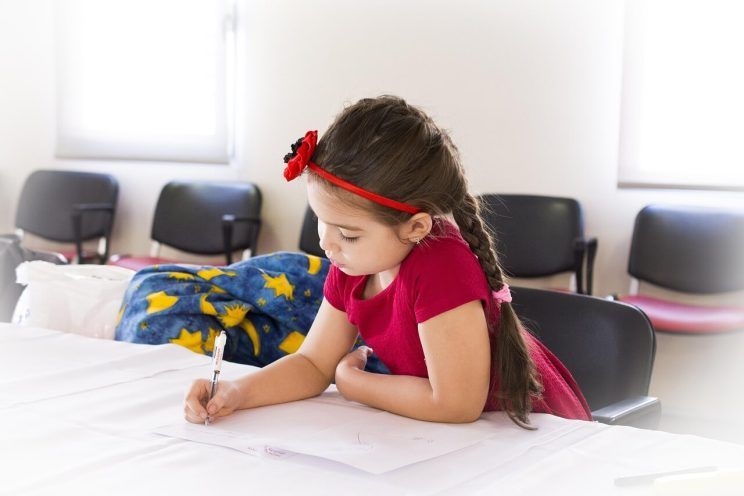
I know handwriting might seem like an archaic practice in today’s tech-filled world. The thing is, the human brain is still the same as it was decades ago – it still needs fine motor skills for proper development. That is why the question “How to help a child with dysgraphia?” remains relevant for parents. As an experienced tutor, I’m happy to help answer it.
Key points
- Dysgraphia is a neurological disability that impairs writing skills as it messes with both motor tasks and information processing.
- Among effective treatment methods are encouragement and support, multi-sensory strategies, and the use of worksheets.
- Brighterly tutors meet students with dysgraphia right where they are, making sure writing lessons are fun and not scary.
What is dysgraphia and how does it affect writing?
Dysgraphia is one of learning disabilities that mostly targets fine motor control. That’s why dysgraphia and handwriting don’t coexist peacefully. The disorder forces the brain to work extra hard to perform such typically simple activities as holding a pen, forming letters and keeping track of what the text is about.
For these kids, the journey of learning how to get better at writing is not just about practice. It calls for special help that addresses the neurological roots of the issue. Also, it’s important to remember that learning disabilities often go in pairs. Dysgraphia is no exception, and its most common “companion” is dyslexia, which also requires attention.
Signs your child may need extra support with writing
To help a child with dysgraphia, you will need to spot it first. The earlier the better. So, what do you pay attention to? If they often get hand cramps and their writing is messy, no matter how hard they try, those are big clues you shouldn’t brush off. Writing feels like rolling a boulder up a hill for a kid? They get physically and mentally exhausted very fast, lose focus, and try to dodge writing tasks in general? All of these are also red flags to pay attention to.
Micro signs your child needs writing help
- They mix big and small letters within words.
- They constantly cross the margins of a paper when writing.
- Other fine motor tasks like tying their shoes or using scissors are also hard for them.
- They grip a pencil too strongly.
- They have a great way with language when speaking but struggle with putting thoughts on paper.
- Inconsistent letter sizes and shapes (e.g., some letters leaning left, others right).
How to help a child with dysgraphia at home?
Helping a child with dysgraphia at home is primarily about keeping things as comfortable as possible. One thing we often forget is that it affects them emotionally. Kids might think they’re not smart enough because they can’t write as well as others. The parents’ job is to let them know that dysgraphia is just a different way their brain works.
Learning about dysgraphia and how to help kids with this disability, I’ve witnessed the positive effect of encouragement. Help them feel better about themselves, try to focus on the good things in their writing, like praising that one letter they wrote perfectly, instead of pointing out all the ones that aren’t quite right. It’s also a good idea to get them involved in activities where they don’t have to write, like sports or music.
Also, you can really make a difference by taking some pressure off a child through creating an environment where they can practice writing with no stress but with tools they might need. Letting a kid use a computer for a long or complicated writing task can be one of the simple ways to start. Typing on a keyboard is physically way easier than handwriting, so they can focus more on what they are writing about rather than on hand movement.
What you need to remember is that providing dysgraphia treatment at home doesn’t have to feel like more school. Rather turn practicing writing into a game and provide a safe space where a kid can make mistakes without worrying about it.
Dysgraphia treatment with Brighterly: How it can help
Brighterly understands that a writing disorder can infiltrate other tasks, even math. That’s why Brighterly math and reading platform gives kids a safe, one-on-one space to learn without the usual classroom stress. Its writing and reading tutors know how to help kids with dysgraphia, making sure the students are not pressured or rushed.
Joining writing classes for kids means getting access to interactive tools, like writing worksheets, that make handwriting fun and as easy as possible.


Ways to help a child with dysgraphia
- Using writing worksheets
- Exploring different types of writing
- Encouraging creative expression
- Establishing a multi-sensory writing station
- Managing hand fatigue
Using writing worksheets
Best for: K–2 students (primary use), Grades 3–5 (support use)
Special writing worksheets for kids can be a game-changer. They often include visual cues that help kids understand how to align their text.
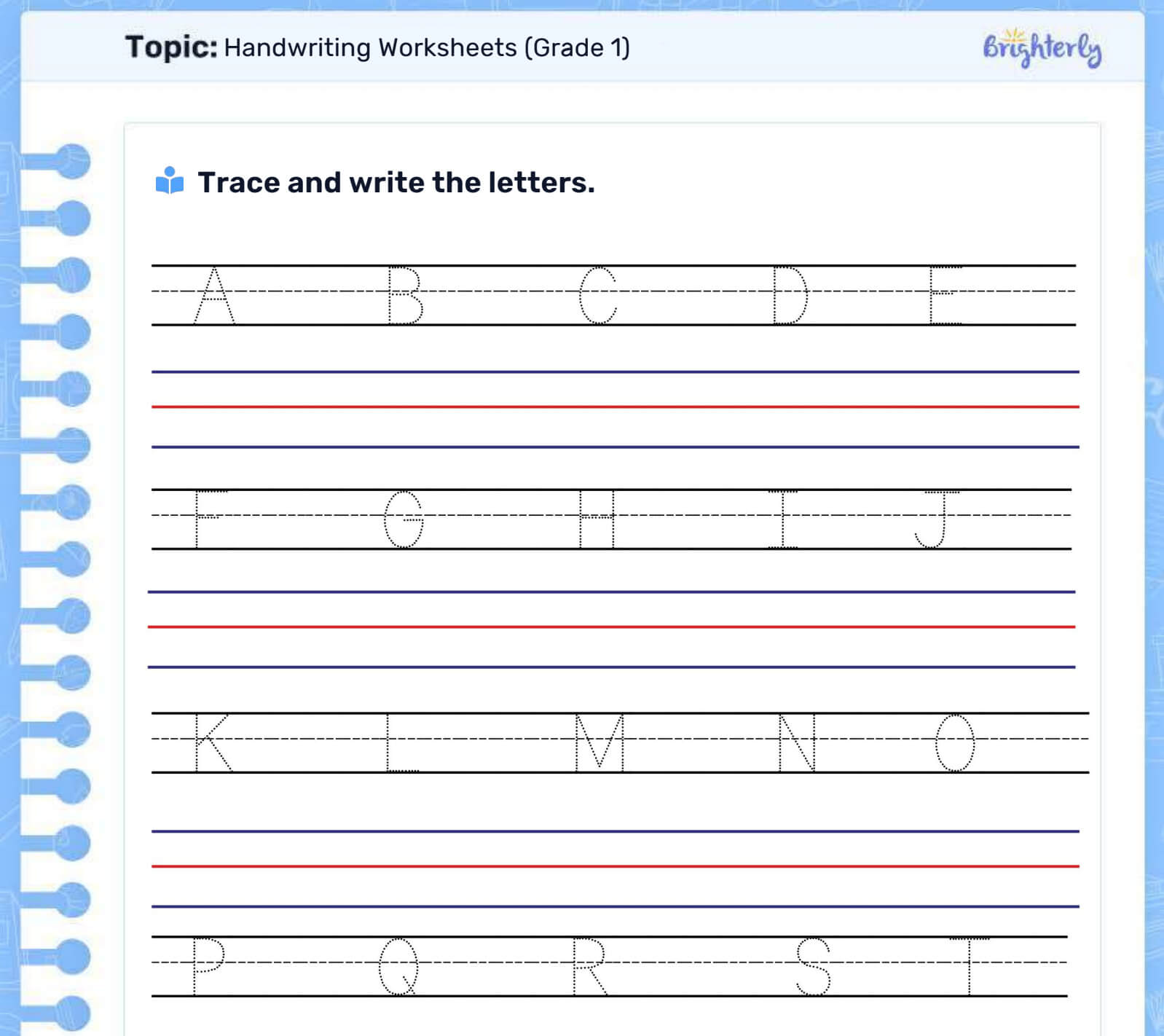
How to help a child with dysgraphia by using writing worksheets
When you teach your child to get better at writing, it’s best to start with letters they find easiest to form. Instead of going from A to Z, teach letters that have similar shapes together. Letters like l, t, and i are great to start with. This way, they’ll build up skills and confidence quickly. Additional benefit: this will help them avoid getting annoyed and not want to write at all.
Exploring different types of writing
Best for: All students (K–12), especially helpful for K–5
Introducing various types of writing for kids helps take the pressure off. It shows them there’s more to writing than just essays. Simple stuff like making a shopping list or creating a quick comic can show them that writing can actually be useful and entertaining.
How to help a child with dysgraphia by exploring different types of writing
You can try writing together. Turn it into collaboration. You can start a story with a sentence, then have your child add just one word or a short phrase to keep it going. This makes writing a fun game instead of a boring task and lets a kid express creativity without worrying about filling up an entire page all alone.
Encouraging creative expression
Best for: All students (K–12), especially helpful for K–3
One of the tricks that helps build writing confidence is teaching a child how to improve creative writing skills. For that, you can try using speech-to-text technology programs. The concept is pretty simple. A kid speaks and the computer automatically takes notes, letting the child get their ideas out without struggling to write with a hand.
Tools that guess what word you’re trying to write can also aid with spelling. Just remember that offering any help with dysgraphia is about using the right tool, not about giving up on handwriting. See it like giving a builder a drill instead of a screwdriver.
Establishing a multi-sensory writing station
Best for: All students (K–12)
Setting up a special writing spot is undeniably a great dysgraphia help. Load it up with lots of pencils: triangular, heavy, or those with rubber grips. See which one your kid likes best. Offer different papers, too, like wide-ruled or graph paper, so they can pick what works for their hand.
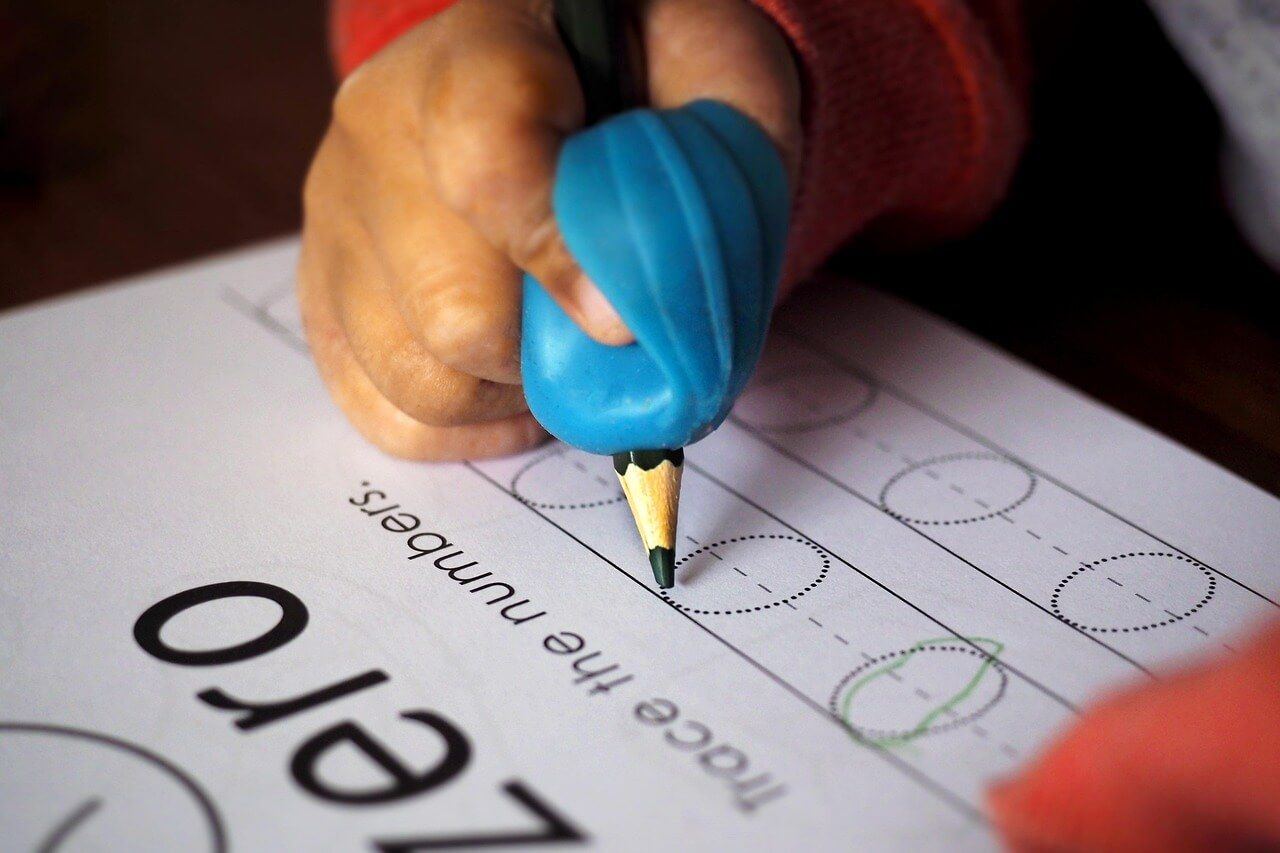
Also, throw in some visual timers to keep track of time and split work into chunks. If they know they only need to write for, say, ten minutes before a quick break, they will feel more relaxed.
Managing hand fatigue
Best for: K–12 students
Since the hand gets tired pretty fast in kids with dysgraphia, building strength in its muscles would yield better results in writing. One of dysgraphia activities that can help is short-hand warm-ups every day. For example, they can rub their hands together very fast or shake their hands as if they were getting water off of them, or do some easy finger stretches.
Besides these things, think about where they are writing. A slant board might make it easier for them since it angles the paper and puts less stress on their wrist. Also, be sure that the desk and chair are at the right height so that their feet are flat on the floor and their elbows can rest easily on the desk.
Dysgraphia exercises and activities that improve writing
- Squeezing stress balls: Helps build up small muscles in hands and wrists.
- Clay and dough modeling: Pinching and pulling can make hands stronger and fingers more flexible.
- Crafting with scissors: Helps train coordination and precision in hand control.
- Sorting beads with tweezers: Helps improve hand grasp, needed for holding a pencil.
- Writing with textures: Tracing letters in shaving cream, sand or salt trains sensory feedback and motor skills in general.
- Writing in the air: Using large arm movements to write in the air helps memorize patterns of letters more easily.
Note: Doing these activities helps children strengthen their hands and fingers, making writing less tiring and letters easier to form.
Does cursive help dysgraphia?
Yes, cursive writing has proven to have a positive effect on writing, especially in kids with dysgraphia. It’s all about keeping the pencil moving – no need to keep picking it up and putting it down like with regular printing. Plus, it can really cut down on letter mix-ups (like getting ‘b’ and ‘d’ backward) since each letter starts in its own special way.
Of course, cursive might take a bit to learn, but combined with dysgraphia activities, it can actually make writing faster later on. And for kids with sensory issues, the smooth, flowing way you write in cursive can also be really calming.
Dysgraphia help in school: What parents can ask for
Let’s say you have thought of everything in a home setting, but how do you help a child with dysgraphia at school? First thing you can do is seek help through an IEP or a 504 plan. Don’t be afraid to speak up for things like assistive tech and extra help. It’s super important that your kid isn’t penalized because of writing challenges and is still provided quality education.
What schools may offer as dysgraphia help for students in class
- Access to a computer or a tablet during tests.
- Extra time to finish writing tasks.
- Permission to record audio during lessons.
- Getting notes from the teacher so they don’t have to copy from the board.
- Ability to do oral presentations or visual projects instead of complicated writing tasks.
Conclusion: Supporting your child with dysgraphia long-term
Providing help for dysgraphia takes time and patience. It’s about using tips, tools, and lots of encouragement. The good news is that you can really set your child up for success by covering the issue from all angles: home, school, and maybe some professional help.
Also, don’t forget that writing isn’t the only way to communicate. As kids grow, they’ll learn what works for them. So, be patient, cheer them on for every little win, and keep giving them the extra support they need to do well inside and outside of school walls.
With the services they need and a good attitude, your child can do anything. Want to boost their confidence even more? Book free lesson today and see how a plan made just for them can make a big change.


Does the homeschooling approach affect your kids’ math results? Sure! And you, as a parent, want to pick the best one. Let’s compare Saxon Math vs Singapore Math methods, and see which one would suit your children’s needs. Key points Saxon Math puts repetition, structure, and reviews into the center of its spiral approach, helping […]

Jan 15, 2026
Take my word for it: If spelling homework feels like a daily struggle, you’re not alone. But spelling apps can indeed offer short and fun practice that fits into busy days. That’s why I’ve gathered the 12 top spelling apps for kids that, based on my teaching experience, help them grow their skills (and give […]

Jan 16, 2026
Math & reading from 1st to 9th grade
Exploring alternatives?
Take a short quiz!

Choose kid's grade







![10 Best LMS Platforms for Online Education [2025]](https://brighterly.com/wp-content/uploads/2025/08/Best-LMS-Platforms-360x200.png)