Reading and Writing Learning Style: Strategies & Examples
reviewed by Laila A. Lico
Updated on January 26, 2026

Reading and writing learning style remains very much unknown to parents, even though it directly affects grades. What led me to write about this was an encounter with students who were clearly grappling with big challenges, simply because they were taught the wrong way. In this article, you’ll learn how to recognize this style and support your child at home and with tutoring.
Key points
- A read/write learner understands best through written text, notes, lists, and worksheets. They retain information by reading, writing, and organizing ideas in words
- When instruction is verbal or visual, a read write learner may appear slow, even when they are not (in most cases).
- The right read/write strategies help these learners show rapid improvement and renewed motivation.
- Structure and calm study spaces improve the academic results of kids with a reading/writing learning style
How to form good habits and break bad ones starts with choosing the right learning approach. Home support builds habits, and individual tutoring is a remedy when progress stalls.


What is reading and writing learning style?
The reading and writing learning style describes students who learn through text. They process information better when reading, writing it down, organizing it, and returning to it later. These learners prefer writing summaries, lists, and information organized and presented in words; they don’t rely on visuals, videos, or verbal explanations.
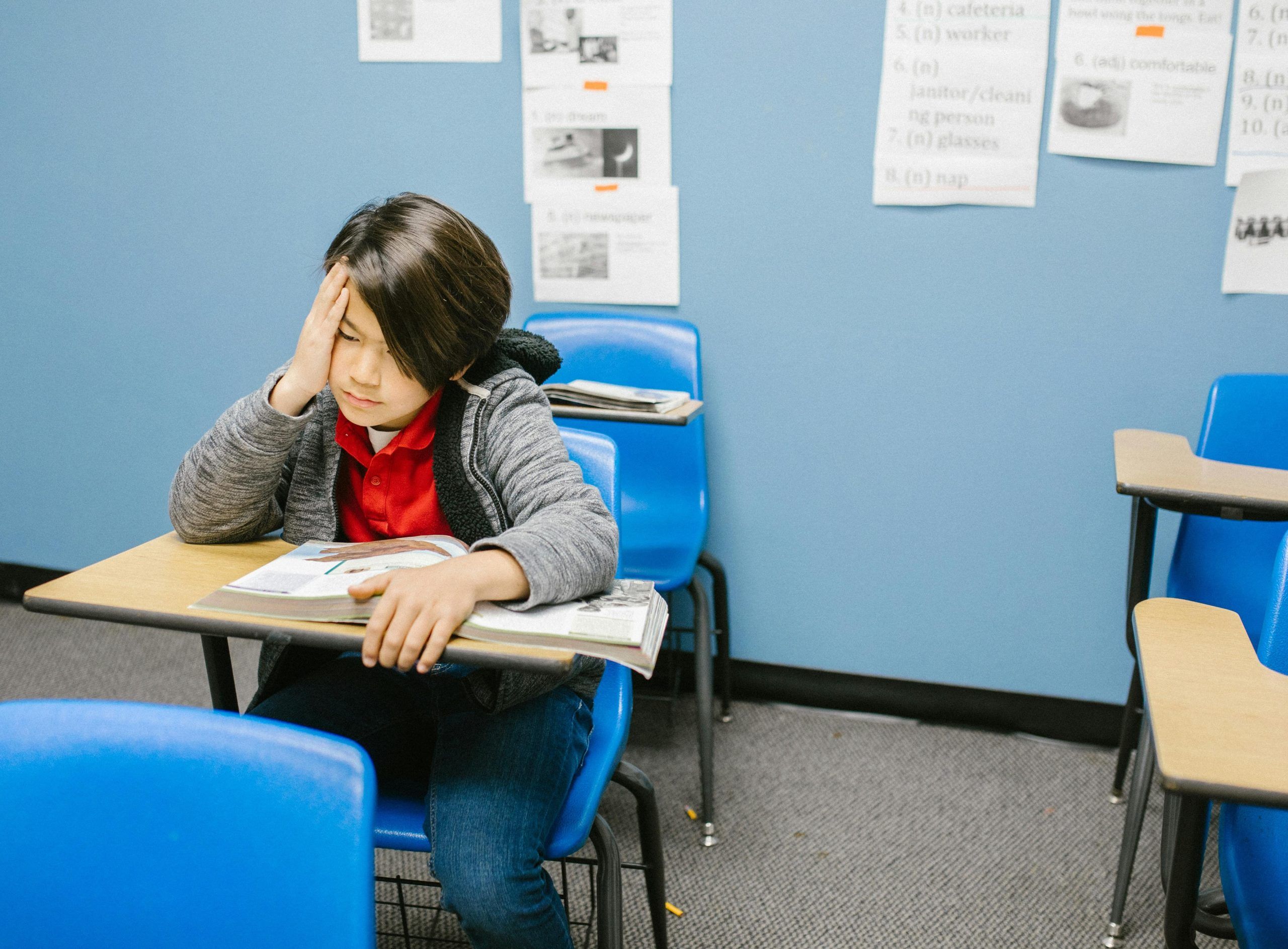
This style appears across all grade levels and often goes unnoticed. Students with read write learning style are quiet, compliant, and hardworking, but still underperform. And as I could see from my teaching experience, they especially suffer in classrooms where the teaching process is built around speed and discussion. They may lose interest quickly, feel frustrated or discouraged, with constant self-doubt, and the most heartbreaking thing is that they can be mistakenly labeled as “slow” or “difficult”. This is what happens when a child is not taught in a way that aligns with their learning style.
Read/write learning style definition
Children with a read/write learning style acquire knowledge through words (spoken or written). My classroom experience shows that not so obvious truth about such kids is that:
- they always perceive and retain information better when it’s presented in written form
- they thrive when their environment supports text-based learning
- they need calm study spaces without constant interruptions
- notes, lists, summaries, and well-structured worksheets improve understanding dramatically.
Another truth about reading and writing learners is that when their progress stalls, professional problem diagnostics, a good structure, and individual support can be a helping hand.
Where does the reading and writing learning style come from?
This style develops naturally, influenced by how children’s brain processes language and meaning. These preferences often form early, especially when a student starts reading books and stories, has strong verbal or language skills, likes working independently, and, most often, is overwhelmed by a fast, noisy environment and tries to escape.
None of this means the child is less capable. Oh, no! People of this kind might become excellent writers, journalists, and editors when they grow up. What we know so far is that reading and writing learners tend to:
- Think in words and sentences, not images
- Slow down ideas and put them into text
- Feel more secure when information is well-organized and written
- Use writing as a way to think, not just to show answers.
Kids with learning styles reading and writing perceive written language as a stabilizer to organize thoughts, make sense of new information, and, crucially, reduce uncertainty. Their brain looks for clarity through text, and school, parents, and caregivers should help such kids study in the most comfortable conditions for them to reveal their potential.
How to use read/write strategies in everyday studying (K–12)
I had some interesting conversations with parents who wonder whether a reading and writing learning style is “old-fashioned” in a world of constant audio-visual input, full of TikTok, YouTube Shorts, and classes with interactive learning features, such as Kahoot!. Well, the answer is, of course, not! However, children with this style do face more friction today than before.
Read/write learner strengths that go unnoticed
What’s the irony! So many reading and writing learners possess strengths that matter enormously for long-term academic success, but regretfully, they don’t shine in modern classrooms. I’ve seen numerous fantastically gifted students who:
- Think deeply about what they read
- Express ideas perfectly in writing
- Develop a rich vocabulary and strong comprehension
- Excel at independent study.
These students make sudden, noticeable progress when their specifics are noticed, and they are given time and structure, and structured programs such as Brighterly math and reading platform can be of real help by matching teaching methods and strategies to how your child learns.
When tutoring makes sense
If your child understands the material while reading but struggles to explain it, or freezes during tests or when asked to provide an answer in the classroom, this may signal a mismatch between the teaching methods and their learning styles. These are the read/write learning style examples that teachers and parents are advised to pay attention to:
When this happens, reading and writing learners may:
- Fall behind during fast lessons
- Miss instructions given only verbally
- Feel anxious and stumble when called on to answer out loud
- Take longer to start assignments because they need time to think
- When they are actually overwhelmed, they lose motivation for studying.
Probably, in such cases, it would be wise to try targeted tutoring.
How Brighterly supports reading and writing learners
Brighterly is a top-rated online platform that offers individual tutoring. It is designed to slow learning down a little bit (in a good way, of course), so any read/write learner can process information through text first.
Brighterly’s reading program focuses on comprehension, vocabulary, and understanding meaning through text.
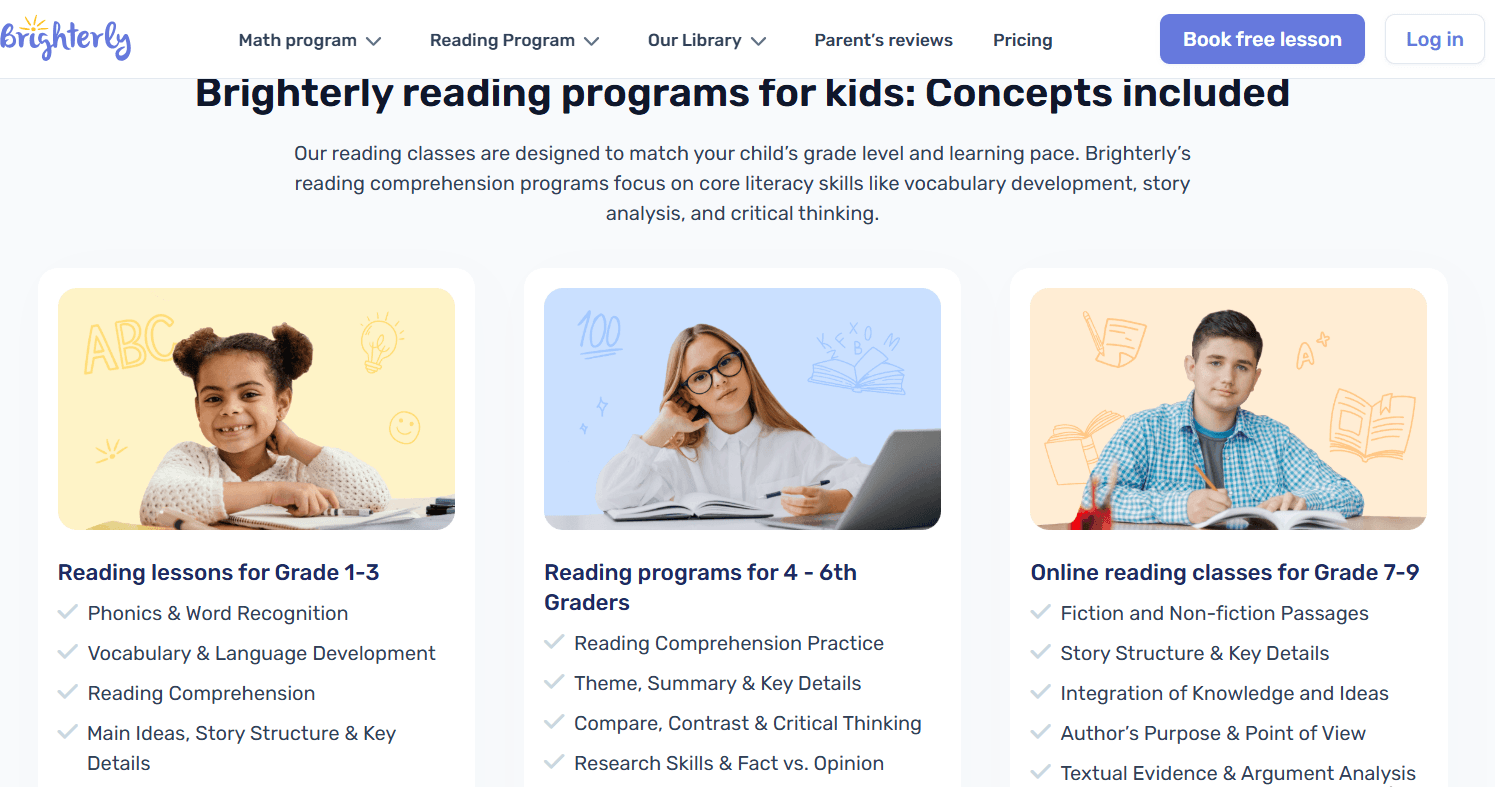
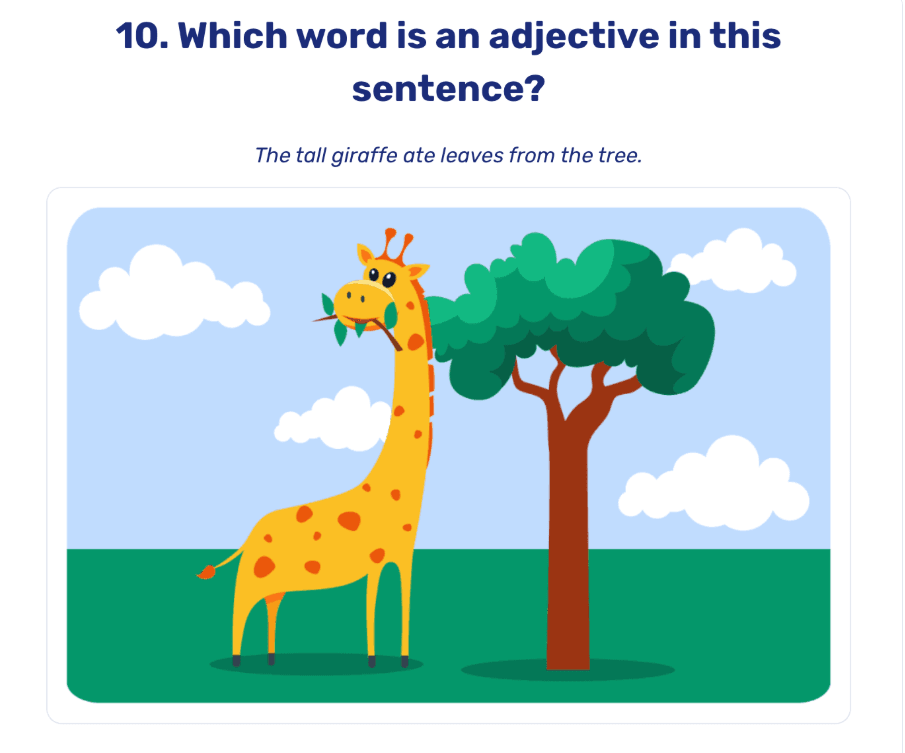
Children work with reading worksheets for kids that help them analyze, summarize, and absorb what they read, and they have enough time to think before answering. No rushed verbal instructions. No rapid-fire questions. No pressure to respond before thoughts are fully formed. These are things that scare reading and writing learners and prevent them from actually processing information.
Everything is presented in a fun, low-stress format, like this:
Writing classes support read write learner children who know the answer internally but, for some reason, are shy to express it clearly. Structured prompts and guided practice are the best way to help them learn how to build sentences and explain ideas step by step with no hurry.
Writing worksheets are carefully designed to collect scattered ideas into confident written responses (something that’s missing in everyday schoolwork).
Add consistent online tutor feedback, and learning finally starts to make sense. Instead of confusion piling up, reading and writing learners gain clarity when dealing with complex topics, multi-step problem-solving, or open-ended questions.
This one-on-one approach stands in sharp contrast to the typical school environment. In crowded classrooms of 22–30 students, teachers are forced to teach to the “average.” Even with the best intentions, individual learning styles are easy to miss. Small gaps don’t get addressed; they stack up.
Over time, read/write learner kids move forward without mastering the basics and schoolwork becomes harder and more frustrating. Parents often step in, turning homework time into a daily battle, explaining, rewriting, and re-teaching after long school days. That’s why targeted support with attention to a child’s reading and writing learning style isn’t a luxury, but the missing link between school expectations and a child’s real ability to thrive.
Reading and writing learning style examples (activities + worksheets)
Practical reading and writing learning style examples focus on developing information into words and then shaping the words into meaning.
| Grade | Activity | Time | Why it works |
| K–2 | Read + label pictures | 10–15 min | Connects text with meaning |
| 3–5 | Paragraph summaries | 15–20 min | Improves comprehension |
| 6–8 | Structured note-taking | 20–25 min | Builds retention |
|
9–12 |
Essay outlines | 30 min | Supports problem-solving |
Note. I want to remind you that children don’t fall behind because they’re slow but because the pace doesn’t fit. If you give reading and writing learners a roadmap, you’ll see the result soon.
Read/write learning style examples for elementary students
Elementary reading and writing learners often appear “easy” in class. They sit quietly, follow rules, and rarely interrupt. This is exactly why their needs are frequently missed. These children rely on written input to make sense of what they hear, but early classrooms lean heavily on oral instructions, songs, and group discussions.
Activities that combine short reading tasks with written output are great at this stage. Labeling pictures after reading, copying key words, or completing sentence frames allows children to translate spoken language into text they can process.
Read/write learning style examples for middle and high school students
Middle and high school introduce a new challenge for reading and writing learners: speed. Lessons move quickly, teachers explain verbally, and students are expected to respond on the spot. Many read/write learners understand the material but struggle to access it under pressure.
Written tools help bridge this gap. Chapter outlines created before reading, structured note-taking during lessons, and written reflections after class give students a chance to organize ideas in their own words. Essay planners and written explanations are helpful in subjects that require reasoning (science and math).
Reading learning style strategies (home + school) for read/write learners
Note. Reading instruction often assumes that comprehension happens instantly. Most read/write learner students built comprehension gradually through rereading, rewriting, and revisiting ideas.
Written context before reading
Give children something to hold onto: provide a short written introduction before a reading task. Key terms, guiding questions, or a summary help reading and writing learners focus on meaning instead of guessing what matters.
Providing written context is especially important for students with individualized learning plans. Clear, text-based expectations help align reading tasks with specific skill goals, such as fluency or comprehension. For examples of measurable objectives, see IEP goals for reading.
Transforming reading into written output
Children with read/write learning style are inclined to make notes, lists, or short summaries. Let them do it! This method slows the process just enough to improve retention and understanding without adding extra workload.
Reducing verbal overload
Many read/write learners miss information when instructions are only spoken. Written directions (even simple checklists) remove confusion in a heartbeat.

Writing strategies for students with a read/write learning style
- External structure for internal thinking
- Time-separated writing stages
- Written feedback that can be revisited
Note. Writing challenges are often mistaken for a lack of knowledge. In reality, many reading and writing learners know the answer but are confused about how to organize it quickly.
External structure for internal thinking
Templates, outlines, and graphic organizers act as scaffolding. They help students see how ideas connect before they attempt to express them fully in writing.
Time-separated writing stages
Planning, drafting, revising, and overall breaking writing into clear phases mirrors how read/write learners process information. Each stage serves a purpose, reducing frustration and mental overload. For step-by-step techniques and practical exercises, see the guide on how to get better at writing.
Written feedback that can be revisited
Written comments take extra time. But! They are a must-have for students with a read/write learning style to reflect and improve at their own pace. Unlike verbal feedback, it doesn’t disappear, which is critical for learners who process language through text.
Why read/write learning style can be overlooked today
Short videos, quick explanations, group discussions, interactive screens, all accompanied by loud music, and they are now so common in classrooms. Moreover, this extroverted study process often moves to home learning because parents may be inattentive, and they’re not aware of their child’s needs. But reading and writing learners suffer, because their brains can not process information delivered so fast, for example, in short videos. The same story is with audio explanations: they can’t be reread, paused, or put on paper when a note-taking opportunity was not offered. Just imagine how a child might feel, when they understand the material, but look slow in the moment, and have no other choice but to internalize the problem and start thinking, “I’m bad at school.” This is so unfair!
Sadly, this mismatch can affect confidence more than grades over time; that’s why teachers and families must be cautious.
Conclusion
Lots of gifted read and write learning style students don’t struggle because the work is too hard, but because their strengths go unnoticed. When learning is rushed or mostly verbal, their abilities stay hidden on the page. Brighterly offers a helping hand to these kids, aligning instruction with how reading and writing learners process information. So, help your child turn their talent into results: book free lesson today!


It’s a good idea to take a look through Acellus Academy reviews if you’re considering this platform as your child’s homeschooling curriculum. Ensuring children receive a good education is something I’m enthusiastic about, so I’m here to help you decide if Acellus is right for your child by detailing its pros and cons and answering […]

Jan 26, 2026

The i-Ready platform is well known to many parents and teachers, as it is often used in schools. You may want to support your child’s learning with a tool like i-Ready, but still have doubts. You are in the right place. As a teacher and education platform reviewer, I have prepared a comprehensive article. Pricing, […]

Jan 27, 2026
Math & reading from 1st to 9th grade
Looking for homework support for your child?

Choose kid's grade

Math & Reading for Grades 1–9
Build real confidence for your child with a Brighterly math or reading tutor.