Risks of AI in Education and How to Protect Student Data
reviewed by Franz Jerby Delos Santos
Updated on April 10, 2026
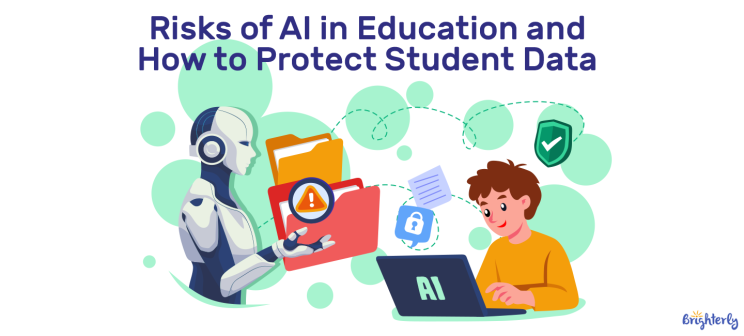
AI in schools is no longer just an experiment – it’s part of everyday learning. Today, lots of students and teachers rely on AI tools to grade assignments, explain lessons, or complete tasks. These technologies speed up and customize learning, but they also bring new challenges. This article explores the risks of AI in classrooms. We’ll also share ways for parents and educators to shield kids from its harmful effects.
Key Points
- About 92% of students use AI in their learning, according to the Digital Education Council Global AI Student Survey. This helps teachers save time and offers students new ways to learn.
- Effects of AI on education also include risks too. These include problems with student data privacy and a drop in critical thinking and independence.
- To protect kids from risks, gurus propose: Teaching critical thinking, verifying information, limiting screen time, and controlling privacy settings.
- The best approach is for a child to have a personal mentor who helps them understand the subject deeply; such tutors can be found at Brighterly.
What Are The Risks Of AI In Education?
The biggest risk of AI tools in education is security. When students use these programs, they can share personal data without realizing it. Educators and psychologists also worry that relying too much on a smart computer can stop kids from developing critical thinking and social-emotional learning. Over time, children may lose their natural creativity and independence, replacing them with a dependence on digital tools.
How AI Is Affecting Education Today
| Impact Area | What It Means |
| Faster task completion | Teachers use AI to automate grading and lesson planning |
| Instant answers | Students get explanations and solutions in seconds |
| Personalized learning | AI adapts tasks based on student performance and learning style |
| 24/7 availability | AI tools are always accessible, unlike teachers |
| Reduced critical thinking | Some students rely on AI instead of solving problems independently |
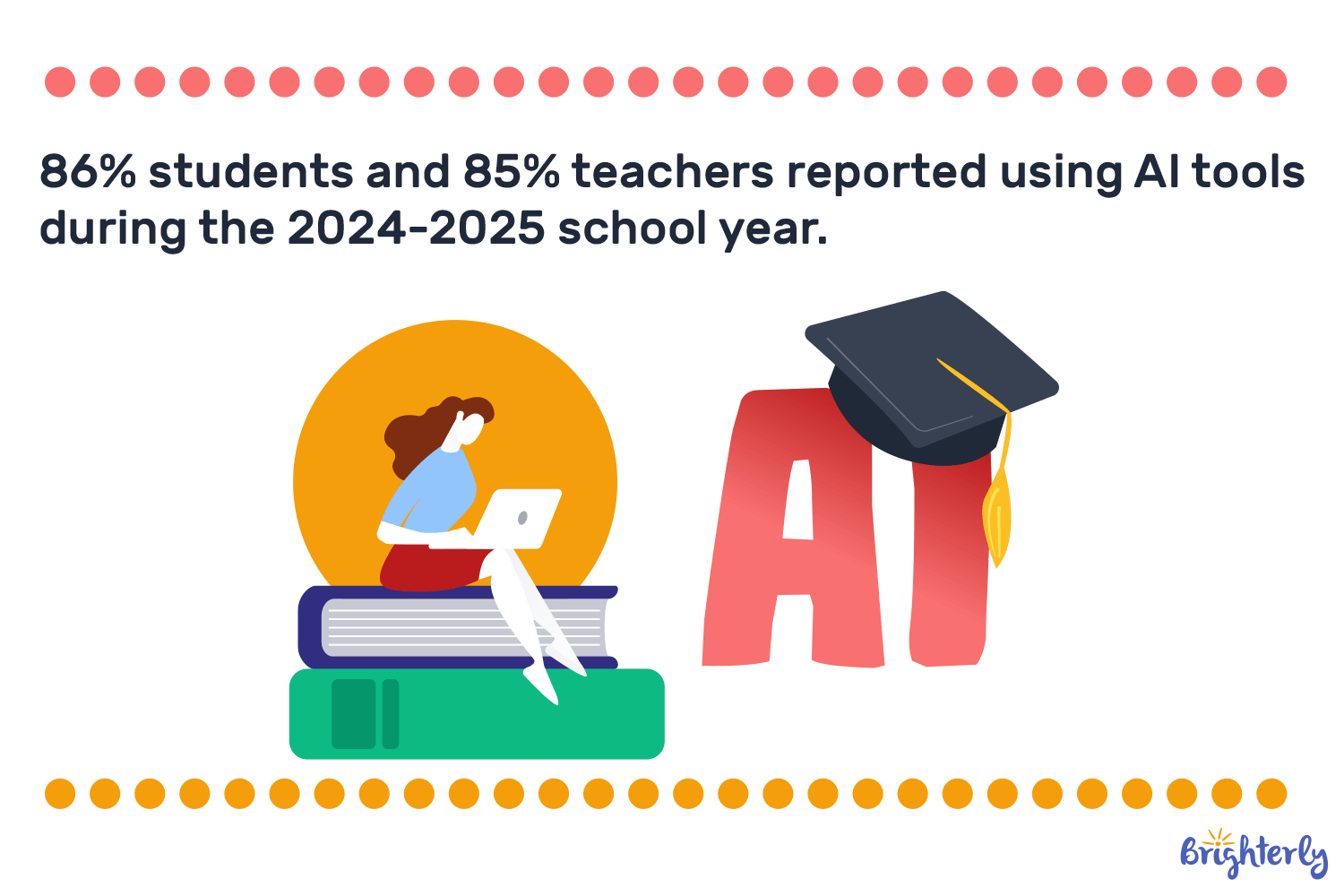
Source: Center for Democracy & Technology
Today, AI is a popular helper for teachers and students. It helps teachers handle work that once took three times longer, while students get instant access to answers through AI programs.
For many students, AI already feels like an essential helper. A teacher can’t stay online 24/7, but AI systems can respond anytime and give personal answers in seconds. This changes the way learning works. The program can track a student’s style, remember past results, and adjust tasks to the child’s level and needs. In many ways, it feels like having an AI tutor in your pocket that can suggest ideas for essays, homework, or almost anything else.
But there is another side to this. Children don’t always use smart AI writing tools the way they should. Instead of problem-solving on their own, many students using AI just type ‘solve this task,’ and the AI gives the answer in a second.
As a result, the computer can do more harm than good. Instead of teaching, it gives a shortcut. Students start to rely on ready answers, but at school age, children need to build basic skills and learn how to think on their own. That is why many parents look not only for smart tools, but also for real tutors.
On the Brighterly educational platform, teachers help students one-on-one. They focus on building thinking skills, ensuring kids don’t lose them.
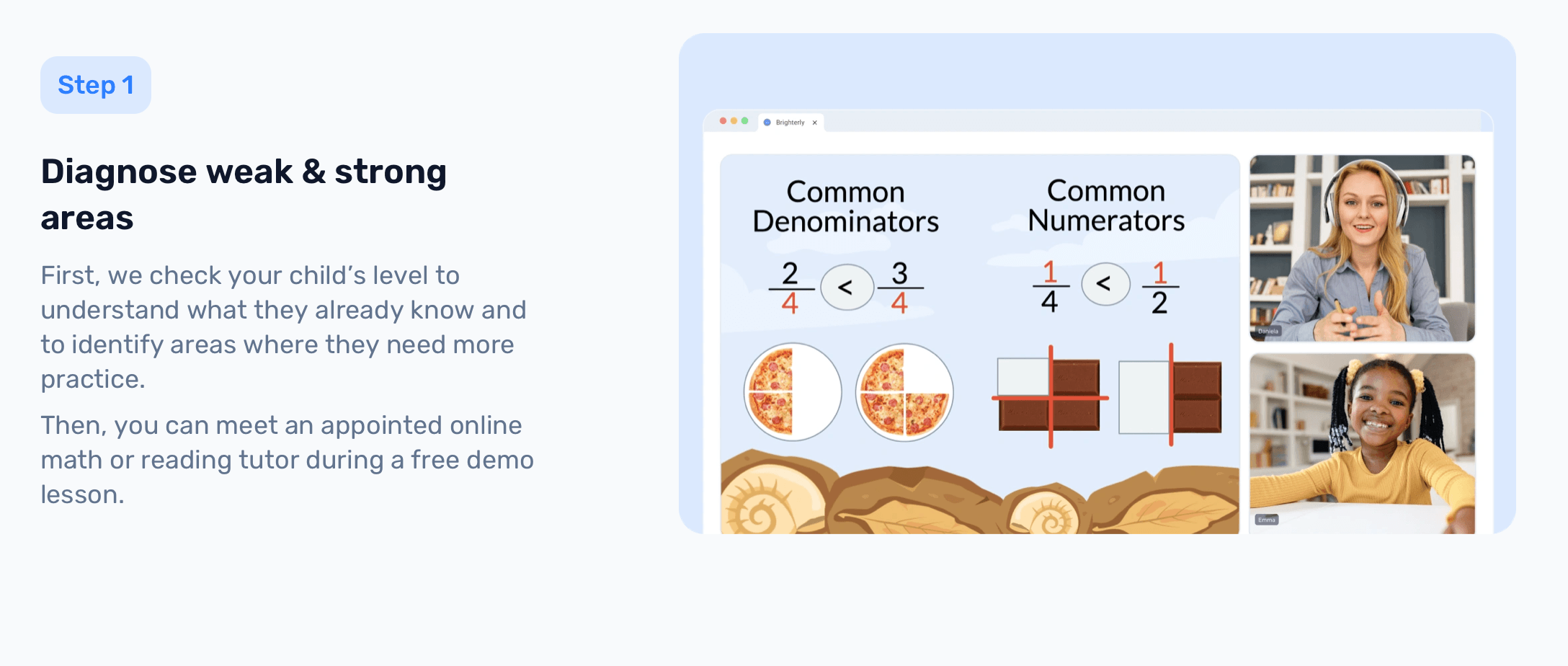
The platform offers math, reading and writing tutoring for K-12 students. Teachers use various techniques to keep lessons fun. They include game-style activities and custom worksheets for reading and math. Each student gets a fully individual approach, with lessons and tasks adapted to their level and learning needs.
Brighterly uses modern tools and a human touch to help your child build a strong learning foundation. 
Want Your Child to Understand the Subject, not Just Get Answers?
Why Schools Are Using AI Despite The Risks
The answer is simple – efficiency. The AI impact on education is clear. With AI help, teachers can quickly manage administrative tasks. They can grade tests, record grades accurately, and send reports to students and parents in seconds. This saves a lot of time. AI also makes lesson planning easier. A teacher can use smart tools to find ideas for class activities, create exercises on a topic, and organize the lesson step by step. It helps tutors stay focused and not miss important parts of the class.
Most importantly, AI makes personalized learning possible. Without modern technology, this was much harder to do. As a result, teachers get more time and energy to work directly with students instead of routine work.
Benefits Of AI In Education
- Test, essay and grammar checking
- Tasks customized to each student
- Instant feedback
- 24/7 pocket tutor
- Less routine for teachers
- Easier lesson preparation
- Monitoring the progress of the class or an individual student
Major Dangers Of AI In Education
- Data privacy and security
- Ethical concerns and algorithmic bias
- Generative AI risks and academic integrity
Risks Of AI Tools To Student Data Privacy: What Data Do They Collect?
Where there are AI tools, there is also a risk of data breaches. Learning platforms must first gather information about the student to adjust tasks, check assignments, or give feedback. The more the system knows, the more accurate the help becomes.
At the same time, the amount of data stored on company servers keeps growing. Many parents and schools don’t realize how much information AI providers can actually collect and keep. In some cases, these platforms store far more data than users expect.
| Data type | Example |
| Personal info | Name, birth date, address |
| Academic records | Grades, assignments, feedback |
| Behavioral data | Study habits, online activity |
| Biometric data | Face recognition for attendance |
In some cases, this data can be used to improve algorithms, shared with third parties, or stored longer than parents or schools expect. This could eventually work against the child, for example, behavioral data might be passed along without consent. These are some of the real problems with AI in education.
That’s why Lin Meyer, founder of Crucial Exams, recommends taking a close look at the platforms schools choose and carefully reviewing how they handle student data.
“Administrators must verify three things regarding the vendor's policy on student data”


It’s also important for parents and schools to keep track of who can access student data. Dr. Maria C. Dunford, CEO & Founder at Lifebit, adds that schools and parents can confidently request a full log of any third-party access:
“Look for audit trail commitments”

Ethical Concerns And AI Ethics In Education
The first ethical concern is bias in the information AI provides. Its answers come from Internet content, and the web contains everything: racial and gender stereotypes, political biases, and outdated data. As a result, AI can present some groups in a better light and others in a worse one. Adults can spot this, but children might take such responses at face value.
For instance, AI may often portray:
- Men as leaders, women as assistants
- Some countries as developed, others as not
- One religion as more “correct” than another
- One culture as superior to others
AI can also unintentionally embellish certain facts. Younger students often lack the skills to verify information on their own. This means they may learn from mistakes, especially in science, history, and social studies.
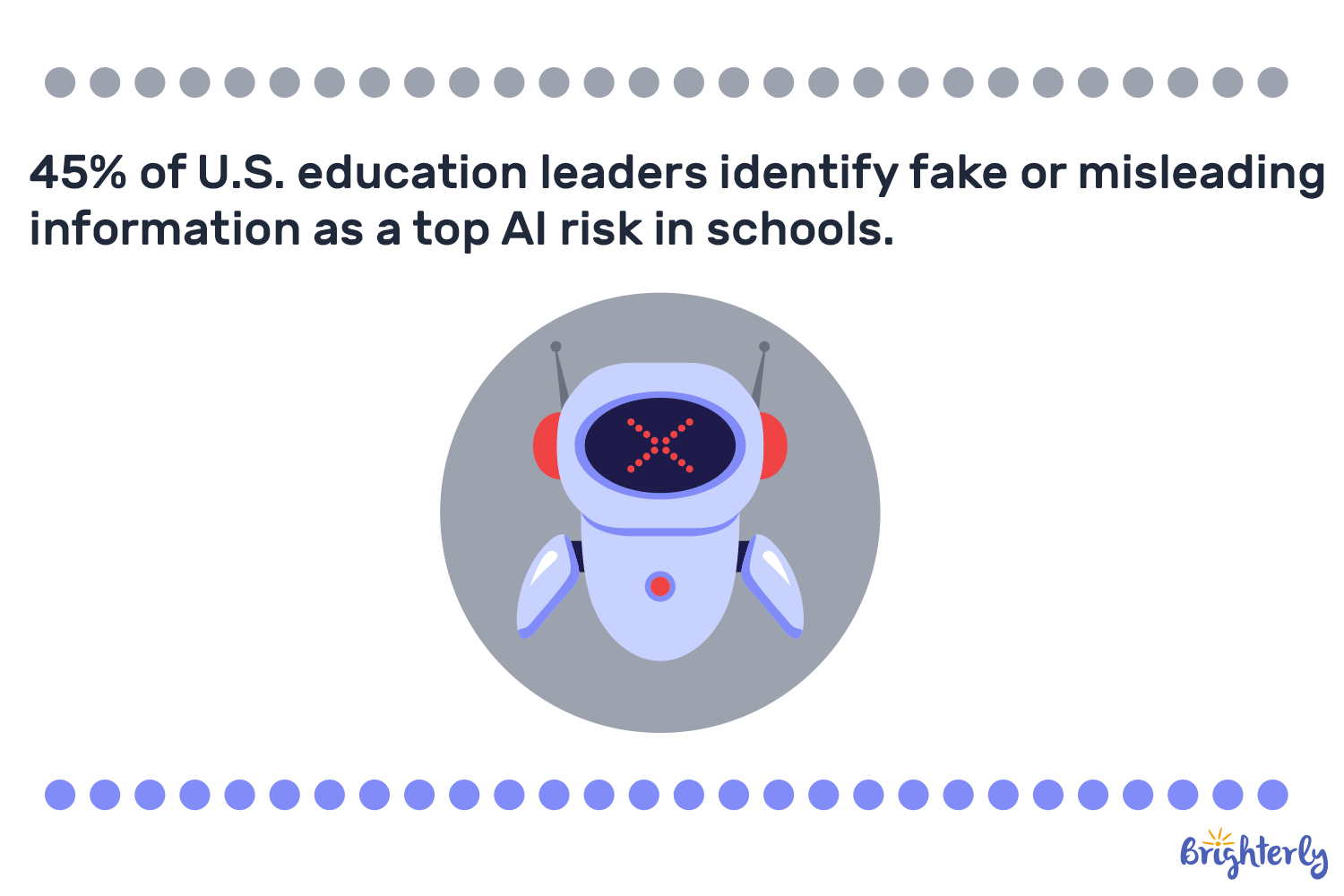
Source: NAESP, 2024
Another issue on the ethical list is equal access to technology. Not all schools have equal resources, and not every family can afford extra educational platforms. If some students use modern AI tools while others don’t, the gap in learning outcomes can widen even further.
Risks Of Generative AI In Schools
Students quickly adopted generative AI tools as soon as they appeared. One simple prompt and the program can produce AI-generated content like essays for a literature class or reports on any topic in seconds. No more trips to the library, research headaches, or long hours over writing. Yet even the students themselves noticed that AI sometimes does more harm than good.
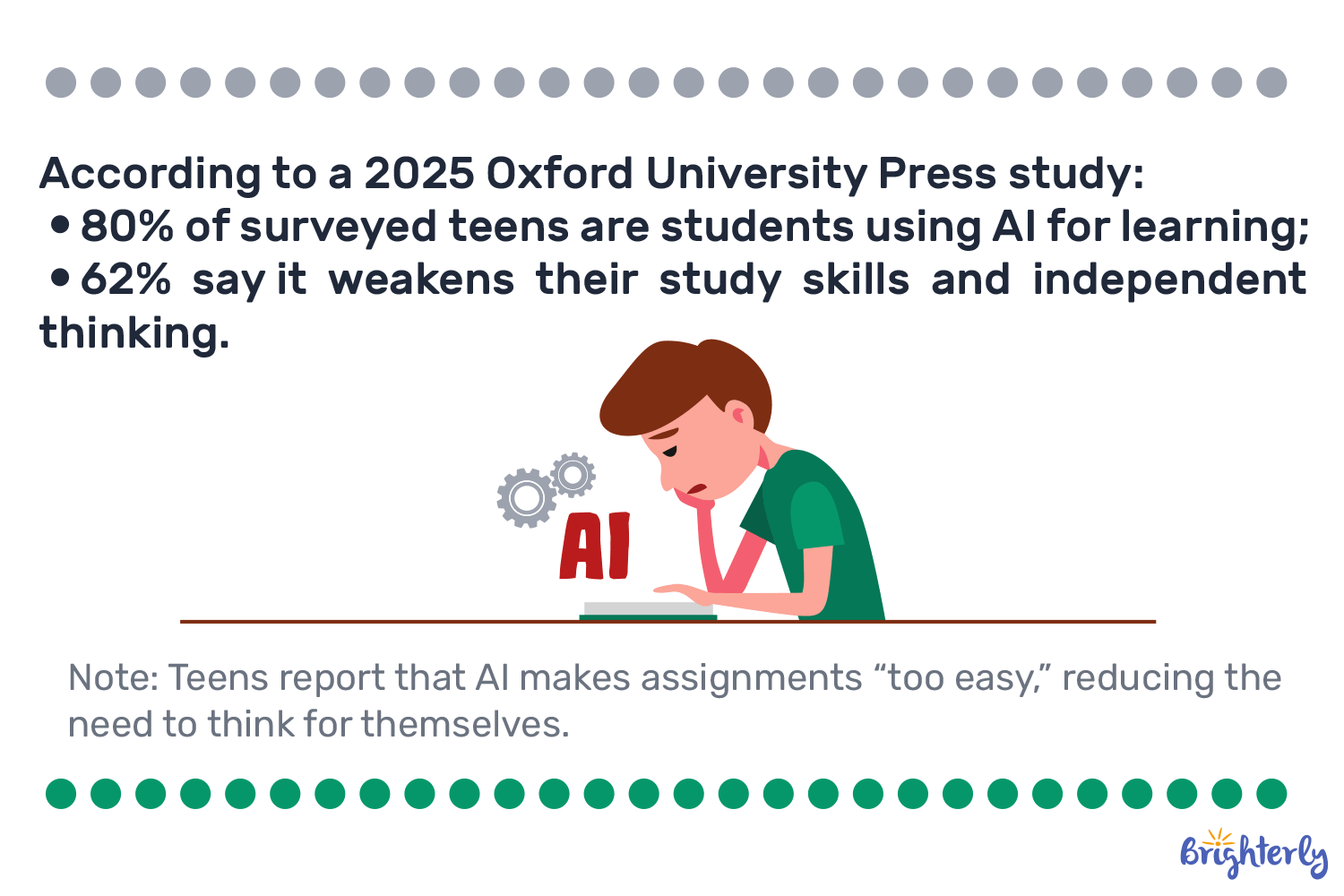
Source: The Guardian
This fuels broader concerns that AI could replace the learning process instead of supporting it. For instance, we at Brighterly teach students to write essays in a way that lets them express their ideas clearly, both orally and on paper.
Brighterly offers programs in reading, writing, and math that keep students motivated to learn.
Want Your Child to Generate Ideas Independently?
How To Protect Children Using AI When Studying: Tips For Parents
- Explain why AI should be used consciously. Make it clear to your child that AI is a helper, not a replacement for thinking. AI has benefits in education, but remind them: : relying on a computer for answers can make things harder later. It’s important to work through problems themselves.
- Teach critical thinking and information hygiene. When reading a text, encourage your child to ask questions, dig into the topic, and understand the essence of the information. Teach them not to take every statement at face value, but to check facts before believing them. Emphasize that artificial intelligence education tools arenʼt perfect. They can make mistakes, so it’s important to verify their results carefully.
- Limit screen time. Home learning shouldn’t revolve only around gadgets. Include books, notebooks, or face-to-face interactions. Active breaks between study sessions help improve concentration, especially for children with ADHD.
- Check privacy settings. Follow the main rule of AI safety in schools: kids’ accounts must limit access to personal data and keep it private from others.
How AI And Students Interact In Modern Classrooms
Learning isn’t one-size-fits-all anymore. In today’s classrooms, students use smart tools that adapt to their tasks, change instantly, and the whole process feels smoother:
- Adaptive exercises that create tasks according to the student’s level and give instant feedback.
- Automated grading quickly checks tests and essays, saving teachers’ time.
- Support chatbots answer common questions about assignments, schedules, or rules.
- Personalized platforms analyze student performance and offer individualized learning plans.
Risks Vs Opportunities Of Artificial Intelligence
| Opportunities | Risks |
| Personalized learning individual to each student | Misuse of AI as a “shortcut” or a cheat tool |
| Instant feedback and 24/7 assistance | Decreased critical thinking |
| Time-saving for teachers | Threats to data privacy and security |
| Automated grading and administrative tasks | Algorithmic bias and unequal access |
| Support for creativity and interactive lessons | Dependence on technology and reduced social interaction |
Final Thoughts On Benefits And Risks Of AI In Education
Modern tools can boost a child’s learning. But without proper guidance, AI can lead to real problems. Inaccurate answers, biased content, and overreliance on technology can shape how kids think. Too much screen time can hurt human interactions in education. It can lessen the role of teachers and mentors. That’s why blending digital tools with traditional learning matters.
Platforms like Brighterly ensure children develop fully with real teachers. We work with each student one-on-one, helping them understand, think critically, and grow in confidence.
FAQ
How Does AI Affect Education Positively?
AI can make learning more comfortable for children. If a student doesn’t get a topic in class, they can ask for help as often as needed. They can ask for explanations in various formats. They can also get examples or extra exercises immediately. The program can adjust tasks to each student’s level. This way, advanced learners won’t get bored, and those who struggle won’t always be trying to catch up.
Why Should AI Be Used In Schools?
Smart learning tools help teachers save time on routine tasks. This lets them focus more on skill development, creativity, and supporting each student. Students can quickly access information with these tools. They also get fast, personalized feedback from their pocket-sized learning assistant.
How Does AI Affect Education Negatively?
AI can also make learning more complicated in ways that aren’t always obvious. When answers come instantly, students don’t always take the time to think things through or solve problems on their own. Over time, that can affect their independence and how they approach challenges. There’s also the question of student data and how it’s used. And, of course, spending too much time with AI on a screen can start to replace real interaction both with teachers and classmates.
Why Should AI Not Be Used In Schools?
Smart learning tools aren’t always safe for schools. They can give biased or wrong answers. They may also reinforce social stereotypes and affect a child’s choices. Students might depend on these technologies too much. This can hurt their independence, critical thinking, and emotional resilience. Misuse of such tools can also put student data privacy at risk.


How to help shy students who don’t like the spotlight on them practice reading fluency? One of the ways is to let them hide in the crowd and read out loud together with other students. But is choral reading effective? This piece is aimed at answering this question: when and how it can be used […]

Apr 10, 2026
Math & reading from 1st to 9th grade
Looking for homework support for your child?
Choose kid's grade

Math & Reading for Grades 1–9
Build real confidence for your child with a Brighterly math or reading tutor.