
Bhanzu vs Kumon vs Brighterly: What’s Best for Your Child?
reviewed by Florence Khitsane
Updated on August 11, 2026
Key Points: According to a 2025 policy brief from the National Council on Family Relations (NCFR), math anxiety affects about 20% of the general population. In schools, though, approximately half of all elementary school students reported medium to high levels of math anxiety, resulting in avoidance of math and limiting ultimate future STEM career choices. The comparison of Bhanzu vs Kumon vs Brighterly, as widely used after-school math programs, features their teaching methods, learning formats, pricing, effectiveness, and real user reviews. Bhanzu Kumon Brighterly Subjects Math Math and reading Math and reading (ELA) Teaching approach Interactions, mental math, speed calculation, games Mastery via repetition and worksheet practice Personalized sessions, focus on children’s needs, and an interactive experience Class size and support Small group up to 4 Self-learning or independent work backed by review Customized one-to-one sessions Goal Build conceptual understanding, math confidence, fluency, and problem-solving skills Build strong calculation skills and discipline Build understanding and confidence via interactive math lessons Core philosophy Concept-first, interactive learning with storytelling, mental math, and gamified practice Long-term study discipline and independent repetition Personalized 1:1 attention for building a strong foundational understanding Parental involvement Low to medium: Tracking progress via a separate parent dashboard High: Correcting daily home worksheets and ensuring the child sticks to a strict daily routine Low: Detailed progress reports for parents while the 1:1 tutors handle the teaching Learning pace Structured but interactive – follows a multi-month curriculum while allowing instructors to provide individual guidance within small-group sessions Self-paced – the child moves to the next worksheet after mastering the current one Adaptive and flexible – tutors adjust the lesson speed in real time Reviews (Trustpilot/Reddit), as of July 2026 4.2 / 5 (based on 4,737 reviews) Mixed reviews 4.4 / 5 (based on 869 reviews)
* All conclusions and evaluations mentioned in this comparison article are based on the official information from websites and publicly available user reviews (as of 2025-2026) on TrustPilot and Reddit. Explore Brighterly Learning Experience Learn exactly how Brighterly helps students thrive through expert sessions, online tools, and proven feedback from thousands of satisfied parents Bhanzu Kumon Brighterly Cost (as of July 2026) From $22 to $33 per lesson (depending on the plan) From $17.50 to $28.15 per lesson (depending on the center location). From $17.70/lesson (2 lessons/week, 12-month plan, 20% discount) Free session Free trial/demo Free placement test Free first lesson Extra fees No Registration fee and materials No, tests and worksheets are free.
Exploring alternatives? At Brighterly learning platform, we provide a powerful tutoring solution that offers fun and engaging individual math, reading, and writing sessions for kids. Our tutors first assess kids’ learning needs and then customize programs to match their learning styles. What does it mean? Online math classes won’t be solely about drilling. For our professional math teachers, finding the most effective strategy is a priority. Thus, kids’ engagement, participation, and math confidence are at the center of most math learning activities. Our online math program is a great choice if you want to help your kid with math struggles, closing gaps, or making math a likable experience. It all comes down to the following key components: Other than that, we provide a great number of resources to back the learning at home, including math worksheets and tests for K-12 students. Besides math, you can also have some free practice with our reading worksheets, and try our printable reading & writing tests. Note: For overall literacy practice, browse our online reading classes or learn more about our writing lessons – all feature patient tutors, 1:1 lessons, US state standards, yet personalized curriculum, and adapt to your kid’s current level and future academic goals. 🟢 Pros 🟢 🔴 Cons 🔴 Focuses on customized 1:1 sessions according to your child’s individual needs. No in-person learning, online only. Employs an interactive and adaptive approach with games and real-life examples. Might not suit students who prefer totally independent studies. Offers free tests, worksheets, and a trial lesson with no extra material or registration fees. The Brighterly pricing varies according to the duration of a subscription plan you pick – 1, 3, 6, or 12 months. The overall price range is from $17.70 to $21.90 per the 45-min lesson (20% discount) if you go for 2 lessons per week. On the whole, our cost packages are pretty straightforward and flexible, and with longer plans, the per-session cost gets lower: Plan Discount price Regular price 1-month from $21.90 / lesson $27.40 3-month from $21.40 / lesson $26.80 6-month from $20.20 / lesson $25.30 12-month from $17.70 / lesson $22.20 (best value) * The prices above apply to 2 lessons per week and are valid as of July 2026, featuring the 20% discount.
Math sessions prioritizing your kid’s needs
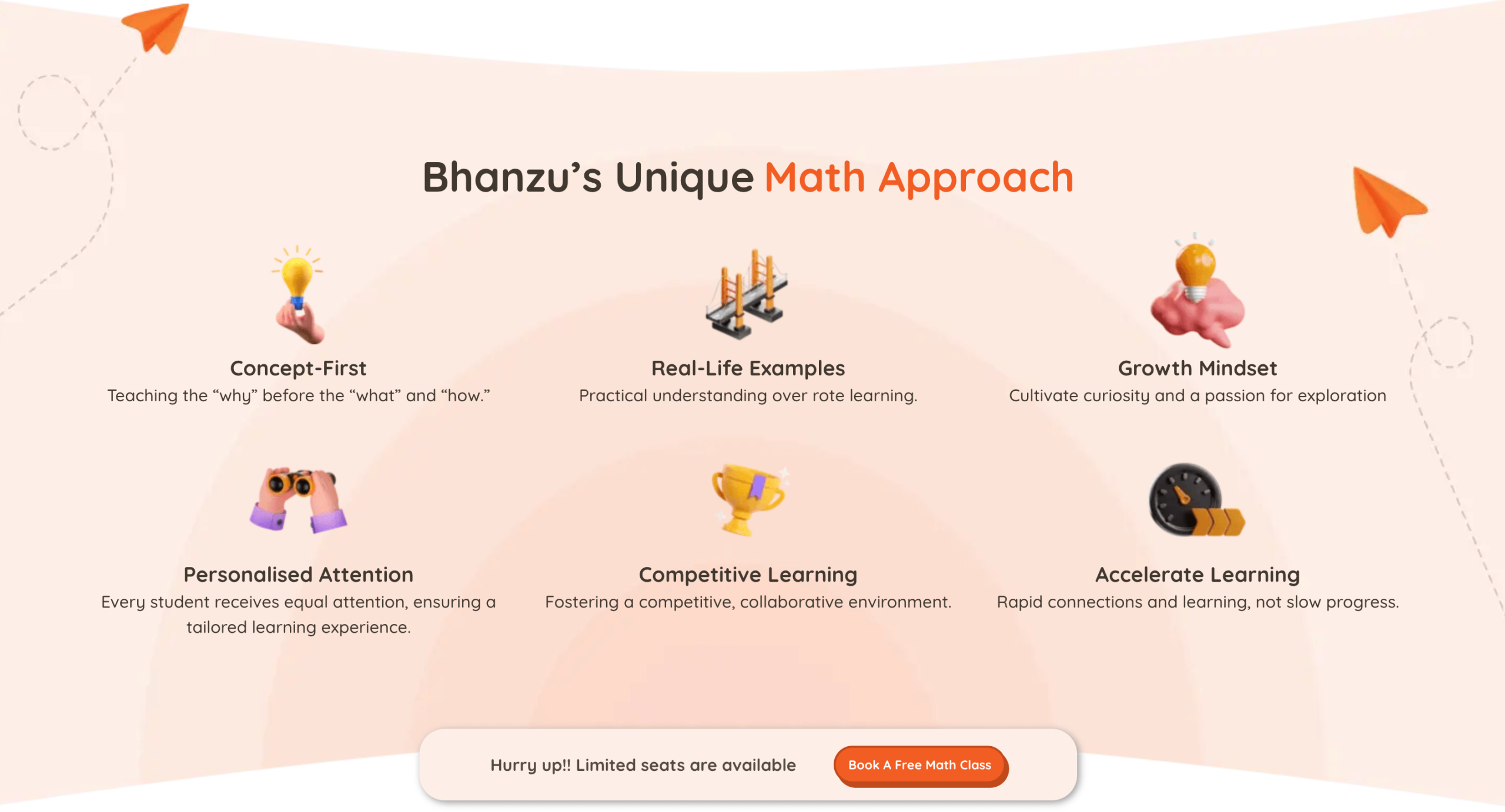
Brighterly tutors customize sessions to your child’s preferences and make learning fun Bhanzu is an online math education platform that aims to turn learning math into a fun, easy, and stress-free experience for kids. Bhanzu provides small group classes (up to 4) for kids from 5 to 16, where tutors teach math with a significant focus on mental calculation skills and speed in math. If we contrast Bhanzu vs Kumon, Bhanzu is quite innovative, offering a whole ecosystem for kids and their parents, with a separate student dashboard, an AI assistant to help you and your kid, and a separate app for quizzes and games. Bhanzu comes from the name of the platform’s founder, Neelakantha Bhanu, a well-known mathematician with the title of World’s Fastest Human Calculator. Its goal is to transform math education into an engaging and enjoyable experience, so that it inspires young students instead of giving them anxiety and stress. What age is Bhanzu best suited for? It fits great for younger students from 6 to 14 who are in elementary or middle school. As the traditional math feels like a dry and intimidating experience, Bhanzu’s approach is the opposite. It focuses on: As kids learn live online with trained instructors in small groups of up to 4 people, it can be personalized. There, the program turns into a math workshop that feels more like a game. Sure, their math has a structure. Yet, it also leaves room for individual guidance and advanced math techniques or shortcuts, especially if a kid goes above a certain academic performance. Comparing Bhanzu vs Kumon, Bhanzu features a pretty unique approach to teaching students who find math stressful. According to Bhanzu reviews as of 2025-2026, parents and students praise it for engaging lessons, games, and attention from tutors. Its effectiveness comes from Bhanzu’s mix of techniques, including arithmetic and mental math tricks for scenarios around problem solving. That way, kids develop the skill of thinking in math. On the other hand, Bhanzu doesn’t strictly follow school textbooks but focuses on number sense and logical thinking for elementary, middle, and high school kids. That’s why: 🟢 Pros 🟢 🔴 Cons 🔴 Accentuates mental math and enhancing cognitive agility. Pricing is not officially published on the website and requires a quote and upfront payment. Offers learning in small groups (up to 4), as well as with an AI assistant and a quiz app. Parents reported it (on Reddit, 2025) for aggressive marketing and overpromising its results. For interactivity, employs storytelling and puzzles. As of July 2026, according to publicly available data, Bhanzu’s cost varies by region and depends on the chosen plan, not the grade. On average, expect to pay from $22 to $33 per session. Bhanzu’s price decreases if you take a higher plan. The price remains unchanged for every grade, while each plan adds to the previous. Nevertheless, the topics may differ as well as the emphasis of the program, depending on the grade. Then, how much Bhanzu cost per month and per session? Based on the analysis of Kumon vs Bhanzu vs Brighterly pricing as of July 2026, Bhanzu’s math costs are similar to the ones that provide Kumon, especially if you take 10 or 18-month plans and consider the length of Kumon sessions. At the same time, Brighterly offers an affordable solution with diverse, flexible options.
Try a more balanced and cost-effective learning solution
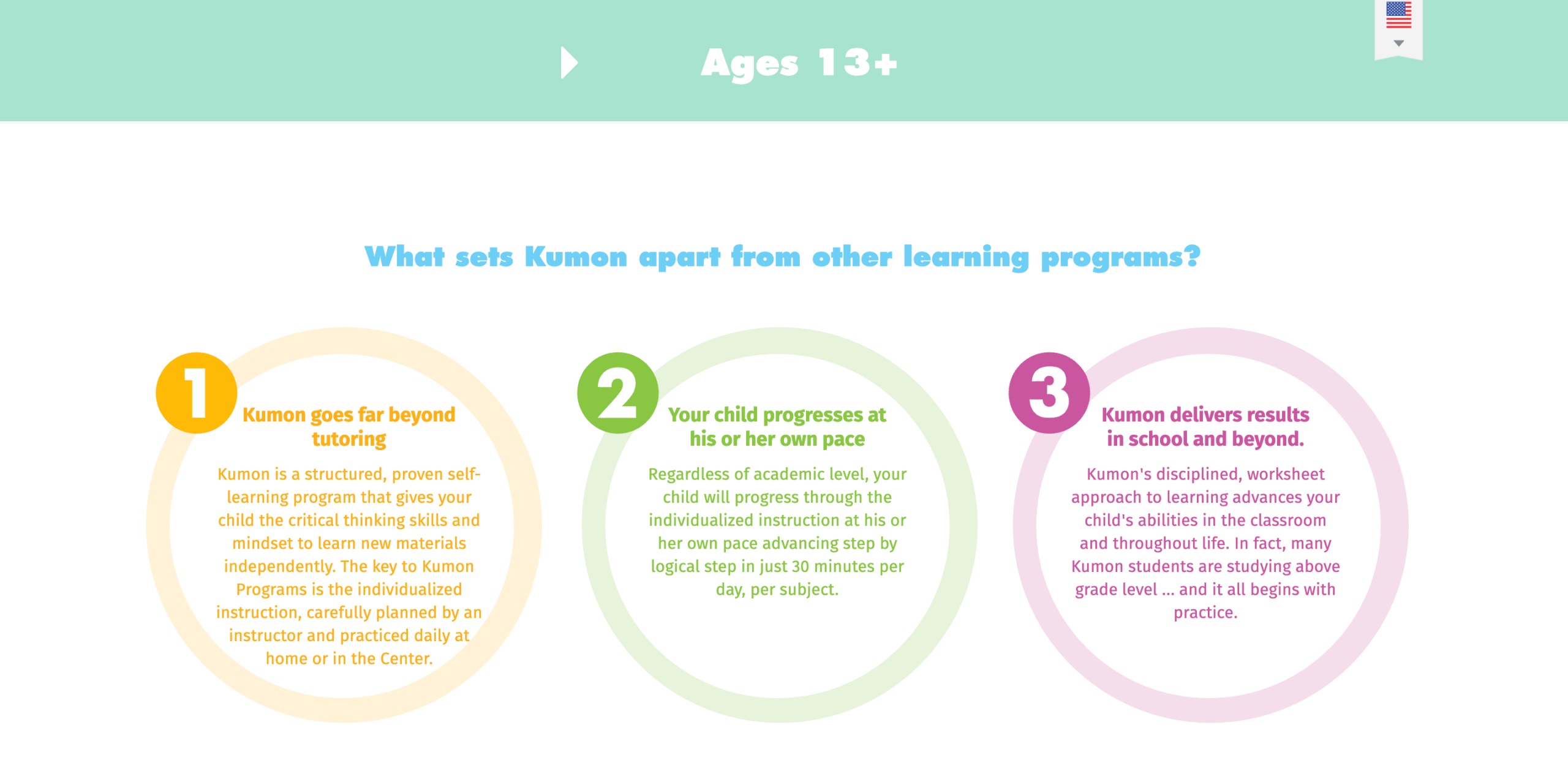
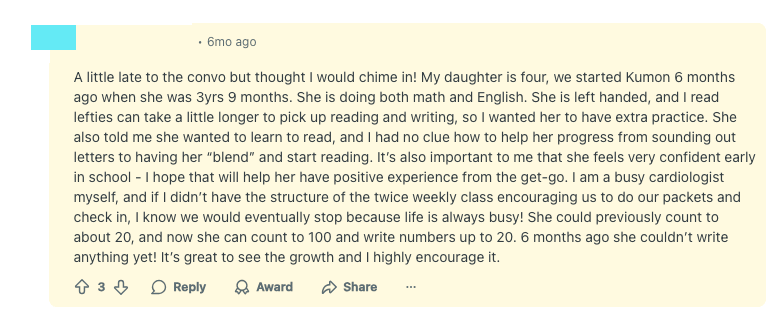
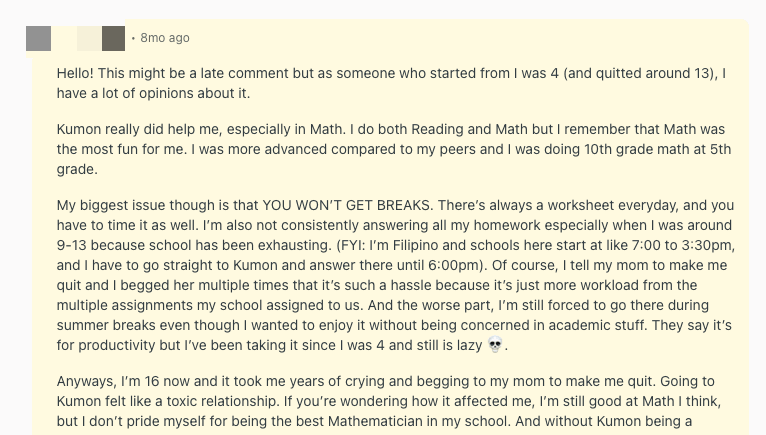
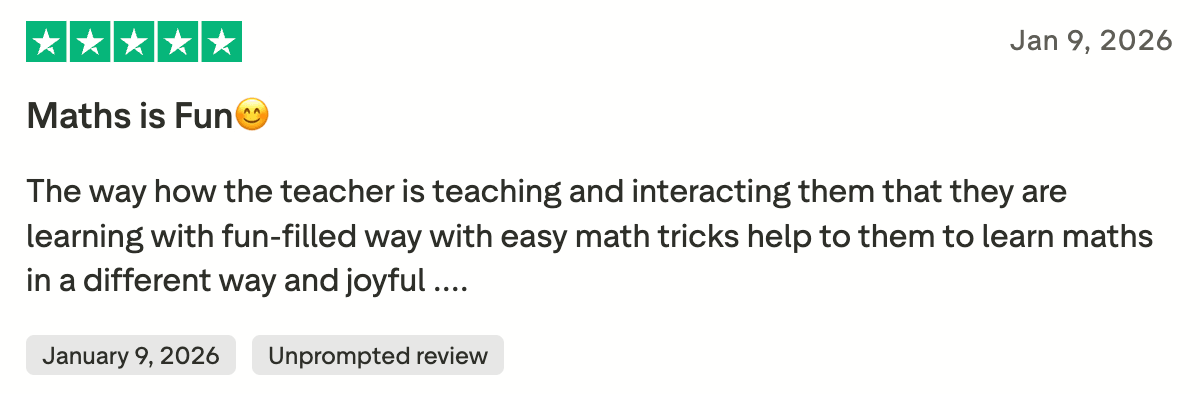
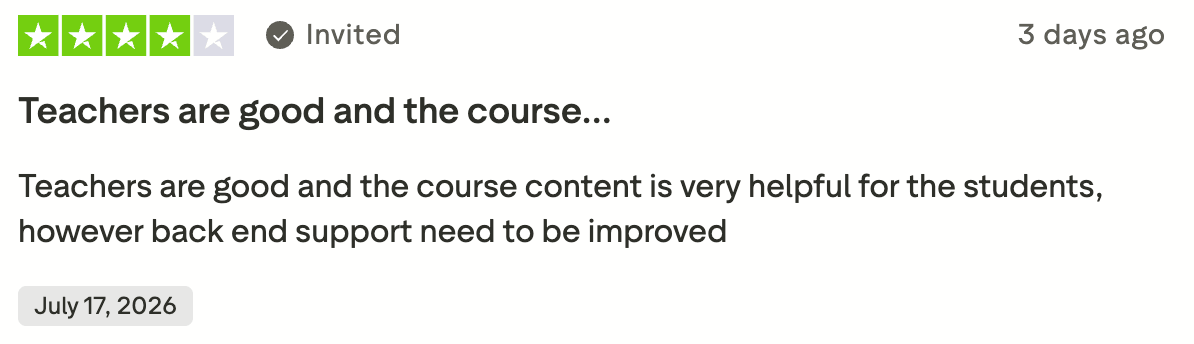
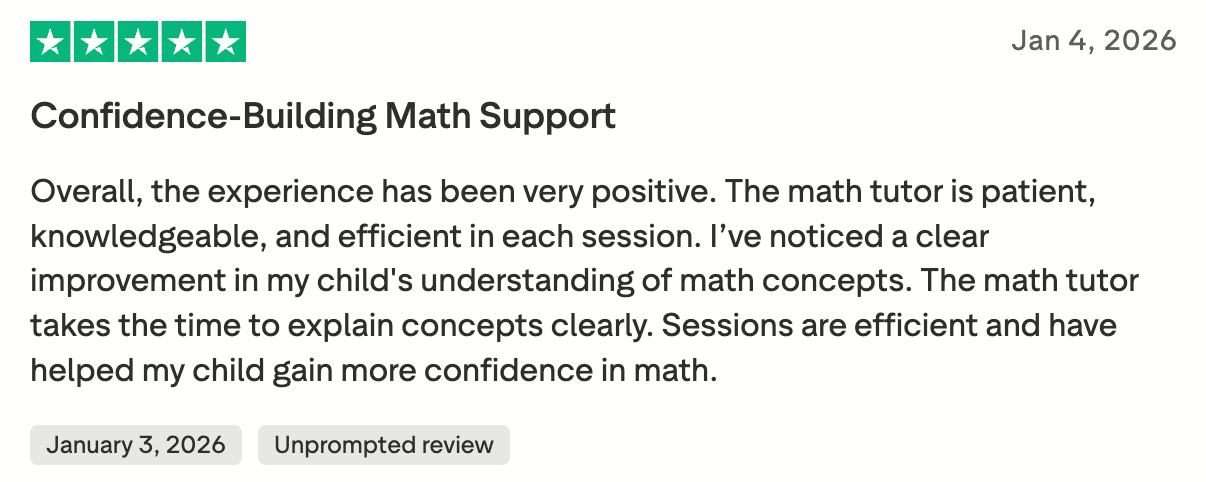
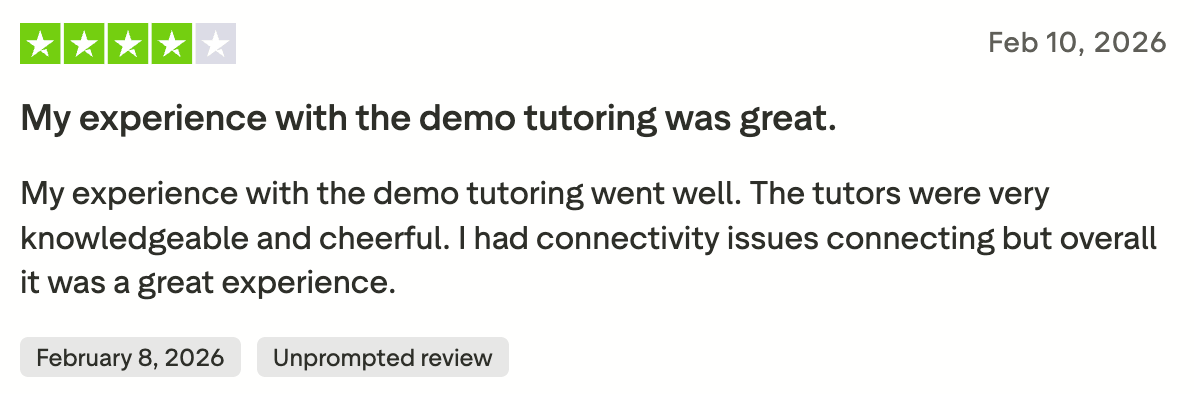
Brighterly gives your kid 1:1 help without sacrificing structure, interaction, or fun. Kumon school is a well-recognized after-school learning program, held by franchise learning centers, that delivers math and reading lessons within a specific approach. It’s a popular solution for kids in kindergarten through high school. In general, under it, kids’ education consists of two parts: That way, the daily practice and incremental progression allow your children to master math or reading skills and advance beyond grade level. The Kumon method is a learning methodology that revolves around self-paced learning and repetitive practice backed by reviews of instructors. Note. It was developed in the 1950s by Toru Kumon, spreading globally since then, enrolling millions of people. Comparing Bhanzu vs Kumon, the latter takes an unconventional teaching approach. Under it, each student works independently with worksheets tailored to their level. Importantly, the approach doesn’t involve a tutor to explain concepts; they mainly review the work and provide the instruction. What are other characteristics of the Kumon method, then? Considering this, which one do you prefer now, Bhanzu or Kumon? The Kumon method definitely has its pros: strong calculation skills, focus, great procedural learning, perseverance, and discipline. Yet, with Kumon reviews in mind, it’s pretty monotonous, lacks explanations, and can be a source of significant boredom. Note: We offer an after school math program with a flexible schedule that easily complements your family’s daily routines and activities. Our certified tutors for K-12 students can work with your kid 1:1 on their adaptive math fluency development focused individually on your kid. 🟢 Pros 🟢 🔴 Cons 🔴 Builds calculation skills and independent learning discipline. Instructors mostly only review work. Employs small-step progression – from below a child’s current level to build a strong foundational confidence. Students complain (on Reddit, 2025) that studies might feel too exhausting. Physical learning centers for face-to-face assignment reviews every week. The thing about Kumon pricing is that it varies from center to center, while there’s an established range. Each center has its Kumon cost per subject that can be known after resorting to the support services. However, if you need an approximate answer to the question “How much is Kumon?”, here it is, as of July 2026, according to publicly available data: Note. They are rough estimates and can be higher or lower depending on the Kumon center or school; however, there are some affordable Kumon alternatives. 2025-2026 Reddit and TrustPilot reviews from families and students about ‘Bhanzu vs Kumon which is better’ discuss both platforms’ main features, teaching approach and its effectiveness, customer service, and pricing. According to the analysis of dozens of publicly available and verified user reviews, the TL;DR is as follows: Note: As parents, beware that, according to the Multidisciplinary Digital Publishing Institute (MDPI) and its study published in January 2026 in the Behavioral Sciences Journal, parental math education anxiety (PMEA) is an independent negative predictor of a child’s math achievement. In particular, the research proved that the high stress and frustration parents experience when helping with math homework at home are transmitted to the child, worsening their academic performance. As Kumon has been there for decades, there are plenty of opinions about it. One of the positive Kumon reviews on Reddit is that it helped a kid to count and read better, even though they struggled: On the other hand, a former Kumon student says that it was really fun at the beginning, bringing results in the classroom if committed; however, it was extremely exhausting: What about the Bhanzu platform? Well, there are a decent number of good Trustpilot reviews praising its approach, interactivity, and quiz games. Yet, some parents complain about backend customer service support and wish it were improved for more timely and responsive communication: Compared to Bhanzu or Kumon, Brighterly reviews are far more positive. For instance, in this review, a parent sees it as a balanced solution that builds confidence: However, some parents reported occasional connectivity issues (although fixed soon enough): The main difference between Bhanzu, Kumon, and Brighterly is that Bhanzu puts significant emphasis on interaction, engaging experience, and mental math; Kumon puts repetition and worksheet practice at the center; while Brighterly sticks to providing tutoring lessons tailored to the needs of kids and backing them with interaction. So, Bhanzu or Kumon or Brighterly? Well, it depends, but overall, for most students, Brighterly offers the all-around balance, especially for 1-9 students. Otherwise… ➡️ Within any program, learning needs are a priority. Thus, Brighterly can be the safest option or a great supplement, offering personalized attention, where tutors would adapt sessions to your kids’ style. Ready to try it? Book free lesson! Bhanzu is better for younger students from 6 to 14 years old who are in elementary or middle school. Why? Yes, all three platforms help improve school grades, although they all employ different approaches (choose the one that meets your kid’s needs): Bhanzu and Brighterly work better for kids who dislike math because the Kumon method entails independent drilling and repetitiveness, and lacks conceptual explanations. Shifting a child who already dislikes math into a worksheet-focused routine can make them resent the subject even more. Choose Bhanzu or Brighterly based on why your kid dislikes math: Technically yes, you can use all platforms together. However, keep in mind that their teaching philosophies may contradict each other. If you want to combine methods, a more balanced approach is to pick one live platform (Brighterly or Bhanzu) to handle teaching the concepts, and supplement at home using free resources (like Brighterly’s printable worksheets or Bhanzu’s quiz apps). Enrolling your kid in multiple competing and paid programs might overwhelm them. Brighterly is the most complete fit for a child struggling with word problems because it addresses both sides of the issue: the mathematical concept and the literacy comprehension. Word problems refer to math AND fundamental reading comprehension and critical translation. Brighterly teaches both math and reading (including ELA), and its curriculum helps kids read and interpret written narratives so they can grasp what a problem is asking. While Kumon leaves a child to figure out worksheets on their own, and Bhanzu focuses on mental calculation speed. Homeschooling with Power Homeschool has received mixed reviews as of 2026, either as an easy and enjoyable experience or a rigid and boring one. This guide relies on Power Homeschool reviews to assess its learning approach, UX, support, prices, and overall effectiveness. Scoring methodology: Scores in the Power Homeschool overview are based on analysis of […] Jan 19, 2026 Math-U-See is a manipulative-based, mastery-style homeschool math curriculum designed to guide students from kindergarten all the way through high school. This review breaks down how the curriculum actually works, what parents and students say about it, and what it costs, so you can decide if its hands-on, one-topic-at-a-time approach fits your child. Math U See […] Jan 22, 2026
Kumon vs Bhanzu vs Brighterly: Comparison
Bhanzu vs Kumon vs Brighterly Cost: Comparing Options

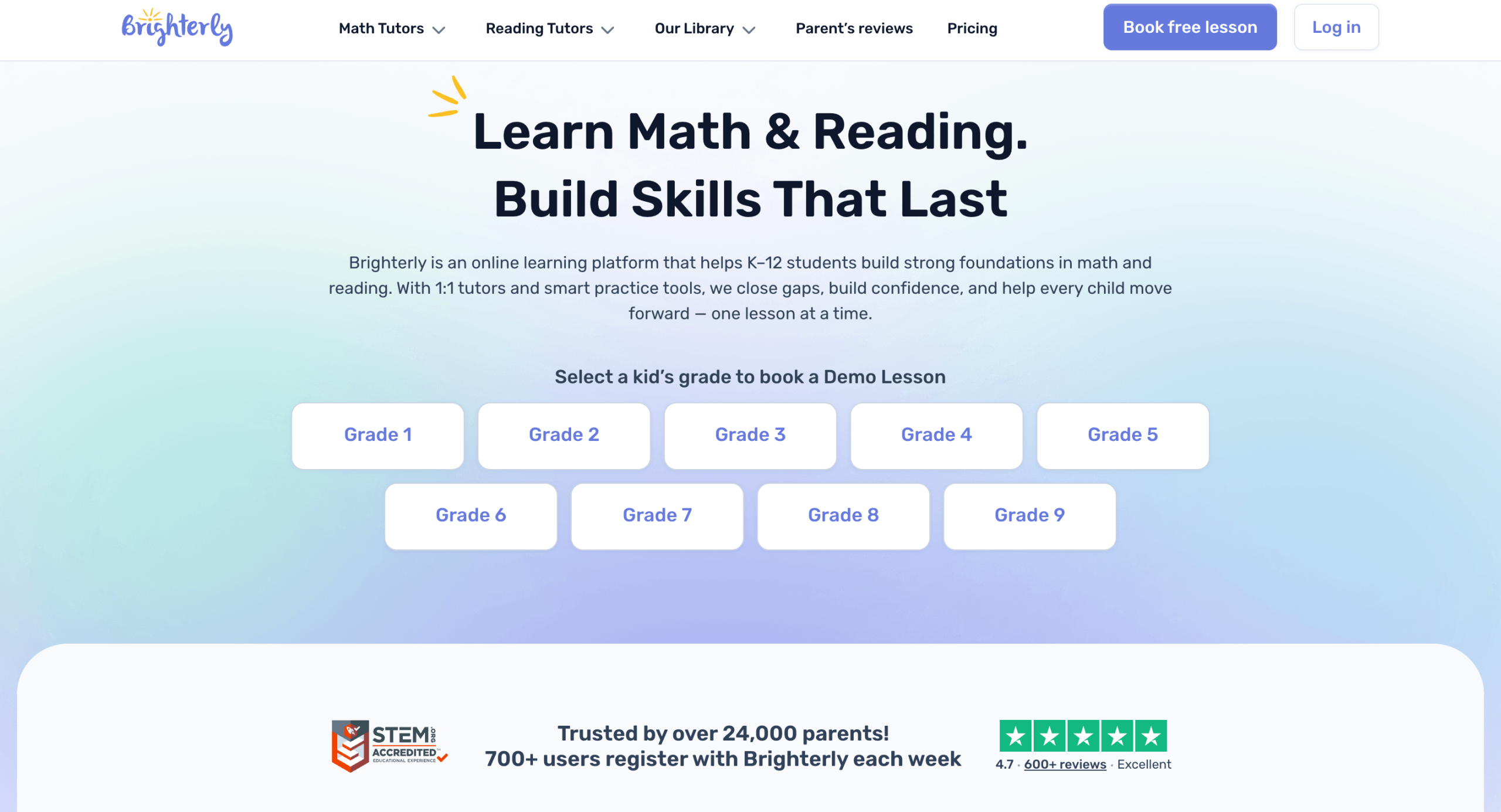
What Is Brighterly Learning Platform?
What Does Brighterly Stand For?
Brighterly: Pros and Cons
How Much Are Brighterly Math Lessons?


What Is Bhanzu?
What Does Bhanzu Stand For?
How Effective Is Bhanzu’s Teaching Method?
Bhanzu: Pros and Cons
How Much Is Bhanzu Fee?
How Does Bhanzu Math Compare to Kumon and Brighterly?
What Is Kumon School?
What Does Kumon Stand For?
Kumon: Pros and Cons
How Much Is Kumon Tutoring?
Kumon vs Bhanzu vs Brighterly: Reddit & Trustpilot Reviews
What’s the Main Difference Between Bhanzu, Kumon, and Brighterly?
Which Is Better for Your Child: Brighterly, Kumon or Bhanzu?
Frequently Asked Questions
Is Bhanzu Better for Younger Children or Older Students?
Do Bhanzu, Kumon, and Brighterly Help Improve School Grades?
Does Kumon, Brighterly, or Bhanzu Work Better for a Child Who Dislikes Math?
Can You Use Bhanzu, Kumon, and Brighterly Together?
Which Program Suits a Child Who Struggles With Word Problems?






Math & reading from 1st to 12th grade
Exploring alternatives?
Take a short quiz!

Choose kid's grade