STEM Programs for Kids in 2026
reviewed by Florence Khitsane
Updated on November 3, 2026
Key Points
A STEM program helps a child turn their curiosity about how things work into real projects they can build, test, and fix using the knowledge and skills they learn in the program. See 11 such programs available online and differing by the ages they cover, learning format, and cost.
Exploring alternatives?

Top STEM Programs for Kids at a Glance
About the program Grades Type Brighterly 1:1 online math tutoring that builds the math foundation STEM subjects rely on 1-10 Paid with free materials available Khan Academy Free video lessons and practice in math, science, and computing K-12 Free Science Buddies Hands-on science project ideas K-12 Free PhET Interactive Simulations Virtual science and math labs K-12 Free iD Tech Live 1:1 lessons and camps in coding, game design, and robotics Ages 7–19 Paid ABCmouse Game-based early learning Ages 2–8 Paid SplashLearn Game-based math and reading practice Pre-K–5 Paid CodeWizardsHQ Live small-group coding classes Ages 7–18 Paid Codakid Self-paced and private coding courses 1-12 Paid Create & Learn Live small-group coding and AI classes K-12 Paid Outschool Marketplace of live and self-paced classes K-12 Paid
*All information about platforms/programs here and below is based on official data from each program’s website available and relevant as of November 2026, including features, pros and cons (based on features/service comparison), and pricing. Exact pricing for paid options is mentioned for every platform below.
Note: Check educational websites for kids for more options beyond STEM-focused ones.
Explore Brighterly Learning Experience
Learn exactly how Brighterly helps students thrive through expert sessions, online tools, and proven feedback from thousands of satisfied parents
Brighterly
Age group: Grades 1–10 (K-12 curriculum)
Best for: One-on-one, in-depth practice with experienced math tutors.
The Brighterly math and reading platform helps kids feel confident in math and reading through fun, one-on-one online lessons. Although we don’t offer computer science or coding courses, our expert private tutors teach a personalized online math program to help a child build the math skills and knowledge they will need in STEM subjects.
Brighterly Features
- Individualized learning. Learning starts with a diagnostic test to help us match your kid with an experienced math or reading tutor who will customize the program according to the test results. Despite this personalization, our curriculum still aligns with the U.S. standards and matches the child’s grade level.
- Free practice materials. You can get free math tests and math worksheets for kids right on our website.
- Built-in progress tracking. You can always see what your child is learning and how well they’re doing to be sure tutoring is yielding positive results.
Brighterly Pros and Cons
Pros Cons ✅Personalized one-on-one tutoring ❌No science or coding courses ✅Free supplementary materials
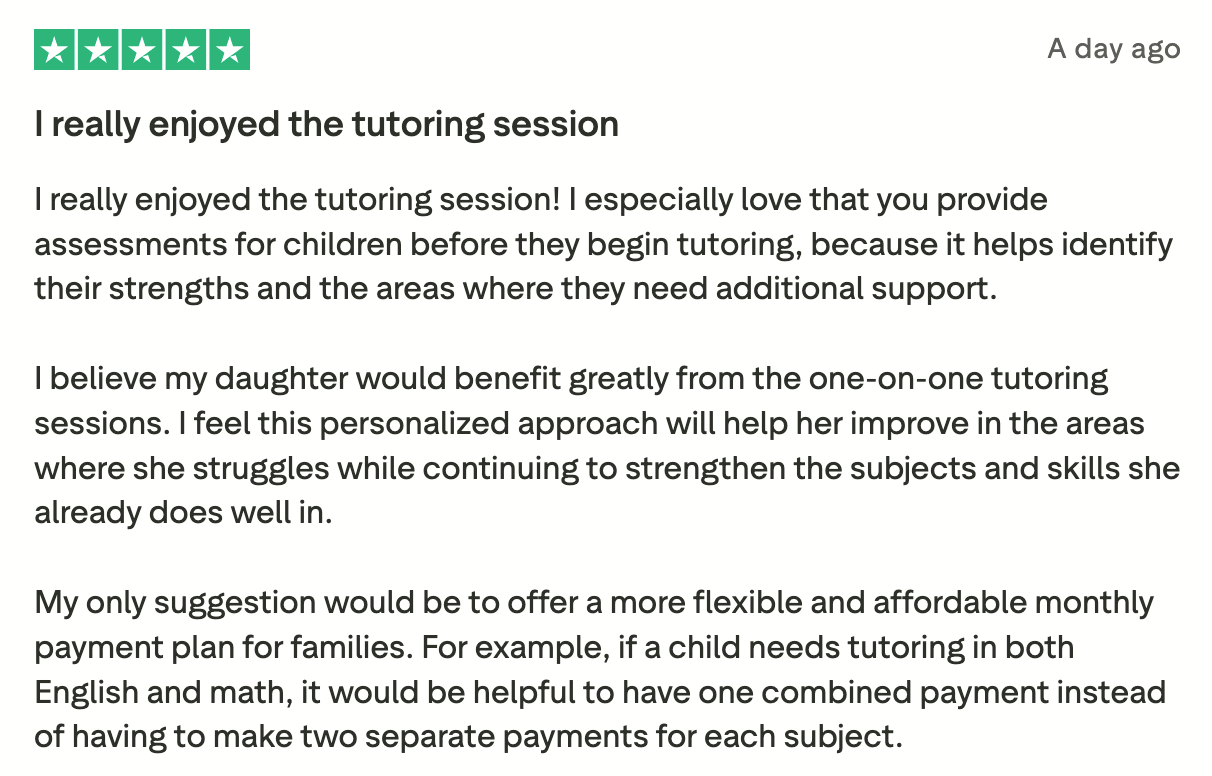
Brighterly also has a 4.5/5 rating on Trustpilot (as of November 2026) with reviews mentioning high tutoring quality and a personalized approach, like in this review where a parent praises the platform while noting they wish there were a combined payment for both subjects.
Brighterly Cost
Plan (2 lessons/week) Price per lesson (20% discount applied) Regular price per lesson 12 months from $17.70 $22.20 6 months from $20.20 $25.30 3 months from $21.40 $26.80
*Lessons last 45 minutes, and the first lesson is free (as of November 2026). See current plan details on our pricing page.
Affordable math tutoring from home
Our tutors build curricula that exactly match your kid’s needs 

Khan Academy
Age group: K-12
Best for: Great for free, self-paced learning support.
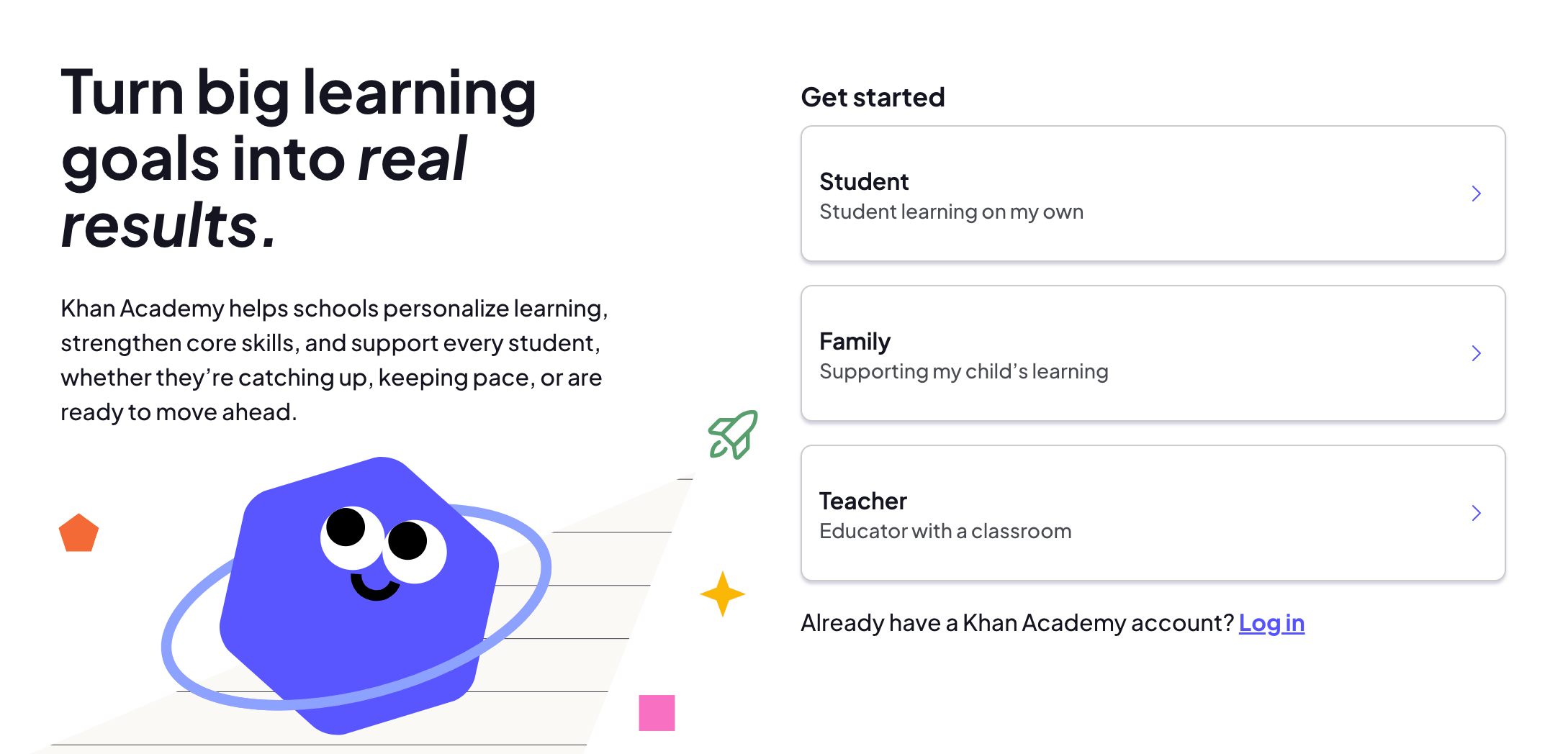
Khan Academy can be an interactive STEM program for K-12 students. The platform comes with a huge library of video lessons and practice exercises across core STEM subjects.
Khan Academy Features
- Big library of interactive courses in STEM subjects (math, engineering, science, etc)
- Comprehensive performance reports.
Khan Academy Pricing
Free; voluntary donations are accepted (as of November 2026).
Khan Academy Pros and Cons
Pros Cons ✅Wide subject and grade coverage ❌No live tutor support ❌Limited interactivity
Science Buddies
Age group: K-12
Best for: Ready-to-go science projects and experiments.
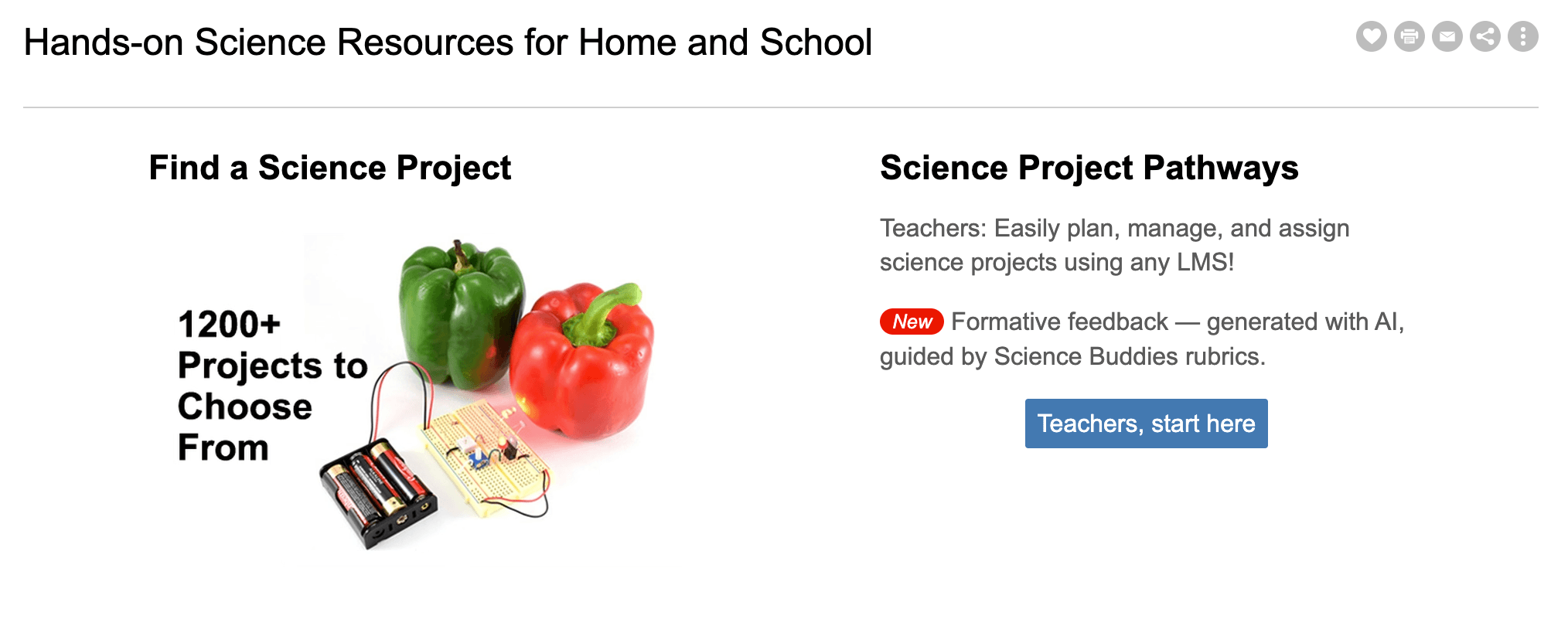
Science Buddies is one of the free STEM programs for kids from kindergarten up to 12th grade. The platform provides more than 1,000 science fair project ideas and hands-on activities.
Science Buddies Features
- Lots of experiment ideas.
- The large selection of projects for kids shows how science connects to real jobs like engineer, chemist, and more.
Science Buddies Pricing
Free; donations are accepted (as of November 2026).
Science Buddies Pros and Cons
Pros Cons ✅Wide range of activities ❌Projects often require additional supplies ❌No tutor help
PhET Interactive Simulations
Age group: K-12
Best for: Students who learn best by experimenting.
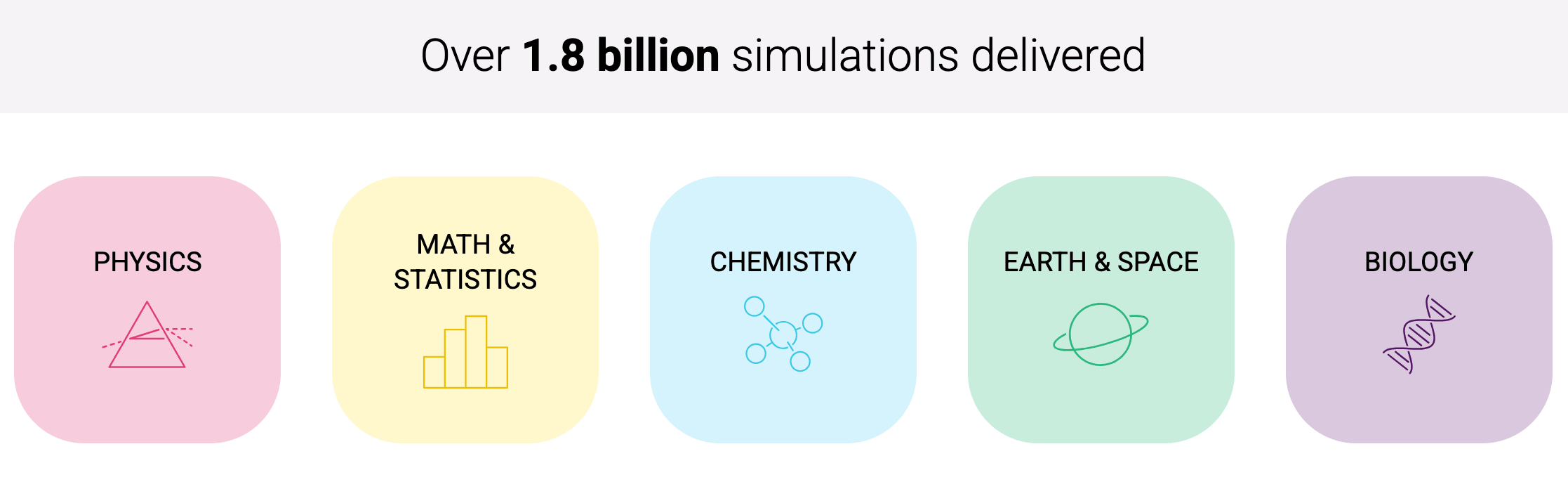
PhET Interactive Simulations was created by the University of Colorado to offer free online science and mathematics simulations.
PhET Features
- PhET offers virtual science labs to explore STEM concepts interactively.
- PhET urges kids to be inquisitive, ask questions, and test their ideas.
PhET Pricing
Free; accepts donations (as of November 2026).
PhET Pros and Cons
Pros Cons ✅Wide selection of interactive simulations featuring objects like bricks and toys ❌Some simulations can be very technical ❌No tutor help
iD Tech
Age group: Ages 7–19
Best for: Those looking for STEM program offerings in coding, game design, and robotics.
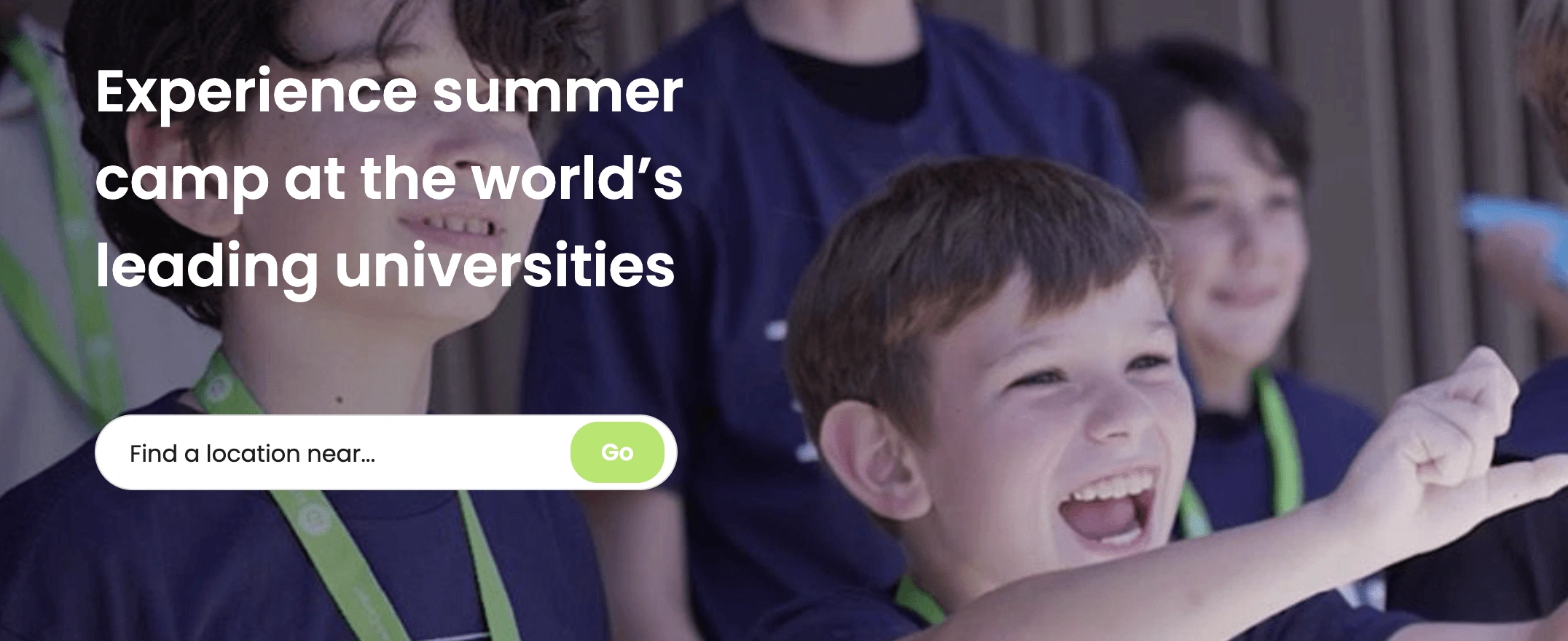
iD Tech offers STEM after-school programs for kids, with a focus on coding, app development, and engineering.
iD Tech Features
- The program offers private online STEM courses/lessons and virtual camps.
- The company is known for its summer camps and teen academies in the United States.
iD Tech Pricing
As of November 2026, the pricing is:
- 1 Lesson: $79 or $75 per month
- 4 Lessons: $71 or $284 per month
- 8 Lessons: $68 or $544 per month
- 12 Lessons: $64 or $768 per month
iD Tech Pros and Cons
Pros Cons ✅Wide variety of STEM topics to choose from ❌High cost ❌Some courses may be too intensive
Build Math Skills For STEM Subjects
Try a free 1:1 lesson. Your tutor starts at your child's level.
ABCmouse
Age group: Ages 2–8
Best for: Early exposure to STEM.
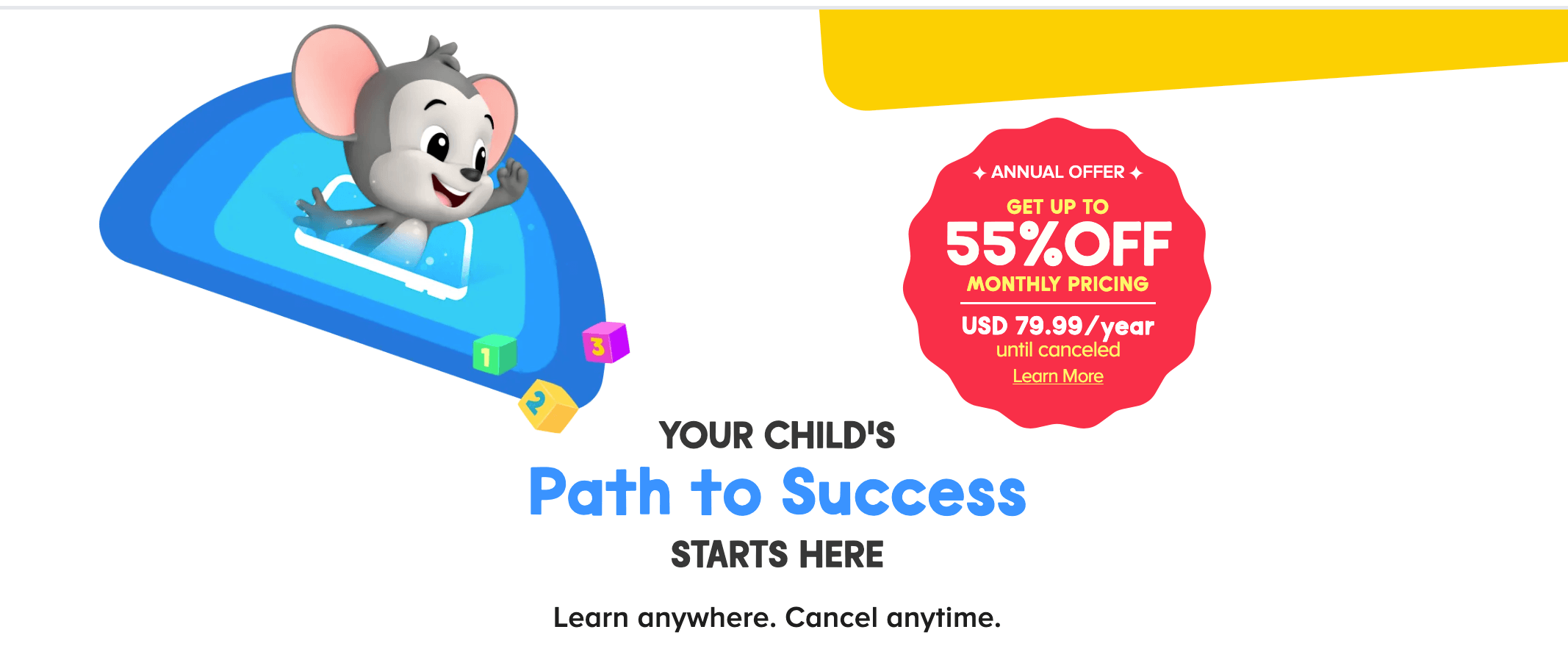
ABCmouse is one of the STEM programs for elementary students, as it offers mainly gamified content for very young learners.
ABCmouse Features
- The platform uses games, songs, puzzles, and activities to teach children.
- The lessons are short and interactive.
ABCmouse Pricing
As of November 2026, the ABCmouse pricing is:
- $14.99/month
- $79.99/year or $69.99/year on the Apple App Store or Google Play
- A 30-day free trial is available
ABCmouse Pros and Cons
Pros Cons ✅Engaging activities hold the attention of young learners ❌Suitable only for early graders ❌No private tutor available
SplashLearn
Age group: Pre-K-5
Best for: Extra practice through interactive activities.
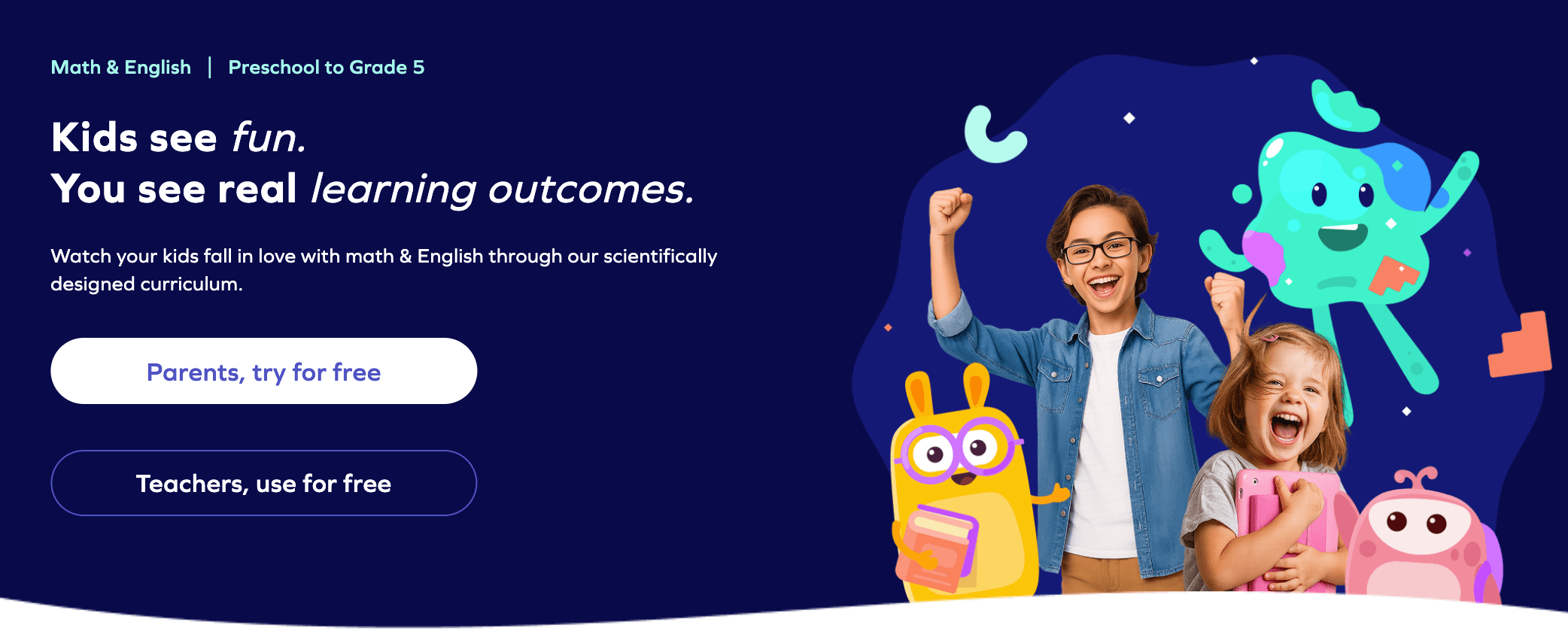
SplashLearn is one of the STEM programs for kids that offers game-based learning for young learners, keeping them motivated.
SplashLearn Features
- The lessons are aligned with the U.S. curriculum.
- Bright designs, a variety of games, and cute animal mascots keep the learning engaging.
SplashLearn Pricing
As of November 2026, SplashLearn monthly plans will cost your from $7.49.
SplashLearn Pros and Cons
Pros Cons ✅Over 4000 of interactive games and activities ❌Not sufficient for independent practice ❌Repetition in games can feel monotonous
CodeWizardsHQ
Age group: Ages 7-18
Best for: Kids and teens who want a structured, long-term path in real-world coding with live instructors.
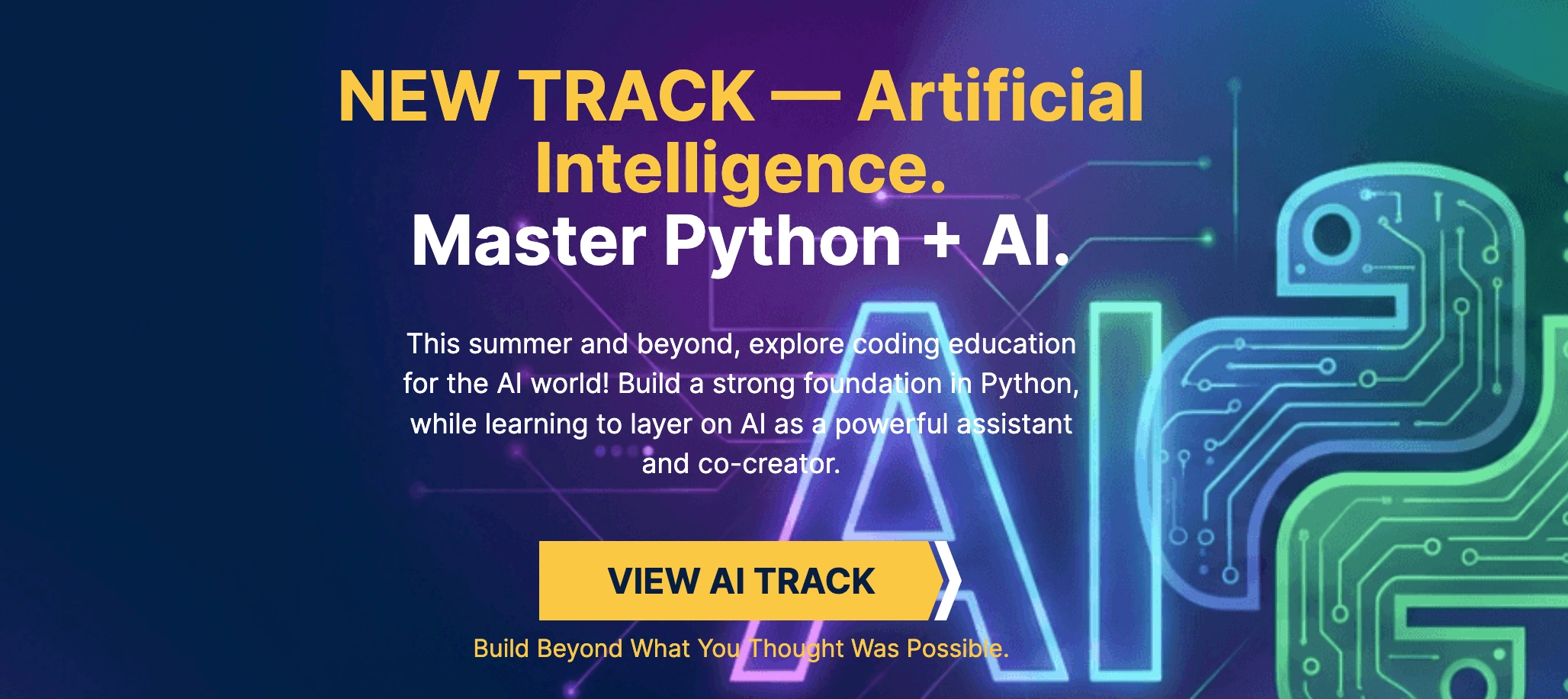
CodeWizardsHQ offers live online coding classes for kids and teens ages 7-18. Instructors use a structured, project-based approach to teach real-world programming languages. Classes cover elementary, middle, and high school levels, including a Python track that works as one of the STEM programs for middle school students.
CodeWizardsHQ Features
- Live online classes in small groups of 4-6 students, where kids spend most of the lesson writing code.
- Extra support outside of class, including daily homework help, recorded lessons, and weekly progress reports for parents.
CodeWizardsHQ Pricing
As of November 2026, the pricing ranges from $149 to $219 per month (or $399-$599/three months)
CodeWizardsHQ Pros and Cons
Pros Cons ✅Structured curriculum from beginner to advanced levels ❌Focuses on coding, without math or science support
Codakid
Age group: Grades 1-12
Best for: Learning coding, game design, or app development.
Codakid STEM program for kids teaches real coding languages like Python, JavaScript, and Java, mainly through project-based courses.
Codakid Features
- Lessons built around designing games, building apps, or creating websites.
- The platform offers mentor support for students when they are stuck.
Codakid Pricing
As of November 2026, the pricing is:
- Self Paced: $29 /month
- Private Online Lessons: From $249 /month
Codakid Pros and Cons
Pros Cons ✅Many programming languages ❌Relatively high cost ❌Limited teacher support
Create & Learn
Age group: K-12
Best for: Coding, robotics, and emerging tech topics like AI and data science.
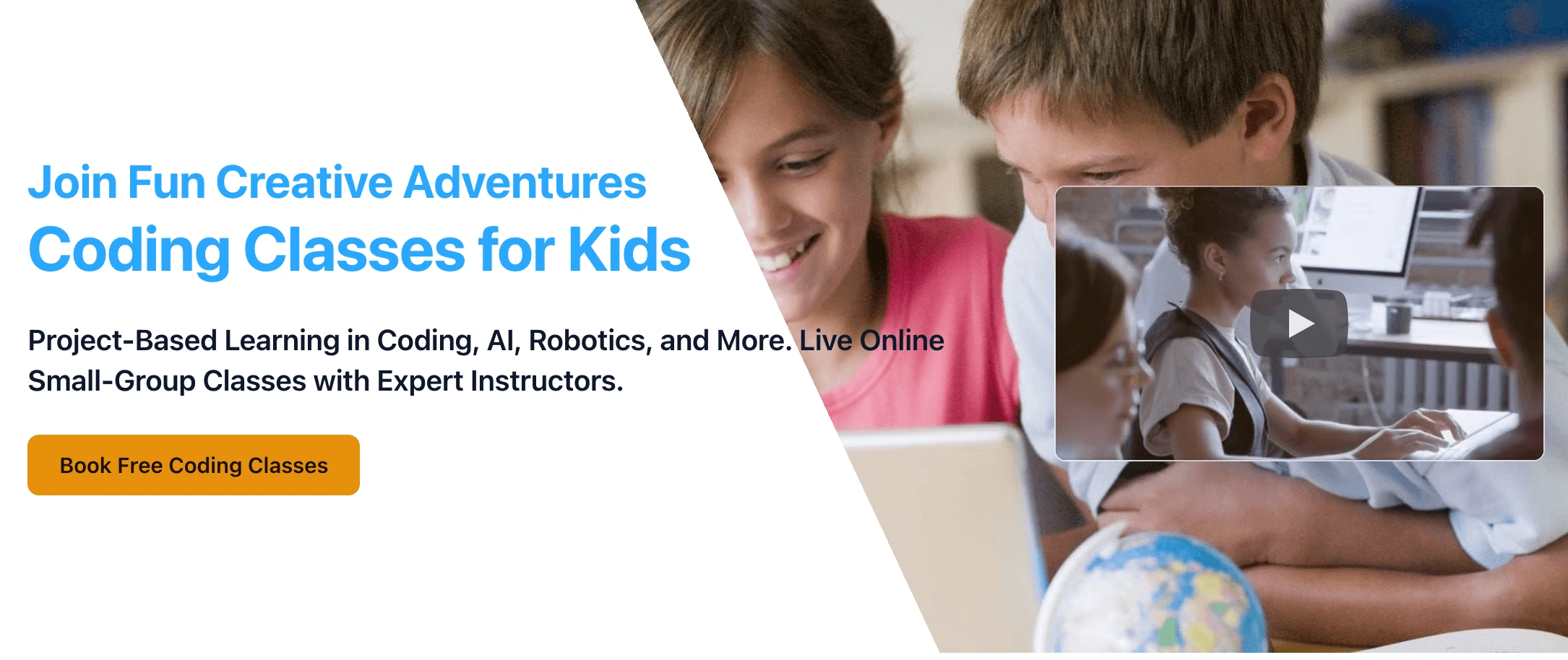
Create & Learn offers live small-group learning classes taught by experienced instructors. The platform provides a wide selection of STEM classes for kids, and your child can explore subjects from Scratch coding to data science.
Create & Learn Features
- A wide range of topics, including coding, robotics, and AI.
- You can choose courses by topic and grade level.
Create & Learn Pricing
As of November 2026, the pricing is:
- Group classes: $94.50 for 4 group sessions ($105 without discount)
- Private class: $240 for 4 private sessions ($260 without discount)
- Private group classes: $240/first student for 4 private sessions.
*The sessions are 55 minutes long.
Create & Learn Pros and Cons
Pros Cons ✅A wide choice of courses by age and interest ❌Group sessions are at predefined hours ❌Topic-based classes can leave gaps if used alone
Outschool
Age group: K-12
Best for: Flexible and all-around online STEM learning.
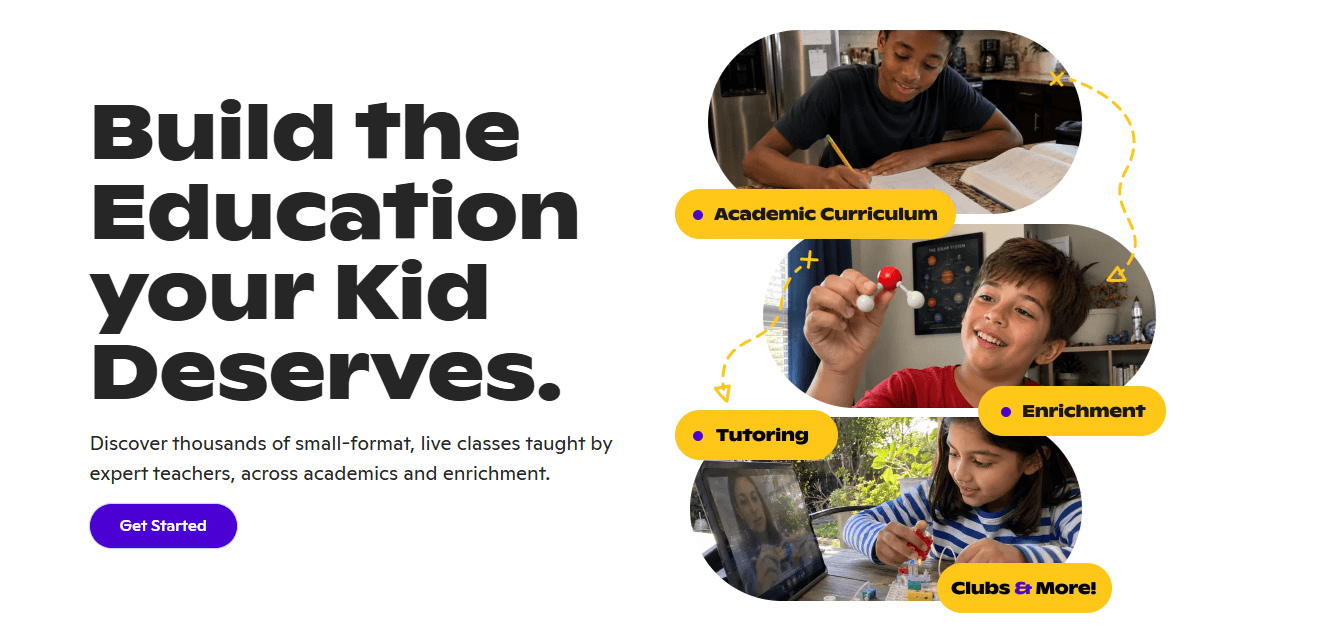
Outschool is a “marketplace” for self-paced and live classes, where your child can explore everything from coding to space science.
Outschool Features
- Live online classes, one-on-one tutoring, and self-paced courses.
- A large variety of subjects in STEM are covered by grade level and subject.
Outschool Pricing
As of November 2026, the Outschool pricing is:
- $40/month for 80 credits
- $70/month for 144 credits
- $120/month for 248 credits
- $240/month for 500 credits
*The prices don’t include the current discount. With the discount applied, the pricing is $20, $50, $100, and $220, respectively.
Outschool Pros and Cons
Pros Cons ✅Self-paced courses and private tutoring ❌The credit-based payment system can be confusing ❌The quality of courses can vary, as anyone can publish them
How Can You Tell if a Program Is Truly STEM?
To tell if a program is truly STEM, look at what kids do when going through it. In a real STEM program, kids build, test, code, and troubleshoot to figure out how things work — a real-world learning approach. On the contrary, programs that rely mostly on lectures or worksheets are not really science programs for kids since they lack interactive hands-on experiences.
You may also find STEAM programs that add art and design to science, technology, engineering, and math. STEAM programs for kids often pair creative projects with coding.
What Types of STEM Programs for Kids Are Available?
Format How it works Typical cost model Best for Online live (1:1 or small group) A teacher leads real-time lessons by video Per session or monthly Kids who need feedback and structure Online self-paced Kids work through lessons on their own Free or subscription Independent learners Afterschool STEM programs Kids meet at school, online, or a center for afterschool enrichment activities, afterschool tutoring programs, or an afterschool math program Per term or per session Hands-on building with peers Summer STEM camps Kids spend days or weeks on projects in a summer math program, for example Per week Deep dives during school breaks In-school, library, and community programs Schools, libraries, and nonprofits host workshops Often free or low-cost Trying STEM before committing
How to Choose a STEM Program for Your Child
Follow these five steps to compare the top online STEM learning platforms and choose the one for your child:
- Match the subject to your child’s interest.
- Confirm the age or grade range.
- Look for hands-on projects, not only lectures/worksheets.
- Compare schedules and costs.
- Review the math foundation your child needs with the help of math enrichment programs.
Note: According to the U.S. Bureau of Labor Statistics data published in December 2025, STEM employment is projected to grow 8.1% from 2024 to 2034, compared to 2.7% for non-STEM jobs.
Conclusion: Which STEM Program Should You Choose?
Goal Program Personalized math tutoring Brighterly Free science projects Science Buddies Free virtual labs PhET Free math and science lessons Khan Academy Live coding in small groups CodeWizardsHQ or Create & Learn Self-paced coding projects Codakid Camps and 1:1 tech lessons iD Tech Many topics, pay per class Outschool Early learners, ages 2–8 ABCmouse Game-based math practice, Pre-K–5 SplashLearn
When math is exactly what your child is struggling with, consider 1:1 tutoring on Brighterly to help your kid build the foundation for future STEM subjects. Book a free demo today to test our approach.
Frequently Asked Questions
What Is a STEM Program for Kids?
A STEM program for kids is a scheduled learning experience where children work on science, technology, engineering, or math projects beyond regular school lessons. Such programs can come in the form of live online classes, self-paced courses, after-school clubs, or summer camps.
What Do Kids Learn in STEM Programs?
In STEM programs, kids build skills like problem-solving, teamwork, critical thinking, and trial and error, while also gaining subject knowledge in science, coding, engineering, and math. For example, in a robotics STEM class, kids learn to apply these skills and knowledge to design a robot, test it, and fix what fails.
Are There Free STEM Programs for Kids?
Yes, free STEM programs include Khan Academy, Science Buddies, and PhET — all available online. You can also check out your local options, like YMCA programs and school clubs, which can be free or low-cost depending on where you live. Note that some free programs, like Science Buddies, may require household supplies to use for projects.
Are STEM Programs Good for Beginners?
Yes, STEM programs are good for beginners, but only when they fit your child’s age and start gently. Look for beginner-level programs with short lessons and sample projects before you enroll your kid. For example, some programs, like Create & Learn, offer free intro classes, so your child can try one trial session first.
Can Kids Do a STEM Program at Home Without Special Equipment?
Yes, kids can do online STEM programs at home without needing any special equipment besides a computer and internet. Simulations like PhET run in a browser, while project-based programs like Science Buddies may require household supplies for use. Some live classes list their device rules. For example, iD Tech virtual camps require a Mac or Windows computer and a webcam.
Do Kids Need Strong Math Skills to Succeed in STEM Programs?
Kids don’t need advanced math skills to succeed in STEM programs, especially at the beginning. However, math is the “M” in STEM, so the gaps in this subject show up fast in related science and coding. One-on-one lessons with an online math tutor can help close those gaps, while the math knowledge base can help explain math concepts in plain terms.


Did you know that more than 50% of US high school graduates struggle to write essays? For many, expressing thoughts in writing feels challenging. To ensure your little one masters the art of writing in the future, help them start now. As a teacher, I’ve prepared 15 interactive writing apps for kids to make learning […]

Oct 01, 2025

Many wonder when do kids learn multiplication and when is actually the best multiplication age for them to dive into the topic. My teaching experience shows that most kids typically start with it between the ages of 7 and 9. However, not every child finds this step easy. In this guide, you’ll discover how to […]

Oct 03, 2025
Math & reading from 1st to 12th grade
Exploring alternatives?
Take a short quiz!
Choose kid's grade