15+ Best Vocabulary Games for Kids 2026
reviewed by Franz Jerby Delos Santos
Updated on August 17, 2026

Key points Your child brings home a spelling list, tries to memorize ten words in one sitting, and forgets half of them by dinner. If that sounds familiar, you’re not doing anything wrong — flashcard drilling just isn’t how most kids’ brains hold on to new words. It’s frustrating for both of you, and it can make “vocabulary practice” feel like a fight nobody wins. The fix isn’t more repetition — it’s turning the word list into a few minutes of play. These games come from real classroom and tutoring experience, tested through Brighterly’s online reading tutor lessons, and they’re the ones kids ask to play again the next day. Each one is built from real classroom moments, so parents can pick whichever fits their child’s mood tonight and skip straight to the fun part. Grade: K-5 (ages 5-10) Kids start by writing a word in the center of the page. Branch out with its definition, a synonym, an antonym, and a quick sketch. They wrap it up with one strong sentence to use the word. Take “enormous,” for example: synonyms like “huge” or “giant,” antonym “tiny,” and a picture of an elephant. A second grader once drew a giant dog sitting on a tiny chair, and she never forgot “enormous.” It’s the perfect warm-up: simple, visual, and easy to revisit the next day. 💡Brighterly tip: Printable vocabulary practice games from Brighterly make setup quick, so you can focus on talk time, not prep. For families who want structure, Brighterly math and reading platform makes setup easy. It covers the essential reading program and vocabulary skills through engaging, grade-based activities. Trusted by over 200,000 parents, the platform offers hundreds of skilled math and reading teachers for grades 1–9.
Build on Your Child's Word Map Skills
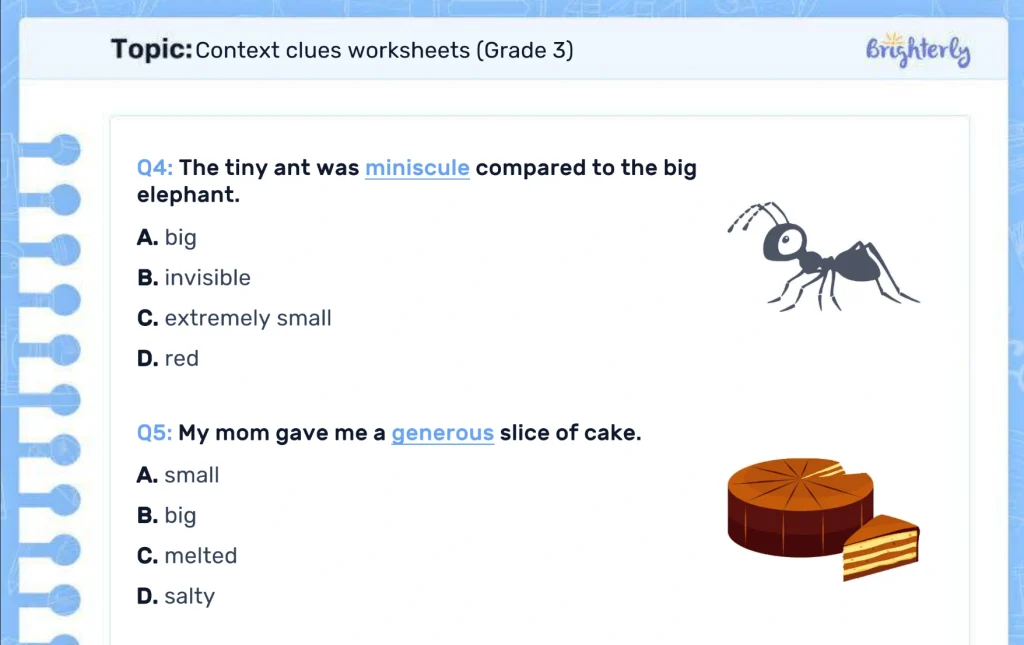
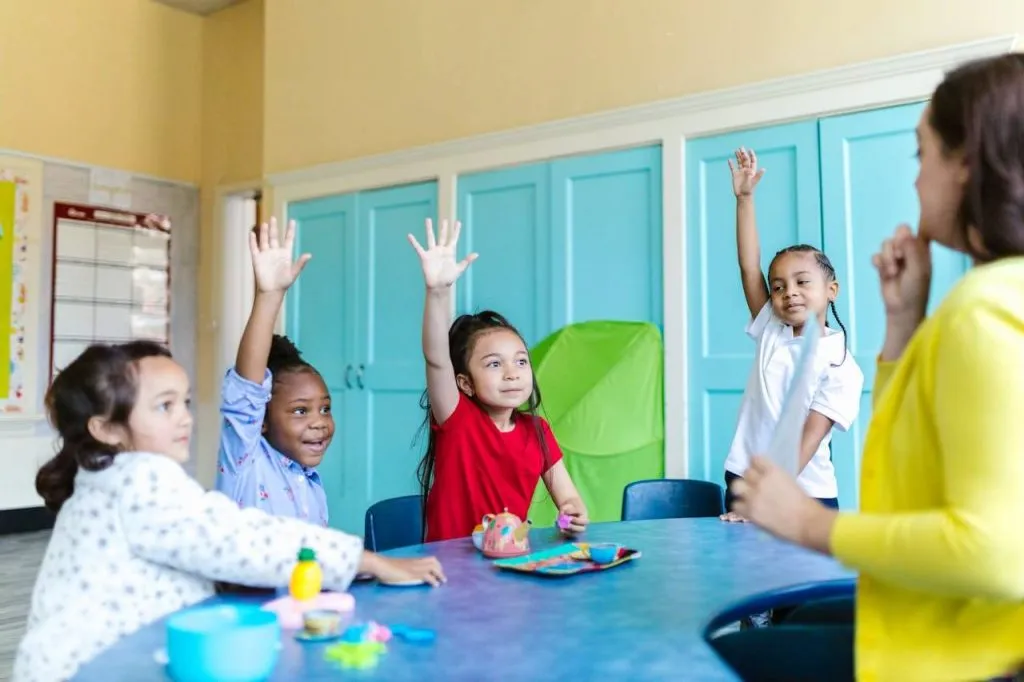
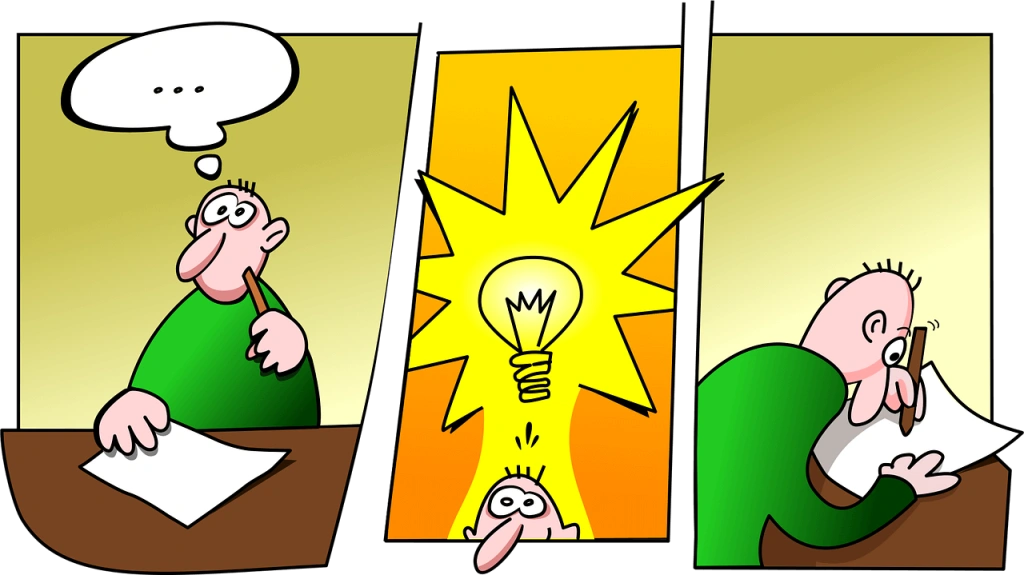
A tutor can turn word map basics into real reading confidence. Parents can choose free reading worksheets for their kids’ grade, covering fiction, nonfiction, story structure, and character analysis. Topic-based sets turn after-school practice into fun play. For early learners, the rhyming words worksheet develops sound patterns and vowel awareness through playful brain teasers. Context clues worksheets teach kids to infer meanings from context, boosting confidence and independence. All worksheets are available digitally or in print for flexible practice. Explore Brighterly Learning Experience Learn exactly how Brighterly helps students thrive through expert sessions, online tools, and proven feedback from thousands of satisfied parents Grade: 1-6 (ages 6-11) Provide students with a brief list of your 5-8 focus words and have them go on a “word hunt.” Their assignment: find the life match, shoot a picture or make a quick drawing of it, and share each with a sentence. For instance: shiny → mirror; fragile → glass; curved → banana. These little games to increase vocabulary ingrain words in place, linking them with meaning and the real world that kids see every day. Grade: 2-7 (ages 7-12) A player mimes a word, and others try to guess it or its synonym. For example: vocabulary word game with “exhausted” → tired, drained, sleepy. Kids love to hyperbolize: A 9-year-old who flopped across the carpet like a movie star, ‘‘too tired to move,’’ found that suddenly everyone had three strong synonyms. Humor cements meaning. To challenge vocabulary skills, have a time limit or insist on two synonyms before earning a point. Grade: 1-8 (ages 6-13) Kids draw a three-panel comic and fill the speech or thought bubbles with target words. Drawing reduces the pressure for reluctant writers, and the words move the story along. This vocabulary game for kids also helps to build context, sequence, and voice. This is a productive way to transition from reading to writing. Grade: 2-8 (ages 7-13) Students compose a riddle for a given word; team members try to guess the word from the clues. Example: “timid” → “I’m the shy one who stays behind my mom at a party”? Riddles require clear hints, so children learn to define without depending on precise words. Keep a shared doc of favorite riddles for car rides — they work well and make fast vocabulary learning games for small groups or ESL practice. Grade: 1-6 (ages 6-11) Arrange some synonym or antonym boards. The caller gives a clue; players mark the match and read out a brief sentence to show they have it right. Example: opposite of rapid → slow. Add a free square that only unlocks when a player uses the word correctly in conversation. This turns passive recognition into active use and creates that competition during the light board game even reluctant students like. Grade: 3-8 (ages 8-13) Children form groups of three to practice storytelling and use a set of vocabulary within a minute. They rotate roles as storyteller, timekeeper, and word checker. Example: “fortunate, obstacle, invent”: “I was fortunate to invent a tool that removed my obstacle.” While some children may freeze, there is a buzz in the room after a few rounds. The short time limits encourage the brain to stay sharp and promote fluent use of language. Grade: 2-8 (ages 7-14) A student stands with their back to the board while the other classmates provide clues for the word written on the board. The hot-seat player has to guess the word. Examples: delicious → tasty, flavorful, mouth-watering. Set the clue limit to three — this encourages kids to select the best synonym. This helps build fast feedback loops and works wonderfully for vocabulary games for students in classes.
Turn new words into confident speaking today!
Short, friendly 1:1 lessons with Brighterly tutors transform vocabulary into real-life conversation skills. Grade: 1-6 (ages 6-11) Children can illustrate the meaning or the intensity of a word, not just the object. For instance, gigantic can be represented by a dinosaur next to a mouse. Fragile as an egg on a spoon. Include compare/contrast panels like calm vs. furious to explore shades of meaning. Later, use these drawings as writing or spelling prompts with letter tiles. Grade: K-8 (ages 5-13) All week, slip new words into a jar. At dinner or bedtime, draw one and have each person use it naturally in a sentence. Choose a “Word of the Weekend,” and award a tiny point for spontaneous use in conversation. Rituals like this turn vocabulary games into family culture. Using it for vocabulary games for 4th grade and vocabulary games for 5th grade, this keeps practice short, friendly, and consistent. Grade: K-5 (ages 5-10) Use puppets (or sock “characters”) to perform tiny skits that convey meaning. Example: brave → puppet rescues another puppet from a toy monster. Shy kids feel safer speaking through the puppet; recording and reviewing the shows later brings fun. It is great for those ESL students who need some safe, repeatable practice. Grade: 3-8 (ages 8-14) Which activity is most effective for enhancing vocabulary in children? Deliberate, structured talk with real stakes. Choose a playful topic (“Homework should be replaced with more recess”), and ask them to use 3-5 target words in each argument. Kids enjoy advocating for pets, snacks, or screen time. This is one of the best vocabulary games for enhancing speaking confidence in middle school. Grade: All ages Instruction: begin with one word, and other players add on words as they relate, ultimately building a chain that shows how words may be logically linked together. Example: ocean → wave → surfboard → vacation → sunscreen. Pause to discuss why each connection was made. Later, challenge the children to connect two distant words in three steps. This helps practice problem solving and keeps students thinking in terms of categories. Grade: K-4 (ages 5-9) Make pairs with a word on one card and a definition/picture on another card. Play the classic memory game! Before you put the pairs aside, have the child read the matched word in a short sentence. Use color to build category knowledge by color-coding themes (feelings, weather, school). Minimal prep, maximum payoff! Grade: K-3 (ages 5-8) Say: “When the music stops, name a word and then perform a pose that indicates what it means (stretchy, proud, sleepy).” Movement can “lock in” meaning in a way that sitting can not. This is a crowd favorite as fun vocabulary games go, because it is playful. Moreover, research supports that physical activity may positively impact learning. Grade: 3-8 (ages 8-13) Begin with a single word and change one letter at each turn to form a new word. Read the word for each turn and use it in a sentence: cold → gold → bold → bolt. This activity incorporates phonics, spelling, and meaning. It’s one of the best vocabulary games for students who just love a good puzzle. Grade: 2-8 (ages 7-13) Utilize kid-friendly platforms that have short, timed rounds (3-5 minutes). They should offer image prompts, audio clues, short checks of definitions, and recognize steady improvements, not just when the learner gets the highest score. These vocabulary games for kids online provide instant feedback and optional variety, making them perfect digital tools for busy families! Grade: 2-7 (ages 7-12) You can roll the dice with visuals or word prompts, and create a mini-story using all of the results. Example: storm, secret, treasure → “We found a secret treasure in the storm.” If you don’t have dice, write words on scraps and draw three at random. Bind favorite stories into a small booklet; kids love rereading their own writing! It helps naturally expand vocabulary and builds confidence. Well-chosen vocabulary games for kids help learners internalize meaning, speak confidently, and write with precision. Start with 3-5 focus words per week, rotate formats (worksheet + game + online quiz), and always end with a use-it-now moment: speak a sentence, write a line, or explain the word to someone else. That simple routine works in the classroom and at home, and it supports beginners, advanced learners, and ESL students alike. If you want structured lessons, personalized feedback, and steady progress, the best choice is Brighterly’s live, 1-to-1 approach with friendly tutors – book free reading lesson today to see how it works. The best vocabulary game is the one your child will actually play consistently. For beginners, the word map builder and match-ups work well. If kids love movement, try scavenger hunts or charades. Older students enjoy debates, story dice, or quick vocabulary games online free. Start with a small list (3-5 words). Model each word with a short, clear example. Choose one game that matches your child’s mood that day: active, creative, or quiet. Keep it brief (time limit: 5-10 minutes), end with a sentence or tiny story, and revisit tomorrow. Rotate digital tools, cards, and board ideas so you cover spelling, meaning, and context without it feeling repetitive. Good vocabulary games mix formats so kids don’t get bored of one type: Rotate categories weekly — if kids tire of drawing, switch to something active, then back to writing or online practice. This blend supports middle school and elementary students alike. At this age, movement and silliness win. Freeze dance words, pictionary with words, memory flip cards, and the word jar all work well for 6-8 year-olds, since each one keeps the “lesson” hidden inside a game they’d play anyway. For reviewing words kids have already learned, use games built around quick recall rather than first-time teaching: vocabulary bingo, hot seat, and online quiz race all put the same words in front of kids again in a new format, which strengthens memory without feeling repetitive. Yes — most of these games need no screen at all. Word jar, scavenger hunt, synonym charades, riddle relay, puppet show words, word ladder, and story cube dice are all screen-free and work just as well at the kitchen table or in the car. Comic strip challenge, debate club for kids, one-minute stories, and word association chain do double duty: kids practice target words while also working with real content — a topic, an argument, or a sequence of events — instead of the word in isolation. Many wonder when do kids learn multiplication and when is actually the best multiplication age for them to dive into the topic. My teaching experience shows that most kids typically start with it between the ages of 7 and 9. However, not every child finds this step easy. In this guide, you’ll discover how to […] Oct 03, 2025 Hooked on Phonics’ monthly plan starts at $14.99 (official website, as of Sept 2026), but the exact cost depends on the length of the subscription and the track chosen (app only vs. app + physical packs). This guide breaks down the details of each pricing plan and how to make the most of free lessons, […] Oct 06, 2025
Word maps & match-ups
Brighterly worksheets for vocabulary practice


Scavenger hunt: Search for the word
Synonym charades
Comic strip challenge
Riddle relay
Vocabulary bingo
One-minute stories

Hot seat
Pictionary with words

Word jar

Puppet show words
Debate club for kids
Word association chain
Memory flip cards
Freeze dance words

Word ladder
Online quiz race

Story cube dice
Bonus: Choosing the best word game to improve vocabulary
Conclusion
Frequently Asked Questions
What is the best game to improve vocabulary?
How to teach vocabulary by games?
What are some good vocabulary games for kids?
What are some fun vocabulary games for ages 6-8?
What are some good games to review vocabulary?
Are there offline vocabulary games or activities?
What are some vocabulary games that build content knowledge?




Math & reading from 1st to 12th grade
Looking for homework support for your child?

Choose kid's grade

Math & Reading for Grades 1–12
Build real confidence for your child with a Brighterly math or reading tutor.