Signs of Dyslexia in Kids: What Every Parent Should Know
reviewed by Rachelle Bencio Yu
Updated on September 17, 2026
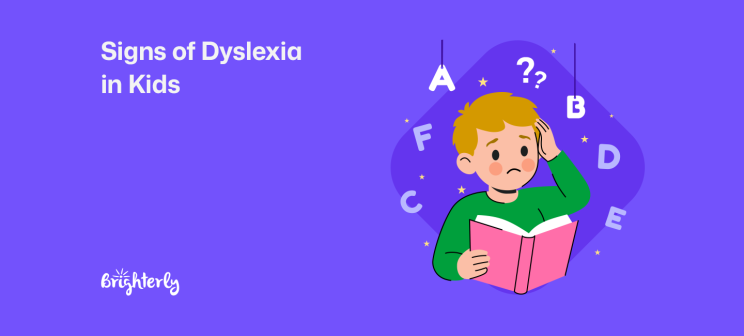
Key points: One in five learners shows signs of dyslexia in kids, and early identification with the right support can help develop strong abilities to read, write, and spell. This guide will help you understand what dyslexia signs are and what exactly you can do to support your child. This article is for informational purposes only and does not replace professional medical advice. Always consult a licensed healthcare provider for health-related concerns.
Check Your Kid’s Reading Level for Free
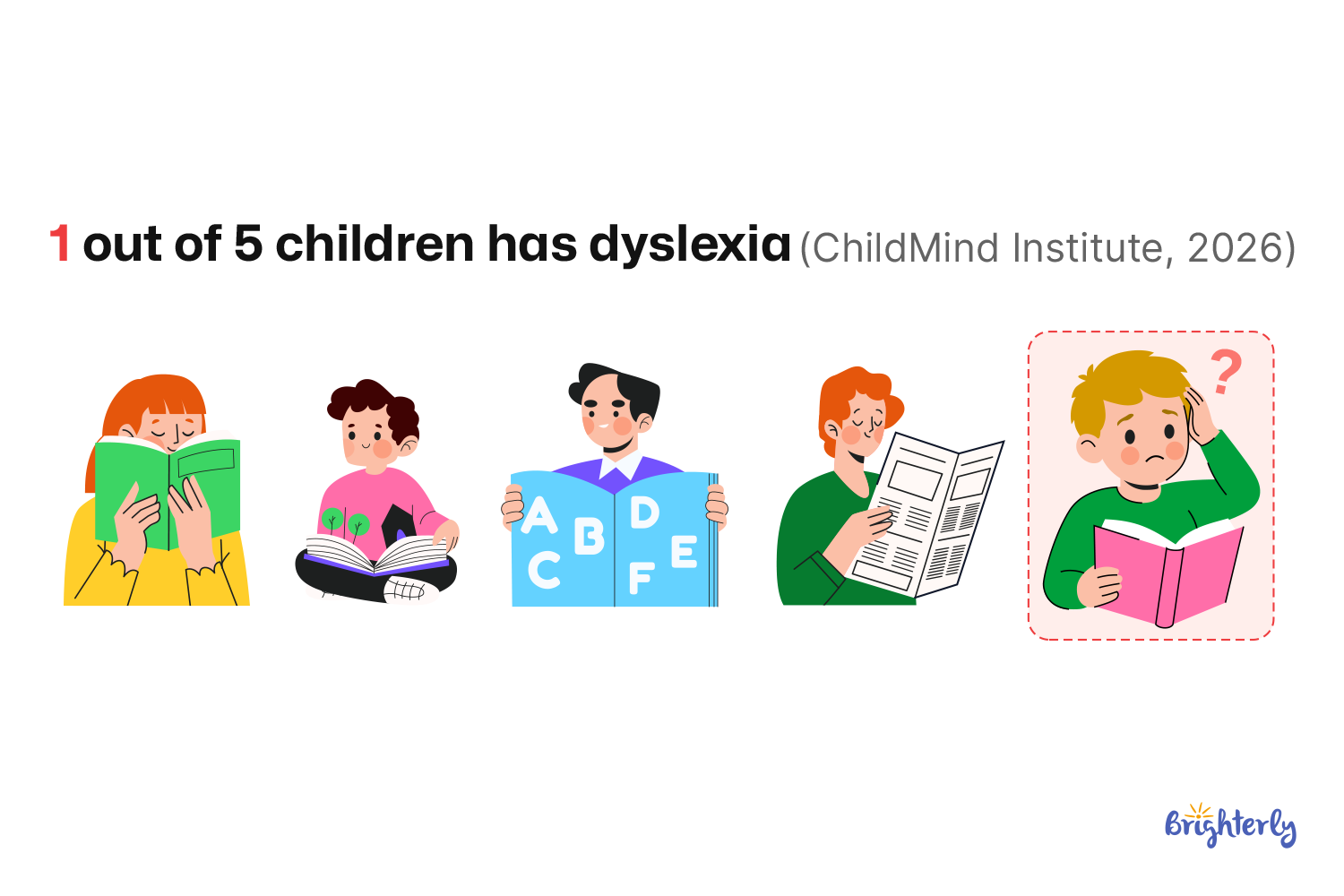
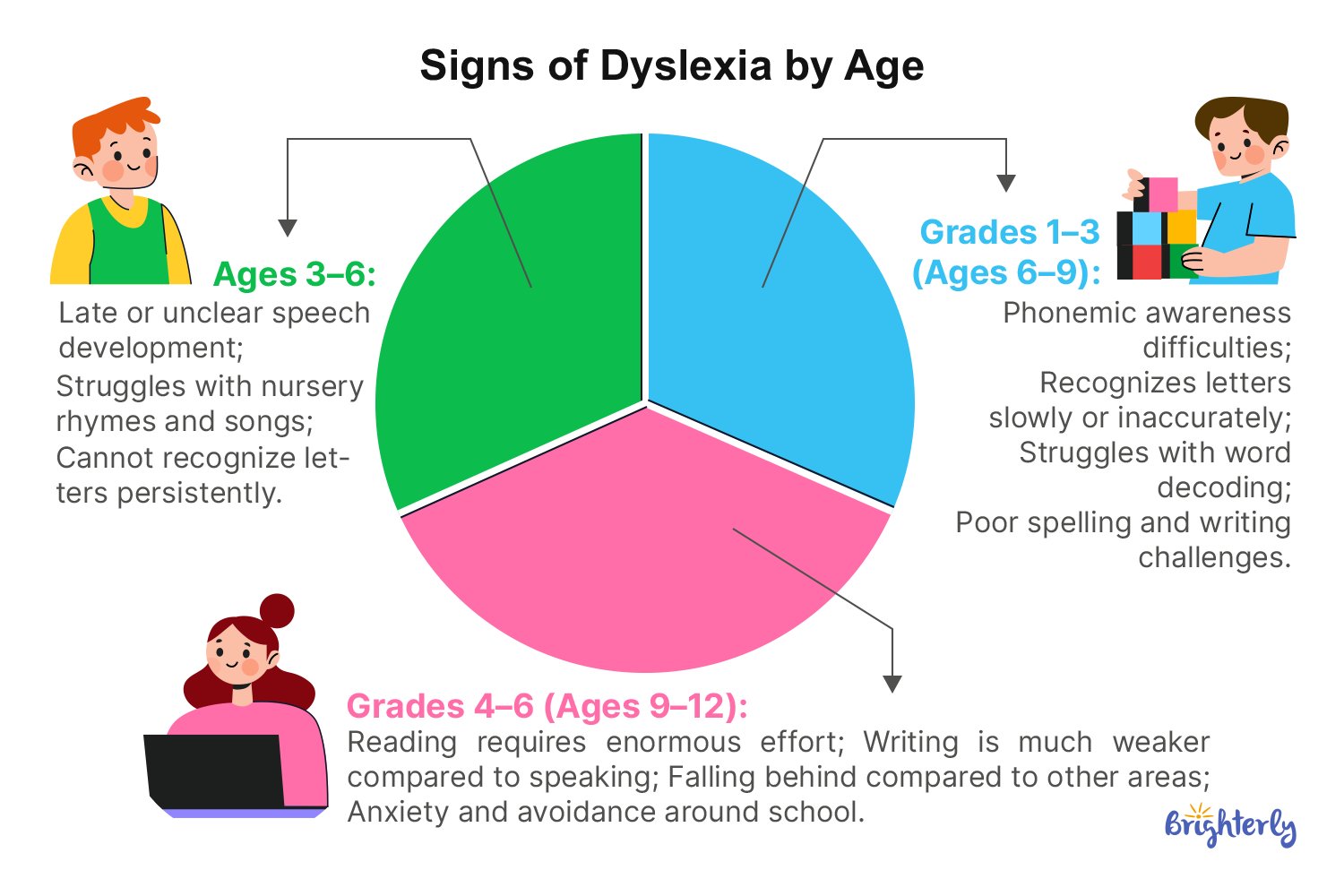
Pass our assessment to see how your kid reads at their grade level Dyslexia is not laziness or a vision problem but a unique way the brain processes language. The International Dyslexia Association (IDA, 2025) defines dyslexia as a specific learning disability characterized by difficulties in word reading and/or spelling. The reasons for developing dyslexia include genetic, neurobiological, and environmental factors, and the disabilities may vary in severity. The most common misconceptions about dyslexia are expecting children to outgrow it on their own or thinking it’s incurable. On the contrary, early intervention after validating dyslexia symptoms can impact its severity and improve your kid’s socialization at school. “Dyslexia stems from birth, and the brain will not simply 'grow out of it.” Explore Brighterly Learning Experience Learn exactly how Brighterly helps students thrive through expert sessions, online tools, and proven feedback from thousands of satisfied parents Here is how to tell if your child has dyslexia: if you keep spotting reading difficulty and delayed speech symptoms persistently over months, your child likely has dyslexia. The learning disability is a pattern of experiencing difficulties with reading and spelling, even with teaching support. The table below provides details on the age-specific expectations and warning signs to help you understand if your child shows late development or dyslexic patterns. Typical Reading Problems for Age Possible Signs My Child Is Dyslexic Mixing up letters like b/d occasionally Consistently mixing up b/d/p/q past age 7 Slow reading in Grade 1 Still guessing words by shape in Grade 3 Forgetting new words Reading the same word differently each time Dislikes reading aloud Actively avoids all reading situations Spelling errors Spells the same word 3 different ways in one paragraph The key mistake parents make is self-diagnosing dyslexia in their kids from separate reading difficulty incidents. Note that real symptoms of dyslexia are persistent and repeat over time under different learning circumstances. “One of the biggest misconceptions I see is parents worrying about a single reading struggle when it's actually the pattern over time that matters.” As kids are still at the early stages of development, it’s easy to miss or confuse dyslexic symptoms. So, spotting a consistent pattern across multiple areas is a more illustrative signal than a separate sign. This section reveals what early signs of dyslexia are, including specifics in speech development, difficulties in learning, and troubles in letter recognition. Delayed speech development is one of the earliest signs of dyslexia. If your child reverses sounds in words, pronounces them unclearly, or muddles them, it can point to dyslexia. That said, it’s important to remember that a learning disability is a pattern over time, not a single incident or late developmental sign. Rhyming problems, like difficulties reciting the alphabet or learning a song (including keeping its simple rhythm), are among early signs of dyslexia. If kids experience difficulties with sound-play activities, they may find formal education even harder. Trouble learning nursery rhymes can reflect weak phonological awareness, so it’s worth paying attention to such difficulties and dedicating extra time to support your child. Difficulties learning letters, especially when it comes to learning their own name, can be an early sign of dyslexia, especially if combined with troubles learning colors, numbers, and sequences. Lynn Greenberg, mother of a child with dyslexia, shares how she recognized the disability and what she did to navigate the early signs as a parent. “By age 3, he could tell me every character in the Thomas the Tank Engine series by name, but he could not tell me that Thomas started with the letter 'T'.” Signs of dyslexia in first grade to third grade include phonemic awareness difficulties, delayed and inconsistent letter recognition, word decoding troubles, and poor spelling and writing challenges. In the primary school, dyslexia can reveal itself in systematic problems with hearing, recognizing, and using sounds in words. If your kid cannot identify the first sound in a spoken word, cannot pronounce an unfamiliar word, or finds it difficult to add or remove sounds from words, it’s worth considering the possibility of dyslexia. Kids with dyslexia may confuse letters in the words they know or pronounce them slowly. As a result, their reading speed may be slower than that of their peers. Signs of dyslexia can also include confusing yesterday, today, and tomorrow, naming months in the year, and remembering seasons or days of the week. Note: Read our guide on does dyslexia affect math to see more examples to spot signs of dyslexia in other subjects. For kids with dyslexia, sounding out sight words and following reading instructions can be a struggle. They may confuse letters that look alike (like “b” and “d”) and spell words incorrectly (like “beard” or “braed” for “bread”). While strong readers can sound out unfamiliar words step by step, decoding difficulties make kids rely on guessing, making their mistakes more random and persistent. If not addressed in a timely manner, the difficulties with decoding words will lead to slow reading, problems with reading comprehension, and confusion with complex texts. At the early elementary school age, memory and rapid naming problems frequently cause different spelling and writing problems. Challenges can range from spelling similar words in different ways to a poor pen grip. Dyslexia evaluation tests show clear signs that point to inconsistent sound-to-letter mapping, not to mistake dyslexic spelling and writing challenges for other conditions. Spelling the same word in three different ways in one paragraph is an example of a sign of dyslexia.
Help Your Kid Improve Their Knowledge
Our tutors have a proven record of working with dyslexia — try for free Once children reach the age of 9, the signs that point to dyslexia include very slow reading, weak written work compared to verbal ability, falling behind despite intelligence, and growing school anxiety. For dyslexic kids, reading is hard: they struggle to force themselves to start the activity and complete it, forgetting the familiar words and losing concentration frequently. The speed of word decoding is another possible sign of dyslexia in grades 4–6. By the time dyslexic kids finish the text, they feel exhausted, as they spend too much mental energy on decoding individual words and struggling with reading comprehension that is expected at their age. The gap between spoken and written ability is one of the clearest markers of dyslexia in older children, as they usually perform better verbally than in written work. Parents may feel that their kids have more ideas than they can write down. Dyslexic kids may have poor handwriting, confuse upper and lower letters, leave their notes unfinished, or write more slowly compared to peers. They are capable of giving detailed answers verbally, but submit short responses in writing for the same question. Since dyslexia can become evident through disorganized behavior, forgetfulness, and loss of focus, kids can show poor academic performance compared to their cognitive abilities. They process information more slowly due to frequent confusion, distractions, and difficulties with multitasking. Kids with dyslexia are not lazy or less capable than their peers. They experience specific language processing difficulties that require proper intervention and support to be addressed and overcome. Psychologically, kids with dyslexia frequently feel discomfort when experiencing their reading, spelling, or writing problems. They may have a desire to be “normal” compared to peers, even though the ChildMind Institute estimates dyslexia to be a frequent learning disability that affects around 1 in 5 children. Unable to overcome dyslexia on their own, kids may develop frustration that reduces their confidence, pushes them to work harder, or leads to anxiety and avoidance at school. For parents whose kids experience psychological pressure caused by dyslexia, it’s important to support and comfort their children instead of reminding them about their learning disability. Once any of the symptoms of dyslexia prove to be persistent, introducing early special education for reading support is key. The main recommendations include initiating a conversation with your child’s teacher, asking for a specialized assessment, and building reading skills proactively. Initiate a conversation with the teacher to understand how they communicate with your child, whether they recognize their reading struggles, and whether they need parental support to help them. The list of possible questions can include: Remember that it’s important to find the right approach to address each sign of dyslexia, and it’s better to be partners with their teachers to help your child. Searching for a shared solution is better than arguing about the teaching approaches. You can request a dyslexia test to determine the factors contributing to reading and spelling difficulties. For general evaluation, passing a free reading diagnostic test online can work. Upon receiving the results, you can submit a written request to get a dedicated screening assessment from your child’s public school. In case of a formal evaluation, your written request should state the suspected signs of dyslexia with examples and formally ask for testing. Under the Individuals with Disabilities Education Act (IDEA), schools are legally required to arrange a meeting, get your consent, and complete the testing within 60 days. Note: Examples of dyslexia evaluation include Predictive Assessment of Reading (PAR), Dynamic Indicators of Basic Early Literacy Skills (DIBELS), and Texas Primary Reading Inventory (TPRI). According to the International Dyslexia Association (IDA), a licensed psychologist, neuropsychologist, or educational diagnostician conducts the dyslexia test that includes: Early intervention is key to helping your kid, so if you already see some signs and weak skills, you can start working on them before receiving a formal diagnosis. Alongside talking to their teacher, you can create a structured home reading program that will provide your child with the necessary practice that improves their skills and, consequently, their reading confidence. You can introduce teacher-led, neuropsychological, and home-based support simultaneously, making a 3-step program for early intervention. “The first thing parents can do is bring it up with their child's teacher.” Enrolling in a structured reading program, introducing a daily reading habit, using multisensory techniques, and building self-esteem are ways to support your dyslexic child at home. Structured reading support from a parent or an online tutor helps kids with dyslexia consistently. If you don’t have the time or skills to ensure the needed support, you can try our math and reading online tutoring platform. Here is how we work: Alternatively, you can use our free reading worksheets and reading tests for home practice. You can use them as supplemental materials to work on specific reading topics (like sight words or reading comprehension) or evaluate your child’s reading level compared to their grade expectations. Spending 10-15 minutes daily with a book can help kids develop reading confidence. On the hard days, introduce shared reading with no external pressure or forced expectations so your kid perceives it as a positive experience that reduces stress and improves their reading confidence through daily practice. Multisensory techniques can help your kid with dyslexia at home because they help them learn letters and words through touching, moving, and involving new sensations, other than reading and writing. Such measures make learning more fun and can make it easier to retain new information. Examples of multisensory techniques for dyslexia include: Kids with dyslexia may reveal anxiety or avoidance at school, so helping them feel confident again is highly important while working with specific reading, writing, or spelling difficulties. Feeling stressed out by peer pressure and bad grades, dyslexic and neurodivergent children crave hearing consistent, genuine praise regarding their reading and cognitive abilities to feel motivated and empowered while facing challenges. While reading with your child at home, avoid overwhelming tasks, shaming, or comparing your kid with their peers, as these measures increase shame, anxiety, and avoidance. In contrast, aim at noticing and praising the slightest progress and offering support to your struggling child, no matter what. This way, you will establish emotional safety and help your child focus on their successes rather than weaknesses. As for the most common signs, dyslexia is a persistent reading, spelling, or writing disability, including difficulties with recognizing sounds and letters, struggles with reading comprehension, and writing challenges. However, broader problems like anxiety around school and poor academic performance can point to dyslexia in older children. Each case is unique, but the signs a child is dyslexic usually last longer than late reading development over time. Dyslexia is a pattern with persistence that the teaching instruction cannot change: for example, your child will read the same word in three different ways instead of making random spelling errors. Age 5-6 is commonly the earliest age to test the symptoms of dyslexia in children, but the exact age depends on the length of formal reading education received. As dyslexia and reading difficulties cannot be diagnosed based on a single incident, formal testing should be able to spot patterns in learning disabilities to determine a diagnosis. If you notice one of the persistent dyslexia symptoms in your kid, talk to their teacher, request a formal evaluation, and introduce reading support at home to boost confidence and reading skills. It’s key to request medical advice and create a warm atmosphere to support a child. Yes, early and comprehensive support can significantly improve reading skills and help improve their academic performance. Parents can seek teacher support at school, request a formal evaluation and intervention plan from a neuropsychologist, or help kids with reading by learning how to teach phonics at home or getting structured online tutoring support. Does your child try hard but still struggle with reading? Multisensory learning can help, as it engages multiple senses in the teaching process without overwhelming students. This article provides an explicit multisensory learning definition, examples, and strategies to apply. The Challenge: Why One-Size-Fits-All Doesn’t Work Usually, classrooms rely on traditional reading and listening methods, but […] Jul 03, 2026 Adventure Academy and Khan Academy are popular supplemental learning platforms for kids, but they address different needs. If you’re comparing the two, this review breaks down the learning method, cost, and age range to help you decide which is better for your child — Adventure Academy vs Khan Academy. Adventure Academy vs Khan Academy: Quick Comparison […] Jul 06, 2026


What Is Dyslexia?


Is It Dyslexia or Just Late Development? How to Tell the Difference

What Are Early Signs of Dyslexia in Preschool and Kindergarten (Ages 3–6)
Late or Unclear Speech Development
Difficulty Learning Nursery Rhymes and Songs
Trouble Recognizing Letters (Including Their Own Name)

Signs of Dyslexia in Early Elementary School (Grades 1–3)
Difficulty With Phonemic Awareness
Slow or Inaccurate Letter Recognition
Difficulty With Decoding Words
Poor Spelling and Writing Challenges
Signs of Dyslexia in Older Children (Grades 4–6)
Reading Is Slow and Takes Enormous Effort
Written Assignments Are Much Weaker Than Verbal Ability
Falling Behind Despite Obvious Intelligence
Growing Anxiety or Avoidance Around School
What to Do If You Think Your Child Is Dyslexic
Talk to Your Child’s Teacher — What to Ask
Request a Formal Evaluation — How the Process Works
Start Building Reading Skills — Don’t Wait for a Diagnosis

How to Support a Child With Dyslexia at Home
Structured Reading Support Helps Children With Dyslexia
Read Together Daily — Even When It’s Hard
Use Multisensory Techniques (Sound, Touch, Movement)
Focus on Confidence as Much as Skill
Frequently Asked Questions
What Are the Most Common Signs of Dyslexia in Kids?
How Can I Tell If My Child Has Dyslexia or Is Just Developing Reading Skills More Slowly?
At What Age Can a Child Be Tested for Dyslexia?
What Should I Do First If I Think My Child May Have Dyslexia?
Can Kids With Dyslexia Improve Their Reading With the Right Support?


Math & reading from 1st to 12th grade
Looking for homework support for your child?

Choose kid's grade

Math & Reading for Grades 1–12
Build real confidence for your child with a Brighterly math or reading tutor.