7 Signs Your Child Needs a Tutor
reviewed by Florence Khitsane
Updated on September 23, 2026
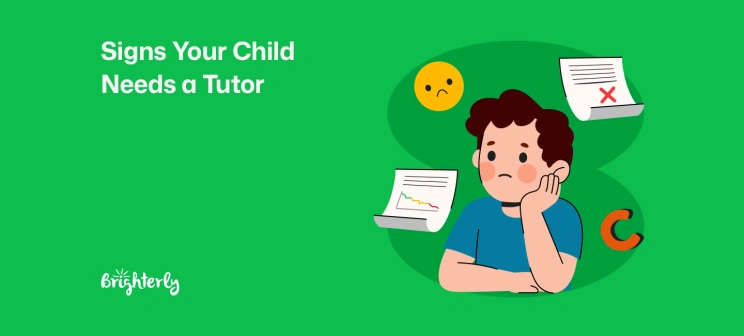
Key Points Missing two or three topics, in math especially, creates a chain of gaps that quietly builds into a significant lag. Kids rarely confess they need help. Fortunately, there are subtle “litmus tests” or signs that your kid needs tutoring that show up long before the report card does. Here are seven worth paying attention to.
Spot gaps before they get bigger
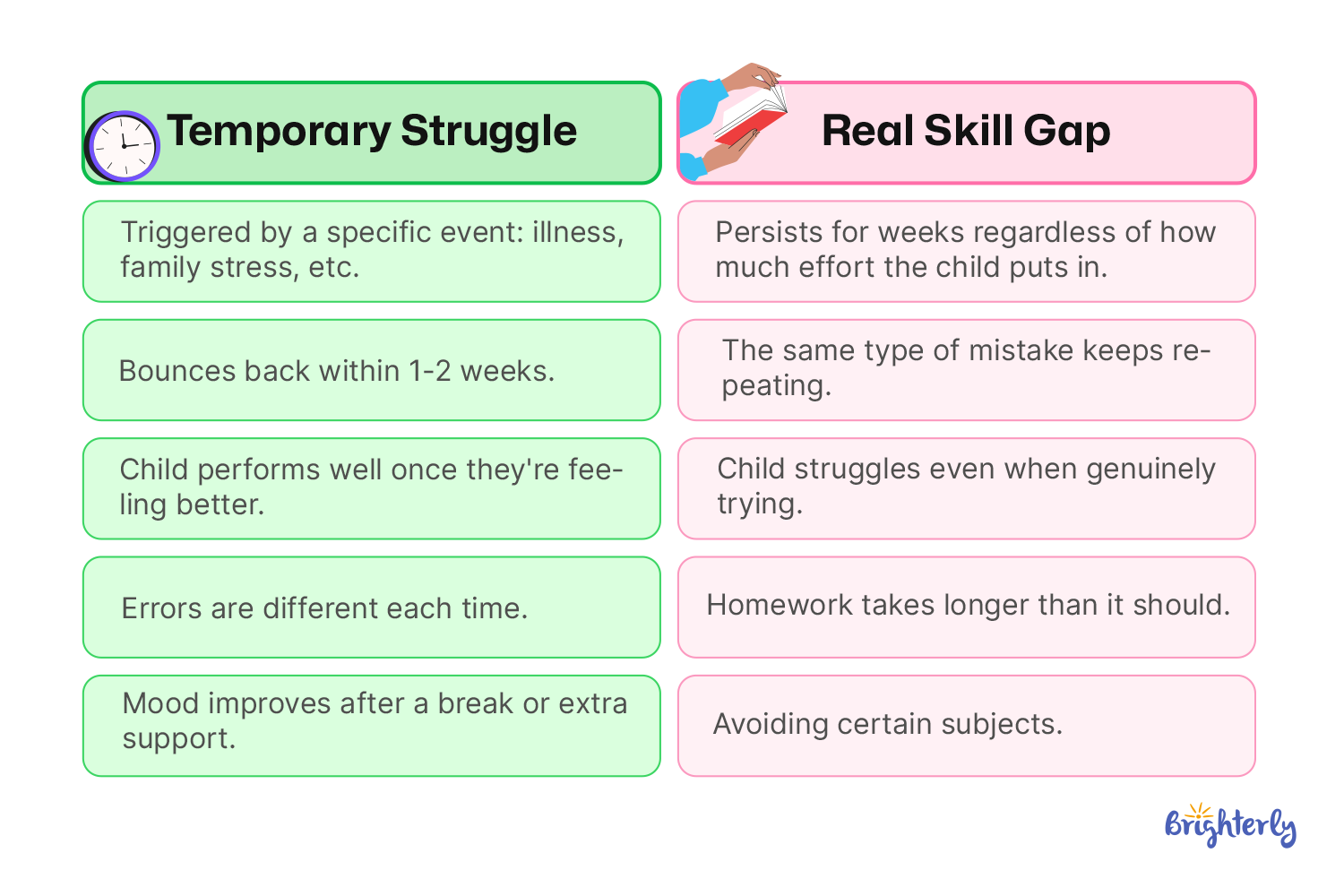
Brighterly finds the exact skill gap and builds learning from there Sometimes you can clearly see that your child is really trying to learn, but the test grades or the report card show the opposite — that’s a sign of hidden barriers to learning. The reason may be a temporary struggle or a real skill gap. How to recognize it? If the second column feels closer to home, don’t ignore it. Here is what Dr. Emily Levy, expert Learning Specialist, Founder and Director of EBL Coaching, says about the lack of knowledge: “The child struggles to learn new concepts because they have gaps in their foundational skills.” Explore Brighterly Learning Experience Learn exactly how Brighterly helps students thrive through expert sessions, online tools, and proven feedback from thousands of satisfied parents According to homework researcher Harris Cooper from Duke University, the “10-minute rule” is the guideline for how much time kids should spend on their homework: 10 minutes of homework per grade level, per night. That is, if a child is in the 5th grade, this is 50 minutes per day, for the 2nd grader, it is only 20 minutes. Becky Ward, Education Experience Specialist at Tutor Doctor, emphasizes that how your child works is as important as what they know: “Effort without progress is the signal to look closer.” More often than not, these are the first signs a child needs a reading tutor or math tutor.
Homework help without tears or exhaustion
Brighterly's professional reading and math mentors help your child truly understand the subject
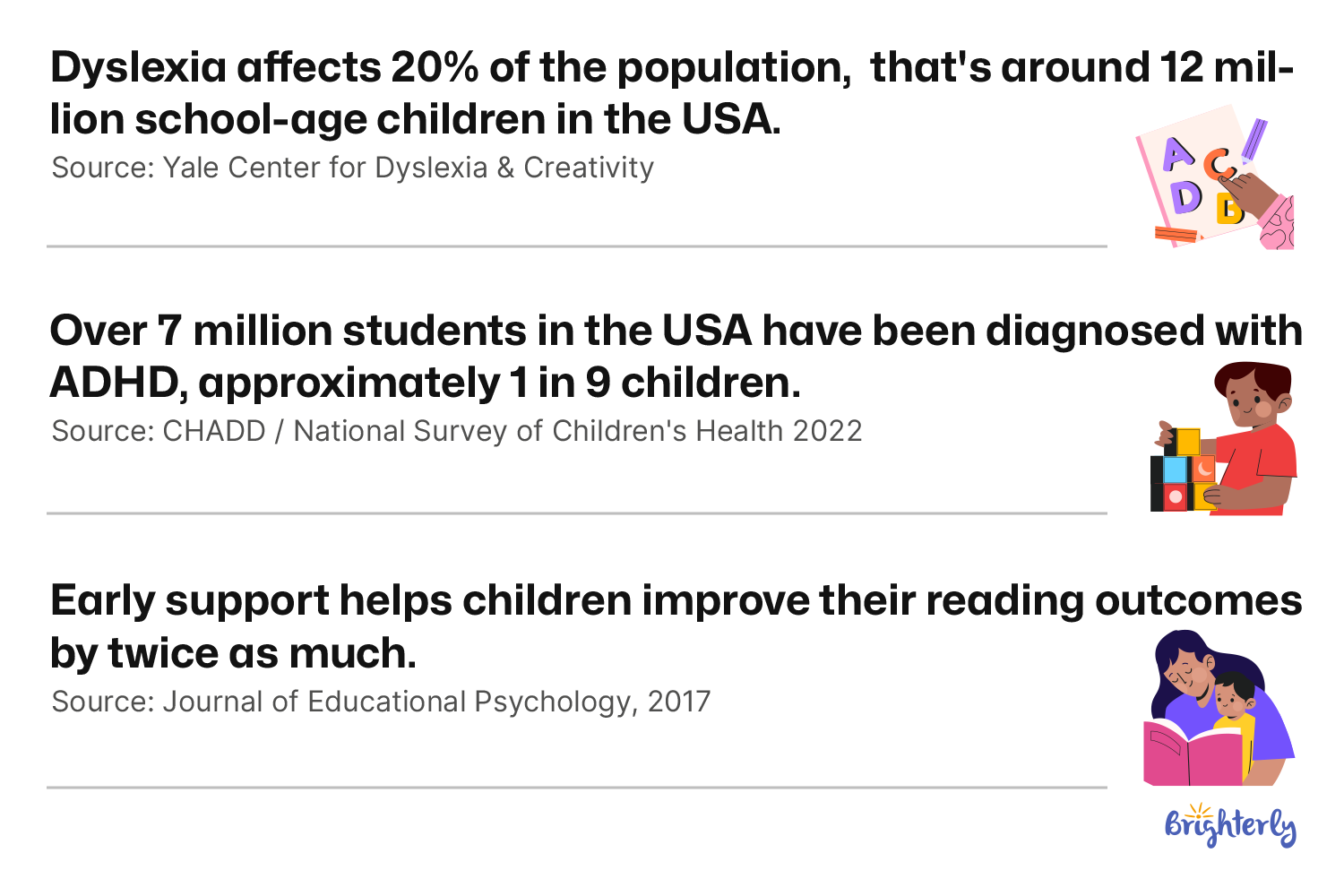
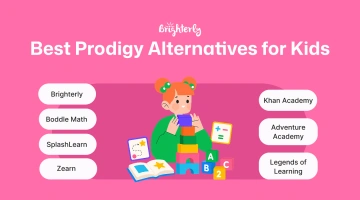
The other marker is the fact that the same mistakes come up again and again. On the one hand, the kid is studying; on the other hand, they keep getting the same things wrong on tests and exams. These repeated “holes” usually point to a gap in the foundation. The child simply has nothing to build a new topic on. If addition didn’t stick, subtraction and multiplication will fall apart. If sounding out syllables is hard, reading difficulties can snowball, and then understanding a textbook paragraph becomes a whole other difficulty. That’s why it’s worth figuring out which topics are weak and fixing them. Note: Brighterly’s diagnostic reading test or diagnostic math test can help you spot those “weak topics”. And if you want to tackle your child’s academic struggles more broadly, our tutoring is here for that. Have you ever heard something like “I don’t want to go to school, it’s boring”, “I’m not doing my homework”, “I don’t care about lessons”? That “boredom” often implies gaps in knowledge. The child sees that things aren’t working out and makes the most logical move: avoids whatever makes them uncomfortable. When a child is consistently lost in class, every single day becomes a bit stressful. It’s easier to say that school is bad than to admit that they haven’t understood the last few topics, and asking feels embarrassing. So treat a sudden dislike of school as a signal to ask yourself: does my child need extra help with school? Note: If your child doesn’t want to go to school, first make sure it’s not because of conflicts with classmates or teachers! Frequent homework tears or anger are a clear signal that the material exceeds your child’s current skill level. Surely, it’s completely normal when something doesn’t click the first time, but if you stepped in (e.g., caught up on the topics together, took a break, gave them a little push) and it has worked out, it’s a perfect sign. But if homework sessions regularly end in tears or anger, that’s a red flag. For many children, especially neurodivergent learners (those with ADHD, autism, or dyslexia), emotions are not just a reaction. This is a signal that the load is too high, and the material hasn’t caught up with their skills yet. In that case, broader academic support is needed. It’s worth learning more about ADHD and reading challenges, as well as the ADHD and math relation, and looking into the best reading programs for dyslexia support. On our end, Brighterly’s dyslexia tutors work with kids who struggle with focus, making sure lessons are genuinely engaging, informative, and above all, at the kids’ own pace. “A skill gap is more likely when difficulties persist despite support, practice, and adequate opportunities to learn.” Pay attention to whether your child says something like “I’m bad at math”, “I hate reading”, etc. Listen for that shift as Claire Smizer, Brighterly Educational Advisor, says: “A child who's started narrating themselves as someone who can't is in a different kind of trouble than one who's behind a unit or two.” What’s even more important is that the feeling that something is beyond their abilities can actually shape low self-esteem, both within school walls and throughout life. And that will affect how a pupil performs in other subjects as well. So if your child is struggling with one subject, stay careful, maybe that’s exactly why your child needs extra help in school. No, most likely your child won’t catch up on their own. Especially if the learning gaps happened in foundational knowledge, particularly in math and reading. These subjects get harder practically every week and are built on what kids have already learned. To avoid a snowball effect, the wiser move, and honestly, the cheaper one is extra support. Spotted the first warning signs? That’s exactly when to get a tutor for your child. Your child’s teacher is your ally. It’s worth sitting down with them and asking what they’ve noticed that’s working, where the struggles are, which subject has taken a hit, and how your child feels during lessons. Are they engaged or checked out? Teachers notice patterns parents don’t always see at home. This conversation alone can help you figure out what to do next. It’s tempting to hope that the next semester will just go better on its own. But it’s still smarter to act now and actually see the results in the next report card. Otherwise, there’s a real risk that school performance will only keep sliding. If the signs above suggest that your child may need extra support, look for a tutor who can identify the specific skill gaps, adapt lessons to your child’s needs, and explain progress clearly to parents. For a step-by-step guide on where to search, what qualifications to check, and which questions to ask before choosing a tutor, see our guide on how to find a math tutor for your child. If your child needs support in a specific subject, you can also explore Brighterly’s math tutoring and reading tutoring. The warning signs from this article don’t appear for no reason. If you’ve noticed something from this list, then keep your finger on the pulse. And when it’s no longer just one or two bells ringing, the best thing you can do is accept the situation and fix it as quickly as possible for your child’s peace of mind and confidence. If “does my child need a tutor” keeps coming back to you, Brighterly is at your service. You’re welcome to book a free lesson and get to know us. Absolutely! Individual tutoring is one of the major ways to help kids with dyslexia specifically. It works because a dyslexia reading tutor works with the child at their own pace, ensuring the child gradually masters phonics, decoding, and fluency without pressure or comparisons to others. However, it’s important for the teacher to be qualified and understand the specifics of dyslexia and reading challenges. In the case of middle school, the most revealing signal is low grades, especially when they drop suddenly in one specific subject. Add to that a child who refuses to do homework, avoids a particular class, or starts comparing themselves to classmates (“everyone gets it but me”), and that’s a clear sign it’s time to look closer. Here it’s necessary to check whether your explanations help and your child isn’t falling behind at school curriculum. If you notice that new topics are weighing on them, it’s better not to wait for better and react quickly. Elementary school is exactly where the foundation is built, the one that every new arithmetic rule gets layered onto later. There’s no particular rule about what grade you can start hiring a tutor for; teachers work with kids from K through 12. What matters more is tuning into how your child is feeling: are they managing school tasks on their own, or is it already getting hard without extra help? Whatever the format, the key thing is to check whether teaching is of high quality and the teacher is seasoned. The in-person format has many advantages. However, online lessons can keep a child engaged through animated exercises and a more dynamic pace. On top of that, it’s more convenient, especially for families who don’t have the time or ability to drop off and pick up their child. Bonus is the schedule, which is flexible too. If your child is struggling to remember how to use a colon and semicolon, they’re not alone. In fact, mixing up these two punctuation marks is one of the most common writing mistakes that children (and adults!) make. This article breaks down what exactly a colon and semicolon are, how to use them correctly, and […] Jun 19, 2026 Prodigy is used by more than 20 million students each year, but some families look for alternatives when game elements, paid upgrades, or independent practice no longer meet their child’s learning needs. Brighterly is the best overall choice for students who need personalized 1:1 ELA and math instruction, while Boddle Math is the closest alternative […] Jun 29, 2026


Sign 1: Grades Are Slipping Despite Real Effort


Sign 2: Homework Takes Much Longer Than It Should

Sign 3: The Same Gaps Keep Showing Up
Sign 4: Your Child Suddenly Doesn’t Like School
Sign 5: Frustration or Tears During Homework
Sign 6: Low Confidence in One Subject Specifically

Sign 7: You Keep Thinking “They’ll Catch Up on Their Own”
What to Do When You Spot These Signs
Talk to the Teacher First
Don’t Wait for the Next Report Card
What to Look for in a Tutor
Conclusion
Frequently Asked Questions
Does Tutoring Help Kids with Dyslexia or Reading Difficulties?
What Are the Signs My Middle Schooler Needs a Tutor?
Does My Elementary Child Need a Math Tutor?
At What Grade Level Should You Start Thinking About a Tutor?
Can Online Tutoring Work as Well as In-Person for Kids Who Are Struggling?




Math & reading from 1st to 12th grade
Looking for homework support for your child?

Choose kid's grade

Math & Reading for Grades 1–12
Build real confidence for your child with a Brighterly math or reading tutor.