15 Summer Reading Programs for K–12 in 2026
reviewed by Marvi M. Andres
Updated on July 31, 2026
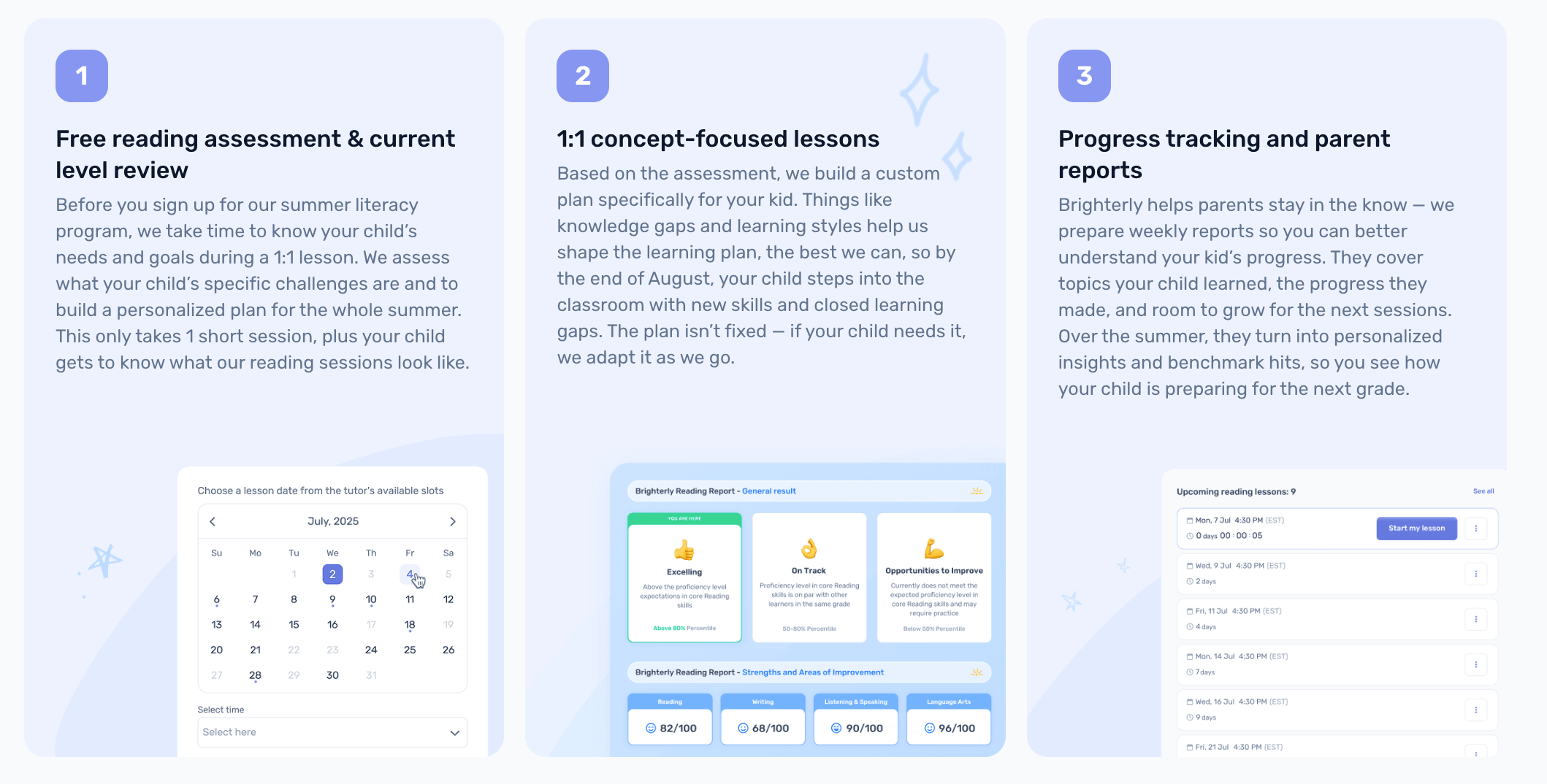
Key Points Summer reading programs help kids preserve and expand knowledge, grow vocabulary, develop imagination, build social skills, and develop a reading habit. Most of these programs are free and accessible online, offering free books, rewards, and fun challenges, ranging from library-based incentives to one-on-one tutoring. The choice should depend on your child’s reading level, learning style, and what could motivate them to read most. Exploring alternatives? Program Grades / Ages Brighterly Summer Reading Camp K–12 $17.70-$21.90 per lesson (with a 20% discount) 1:1 live online tutoring Skills growth + progress report Barnes & Noble Summer Reading Program Grades 1–6 Free Self-paced reading log Free book Pizza Hut Summer of Stories Pre-K–6 Free Self-paced reading log Single-topping Personal Pan Pizza Chuck E. Cheese Reading Rewards PreK–8 Self-paced reading log 10 Play Points Half Price Books Summer Reading Camp Grades 1-8 Free Self-paced reading log $5 “Bookworm Bucks” Books-a-Million Summer Reading Adventure PreK–6 Free Self-paced reading log Exclusive item (such as a character-themed hat, backpack, or sticker/popper set) Reading Is Fundamental (RIF) Summer Reading Ages 0–14 Free Community / school-based Free books Public Library Summer Reading Programs All ages Free Library-based Free books Collaborative Summer Library Programs All ages Free Library-based Free reading materials Mensa for Kids Excellence in Reading K–12 Free Self-paced reading list Certificate and a free T-shirt Outschool Summer Reading Camps Ages 3–18 $8 per week-$43 per session Live small-group classes/1:1 tutoring Certificate of Completion Summer Reading Bingo All ages Free Self-paced challenge card Custom reward Battle of the Books Grades 3–12 Membership fee of $50-$60 Team competition Skill to work in a team Family Summer Book Club All ages Free Family-led Custom reward Read-and-Scratch / Color-as-You-Read PreK–8 Free Self-paced log Custom reward *All data in the table is based on information publicly available on official programs’ websites (June 2026). Explore Brighterly Learning Experience Learn exactly how Brighterly helps students thrive through expert sessions, online tools, and proven feedback from thousands of satisfied parents A summer reading camp available on our educational platform is an online summer reading program where K–12 students get one-on-one lessons with an online reading tutor. The first class starts with a free reading level test to see your child’s current level and build a learning plan accordingly. While studying, we provide a progress report to motivate further skill growth. Our reading comprehension program is aligned with US state standards and targets both reading fluency and vocabulary, which the kids will need to be ready for the next school year. *Our pricing plans range from $17.70 to $21.90 per lesson (with a 20% discount applied).
See your child’s current reading level
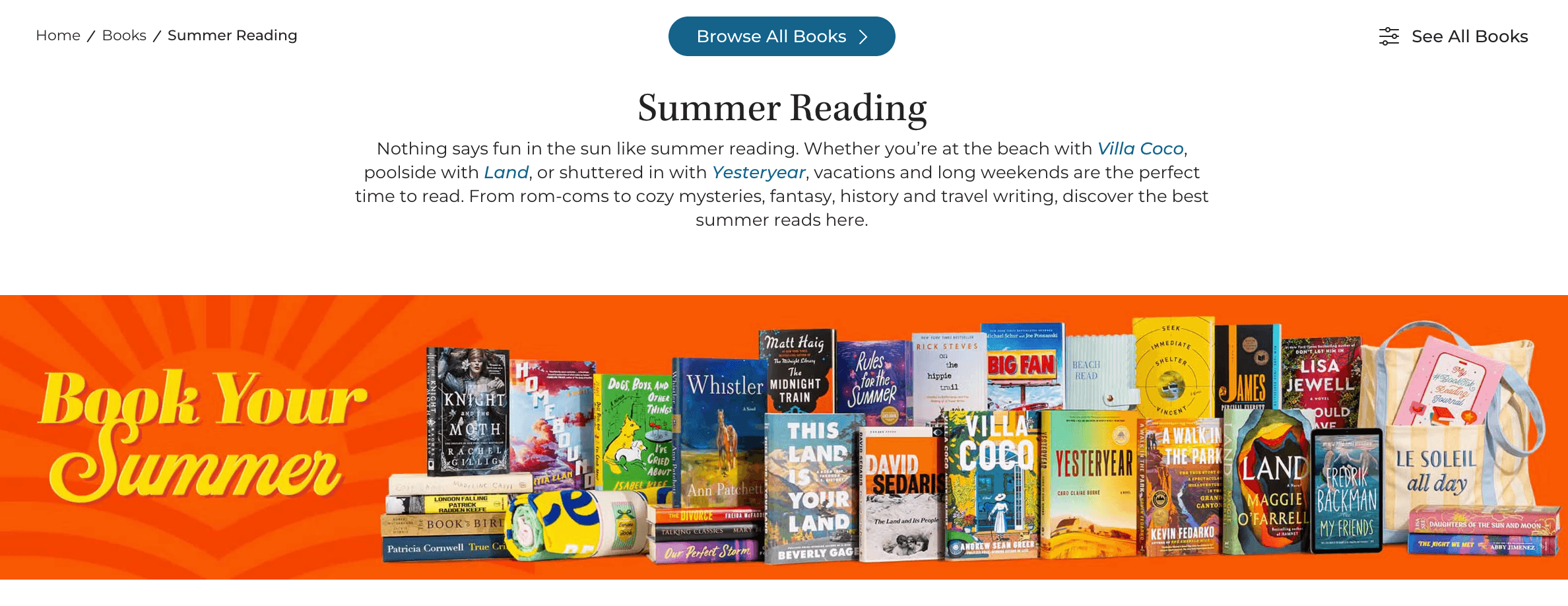
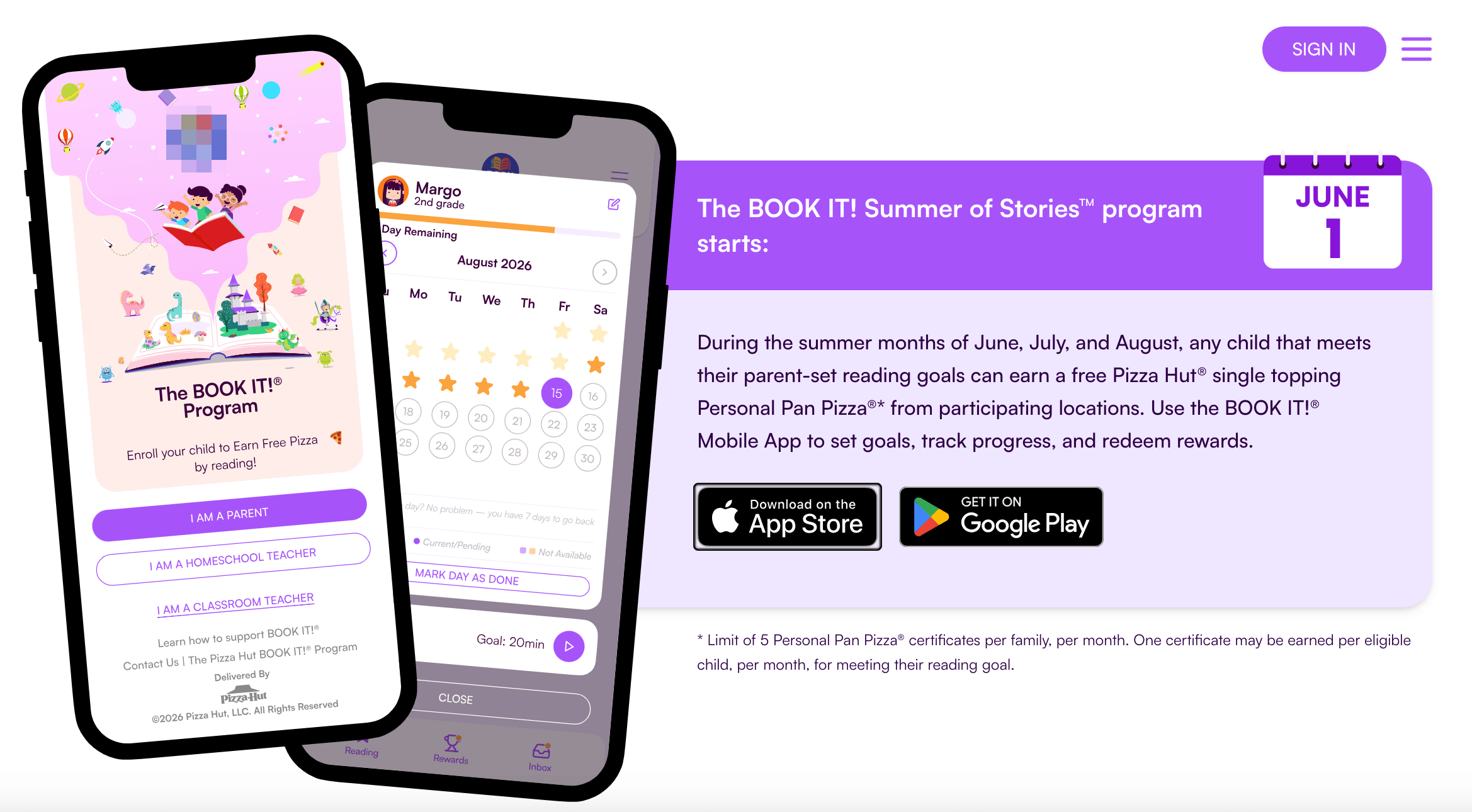
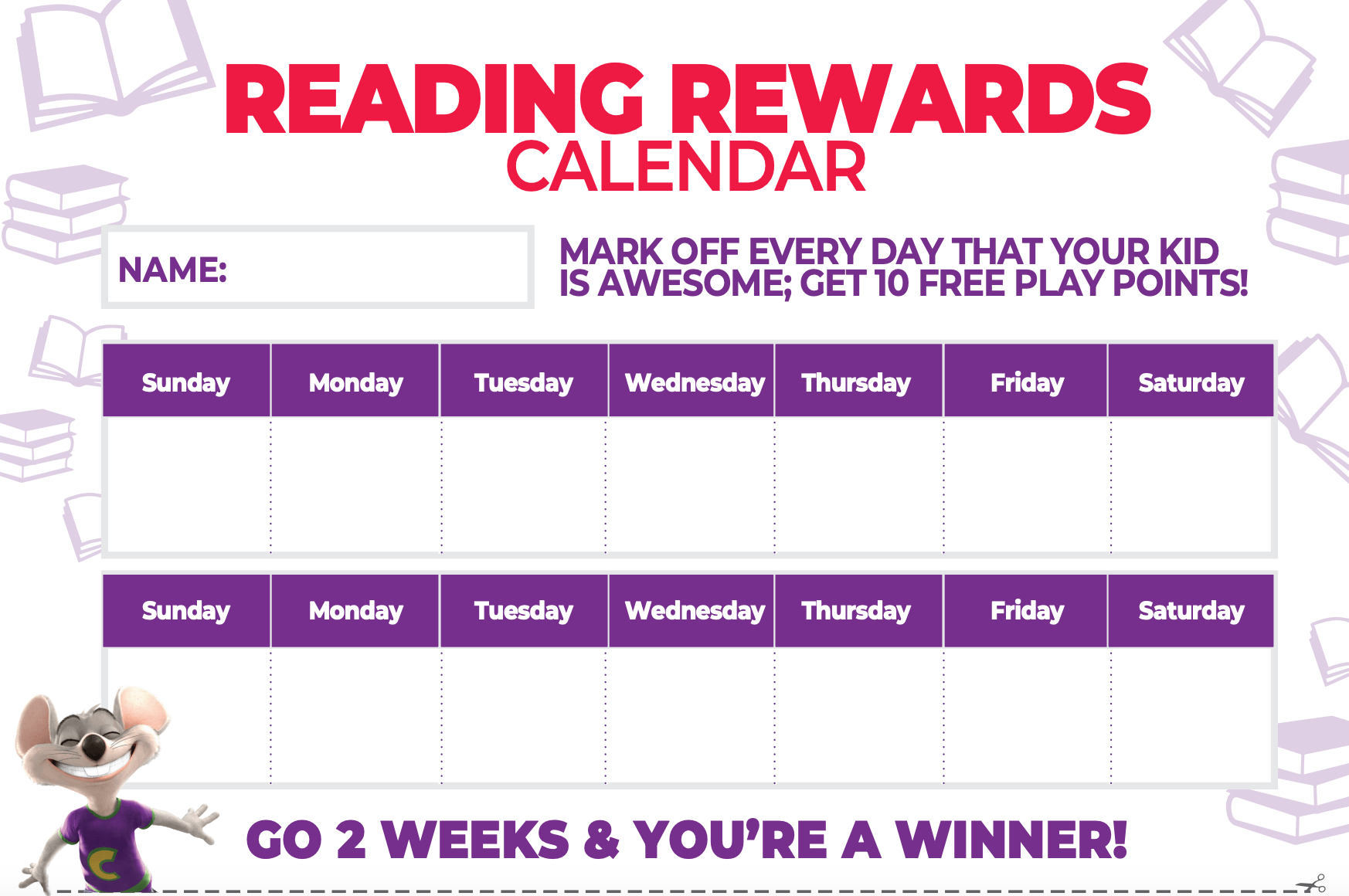
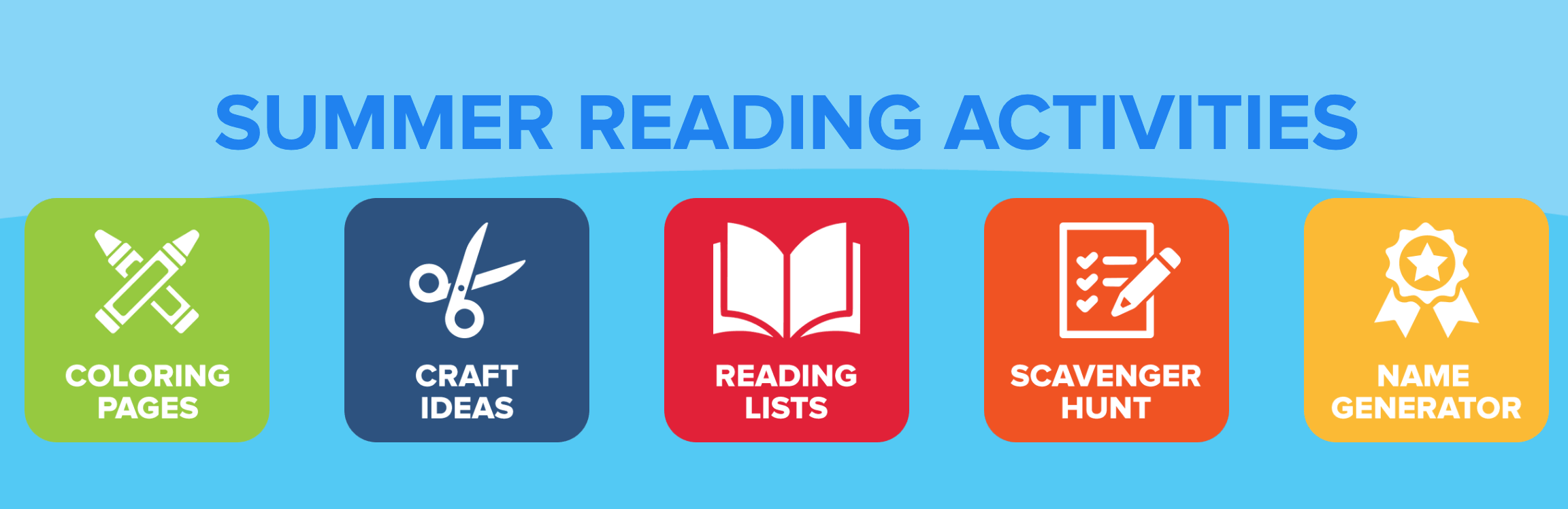
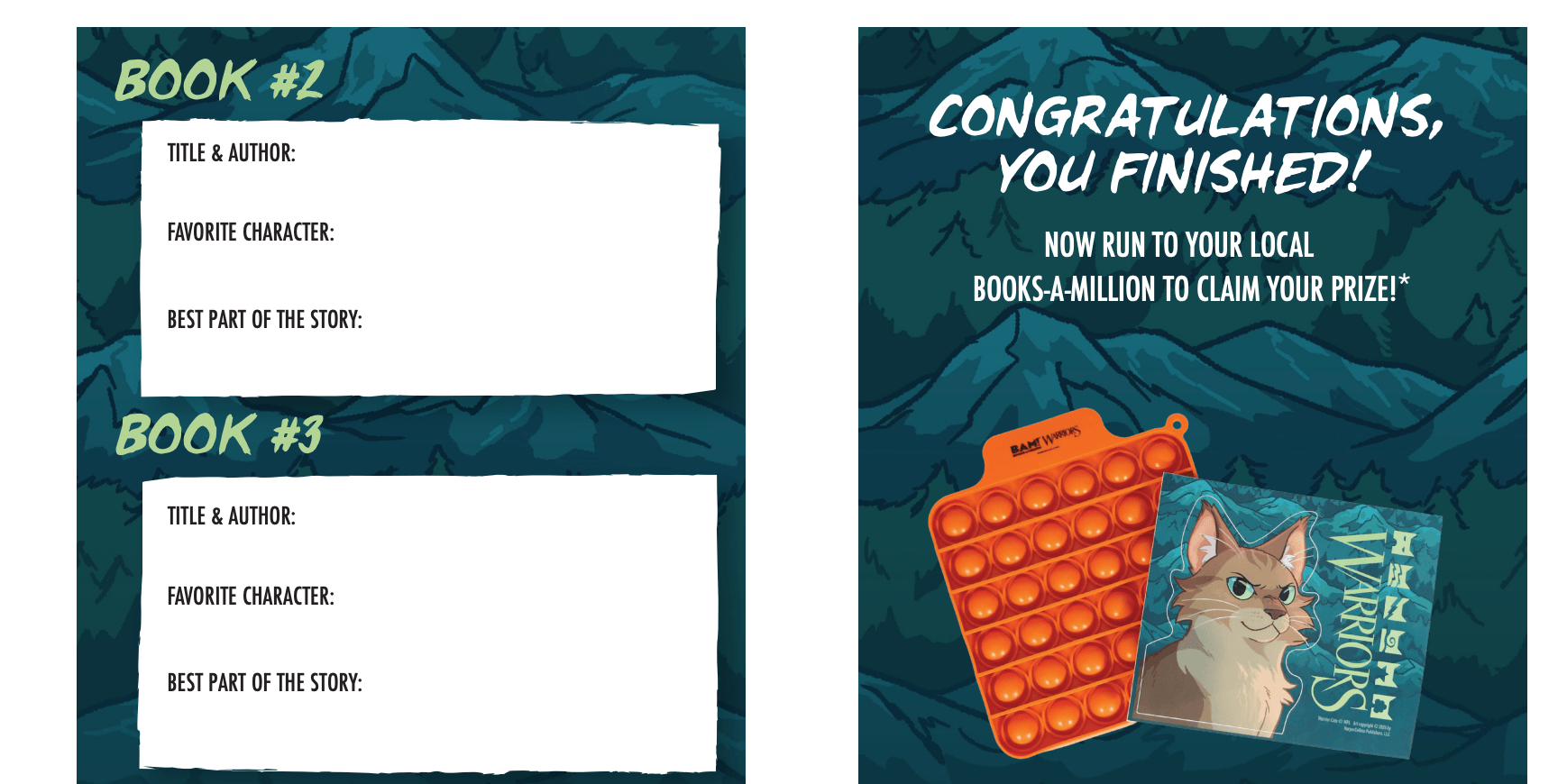
A free demo reading lesson will show which step to take next. The Barnes & Noble chain of bookstores has a summer reading incentive for kids in grades 1 through 6, allowing them to earn a free book from July 1 to August 31. To get this free book, kids have to read 8 books of their choice (from a library, borrowed from friends, or bought at Barnes & Noble), write the parts they liked most in a Reading Journal available in Barnes & Noble stores and website, and visit any Barnes & Noble location each time they’ve read 2 books (4 store visits in total). After they’ve read all 8 books, they can choose one free book from the Reading Journal. The program is entirely self-paced — kids can manage their reading time as they want. The only thing to remember is to get your free book during July and August, which is the deadline. The “Summer of Stories” is a kids summer reading challenge by Pizza Hut BOOK IT! initiative. Pizza Hut chain of pizza restaurants developed it for kids in Pre-K through grade 6 to help them build consistent reading habits over the summer break (June 1st-August 31st) by allowing them to win a free pizza for reading. To win the pizza, kids (parents if a kid is too young) have to use a Book It! App, available on AppStore and GooglePlay, where they have to log their daily reading time (at least 20 minutes) for 15 days at least. If the kid hits the goal, they get a coupon for a free pizza in the app (3 maximum/1 per month). Chuck E. Cheese entertainment center and restaurant chain connects its summer reading program to its in-house play. Their incentive is called Reading Rewards, which is basically a calendar where children from PreK to 8th grade can track their reading per day. The calendar is for two weeks, so after this period is over, the kids bring their filled out calendar to a Chuck E. Cheese location and receive summer reading rewards in the form of 10 play points to spend there. The program runs June through August and is perfect for kids who love playing games that the local Chuck E. Cheese location has to offer. Summer Reading Camp by Half Price Books chain of bookstores for kids in grades 1 through 8 starts on June 1st and allows access to printable materials for all summer. The materials include reading lists, coloring sheets, and activity ideas. Half Price Books locations also offer a printed copy of the camper’s Summer Reading Log and camp stickers. If your kid logs 300 minutes of reading per month during June and/or July, they can earn $5 in “Bookworm Bucks” per month they can spend at Half Price Books. Summer Reading Adventure is an incentive by Books-a-Million’s book retailer that runs all summer (usually from late May till late August) for kids in grades PreK through 6 and allows them to win an exclusive item (character-themed hat, backpack, sticker, etc) for reading books. To win a prize, a kid needs to read books and complete a reading-related downloadable logbook, where they write about their favorite characters and best parts of each story they’ve read. After finishing reading and filling out the logbook, children bring it to the Books-a-Million store and get their reward. As the children’s literacy nonprofit organization, Reading Is Fundamental has a summer program that allows kids to get free books. The organization partners with schools, libraries, programs, and community organizations to distribute books during the summer months, primarily to children in grades K-8 that come from low-income families. You can check if your child’s school or local community center participates in the RIF reading summer program to get free books for your kid. Apart from providing books, RIF also offers printable reading logs, reading challenges, activity calendars, and has a virtual summer reading camp that runs June to August for kids ages from 0 to 14.
Keep your child reading in summer
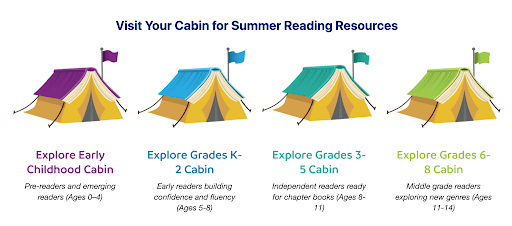
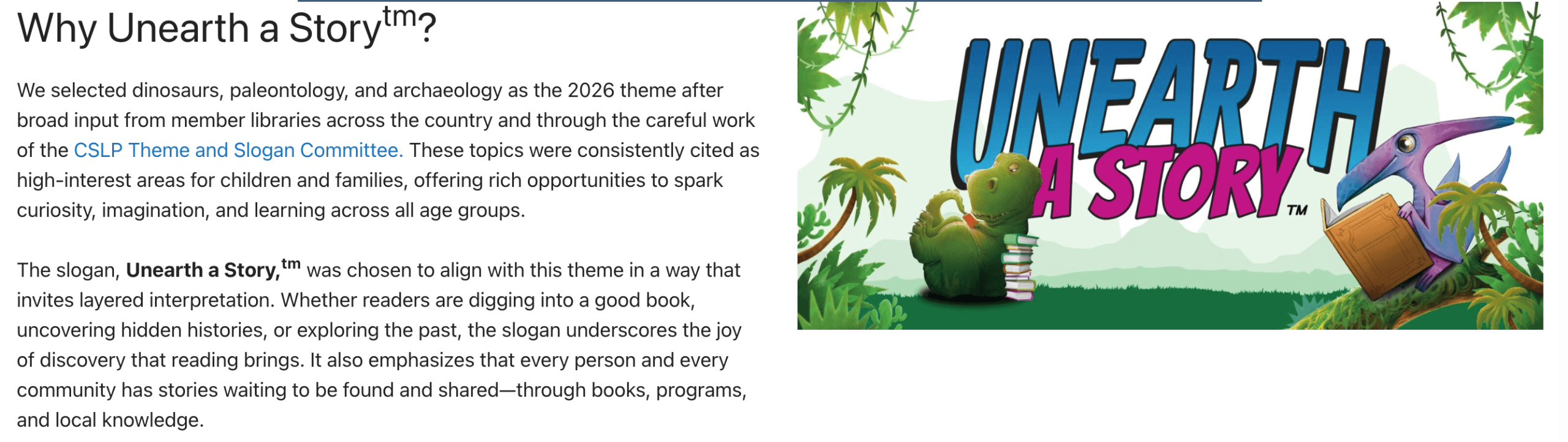
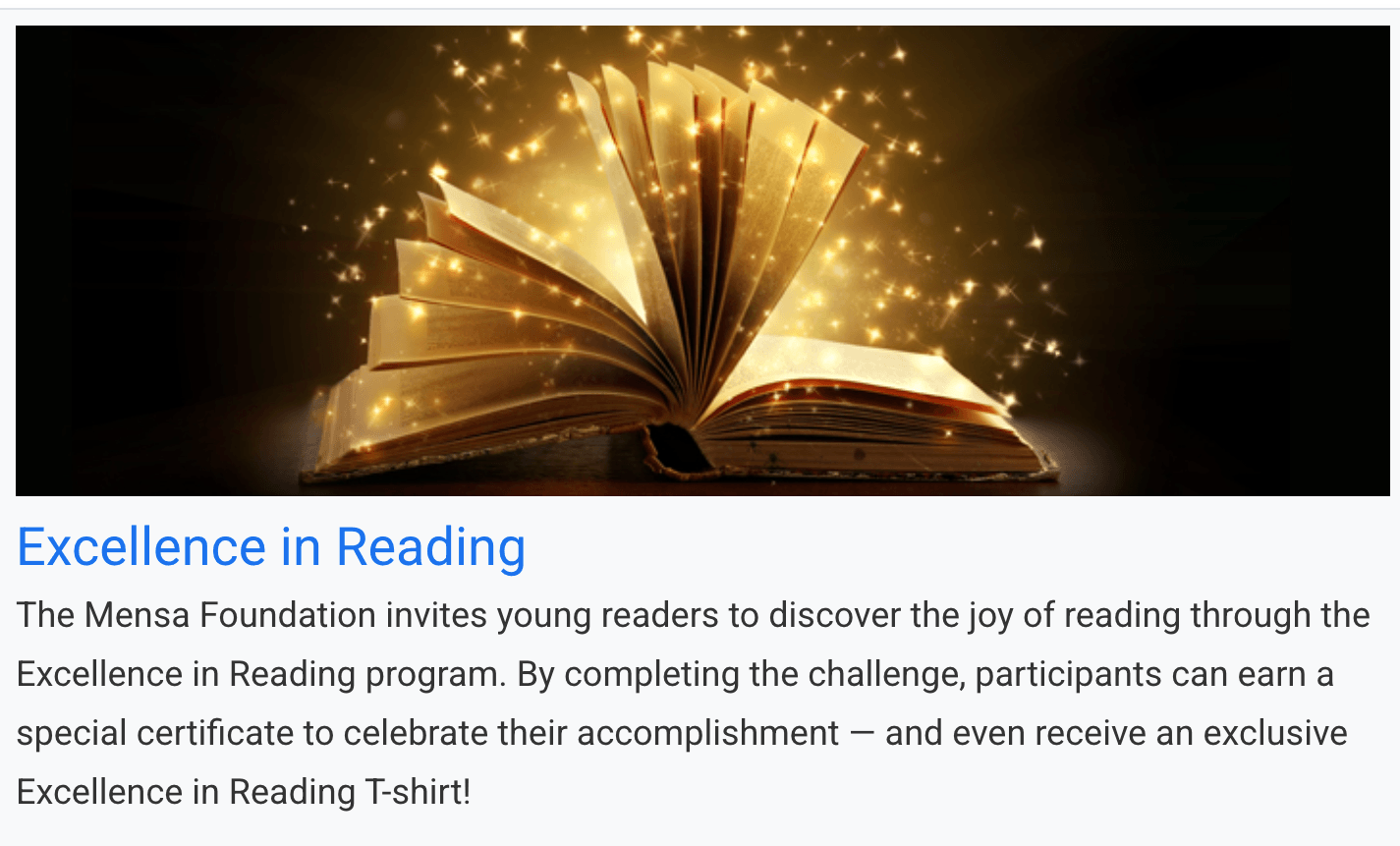
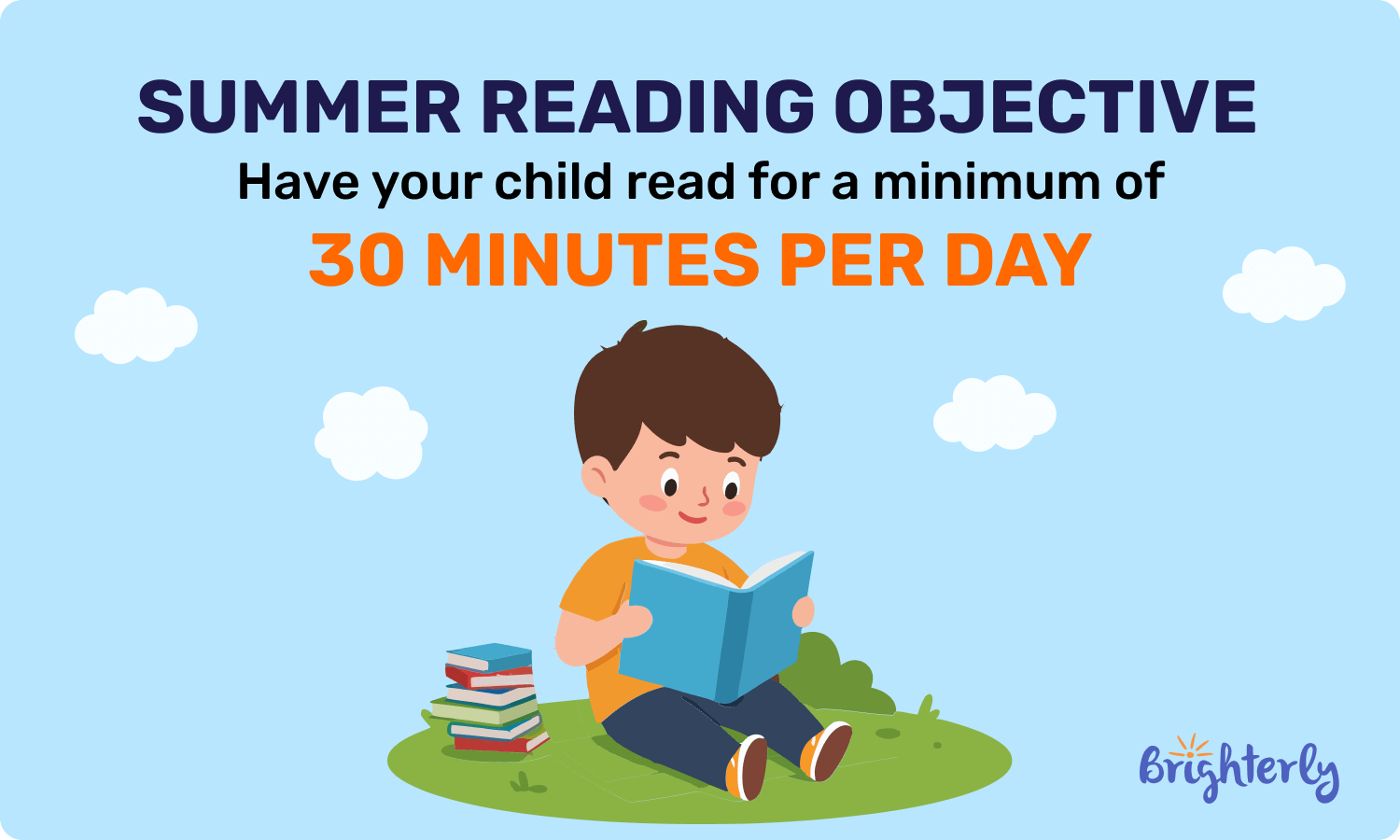
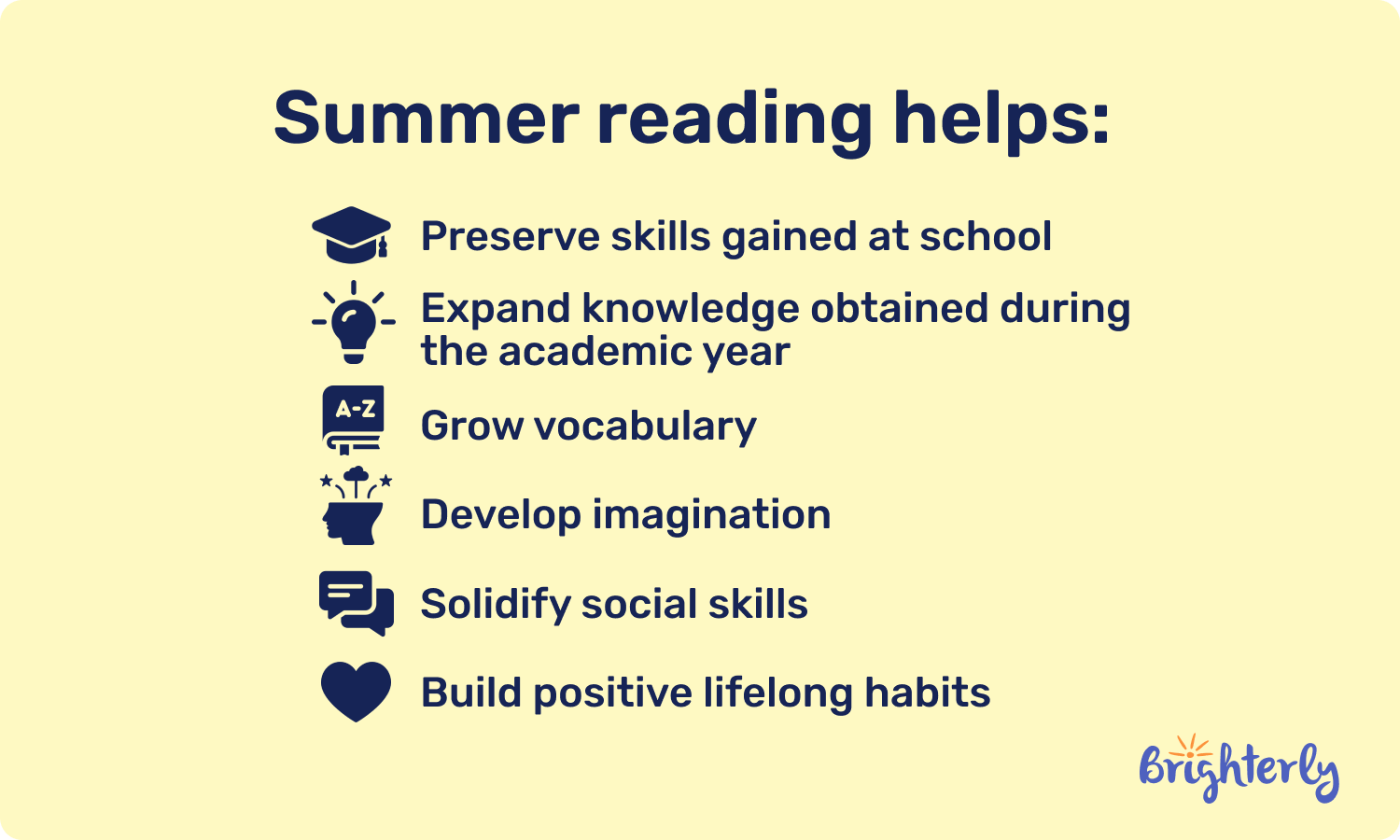
Our private online tutoring lessons help a kid build real reading confidence. If you’re looking to get free books for your child to read in summer, without seeking any rewards or instruction, consider checking what your local public library has to offer. Most US libraries have some kind of reading program for kids, especially during summer holidays. Such library programs are usually for kids of all ages — toddlers, elementary students, middle schoolers, and high schoolers. Some libraries may also offer a summer reading log and a summer book challenge in addition to free books with small prizes or badges at milestones to motivate kids to read more. The Collaborative Summer Library Program (CSLP) is the nonprofit organization that develops summer reading themes, artwork, and programming materials for all ages to share across public libraries in all 50 states each summer from late May to August. Libraries that join CSLP as members receive the annual theme to build their local programs around it, which is why you’ll see the same theme in different libraries across the country. In the summer of 2026, the common theme is “Unearth a Story”, which will be perfect for kids who are interested in dinosaurs, paleontology, and archeology. Mensa for Kids educational resource has an Excellence in Reading program that works differently from most summer reading and writing programs — rather than focusing on logged reading time, Mensa provides reading lists according to kids grade level (K-12) to choose for reading year-round, not just in summer. The kids have to print the appropriate list and track each book they read by checking it off, recording the date they finished reading it, and giving it a rating. When they’re done, they have to submit the printed filled out list to Mensa Foundation, signed by them and the parent. When Mensa receives and verifies everything, they’ll send a recognition certificate and T-shirt back to the reader. Outschool is a marketplace where you can find independent educators that teach live, small-group online lessons. During summer, the marketplace offers dozens of themed summer reading classes like camps and book clubs for students ages 3 through 18. The options range from picture-book read-alouds for early readers to novel studies for middle and high schoolers. The classes vary depending on how much an instructor is involved and are not free, with the cost ranging from $8 per week for a self-paced class to $43 per session for a private tutoring option. A bingo card can be a fun summer reading challenge you can try with your kid on your own. Instead of just creating a reading list or logging reading time, a bingo card you found online or created yourself allows creating a visual reading plan for summer. And visualizing is one of the most effective reading comprehension strategies. For example, each square on a bingo card you created or downloaded can hold a reading goal like “read a book with a red cover”, “read outside”, “read a book about animals”, etc. When the kid reaches the goal, they cross it out on the card. You can also offer them a reward of your choice for crossing out an entire row, for example. Battle of the Books is a reading incentive in a form of competition that usually runs between April and June for students in grades 3 through 12. However, the timeline is suggested, so if your local school has Battle of the Books permission, they may have different deadlines for the competition. The kids get in teams and read a list of 10-15 predetermined books based on their grade level. Aside from summer reading programs for kids provided by companies and organizations, you can create your own summer literacy program at home. Such program requires no registrations, logs, or submissions — just your family. You can simply pick a book for a family to read and set up a 30-minute daily reading time to finish it. If your kid is easily motivated by rewards, you can pick a physical prize or an activity a kid can look for to motivate them more. You can also try several summer reading projects during school break — one from a company or organization and one of your own, for example. Read-and-scratch cards and color-as-you-read charts are summer reading incentive ideas that are based on the idea of tracking reading progress visually. Both activities you can easily try at home. For example, for a color-as-you-read activity you can ask a child to draw the outlines of anything they want but not color it (or get a printed image from the internet or from a coloring book). When they read a certain number of pages or for a certain time per day, they get to color part of this picture. This way, they can finish the drawing when they finish the book. Read-and-scratch activity has the same concept but a kid gets to scratch off part of the preready image to reveal it. If you also want your kid to improve math skills while reading, you can offer them some of the best math books as an option. The benefits of a summer reading program for kids include skills preservation, knowledge expansion, vocabulary growth, imagination and creative thinking development, social skills development, and creation of a reading habit that will last a lifetime and help them in further studies. To choose the right summer reading program, make sure it matches your kid’s age and reading level, fits their learning style, has the right schedule, and is locally available if it’s an option that offers rewards that need to be collected at a physical location. Summer reading programs usually start from late May-early June and last to late August in 2026. Most options start in June and end in August. However, always verify the dates for each program. For example, Barnes & Noble initiative runs from July 1 to August 31. Yes, most summer reading programs are completely free to join. However, if you’re looking for more instructed courses, tutoring, or reading competitions, they may require payment. For example, Brighterly 1:1 tutoring pricing starts at $17.70–$21.90 per lesson, Outschool Summer Reading Camps starts at $8 per week for self-paced options and ends at $43 per private tutoring session, and Battle of the Books requires a $50–$60 membership fee for its team competition. There’s no universal number on how many books a child should read during summer. It depends on their age, grade level, current reading skills, and types of books they read. For example, younger kids may read lots of colorful picture-based books, while a high schooler may be able to read only a few big novels during summer months. A reading program is usually an organized incentive developed by a library, school, retailer, or an organization and has a log or tracker and an official reward. A reading challenge is usually something simpler, like a bingo card, a personal goal, or a family competition with no external party behind it. However, the terms overlap and most people use them interchangeably. If the summer reading program is library-based, the kid may require a library card. However, it depends on a particular library, the program, and the kids age. Most libraries in 2026 offer online registration and digital programs through apps, so check what your local library offers before considering their reading program. Yes, you can find reading programs for teens and preschoolers to join. For example, Pizza Hut Summer of Stories, Chuck E. Cheese Reading Rewards, Books-a-Million Summer Reading Adventure, and Reading Is Fundamental are for preschoolers, while Mensa for Kids Excellence in Reading, Battle of the Books, and Public Library Summer Reading Programs are the options for teenagers. Wondering, is Huntington Learning Center worth it? You’ve come to the right place! As a private math tutor with years of experience in helping children improve their skills, I’ll give my unbiased opinion and honest Huntington Learning Center reviews. Read on for an unbiased answer. Key Points Range of features: 8/10. The Huntington Learning Center […] Jun 18, 2025 Canceling a Varsity Tutors membership isn’t something you can usually do through an online account portal — you’ll need to phone their support line. This article shows you the step-by-step process of how to cancel Varsity Tutors. It also highlights what policies and guidelines you have to keep in mind to avoid unnecessary charges. Can […] Jul 02, 2025

Best Summer Reading Programs to Try in 2026
Cost
Format
Reward
Free
Brighterly Summer Reading Camp


Barnes & Noble Summer Reading Program
Pizza Hut Summer of Stories
Chuck E. Cheese Reading Rewards
Half Price Books Summer Reading Camp
Books-a-Million Summer Reading Adventure
Reading Is Fundamental (RIF) Summer Reading
Public Library Summer Reading Programs
Collaborative Summer Library Program
Mensa for Kids Excellence in Reading
Outschool Summer Reading Camps
Summer Reading Bingo
Battle of the Books
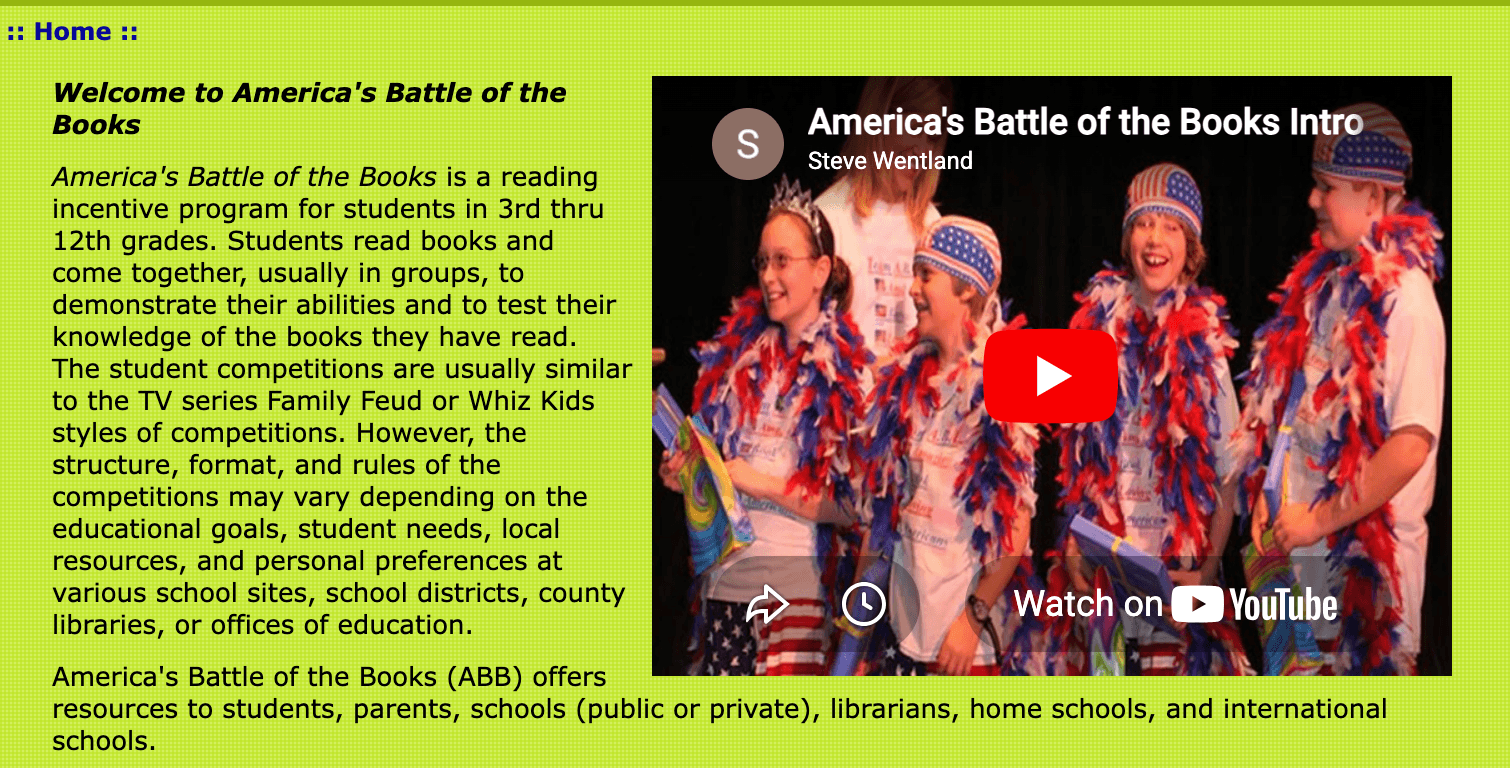
When they are done, they compete in a quizz-like game, answering questions about the plots and characters of books they’ve read. Each right answer is rewarded by points. The teams with the most points wins. The goal is not just to encourage kids to read more but to teach them work in teams.Family Summer Book Club
Read-and-Scratch and Color-as-You-Read Challenges
Benefits of Summer Reading Programs
How to Choose the Right Summer Reading Program
Frequently Asked Questions
When Do Summer Reading Programs Start and End in 2026?
Are Summer Reading Programs Free to Join?
How Many Books Should a Child Read over the Summer?
What Is the Difference Between a Summer Reading Program and a Reading Challenge?
Do Kids Need a Library Card to Join a Summer Reading Program?
Can Preschoolers and Teens Join Summer Reading Programs Too?



Math & reading from 1st to 12th grade
Looking for homework support for your child?

Choose kid's grade

Math & Reading for Grades 1–12
Build real confidence for your child with a Brighterly math or reading tutor.